
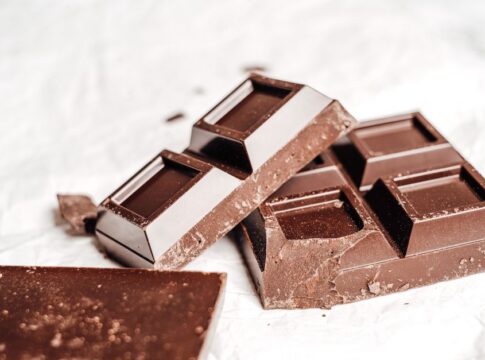
7 Surprising Facts About Chocolate Originally Being Bitter
By Trivia Daily, Staff Writer — Published August 13, 2026
Table of Contents
- Key Takeaways
- The Ancient Origins of Chocolate Originally Being Bitter
- Why Raw Cacao Tastes So Bitter
- 7 Surprising Facts About Chocolate’s Bitter History
- How Chocolate Became Sweet
- Frequently Asked Questions
The chocolate bar melting in your hand today would be unrecognizable to ancient Mesoamericans who first cultivated cacao. While modern chocolate is synonymous with sweetness, the original chocolate was intensely bitter, consumed as a spicy, frothy beverage that bore little resemblance to the confection we know. This transformation from bitter ceremonial drink to sweet treat is one of history’s most fascinating culinary journeys, filled with surprising trivia about how cultures around the world discovered and reimagined this remarkable food.
The story of chocolate originally being bitter reveals how human ingenuity and cross-cultural exchange can completely transform what we eat. From sacred rituals to royal courts to mass production, chocolate’s evolution reflects changing tastes, technological innovation, and the collision of civilizations. These amazing facts explore the hidden history behind every chocolate chip.
Key Takeaways
- Ancient Mesoamericans consumed chocolate as a bitter, unsweetened beverage mixed with spices and chili peppers for over 3,000 years.
- The word “chocolate” derives from the Aztec word “xocolatl,” which translates roughly to “bitter water.”
- Sugar was not added to chocolate until it reached Europe in the 16th century, transforming it into a sweetened luxury drink.
- Raw cacao beans contain high levels of natural compounds that create an intensely bitter, astringent taste.
- The solid chocolate bar as we know it was not invented until the 19th century, thousands of years after chocolate’s first use.
- Ancient chocolate beverages were often served cold or at room temperature, not hot like modern hot chocolate.
The Ancient Origins of Chocolate Originally Being Bitter
Archaeological evidence suggests that the Olmec civilization of ancient Mexico was consuming chocolate as early as 1500 BCE. These early preparations involved fermenting, roasting, and grinding cacao beans into a paste that was mixed with water to create a bitter beverage. The natural flavor of cacao is far from sweet—it’s intensely bitter and astringent, with earthy, complex notes that can be overwhelming to the modern palate accustomed to sweetened chocolate.
The Mayans and Aztecs who followed continued this tradition, treating chocolate as a sacred substance reserved for nobility, warriors, and religious ceremonies. They never sweetened their chocolate with sugar, which was unknown in the Americas before European contact. Instead, they might add vanilla, chili peppers, or other spices to enhance the complex bitter profile. The beverage was often prepared by pouring it repeatedly between containers to create a frothy top, which was considered the most desirable part.
Why Raw Cacao Tastes So Bitter
The intense bitterness of unsweetened chocolate comes from several natural compounds found in cacao beans. Theobromine and caffeine contribute to the bitter taste, as do polyphenols and flavonoids—the same antioxidant compounds that give dark chocolate its purported health benefits. Fresh cacao pulp surrounding the beans actually has a sweet, fruity flavor, but the beans themselves are remarkably bitter.
Even after fermentation and roasting—processes that develop chocolate’s characteristic flavor—pure cacao remains unpalatably bitter to most people. A 100% cacao chocolate bar contains no added sugar, and tasting one reveals what ancient peoples experienced: an intense, almost medicinal bitterness that coats the tongue. This explains why chocolate remained an acquired taste for centuries and why its transformation required the addition of substantial sweeteners.
7 Surprising Facts About Chocolate’s Bitter History
1. The Aztec Word for Chocolate Literally Meant “Bitter Water”
The English word “chocolate” traces back to the Nahuatl (Aztec) term “xocolatl,” which combines “xococ” (bitter or sour) with “atl” (water). This etymology perfectly captures how the Aztecs perceived their chocolate beverage: as fundamentally bitter liquid. The name itself is a testament to the original character of chocolate, describing not a sweet treat but a bitter ceremonial drink that was valued for its stimulating properties and cultural significance rather than its palatability.
2. Europeans Initially Disliked Chocolate’s Bitter Taste
When Spanish conquistadors first encountered chocolate in the early 16th century, they found the bitter beverage deeply unpleasant. Early Spanish accounts describe chocolate as “a drink for pigs” and something that no rational person would enjoy. It took decades of experimentation before Europeans began adding sugar—which was expensive and rare—along with cinnamon and other familiar spices to make chocolate palatable to their tastes. This adaptation was crucial to chocolate’s eventual popularity in Europe, transforming it from a curiosity into a luxury commodity.
3. Chocolate Was Consumed Cold or Room Temperature for Millennia
Contrary to popular belief, ancient Mesoamerican chocolate was typically served cold or at room temperature, not hot. The frothy chocolate beverage was prepared by vigorous pouring and whisking but rarely heated. Hot chocolate as we know it became popular only after chocolate reached Europe, where the tradition of hot beverages was already established. This means that for the vast majority of chocolate’s history—roughly 3,000 years—it was enjoyed cold, making our modern hot cocoa a relatively recent innovation.
4. Cacao Beans Were Literally Used as Currency
The Aztecs valued cacao beans so highly that they used them as a form of money. A turkey might cost 100 cacao beans, while a fresh avocado could be purchased for three beans. This monetary system reflected chocolate’s immense value in pre-Columbian societies, where it was far too precious to be consumed casually. The bitter beverage made from these beans was a luxury reserved for the elite, and the beans themselves were sometimes counterfeited by filling empty cacao shells with dirt—perhaps history’s first chocolate fraud.
5. Sugar Wasn’t Added to Chocolate Until the 1500s
For approximately 3,000 years, chocolate was consumed without any sweetener whatsoever. Sugar cane was native to Southeast Asia and unknown in the Americas before European contact. When Spanish colonizers began cultivating sugar in the Caribbean and Central America in the 16th century, they experimented with adding it to chocolate, creating the first sweetened chocolate beverage. This single innovation fundamentally changed chocolate’s trajectory, transforming it from a bitter ceremonial drink into the foundation of the global confectionery industry we know today.
6. Solid Chocolate Bars Are a 19th-Century Invention
Despite chocolate’s ancient origins, the solid chocolate bar is a modern creation. For millennia, chocolate existed only as a beverage. The development of solid eating chocolate required technological advances that didn’t occur until the Industrial Revolution. In the 1840s, British chocolate makers developed techniques to create smooth, moldable chocolate by adding cocoa butter back into processed cacao. Milk chocolate followed a few decades later when condensed milk was combined with chocolate. These innovations happened roughly 3,300 years after chocolate’s first use—a reminder that the chocolate we eat today is radically different from its ancient ancestor.
7. Modern “Dark” Chocolate Is Still Sweet Compared to Ancient Preparations
Even the darkest commercial chocolate available today contains some sugar. A 90% cacao dark chocolate bar still includes 10% sugar or other sweeteners, making it significantly sweeter than anything the Aztecs would have recognized. To truly experience chocolate as ancient peoples did, one would need to consume 100% cacao with no additives—a product that exists but remains a niche item due to its challenging bitterness. This means that virtually every chocolate experience modern consumers have is fundamentally different from chocolate’s original form, shaped by centuries of sweetening and refinement.
How Chocolate Became Sweet
The transformation of chocolate from bitter to sweet was gradual and required both cultural exchange and technological innovation. Spanish monks and nuns in colonial Mexico were among the first to experiment with adding sugar to chocolate in the late 16th century, creating a sweetened hot beverage that became fashionable in Spanish courts. From Spain, sweetened chocolate spread to France, Italy, and eventually throughout Europe, with each culture adding its own refinements.
The real revolution came in the 19th century when Dutch chemist Coenraad van Houten developed a process to remove much of the cocoa butter from cacao and treat it with alkaline salts—a technique called “Dutching” that reduced bitterness and made chocolate easier to mix with liquids. This innovation, combined with improved grinding techniques and the addition of extra cocoa butter, sugar, and eventually milk, created the smooth, sweet chocolate we recognize today. The journey from bitter ceremonial drink to candy bar took over three centuries of continuous refinement.
Frequently Asked Questions
Why was ancient chocolate so bitter?
Ancient chocolate was bitter because it consisted of pure ground cacao beans mixed with water, with no added sugar or sweeteners. Cacao beans naturally contain bitter compounds including theobromine, caffeine, and polyphenols, which create an intensely bitter taste that ancient Mesoamericans valued for ceremonial and medicinal purposes.
When did people start adding sugar to chocolate?
Sugar was first added to chocolate in the 16th century after Spanish colonizers brought chocolate to Europe and began cultivating sugar cane in the Americas. The exact date is uncertain, but sweetened chocolate beverages became popular in Spanish courts by the late 1500s, fundamentally changing chocolate’s flavor profile.
Did the Aztecs ever sweeten their chocolate?
The Aztecs did not sweeten their chocolate with sugar, which was unavailable in pre-Columbian Americas. They occasionally added honey or sweet sap from agave plants, but these additions were rare, and the dominant flavor of Aztec chocolate remained intensely bitter, often enhanced with chili peppers and spices rather than sweeteners.
What does 100% cacao chocolate taste like?
One hundred percent cacao chocolate is intensely bitter, astringent, and earthy, with no sweetness whatsoever. It has a chalky, dry texture and a powerful flavor that can be overwhelming to those accustomed to sweetened chocolate, offering a glimpse into what ancient chocolate beverages tasted like before sugar was added.
Next time you bite into a chocolate bar, consider the remarkable journey from bitter ceremonial beverage to sweet confection. That simple pleasure connects you to thousands of years of history, cross-cultural exchange, and human creativity—all starting with a drink so bitter that it needed centuries of refinement before most people could enjoy it.