











1 / 10 Questions
0 Points

Which Famous Landmark Was Built From 18,000 Iron Pieces?

Statue of Liberty

Big Ben

Brooklyn Bridge

Eiffel Tower

Points won
0
Correct score
0%

More Questions

More Articles

Top 10 Most Bizarre Medical Conditions Ever Recorded

Top 10 Most Bizarre Medical Conditions Ever Recorded

⏱️ 6 min read

The human body is a marvel of biological engineering, but sometimes it can develop conditions that seem almost impossible to believe. Throughout medical history, doctors have documented extraordinary cases that challenge our understanding of health and disease. These rare conditions, while often distressing for those who experience them, provide valuable insights into the complexity of human biology and continue to fascinate medical professionals and researchers worldwide.

Extraordinary Medical Phenomena That Defy Belief

1. Foreign Accent Syndrome

Imagine waking up one day speaking in a completely different accent despite never having traveled abroad. Foreign Accent Syndrome is a rare neurological condition that typically occurs after brain injury, stroke, or trauma. Patients suddenly develop speech patterns that sound distinctly foreign to their native language. One famous case involved a Norwegian woman who, after a brain injury during World War II, began speaking with what sounded like a German accent, leading to social ostracism in her community. The condition results from damage to areas of the brain responsible for speech coordination, causing subtle changes in pronunciation, timing, and intonation that create the perception of a foreign accent.

2. Cotard's Delusion: The Walking Corpse Syndrome

In this deeply disturbing psychiatric condition, patients firmly believe they are dead, do not exist, or have lost their blood or internal organs. Named after French neurologist Jules Cotard who first described it in 1880, this syndrome represents one of the most severe forms of depressive delusion. Patients may refuse to eat because they believe they don't need food, or they may insist they can smell their own flesh rotting. The condition is associated with severe depression, schizophrenia, and certain neurological disorders. Treatment typically involves antidepressants and antipsychotic medications, though the condition can be remarkably resistant to therapy.

3. Epidermodysplasia Verruciformis: Tree Man Syndrome

This extremely rare genetic disorder causes the immune system to fail in fighting off certain types of human papillomavirus (HPV), resulting in the uncontrolled growth of bark-like warts and lesions across the body. The most famous case involved an Indonesian man whose hands and feet became covered in massive horn-like growths resembling tree bark. The condition is caused by mutations in specific genes that normally help control HPV infections. While the warts can be surgically removed, they often return because the underlying immune deficiency remains. This condition highlights the critical importance of the immune system in preventing viral infections from causing catastrophic physical changes.

4. Alien Hand Syndrome

In this neurological disorder, one hand appears to act independently of its owner's conscious control, sometimes performing complex actions that contradict the person's intentions. Patients report their hand unbuttoning clothing they just buttoned, grabbing objects without permission, or even acting aggressively toward them. The condition typically results from damage to the corpus callosum (which connects the brain's hemispheres), brain surgery, stroke, or degenerative brain diseases. Some patients describe their alien hand as having its own personality. Treatment is challenging and often focuses on keeping the affected hand occupied with a task to prevent unwanted movements.

5. Persistent Genital Arousal Disorder

Far from being pleasurable, this condition causes spontaneous, unwanted, and sometimes painful genital arousal unrelated to sexual desire or stimulation. Sufferers experience continuous sensations of arousal that can last for hours or days, causing significant psychological distress and interfering with daily activities. The condition affects predominantly women but has been documented in men as well. Causes may include nerve damage, anxiety, hormonal imbalances, or vascular issues. Many patients suffer in silence due to embarrassment, making the true prevalence difficult to determine. Treatment approaches include medications, psychological therapy, and lifestyle modifications.

6. Fibrodysplasia Ossificans Progressiva: Stone Man Syndrome

This devastating genetic disorder causes muscle tissue and connective tissue to gradually transform into bone, essentially creating a second skeleton that progressively imprisons the body. Any injury, even minor trauma or surgical intervention, can trigger new bone growth. Patients gradually lose mobility as joints become permanently frozen in place. With an incidence of approximately one in two million people, it ranks among the rarest conditions known to medicine. There is currently no cure, and treatment focuses on preventing flare-ups and managing symptoms. The condition has provided researchers with crucial insights into bone formation and regeneration.

7. Urbach-Wiethe Disease: The Absence of Fear

This extremely rare genetic disorder causes calcium deposits in the brain, particularly affecting the amygdala, the region responsible for processing fear and emotions. The most studied case involved a woman known as "SM" who literally could not experience fear. She approached dangerous situations with curiosity rather than caution, had no startle response, and found horror movies boring rather than frightening. While this might sound advantageous, the inability to feel fear leaves individuals vulnerable to dangerous situations they would normally avoid. The condition has provided scientists with invaluable information about how the brain processes emotions and makes risk assessments.

8. Hypertrichosis: Werewolf Syndrome

People with this condition develop excessive hair growth over their entire body, including areas where hair doesn't normally grow. Historical records show individuals with hypertrichosis were often displayed in circuses as "werewolves" or "dog-faced men." The condition can be congenital (present at birth) or acquired later in life due to certain medications or medical conditions. Congenital hypertrichosis is extraordinarily rare, with fewer than 100 cases documented since the Middle Ages. While not medically dangerous, the psychological and social impacts can be profound. Hair removal techniques provide temporary relief, but the hair inevitably returns.

9. Exploding Head Syndrome

Despite its dramatic name, this condition isn't dangerous, but it is certainly disturbing. Sufferers experience loud, sudden noises—like explosions, cymbals crashing, or gunshots—inside their head, typically when falling asleep or waking up. Some also report seeing flashes of light. These episodes cause no physical pain but often trigger significant anxiety and sleep disturbances. The condition is classified as a parasomnia and may be related to sudden shifts in the brain's neural activity during transitions between sleep stages. While the exact cause remains unclear, stress and sleep deprivation appear to worsen the condition. Reassurance that the condition is benign often forms the primary treatment.

10. Auto-Brewery Syndrome: Gut Fermentation

In this bizarre metabolic disorder, the digestive system produces ethanol through yeast fermentation of carbohydrates, essentially brewing alcohol inside the body. Patients become intoxicated without consuming alcohol, experiencing all the symptoms of drunkenness including impaired coordination, slurred speech, and elevated blood alcohol levels. The condition occurs when certain fungi or bacteria in the gut begin fermenting sugars. Cases have led to legal complications when individuals have been arrested for drunk driving despite insisting they hadn't been drinking. Treatment involves antifungal medications, dietary changes to reduce carbohydrate intake, and probiotic therapy to restore normal gut flora.

Understanding Medical Rarities

These ten extraordinary medical conditions demonstrate the incredible complexity of human biology and how much remains to be understood about the body and brain. While rare, each condition provides researchers with unique opportunities to understand normal physiological processes by studying what happens when they go awry. For those living with these conditions, modern medicine continues to develop better diagnostic tools and treatments. These cases remind medical professionals that no matter how unusual a patient's symptoms may seem, approaching each case with open-minded scientific curiosity remains essential to advancing medical knowledge and providing compassionate care.
Why Lobsters Were Once Prison Food for Poor Inmates

Why Lobsters Were Once Prison Food for Poor Inmates

Why Lobsters Were Once Prison Food for Poor Inmates

By Trivia Daily, Staff Writer — Published August 1, 2026

Table of Contents

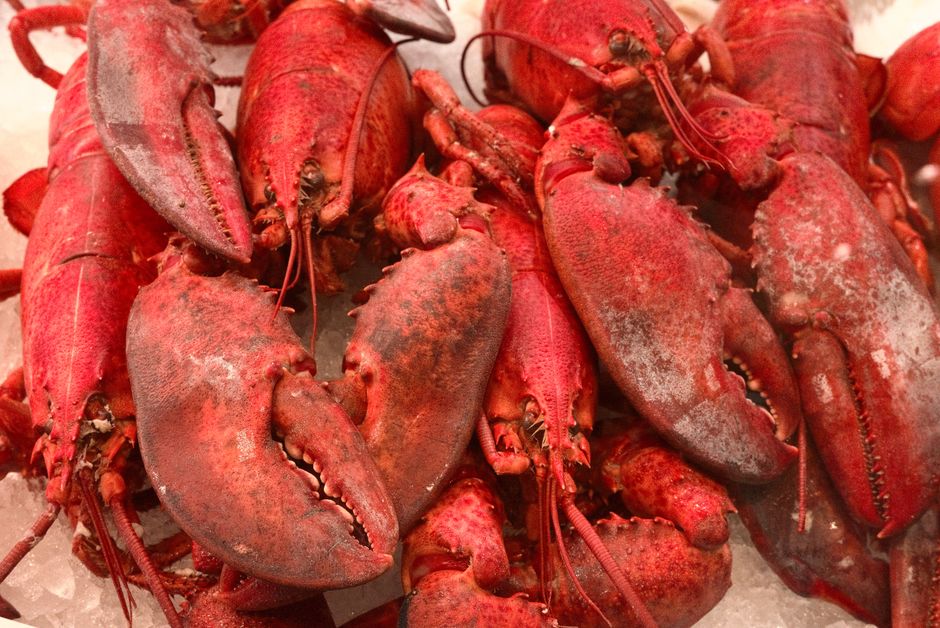
Today's lobster dinners command premium prices at upscale restaurants, but this wasn't always the case. For centuries, lobsters were so abundant along North American coastlines that they were considered poverty food, fed to prisoners, apprentices, and servants so frequently that some colonies actually passed laws limiting how often masters could serve them. This dramatic reversal in the lobster's fortunes reveals fascinating truths about changing tastes, economic shifts, and how scarcity can transform the unwanted into the luxurious. Discover the surprising history of lobsters prison food and explore how this bottom-dwelling crustacean crawled from disgrace to delicacy.

The transformation didn't happen overnight. It took advances in transportation, changes in food preservation, clever marketing, and a fundamental shift in how people perceived these sea creatures to elevate lobster from jailhouse staple to gourmet treasure.

Key Takeaways

  • Colonial-era lobsters were so plentiful along the Atlantic coast that they washed ashore in piles two feet high after storms, making them essentially free food for the poor.
  • Servants and indentured workers in Massachusetts reportedly negotiated contracts stipulating they wouldn't be fed lobster more than a few times per week.
  • Lobsters were ground up whole—shells and all—and served as a paste or mush, making them far less appetizing than today's carefully prepared tail and claw meat.
  • The development of canned lobster in the mid-1800s and railroad expansion helped transform lobster from local surplus to nationally marketed delicacy.
  • Overfishing and depleted stocks by the late 19th century created scarcity, which paradoxically increased lobster's prestige and price.
  • Modern lobster populations are carefully managed through size limits, seasonal restrictions, and trap regulations to maintain sustainable harvests.

The Abundance That Created Lobsters Prison Food Culture

In colonial New England, lobsters weren't just common—they were absurdly abundant. Early European settlers reported finding lobsters that weighed 20 pounds or more, and coastal waters teemed with them in numbers difficult to imagine today. Native American tribes had long used lobsters as fishing bait and fertilizer for crops, which tells you something about their perceived value.

The crustaceans could be gathered by hand at low tide or scooped up with simple nets. After storms, lobsters would pile up on beaches in windrows, free for the taking. This extreme abundance meant lobster became the protein of last resort, fed to people who had no other options. Prisoners, indentured servants, and enslaved people ate lobster regularly, not as a treat, but because it was the cheapest available protein.

Interesting trivia: the preparation methods of the era made lobster even less appealing. Rather than steaming whole lobsters and extracting the sweet meat from tails and claws, colonial cooks often ground up entire lobsters—shells, organs, and all—into a kind of protein paste. Imagine the texture and you'll understand why this was hardly considered fine dining.

When Workers Revolted Against Too Much Lobster

The sheer frequency with which lobster appeared on plates led to documented complaints. Servants and apprentices in Massachusetts Bay Colony reportedly included provisions in their work contracts limiting lobster meals to just two or three times per week. While the specific written contracts are difficult to verify today, the story reflects a well-documented sentiment: lobster was food for those who couldn't afford better.

This wasn't unique to Massachusetts. Similar attitudes prevailed throughout coastal communities where lobster was plentiful. The crustacean carried a social stigma. Eating lobster marked you as poor, as someone without the means to purchase beef, pork, or chicken. Wealthy colonists wouldn't serve lobster to guests, and feeding it to your family suggested financial hardship.

The amazing shift in perception required several factors to align. Lobster needed to become scarcer, preparation methods needed to improve, and cultural attitudes needed to change. All three would happen, but not for another century or more.

What Changed Lobster's Reputation

Several developments in the 19th century began lobster's climb up the social ladder. The invention of canning technology allowed lobster to be preserved and shipped inland, where people had never tasted it before. To these landlocked consumers, lobster was exotic and novel—not the tiresome staple it remained for coastal populations.

Railroad expansion in the 1850s and beyond made it possible to transport live lobsters to cities far from the ocean. Urban restaurants discovered they could charge premium prices for this "exotic" seafood. People who had never seen the ocean found lobster fascinating, and its unfamiliarity bred desirability.

Simultaneously, overfishing began depleting the massive lobster populations. By the late 1800s, the enormous specimens and endless supply had vanished. Scarcity transformed perception. What was once too common to value became rare enough to covet.

How Preparation Techniques Elevated the Lobster

Modern lobster preparation bears little resemblance to colonial methods. Today's diners enjoy carefully steamed or boiled lobsters, with meat extracted from the tail, claws, and knuckles. Butter sauces, seasonings, and elegant presentations make lobster visually and gastronomically appealing.

The shift from grinding whole lobsters into paste to serving pristine tail meat made an enormous difference. When you can see and taste the sweet, delicate meat—rather than consuming a gritty mixture of shell fragments and organs—the eating experience transforms entirely. Restaurants and cookbooks in the late 1800s began promoting refined lobster recipes, teaching people how to properly cook and serve the crustacean.

This culinary evolution happened alongside lobster's growing scarcity. The combination proved powerful: a newly rare ingredient prepared in newly appealing ways commanded newly high prices.

Modern Lobster: From Abundance to Careful Management

Today's lobster industry operates under strict regulations designed to prevent the kind of depletion that occurred in the late 19th century. Fisheries managers implement size restrictions, requiring lobsters to reach a minimum carapace length before harvest. This ensures lobsters can reproduce before being caught. Maximum size limits also exist in some areas to protect the largest, most productive breeding females.

Seasonal closures, trap limits, and gear requirements all aim to maintain sustainable populations. The Gulf of Maine and Canadian Maritime provinces, which produce most North American lobster, use science-based management to balance commercial fishing with conservation. These efforts have generally succeeded—lobster populations in well-managed areas remain relatively healthy, though they face new challenges from warming ocean temperatures.

Era Lobster Status Primary Consumers Typical Price Point
Colonial (1600s–1700s) Extremely abundant Poor, prisoners, servants Essentially free
Early Industrial (1800–1860) Still common Working class, coastal populations Very cheap
Gilded Age (1870–1900) Declining, becoming fashionable Urban middle and upper class Moderate to expensive
Modern (1950–present) Managed populations Affluent diners, special occasions Premium luxury item

Frequently Asked Questions

Why were lobsters considered poor people's food?

Lobsters were incredibly abundant in colonial North America, washing ashore in huge piles and easily gathered by hand. This extreme availability made them essentially worthless, relegating them to food for prisoners, servants, and those who couldn't afford better protein sources like beef or chicken.

When did lobster become expensive?

Lobster prices began rising in the mid-to-late 1800s as overfishing depleted populations and railroads made it possible to ship lobsters to inland cities where they were considered exotic. By the early 20th century, lobster had firmly established itself as a luxury food.

How big were colonial-era lobsters?

Historical accounts describe lobsters weighing 20 pounds or more, far larger than the typical one-to-two-pound lobsters common in today's catches. These giant specimens were possible because lobster populations were essentially unfished and could grow to their maximum size.

Are lobsters still fed to prisoners today?

No, modern prison food budgets make lobster prohibitively expensive. Today's inmates typically receive much cheaper protein sources, while lobster remains a premium menu item in restaurants and seafood markets, completely reversing its historical role as poverty food.

The lobster's journey from despised jailhouse fare to celebrated delicacy reminds us that value is often a matter of perception, scarcity, and presentation. Next time you crack open a lobster tail, consider that you're enjoying what colonial prisoners would have considered punishment—proof that one era's throwaway becomes another's treasure.