
By TrivBits, Staff Writer — Published September 9, 2026
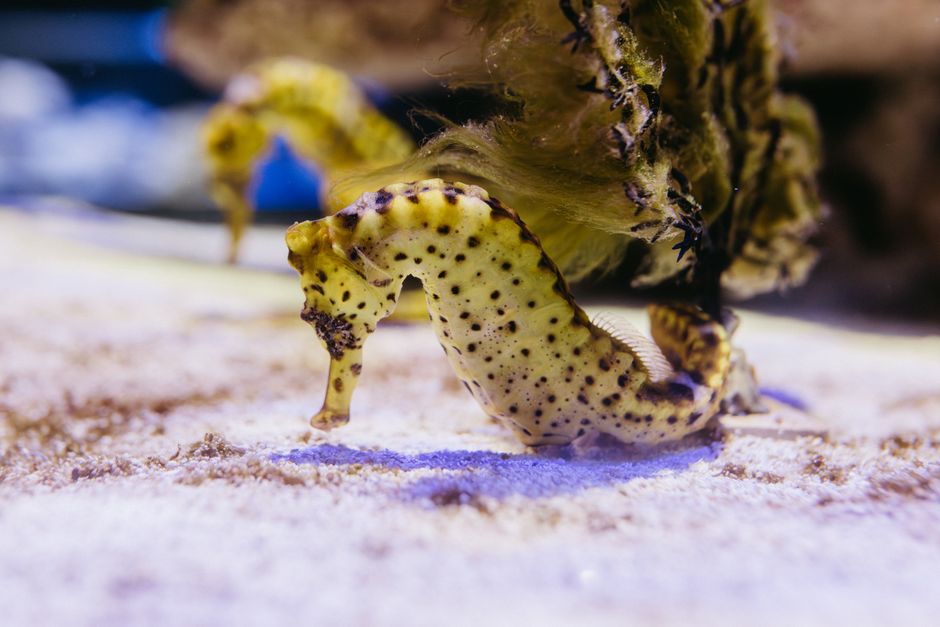
Table of Contents
- Key Takeaways
- Understanding Strange Male Seahorses and Their Unique Biology
- Why Did This Unusual System Evolve?
- Seahorse Conservation and Human Impact
- Frequently Asked Questions
- Sources
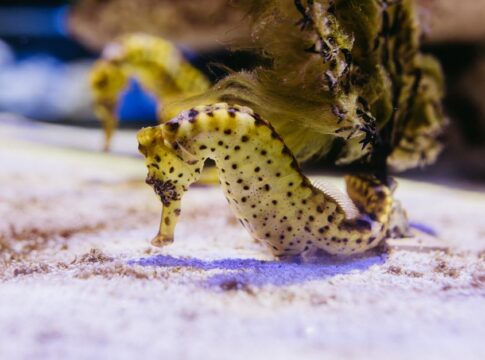
Did you know that male seahorses are the only males in the animal kingdom that truly get pregnant? This surprising biological twist has fascinated scientists and nature lovers for generations. When it comes to strange male seahorses, the facts are even more interesting than the myths. These tiny ocean dwellers have turned reproduction on its head, challenging everything we thought we knew about parental roles in nature.
The truth about seahorse pregnancy is stranger than fiction. These creatures have evolved one of the most unusual reproductive strategies on Earth, complete with specialized organs, hormonal changes, and genuine male pregnancy that rivals anything found in the animal world.
Key Takeaways
- Male seahorses possess a specialized brood pouch where embryos develop, making them the only truly pregnant males in nature
- The male undergoes hormonal changes similar to mammalian pregnancy, including producing prolactin
- A single pregnancy can produce anywhere from 5 to over 1,000 babies depending on the species
- The female transfers unfertilized eggs into the male’s pouch during an elaborate courtship dance
- Male seahorses experience contractions and labor-like birthing that can last up to 12 hours
- The brood pouch provides oxygen, nutrients, and waste removal for developing embryos
Understanding Strange Male Seahorses and Their Unique Biology
Seahorses belong to the genus Hippocampus, with roughly 45 known species swimming in coastal waters worldwide. What sets them apart isn’t just their horse-like heads or upright swimming posture. It’s their complete reversal of typical reproductive roles. While many animals show interesting parental care behaviors, seahorses take it to an extreme that exists nowhere else in nature.
The male seahorse’s brood pouch is a genuine reproductive organ. It’s not simply a protective pocket or carrying case. This specialized structure evolved over millions of years to create a controlled environment where embryos can develop safely. The pouch features complex tissue that interfaces directly with the developing young, providing everything they need to grow.
Scientists have discovered that this arrangement offers significant evolutionary advantages. The female can produce eggs more quickly when she doesn’t have to carry them to term. Meanwhile, the male’s body takes on the metabolically expensive task of gestation, allowing the pair to reproduce more frequently than if the female carried the young herself.
1. The Male Has a True Placenta-Like Connection
Inside the brood pouch, male seahorses develop tissue remarkably similar to a mammalian placenta. Blood vessels proliferate throughout the pouch lining, creating an interface between the father’s circulatory system and the developing embryos. This connection isn’t passive—it actively exchanges gases, transfers nutrients, and removes waste products. Research has shown that the pouch tissue regulates salt concentration, maintains optimal pH levels, and even provides immune protection to the growing babies. The male’s body essentially becomes a self-contained aquarium, carefully calibrated to support life. This level of physiological integration goes far beyond simple egg-guarding seen in other fish species.
2. Males Experience Genuine Hormonal Pregnancy Changes
The pregnancy isn’t just physical—it’s hormonal too. Male seahorses produce prolactin, the same hormone associated with pregnancy and nursing in mammals. Their bodies undergo measurable hormonal fluctuations throughout the gestation period, which typically lasts between 10 and 45 days depending on species and water temperature. These hormonal changes prepare the pouch tissue for embryo implantation, regulate the pouch environment, and eventually trigger labor. The male’s entire endocrine system shifts to support pregnancy, making this far more than carrying eggs in a pocket. It’s genuine male pregnancy, complete with all the biological complexity that entails.
3. The Courtship Dance Determines Reproductive Success
Before pregnancy occurs, seahorse pairs engage in an elaborate courtship ritual that can last for days. The male and female change colors, dance together, and spiral around each other in synchronized movements. This isn’t mere pageantry. The dance serves critical functions: it synchronizes their reproductive timing, strengthens pair bonding, and ensures both partners are physiologically ready for egg transfer. When the moment arrives, the female uses her ovipositor to deposit unfertilized eggs directly into the male’s pouch. He fertilizes them internally, and the pouch seals shut. The entire transfer takes only seconds, but those seconds represent the culmination of days of careful coordination.
4. Birth Involves Real Labor Contractions
When gestation completes, the male doesn’t simply open his pouch and let babies drift out. He goes into labor. Actual contractions ripple through his body as he pumps and flexes, forcing tiny seahorses out of the pouch opening. These contractions can last for hours—sometimes up to 12 hours for larger broods. The male anchors himself to seagrass or coral with his prehensile tail and bends backward repeatedly, each contraction expelling a few more babies. Watching a male seahorse give birth is witnessing genuine labor, complete with the exhaustion that follows. After delivery, the male often rests, depleted from the physical ordeal.
5. Brood Size Varies Wildly Across Species
The number of babies a male seahorse carries depends dramatically on his species and size. Smaller species might nurture only 5 to 50 young per pregnancy, while larger species can carry over 1,000 embryos simultaneously. The dwarf seahorse produces relatively small broods, while the pot-bellied seahorse can gestate hundreds at once. This variation reflects different evolutionary strategies: smaller broods often mean more developed, better-prepared babies, while larger broods play a numbers game, hoping some survive despite being smaller and more vulnerable at birth. The male’s pouch physically expands during pregnancy, sometimes grotesquely so, to accommodate the growing brood.
6. Males Can Get Pregnant Immediately After Giving Birth
Perhaps most surprising is the rapid turnover. A male seahorse can become pregnant again within hours of giving birth. The female often waits nearby during labor, ready to transfer a new batch of eggs as soon as the pouch is empty. This reproductive efficiency means seahorse pairs can produce multiple broods during a single breeding season. Some species may complete several pregnancy cycles in quick succession, maximizing their reproductive output during favorable conditions. The male’s body recovers quickly, the pouch tissue regenerates, and the cycle begins anew. This efficiency helps offset the seahorse’s relatively low survival rates in the wild.
7. The Pregnancy Serves an Osmoregulatory Function
One of the most scientifically interesting aspects of male seahorse pregnancy involves salt regulation. Seahorse babies must transition from the pouch environment to open seawater at birth. The father’s pouch gradually adjusts its salinity throughout pregnancy, starting closer to his body’s internal salt concentration and slowly increasing to match the surrounding ocean. By birth, the babies have been acclimated to seawater conditions, improving their survival chances. This osmoregulatory preparation is sophisticated and deliberate, requiring precise physiological control. The male’s body essentially pre-adapts his offspring to their future environment before they’re even born—a remarkable example of parental investment.
Why Did This Unusual System Evolve?
Scientists have proposed several theories about why seahorses evolved male pregnancy. One leading hypothesis suggests it allows for greater reproductive output. The female can invest energy in producing more eggs while the male gestates the previous batch. This division of labor may allow seahorse pairs to produce more offspring over time than if the female handled both egg production and gestation.
Another factor may be the seahorse’s sedentary lifestyle. These fish aren’t strong swimmers—they spend most of their time anchored to seagrass or coral. Having the male carry the developing young might reduce predation risk, as pregnant females in other species often become more vulnerable. The male’s pouch provides excellent protection in a world full of hungry predators.
Environmental control also matters. The pouch gives the male precise regulation over the embryonic environment, potentially increasing survival rates compared to eggs scattered in open water or attached to plants where conditions fluctuate wildly.
Seahorse Conservation and Human Impact
Understanding seahorse reproduction matters beyond pure trivia. Many seahorse species face conservation challenges. Habitat loss, pollution, and collection for traditional medicine and aquarium trade have depleted wild populations. Their unusual reproductive strategy, while efficient, also makes them vulnerable. Seahorses are slow-growing, have small home ranges, and often mate for life. Disrupting breeding pairs can have lasting population impacts.
| Conservation Status | Number of Species | Primary Threats |
|---|---|---|
| Vulnerable or Endangered | Approximately 14 | Habitat destruction, bycatch, trade |
| Data Deficient | Approximately 17 | Insufficient population data |
| Least Concern | Approximately 14 | Varies by location |
Conservation efforts now focus on protecting seagrass beds and mangrove habitats where seahorses thrive. Some organizations have launched captive breeding programs, though replicating natural conditions proves challenging. The male’s complex pregnancy requirements make seahorses difficult to breed in captivity without careful environmental control.
Frequently Asked Questions
Can female seahorses ever carry babies?
No, female seahorses never carry developing embryos. They produce the eggs and transfer them to the male’s pouch, where all gestation occurs. The female’s role ends after egg transfer, though many species maintain pair bonds and the female may stay near the pregnant male. Only the male has the specialized brood pouch necessary for embryo development.
How long does seahorse pregnancy last?
Seahorse pregnancy duration varies by species and water temperature, typically ranging from 10 to 45 days. Warmer water generally speeds development, while cooler temperatures extend gestation. Smaller species tend to have shorter pregnancies, while larger seahorses may carry their young for over a month. Temperature fluctuations can significantly affect timing.
Do seahorse babies receive parental care after birth?
No, seahorse babies are independent immediately after birth. They receive no parental care or protection once they leave the pouch. The tiny seahorses must immediately fend for themselves, finding food and avoiding predators. This lack of post-birth care is why seahorses produce large numbers of offspring—only a small percentage typically survive to adulthood in wild conditions.
Are seahorses the only fish where males get pregnant?
Seahorses, along with their relatives the pipefish and sea dragons, are the only fish where males truly get pregnant with specialized brood pouches. While some other fish species show male egg-guarding or mouth-brooding, only the Syngnathidae family has evolved genuine male pregnancy with placenta-like tissue and internal gestation. This makes them unique among all fish species.