
By TrivBits, Staff Writer — Published September 2, 2026
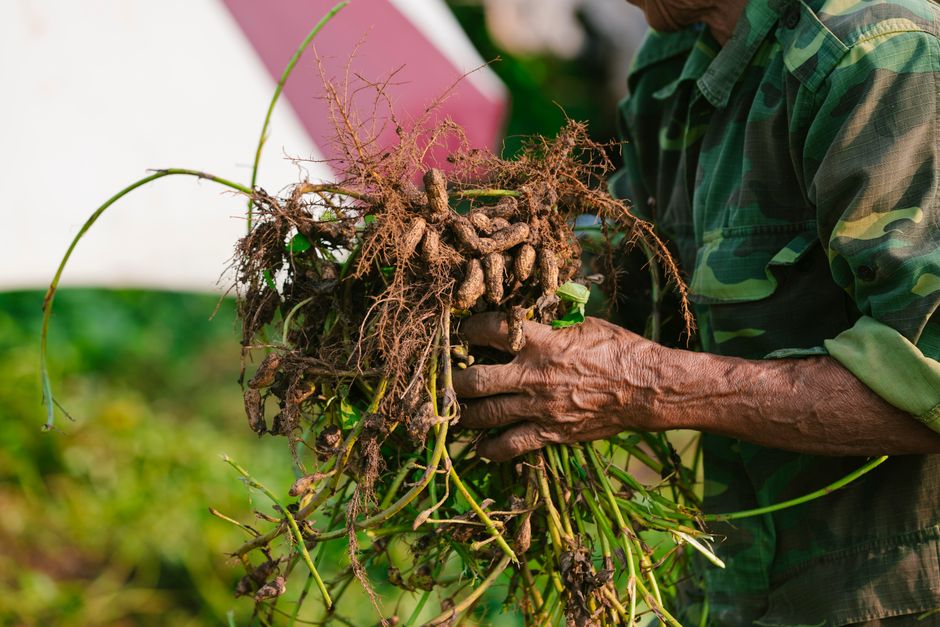
Table of Contents
- Key Takeaways
- The Self-Burying Mystery of Bizarre Peanuts Growing
- Why Peanuts Aren’t Actually Nuts
- The Soil Requirements That Seem Impossible
- How Farmers Harvest What They Cannot See
- The Pod Architecture Built for Burial
- The Flower Timing That Defies Logic
- The Geographic Origins That Surprise Everyone
- Frequently Asked Questions
- Sources
Most people know peanuts come from the ground, but the story of how they get there is far stranger than you might imagine. These legumes have one of the most unusual growing processes in the plant kingdom, and the bizarre facts about peanuts growing underground reveal a world of botanical oddities that challenge everything we think we know about crops. Did you know that peanuts literally bury themselves? The truth behind their subterranean lifestyle is packed with surprising twists.
From flowers that perform acrobatic feats to seeds that refuse to sprout above ground, peanuts are nature’s rebels. Let’s explore the fascinating, sometimes downright weird truths about how these beloved snacks develop beneath our feet.
Key Takeaways
- Peanuts are not true nuts but legumes related to beans and lentils, growing in pods underground
- After pollination, peanut flowers physically bend down and drill their developing pods into the soil
- The plant performs a unique botanical trick called geocarpy, literally meaning “earth fruit”
- Peanuts require loose, sandy soil because their pods must physically push into the ground to develop
- Each peanut plant can produce 25 to 50 pods, all buried several inches below the surface
- The underground growing process protects peanuts from pests and extreme temperature fluctuations
The Self-Burying Mystery of Bizarre Peanuts Growing
Here’s where things get truly interesting. Peanut plants don’t simply drop seeds that burrow down. Instead, they perform an elaborate botanical gymnastics routine. The plant blooms with small yellow flowers above ground, just like most flowering plants. But after pollination, something extraordinary happens.
The flower wilts and the stem—called a peg—begins to grow. This peg elongates and curves downward, responding to gravity in a process scientists call gravitropism. Over several days, the peg actively drills itself into the soil, carrying the fertilized ovary with it. Once buried two to three inches deep, the ovary swells and matures into the peanut pod we recognize. Without this burial, the peanut simply won’t develop properly.
This self-burying behavior is so unusual that only a handful of plant species worldwide exhibit it. The peanut essentially plants its own offspring, a survival strategy that evolved to protect developing seeds from surface threats.
Why Peanuts Aren’t Actually Nuts
Despite their name, peanuts are legumes. They’re botanical cousins to peas, beans, and lentils—not almonds, walnuts, or cashews. True nuts grow on trees and develop from a hard shell that doesn’t split open naturally. Think acorns or hazelnuts.
Legumes, on the other hand, grow in pods that split along seams when mature. Open a peanut shell and you’ll see the telltale legume structure: a pod containing seeds. The confusion stems from culinary tradition rather than botanical accuracy. We call them nuts because we eat them like nuts, roasted and salted as snacks. But their underground pod growth and plant family definitively place them in the legume category.
This distinction matters for people with allergies. Peanut allergies are chemically different from tree nut allergies because the proteins involved come from entirely different plant families.
The Soil Requirements That Seem Impossible
Peanut farming requires remarkably specific conditions. The soil must be loose and friable—sandy or loamy—because those pegs need to physically penetrate the earth. Clay soil or compacted ground will stop the pegs from entering, and the crop simply fails.
Farmers must also maintain precise moisture levels. Too wet, and the pods rot underground. Too dry, and the pegs can’t penetrate or the developing peanuts shrivel. The soil temperature must stay above 65 degrees Fahrenheit for proper germination and growth. These exacting requirements explain why peanut cultivation concentrates in specific geographic regions with warm climates and well-drained soils.
The southeastern United States, parts of Africa, China, and India dominate global peanut production precisely because their soils and climates meet these narrow specifications. Farmers in these regions often rotate peanuts with cotton or corn to maintain soil health, since peanuts—like all legumes—actually enrich soil by fixing atmospheric nitrogen.
How Farmers Harvest What They Cannot See
Harvesting peanuts presents a unique agricultural challenge. The entire crop is hidden underground, making it impossible to judge ripeness by looking at the plant. Farmers must rely on timing, experience, and sometimes invasive sampling—literally digging up test pods to check maturity.
Modern peanut harvesting uses specialized machinery that performs a two-step process. First, a digger blade runs beneath the soil, cutting the taproot and lifting the entire plant. The machine inverts the plant, shaking loose soil and leaving peanut-laden vines in windrows on the field surface. The pods must then dry for several days before a second machine—a combine or picker—separates the peanuts from the vines.
This process requires dry weather. Rain during harvest can ruin an entire crop, causing pods to rot or mold before they’re collected. The invisible, underground nature of the crop means farmers are essentially gambling on weather conditions for several critical days each season.
The Pod Architecture Built for Burial
Peanut pods have a distinctive netted, wrinkled texture that serves a specific purpose. That rough exterior isn’t just decorative—it’s engineered for underground life. The reticulated shell provides structural strength while remaining lightweight, preventing collapse under soil pressure.
Inside, the shell contains typically two (sometimes one, three, or four) seeds surrounded by a papery red or brown skin. This skin contains antioxidants and tannins that protect the seed from soil pathogens and fungal infections. The shell itself is semi-permeable, allowing gas exchange while blocking most bacteria and fungi.
Interestingly, peanuts continue to respire—breathe—even after harvest. Improper storage in humid conditions can lead to aflatoxin contamination, a dangerous mold that thrives on peanuts. The underground growing environment actually provides natural protection against many pests, but it creates vulnerability to specific soil-borne fungi that have adapted to attack buried seeds.
The Flower Timing That Defies Logic
A single peanut plant produces flowers continuously over weeks or even months, rather than blooming all at once. This staggered flowering means a single plant simultaneously has flowers being pollinated above ground, pegs drilling downward, and mature pods ripening below the surface.
This unusual timing creates a harvesting dilemma. Some pods might be perfectly mature while others on the same plant are still developing. Farmers must choose an optimal harvest window that maximizes yield, knowing they’ll inevitably collect some immature pods and leave some over-mature ones.
The flowers themselves are self-pollinating, meaning each blossom can fertilize itself without insect assistance. However, the flower is only receptive for a single day. If pollination doesn’t occur within that narrow window, the flower drops off and produces nothing. This explains why peanut plants produce so many blooms—it’s a numbers game, with the plant hedging its bets across dozens of flowers to ensure adequate pod production.
The Geographic Origins That Surprise Everyone
Peanuts are not native to Africa or North America, despite their agricultural importance in both regions. They originated in South America, likely in the foothills of the Andes in what is now Bolivia or Peru. Archaeological evidence suggests indigenous peoples cultivated peanuts over 7,500 years ago.
Spanish and Portuguese explorers encountered peanuts in the 16th century and transported them globally. The plants thrived in West Africa, where they became a dietary staple. During the tragic transatlantic slave trade, peanuts traveled back across the Atlantic to North America, where enslaved Africans recognized and cultivated them.
For centuries, Americans considered peanuts food for livestock and the poor. Only in the late 19th and early 20th centuries did peanuts gain respectability as human food, thanks partly to agricultural scientist George Washington Carver, who promoted peanuts as a nitrogen-fixing crop to restore soil depleted by cotton cultivation. Today, Americans consume over 1.5 billion pounds of peanut butter annually, a complete reversal of the peanut’s humble American beginnings.
Frequently Asked Questions
Do peanuts grow on trees or bushes?
Peanuts grow on low, bushy plants that reach about 18 inches tall. They’re neither trees nor true bushes, but herbaceous annual plants. The peanuts themselves develop entirely underground after the plant’s flowers self-pollinate and send stems called pegs into the soil. The above-ground portion looks like a small, sprawling green shrub with oval leaves.
Can you grow peanuts in your backyard garden?
Yes, you can grow peanuts in home gardens if you have the right conditions. You’ll need loose, sandy or loamy soil, full sun, a frost-free growing season of about 120 to 150 days, and consistent warm temperatures. Peanuts won’t tolerate clay soil or compacted earth because the pegs cannot penetrate hard ground. Container growing is possible with deep pots filled with appropriate soil mix.
Why do peanuts grow underground instead of above ground like other legumes?
Peanuts evolved geocarpy—underground fruiting—as a survival adaptation. Growing below the surface protects developing seeds from herbivores, extreme temperature swings, and desiccation in their native South American habitat. While most legumes produce pods above ground, peanuts sacrifice easy seed dispersal for enhanced protection. This unusual strategy proved so successful that peanuts thrived and spread globally through human cultivation.
How deep underground do peanuts grow?
Peanut pods typically develop two to three inches below the soil surface. The peg must penetrate to this depth for proper pod formation. If soil is too compacted or shallow, pegs cannot reach adequate depth and pods fail to develop. Farmers prepare fields by loosening soil to at least six inches deep, ensuring pegs can penetrate easily and pods have room to expand without restriction.
The next time you crack open a peanut shell, remember the botanical acrobatics that put it there. These humble legumes perform one of nature’s strangest growing processes, burying themselves alive to protect the next generation. It’s a reminder that even the most ordinary foods can hide extraordinary stories beneath the surface.