
By TrivBits, Staff Writer — Published October 9, 2026
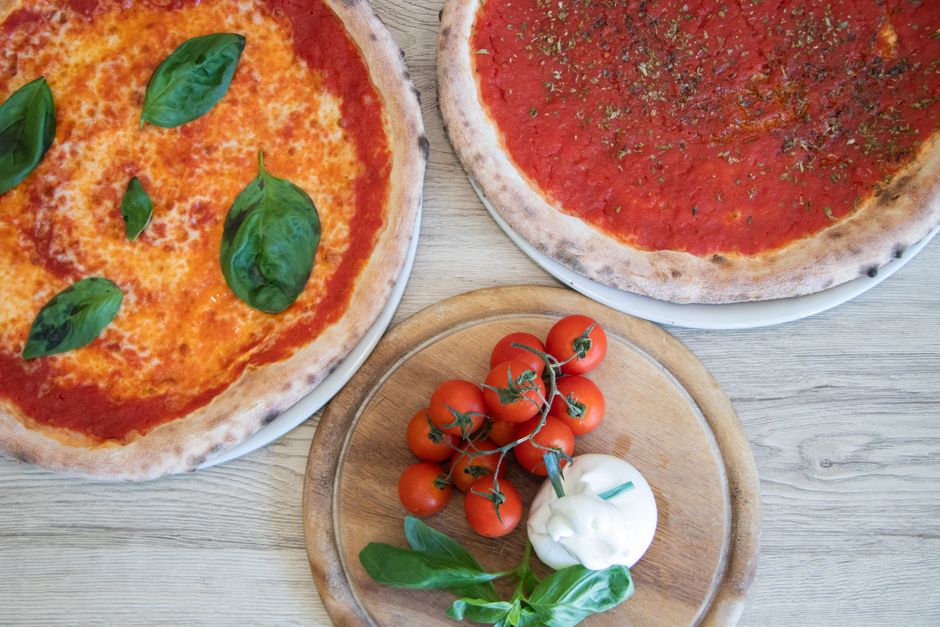
Table of Contents
- Key Takeaways
- The Margherita Pizza Colors and Their Symbolic Origins
- The Three Elements That Define Margherita Pizza
- Separating Historical Facts From Culinary Myths
- How the Color Story Changed Pizza’s Cultural Status
- Frequently Asked Questions
- Sources
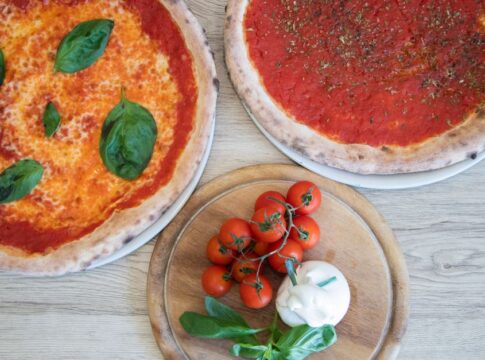
Did you know that one of the world’s most beloved pizzas might owe its fame to a royal visit and a patriotic gesture? The margherita pizza colors—vibrant red tomatoes, pristine white mozzarella, and fresh green basil—mirror the Italian flag so perfectly that the connection seems intentional. This surprising trivia has captivated food historians and pizza lovers for generations, though the truth behind the story is more nuanced than most people realize.
The tale of how this simple Neapolitan flatbread became a national symbol involves Queen Margherita, a clever pizzaiolo, and a dose of marketing genius. Whether the flag connection was deliberate or fortuitous remains one of food history’s most interesting debates.
Key Takeaways
- The margherita pizza features red tomatoes, white mozzarella, and green basil that match the Italian tricolor flag
- The pizza was allegedly created in 1889 for Queen Margherita of Savoy during her visit to Naples
- Pizza maker Raffaele Esposito is credited with naming the pizza after the queen
- The patriotic color story helped transform a peasant food into a national treasure
- Historians debate whether the flag symbolism was intentional or a clever marketing myth
- The margherita remains the standard by which pizzerias worldwide are judged
The Margherita Pizza Colors and Their Symbolic Origins
The story begins in 1889 when King Umberto I and Queen Margherita of Savoy visited Naples. According to popular accounts, the royal couple wanted to sample the local specialty that common Neapolitans adored: pizza. This was revolutionary. Pizza was street food, peasant fare, something the aristocracy typically avoided.
Raffaele Esposito, who ran the pizzeria Pietro il Pizzaiolo, received the honor of serving the queen. He prepared three different pizzas for her consideration. The queen’s favorite featured tomatoes, mozzarella, and basil—the simplest of the three. Esposito, recognizing both a culinary triumph and a marketing opportunity, named it Pizza Margherita in her honor.
The colors were perfect. Red, white, and green had been the Italian national colors since unification in 1861, just 28 years earlier. Whether Esposito deliberately chose these toppings to evoke patriotic sentiment or whether people later noticed the convenient coincidence remains a fascinating question. What’s undeniable is that the association helped elevate pizza from street food to something worth celebrating.
The Three Elements That Define Margherita Pizza
1. Red Tomatoes: The Foundation of Flavor
Tomatoes represent the red stripe of the Italian flag and provide the acidic, sweet foundation that defines the margherita. Interestingly, tomatoes were relative newcomers to Italian cuisine in 1889, having arrived from the Americas only a few centuries earlier. Initially regarded with suspicion—they’re part of the nightshade family—tomatoes eventually became central to Neapolitan cooking. The best margherita pizzas use San Marzano tomatoes grown in volcanic soil near Mount Vesuvius, prized for their low acidity and intense flavor. These tomatoes are typically hand-crushed or pureed, never cooked into a thick sauce before being spread on the dough. The heat of the pizza oven does all the cooking needed, concentrating the tomato’s natural sweetness while maintaining its fresh character.
2. White Mozzarella: The Creamy Centerpiece
The white stripe finds its culinary equivalent in mozzarella di bufala, traditionally made from the milk of water buffalo in the Campania region. This cheese melts beautifully without becoming greasy, creating creamy pockets that contrast with the tomato’s acidity. Fresh mozzarella contains significant moisture, which is why authentic pizzaioli tear it into pieces rather than shredding it, allowing the pizza to cook properly without becoming soggy. The cheese should be applied sparingly—a common mistake is overloading the pizza. When done correctly, you see patches of red tomato sauce between white cheese pools, maintaining the visual balance that makes the margherita so striking. The mozzarella’s mild, milky flavor doesn’t compete with other ingredients; instead, it provides a cooling counterpoint to the tomatoes.
3. Green Basil: The Aromatic Finish
Fresh basil leaves complete the tricolor, adding a peppery, slightly sweet aroma that’s essential to the margherita’s identity. The basil is almost always added after baking or in the final moments in the oven, preserving its vibrant green color and preventing it from turning black and bitter. This herb has deep roots in Italian cuisine, symbolizing love in some traditions and protection in others. The basil’s volatile oils are heat-sensitive, which is why timing matters so much. When you bite into a proper margherita, you should taste the basil’s fresh, almost minty quality as a distinct layer of flavor. Some pizzaioli add whole leaves, while others tear them, but the goal remains the same: a burst of green that catches your eye before the aroma reaches your nose.
Separating Historical Facts From Culinary Myths
The romantic story of Queen Margherita and her patriotic pizza faces skepticism from food historians. No contemporary newspaper accounts from 1889 mention the royal pizza tasting. The earliest written references to the story appear decades later, raising questions about its authenticity.
Some researchers argue that pizza with tomatoes, mozzarella, and basil existed before 1889. The combination was natural for Neapolitan cooks who had access to all three ingredients. The genius wasn’t in inventing the recipe—it was in the branding. Attaching a queen’s name to peasant food transformed its cultural status overnight.
A letter allegedly written by the royal household thanking Esposito surfaced as evidence, but its authenticity has been questioned. Real or fabricated, the story accomplished something remarkable: it gave pizza a narrative that transcended its humble origins. The flag symbolism, whether intentional or coincidental, proved irresistible to a young nation still forging its identity.
How the Color Story Changed Pizza’s Cultural Status
Before the margherita legend, pizza was food for the poor. Naples was crowded, dirty, and impoverished in the late 19th century. Street vendors sold pizza to workers who couldn’t afford elaborate meals. The nobility wouldn’t have considered eating it.
The association with Queen Margherita changed everything. Suddenly pizza wasn’t just acceptable—it was patriotic. The flag colors gave Italians a culinary symbol of national unity. When Italian immigrants brought pizza to America and beyond, they carried this story with them, helping pizza gain acceptance in new lands.
Today, pizzaioli in Naples protect the margherita’s integrity through the Associazione Verace Pizza Napoletana, which certifies authentic Neapolitan pizza. The specifications are exacting: the dough must be hand-stretched, never rolled; the oven must be wood-fired and reach specific temperatures; the cooking time should not exceed 90 seconds. These rules preserve not just a recipe but a tradition tied to Italian identity.
Frequently Asked Questions
Did Queen Margherita really inspire the pizza’s name?
The story is widely repeated but historically uncertain. While Raffaele Esposito likely did serve pizza to the queen in 1889, contemporary documentation is scarce. The tale may have been embellished or even invented as marketing, but it became so embedded in pizza lore that it’s now inseparable from the margherita’s identity. True or not, the story succeeded in elevating pizza’s cultural status.
Were the Italian flag colors deliberately chosen for the pizza?
This remains debatable. The combination of tomatoes, mozzarella, and basil was likely common in Naples before 1889, suggesting the color match might be coincidental. However, Esposito may have recognized the patriotic symbolism and emphasized it when presenting the pizza to royalty. The truth probably lies somewhere between deliberate design and fortunate accident seized upon for its marketing potential.
Why is the margherita considered the test of a good pizzeria?
With only three main toppings, the margherita offers nowhere to hide. Poor dough, inferior ingredients, or improper technique become immediately obvious. A pizzeria that makes an excellent margherita demonstrates mastery of fundamentals: dough fermentation, oven temperature control, ingredient quality, and proper balance. It’s the pizza world’s equivalent of a chef’s omelet—simple in concept, difficult to perfect.
Can you make authentic margherita pizza without a wood-fired oven?
While traditional Neapolitan margherita requires a wood-fired oven reaching around 800°F for that characteristic leopard-spotted crust and 90-second cooking time, home cooks can approximate the results. A pizza stone or steel in a home oven set to maximum temperature produces good results, though the texture and char won’t perfectly match the wood-fired original. The key is high heat and proper ingredient quality.