






⏱️ 6 min read
From throwing tomatoes in Spain to celebrating pickled herring in Scandinavia, the world's food festivals showcase humanity's endless creativity and cultural diversity. While many culinary celebrations focus on refined gastronomy, some of the most memorable festivals embrace the bizarre, the unconventional, and the downright peculiar. These extraordinary events transform unusual foods and eating traditions into major community celebrations that attract curious travelers from around the globe.
A Global Tour of Culinary Curiosities
1. La Tomatina: Spain's Epic Tomato Battle
Held annually in the small town of Buñol, Spain, La Tomatina transforms quiet streets into rivers of red pulp as over 20,000 participants hurl approximately 150,000 tomatoes at each other. This messy celebration occurs on the last Wednesday of August and has no religious or political significance—it simply began as a spontaneous food fight among friends in 1945. The festival follows strict rules: tomatoes must be squashed before throwing to avoid injuries, and the chaos ends precisely when a water cannon signals the conclusion. What makes this event particularly strange is that perfectly good produce is used purely for entertainment, creating a spectacular crimson battlefield that takes hours to clean.
2. World's Biggest Breakfast Table in Germany
The city of Hannover hosts an extraordinary morning feast where a single breakfast table stretches over 12 miles through the city streets. More than 20,000 participants gather each June, bringing their own dishes to share while seated at this impossibly long communal table. The event features traditional German breakfast items including breads, cheeses, meats, and preserves, transforming urban thoroughfares into intimate dining rooms. What distinguishes this festival is its emphasis on community connection and the surreal visual of thousands sharing breakfast in a continuous line that weaves through an entire metropolitan area.
3. Monkey Buffet Festival in Thailand
Lopburi, Thailand, dedicates an entire festival to feeding the local macaque monkey population with elaborate banquets featuring over 4,000 kilograms of fruits, vegetables, and treats. Held annually in November, this event honors the monkeys believed to bring good fortune to the region. Organizers arrange pyramids of tropical fruits, noodle dishes, and even ice cream into artistic displays before hundreds of monkeys descend to feast. The spectacle includes monkeys in costumes and the chaotic energy of primates scrambling over elaborate food presentations, creating scenes that blur the line between wildlife documentary and culinary theater.
4. Roadkill Cook-Off in West Virginia
The small town of Marlinton, West Virginia, hosts an annual competition where chefs create gourmet dishes from animals killed on roadways. This September event began as a humorous take on Appalachian resourcefulness but has evolved into a serious culinary competition featuring dishes like teriyaki marinated bear and squirrel gravy. While actual roadkill isn't used due to health regulations—participants must source meat legally—the festival celebrates the region's hunting traditions and waste-not philosophy. The event includes cook-offs, bluegrass music, and craft vendors, making it a comprehensive celebration of mountain culture centered around an undeniably unusual culinary premise.
5. The Casu Marzu Festival in Sardinia
Sardinia's controversial cheese festival celebrates casu marzu, a sheep milk cheese deliberately infested with live insect larvae that break down the cheese's fats. This traditional delicacy, banned by EU food safety regulations yet protected as cultural heritage, features prominently in underground festivals where locals gather to taste this "maggot cheese." The larvae can launch themselves up to six inches when disturbed, prompting diners to shield their eyes while eating. These clandestine celebrations preserve an ancient cheesemaking tradition that many consider revolting but that Sardinians defend as an irreplaceable part of their culinary identity.
6. Boryeong Mud Festival with Seafood Integration
While primarily known as a mud festival, South Korea's Boryeong event incorporates bizarre food elements including mud-flavored ice cream, mudfish catching competitions, and seafood dishes prepared with mineral-rich mud from the region's coastal flats. This July celebration attracts millions who coat themselves in nutrient-dense mud believed to have cosmetic benefits, then enjoy seafood prepared using traditional mud-baking techniques. The combination of spa-like mud treatments with culinary applications creates a uniquely multisensory experience where food, wellness, and spectacle merge in unexpected ways.
7. The Waikiki Spam Jam in Hawaii
Hawaii's passionate love affair with canned meat reaches its apex at the annual Waikiki Spam Jam, where restaurants compete to create the most inventive dishes using this processed pork product. The April street festival celebrates Hawaii's unique relationship with Spam, introduced during World War II and now consumed at higher rates than anywhere else in America. Festival offerings include Spam musubi, Spam tacos, Spam donuts, and even Spam ice cream. This celebration of a product most consider mundane pantry staple demonstrates how cultural context transforms perception, making canned meat the star of a major food festival.
8. Gloucestershire Cheese Rolling Race
Cooper's Hill in Gloucestershire, England, hosts an annual event where participants chase a 7-pound wheel of Double Gloucester cheese down an extremely steep hill, reaching speeds of 70 miles per hour. This May tradition, dating back centuries, results in numerous injuries as competitors tumble, roll, and crash their way downhill in pursuit of dairy. The cheese itself almost always wins, crossing the finish line first, making this less a culinary celebration than an extreme sport with edible equipment. Medical staff stand ready to treat sprained ankles, broken bones, and concussions, yet participants return year after year for the glory of catching the cheese.
9. Night of the Radishes in Oaxaca, Mexico
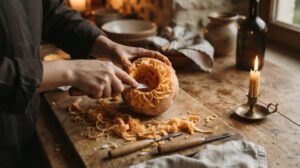
Every December 23rd, Oaxaca transforms oversized radishes into elaborate sculptures depicting nativity scenes, historical figures, and cultural icons during La Noche de los Rábanos. Farmers grow radishes specifically for carving, allowing them to reach enormous sizes and develop twisted, grotesque shapes perfect for artistic manipulation. Winners receive cash prizes, and the event draws thousands who admire these ephemeral vegetable artworks before they wilt. The festival combines pre-Hispanic agricultural traditions with Catholic Christmas celebrations, creating a unique cultural synthesis expressed through root vegetable sculpture.
10. Lopburi's Cobra Blood Drinking Festival
In certain regions of Southeast Asia, festivals feature the controversial practice of drinking fresh cobra blood mixed with alcohol, believed to enhance vitality and masculine strength. Vendors extract blood from live snakes before mixing it with whiskey or rice wine for immediate consumption. These events, often combined with snake meat barbecues and traditional medicine markets, attract both believers in the health benefits and curious tourists seeking extreme culinary experiences. The practice raises ethical concerns about animal welfare while representing deeply rooted cultural beliefs about the medicinal properties of exotic ingredients.
Celebrating Culinary Diversity in All Its Strange Glory
These ten festivals demonstrate that food celebrations extend far beyond refined dining and agricultural abundance. They reveal how communities use unusual foods, bizarre traditions, and sometimes shocking practices to express cultural identity, honor history, and bring people together. Whether throwing tomatoes, carving radishes, or chasing cheese down dangerous hills, these events remind us that culinary culture embraces the weird, the wonderful, and the occasionally bewildering. They challenge our assumptions about what food festivals should be, proving that celebration takes infinite forms across our diverse world.