











1 / 10 Questions
0 Points

What Type Of Fish Is Nemo?

Angelfish

Damselfish

Clownfish

Butterfly Fish

Points won
0
Correct score
0%

More Questions

More Articles

Did You Know These Snacks Are Only Popular in Certain Countries?

Did You Know These Snacks Are Only Popular in Certain Countries?

⏱️ 5 min read

The world of snacks is far more diverse and regionally specific than most people realize. While some treats have achieved global recognition, countless beloved snacks remain confined to their countries of origin, creating unique culinary identities that surprise international travelers. These regional favorites often reflect local tastes, cultural traditions, and ingredient availability, offering fascinating insights into different food cultures around the globe.

The Phenomenon of Regional Snack Preferences

Food companies have long understood that snack preferences vary dramatically across borders. What appeals to consumers in one country may seem unusual or even unappetizing in another. This regionalization occurs due to various factors including cultural history, local ingredient availability, climate, and established flavor profiles that develop over generations. Many multinational corporations create entirely different product lines for specific markets, while local manufacturers thrive by catering to tastes that outsiders might find peculiar.

Japanese Snacks: Beyond Pocky and Kit Kats

Japan's snack culture extends far beyond its internationally recognized treats. Natto-flavored rice crackers, for instance, remain almost exclusively popular within Japan despite the country's fermented soybean dish being a daily staple for millions. The strong, acquired taste and distinctive aroma make these crackers a hard sell internationally, yet they occupy significant shelf space in Japanese convenience stores.

Konpeito, traditional Japanese sugar candies with a crystalline structure, have been produced since the 16th century but remain relatively unknown outside Japan and a few Asian countries. These colorful, star-shaped candies hold cultural significance in Japanese tea ceremonies and celebrations, demonstrating how snacks can be deeply intertwined with local customs.

European Exclusives: Salty Licorice and Beyond

Scandinavia's obsession with salty licorice, known as "salmiak," puzzles outsiders who encounter it for the first time. This intensely flavored treat, containing ammonium chloride, dominates candy aisles in Denmark, Sweden, Finland, and the Netherlands. Varieties range from moderately salty to extremely intense, with brands like Djungelvrål and Tyrkisk Peber achieving cult status in their home countries while remaining virtually unknown elsewhere.

The United Kingdom's love affair with Marmite-flavored snacks represents another regional peculiarity. While the yeast extract spread itself divides British consumers, Marmite-flavored crisps, cashews, and rice cakes enjoy steady popularity domestically but rarely venture beyond Commonwealth countries. The umami-rich, intensely savory flavor profile doesn't translate well to markets unfamiliar with the original product.

North American Regional Favorites

Canada's ketchup-flavored chips represent a distinctly Canadian phenomenon that bewilders American neighbors despite the countries' geographical proximity and cultural similarities. These tangy, tomato-flavored crisps have been a Canadian staple since the 1970s, yet they've never gained significant traction in the United States, where ranch and sour cream flavors dominate.

Conversely, certain American snacks remain predominantly domestic affairs. Circus peanuts, those orange marshmallow candies with artificial banana flavor, perplex international visitors but maintain a loyal American following. Combos, pretzel or cracker shells filled with cheese or pizza-flavored centers, similarly remain an American convenience store staple with minimal international presence.

Latin American Snacking Traditions

Mexico's extensive array of chili-covered snacks represents a flavor intensity level that doesn't translate directly to many other markets. Products like Pulparindo, a tamarind candy coated with chili powder, and Rockaleta, multi-layered lollipops combining sweet, sour, and spicy elements, exemplify the Mexican palate's appreciation for complex, bold flavors. These treats remain primarily popular in Mexico and among Mexican diaspora communities.

Argentinian alfajores, while known in neighboring South American countries, rarely appear outside the continent despite their delicious combination of cookies, dulce de leche, and chocolate coating. The snack's delicate texture and need for careful storage have limited its international expansion, keeping it a regional treasure.

Australian and New Zealand Specialties

Tim Tams hold an almost sacred status in Australian snack culture, yet these chocolate-coated biscuits remain relatively niche products in most international markets. While available in some specialty stores worldwide, they lack the widespread recognition they enjoy domestically, where the "Tim Tam Slam" drinking ritual has become part of national identity.

New Zealand's Pineapple Lumps, chewy pineapple-flavored confections covered in chocolate, represent another Oceanic exclusive. Despite their popularity in New Zealand since the 1950s, these candies remain virtually unknown elsewhere, partly due to the unusual flavor combination that appeals specifically to Kiwi tastes.

Asian Innovations That Stay Local

South Korea's dried seaweed snacks have gained some international traction, but numerous other Korean snacks remain domestic favorites. Honey butter chips, which created a nationwide craze in 2014, have stayed primarily within Korean and Korean-American markets despite their addictive sweet-savory profile.

Philippines' dried fish snacks and crispy pork rinds seasoned with local spices dominate domestic markets but rarely expand internationally. These protein-based snacks reflect Filipino food preferences and snacking habits that differ significantly from Western conventions.

The Future of Regional Snacks

While globalization continues to homogenize some aspects of food culture, regional snacks persist due to deeply embedded taste preferences and cultural associations. E-commerce and international food markets have made these exclusive treats more accessible to curious consumers worldwide, yet most remain primarily popular in their countries of origin. This regional diversity enriches global food culture, offering endless opportunities for culinary exploration and reminding us that taste is deeply personal and culturally conditioned.
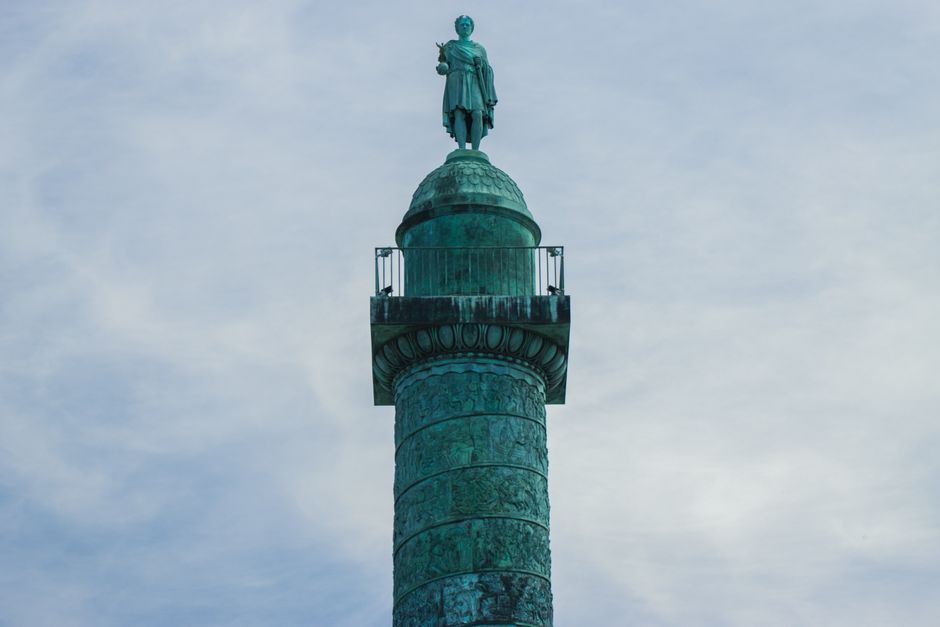
Napoleon Was Taller Than Most Frenchmen: The Truth

Napoleon Was Taller Than Most Frenchmen: The Truth

By TrivBits, History Desk — Published September 14, 2026

Napoleon Was Taller Than Most Frenchmen: The Truth — History trivia by TrivBits

Table of Contents

Napoleon Bonaparte, the legendary French emperor who conquered much of Europe in the early 19th century, has been remembered for many things: his military genius, his legal reforms, and his eventual exile. But he's also remembered for something that isn't quite true—being exceptionally short. The reality? Napoleon was actually taller than the average Frenchman of his era. This historical misconception has persisted for over two centuries, becoming one of the most enduring myths about any figure from the past.

The story of Napoleon's supposed shortness is a fascinating case study in how propaganda, measurement confusion, and cultural stereotypes can reshape our understanding of history. Let's examine the evidence and discover why this powerful emperor of the French Empire wasn't the tiny figure popular imagination has made him out to be.

Key Takeaways

  • Napoleon Bonaparte stood approximately 5 feet 7 inches tall in modern measurements, above average height for Frenchmen in the early 19th century.
  • The confusion stems partly from differences between French and British measurement systems used during that historical period.
  • British propaganda deliberately portrayed Napoleon as diminutive to mock and diminish his reputation during the Napoleonic Wars.
  • The myth was reinforced by Napoleon's elite Imperial Guard, who were selected for their exceptional height and made him appear shorter by comparison.
  • This enduring misconception demonstrates how wartime propaganda can shape historical memory across civilizations for centuries.
  • Napoleon's actual height was recorded as 5 feet 2 inches in French units, which converted to a taller measurement in British imperial units.

Napoleon Taller Frenchmen: Understanding the Historical Evidence

At the time of his death in 1821, Napoleon's height was measured at 5 feet 2 inches. That sounds short, right? Not so fast. This measurement was taken using French feet, or "pieds du roi," which were longer than British imperial feet. When converted to the measurement system we use today, Napoleon stood roughly 5 feet 7 inches tall—about 168 centimeters.

During the early 19th century, the average height for French men hovered around 5 feet 5 inches in modern measurements. Napoleon was actually a couple of inches taller than typical. He wasn't a giant, certainly, but he was perfectly average or slightly above average for his time and place in history.

Contemporary accounts from people who actually met Napoleon rarely mention his height as unusual. What they did comment on was his intense gaze, his energy, and his commanding presence—qualities that suggest a man who dominated any room he entered, regardless of his physical stature.

The Origins of British Propaganda

So where did the myth come from? Much of it traces back to British propaganda during the Napoleonic Wars. Britain and France were locked in a bitter struggle for European dominance, and British cartoonists had a field day mocking their enemy across the Channel.

The famous caricaturist James Gillray portrayed Napoleon as "Little Boney," a tiny, temperamental figure prone to fits of rage. These cartoons were wildly popular and shaped British public perception of the French emperor. The images spread throughout Europe and beyond, creating a lasting impression that outlived the empire Napoleon built.

This wasn't just harmless satire. It was strategic psychological warfare. By depicting Napoleon as physically small, British propagandists hoped to make him seem less threatening and more ridiculous. The tactic worked brilliantly—perhaps too well, since we're still talking about it two centuries later.

The Imperial Guard Effect

Another factor contributing to the perception of Napoleon's shortness was his Imperial Guard. These elite soldiers were specifically selected for their imposing physical presence, including their height. Requirements for the Guard included being taller than average, and grenadiers in particular were often well over 6 feet tall.

Napoleon spent much of his time surrounded by these towering soldiers. When observers saw the emperor next to his guards, he naturally appeared smaller by comparison. This created a visual contrast that reinforced the idea of a diminutive leader, even though the comparison was fundamentally unfair.

Imagine standing next to professional basketball players all day. You'd look short too, even if you were perfectly average height. That's essentially what happened to Napoleon in the historical record and in contemporary illustrations.

Comparing Heights Across the Centuries

Historical Figure Approximate Height Era
Napoleon Bonaparte 5'7" (168 cm) Early 19th century
Average Frenchman (1800s) 5'5" (165 cm) Early 19th century
Duke of Wellington 5'9" (175 cm) Early 19th century
Average French Male (modern) 5'9" (175 cm) 21st century

Why the Myth Persists in Modern Times

The Napoleon complex—the idea that short men overcompensate with aggressive behavior—takes its name from this very myth. The term itself perpetuates the false notion that Napoleon was unusually short and that his ambition stemmed from insecurity about his height.

Pop culture has embraced the image of tiny Napoleon. Movies, television shows, and books frequently depict him as a small man with oversized ambitions. Once a myth becomes embedded in popular culture, it takes on a life of its own, resistant to correction by mere facts.

There's also something psychologically satisfying about the idea that a great conqueror was physically small. It makes for a better story—the underdog who rose to dominate ancient kingdoms and build an empire despite physical limitations. The truth, that he was just a regular-sized guy, feels less narratively compelling.

The Broader Context of Historical Myths

Napoleon's height myth isn't unique. History is littered with misconceptions that have hardened into accepted "facts." These errors often originate from the same sources: propaganda, mistranslation, cultural bias, or simple misunderstanding that gets repeated until it becomes conventional wisdom.

The persistence of the Napoleon myth teaches us something valuable about how we consume historical information. It reminds us to question received wisdom and to examine the sources of what we think we know about the past. Every era has its biases, and the victors of conflicts often write history to suit their narratives.

Understanding that Napoleon was actually taller than most Frenchmen of his time doesn't diminish his historical significance. It does, however, remind us that the lens through which we view past civilizations is often distorted by time, translation, and deliberate manipulation.

Frequently Asked Questions

How tall was Napoleon Bonaparte in modern measurements?

Napoleon stood approximately 5 feet 7 inches tall (about 168 centimeters) in modern measurements. This made him slightly taller than the average Frenchman of the early 19th century, who typically stood around 5 feet 5 inches. The confusion arose because his height was recorded in French units that differed from British imperial measurements.

Why do people think Napoleon was short?

The myth originated primarily from British propaganda during the Napoleonic Wars, where cartoonists depicted him as tiny to mock and diminish him. The confusion between French and British measurement systems contributed to the misconception, as did the fact that Napoleon's elite Imperial Guard consisted of exceptionally tall soldiers who made him appear shorter by comparison.

What was the average height for men in Napoleon's time?

During the early 19th century, the average height for European men was considerably shorter than today. French men averaged around 5 feet 5 inches, while British men were roughly similar. Better nutrition and healthcare over the past two centuries have increased average heights significantly across most developed nations.

Did Napoleon's height affect his military career?

There's no evidence that Napoleon's actual height had any impact on his military career or leadership abilities. He was an average or slightly above-average height for his time, and contemporary accounts focus on his strategic brilliance, energy, and commanding personality rather than his physical stature. The association between his height and his ambition is a modern myth with no historical basis.

Sources