1 / 10 Questions
0 Points

What powered the first jukeboxes in the 1890s?

Phonograph cylinders

Piano rolls

Cassette tapes

Vinyl records

Points won
0
Correct score
0%

More Questions

More Articles

The Truth About Samurai Warriors Wearing Perfume to Battle

The Truth About Samurai Warriors Wearing Perfume to Battle

The Truth About Samurai Warriors Wearing Perfume to Battle

By TrivBits, History Desk — Published August 15, 2026

Table of Contents

When you picture a samurai warrior preparing for combat, you might imagine sharpening swords, donning elaborate armor, and steeling nerves for the fight ahead. What you probably don't envision is a warrior dabbing perfume behind his ears. Yet the truth about samurai warriors and their grooming rituals reveals a fascinating aspect of Japanese military culture: these legendary fighters regularly wore fragrant incense into battle, transforming the very air around them into a statement of identity and honor. This practice wasn't about vanity or luxury. For samurai living during Japan's feudal era, scent carried profound meaning tied to philosophy, status, and the acceptance of mortality itself.

Key Takeaways

  • Samurai warriors regularly perfumed their helmets and armor with incense before battle, a practice rooted in Buddhist philosophy and social customs.
  • The custom was partly practical: incense masked the smell of smoke, blood, and death on the battlefield while helping warriors maintain dignity even in defeat.
  • Samurai believed that if they were beheaded—a common fate—their severed head would be presented to the enemy commander, and a pleasant scent demonstrated refinement and courage.
  • Different incense blends signaled rank, family affiliation, and personal taste, making scent a form of non-verbal communication among the warrior class.
  • The practice of kōdō (the way of incense) became one of Japan's traditional arts alongside tea ceremony and flower arrangement.
  • This grooming ritual reflects how samurai culture blended martial prowess with aesthetic refinement throughout Japanese history.

The Truth About Samurai Warriors and Their Scented Traditions

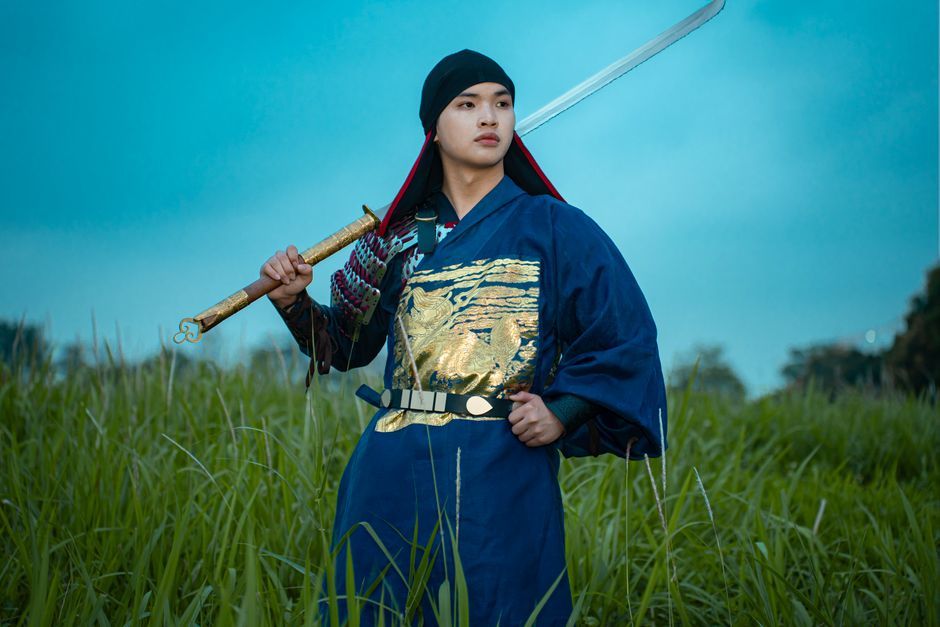
The samurai class emerged during Japan's Heian period and dominated the country's military and political landscape for roughly seven centuries. These warriors followed bushido—the way of the warrior—a code emphasizing honor, loyalty, and courage. But bushido also stressed aesthetic cultivation. A true samurai was expected to appreciate poetry, practice calligraphy, and understand the subtleties of fragrance. Before heading into battle, samurai would burn incense inside their helmets (kabuto). The smoke would permeate the helmet's padding and interior. Some warriors also scented their armor's silk cords and the cloth worn beneath metal plates. The most commonly used materials included sandalwood, aloeswood (jinkō), and other aromatic woods imported through trade routes connecting Japan with Southeast Asia and beyond. Why go to such lengths? The answer intertwines practicality with philosophy. Battlefields reeked of sweat, horses, gunpowder (in later centuries), and decomposing bodies. Pleasant scents provided immediate relief. But more significantly, samurai lived with constant awareness of death. They wanted their final moments—and their remains—to reflect the dignity they had cultivated throughout life.

The Ritual of Decapitation and Display

Understanding this perfume custom requires grasping a grim reality of samurai warfare: beheading was standard practice. After killing an enemy warrior of rank, victors would take the head as a trophy to prove their achievement and claim rewards. These severed heads were washed, groomed, and presented to commanding officers for inspection and identification. A samurai knew his head might end up in enemy hands. Wearing incense ensured that even in death, he would make a dignified impression. The pleasant fragrance demonstrated that he had faced mortality with composure, maintained his grooming rituals even before battle, and died as a cultured warrior rather than a common soldier. This attention to detail could earn posthumous respect from opponents. The practice also served the living. Incense helped those handling the heads—both victors and allies recovering their dead—to perform their duties without being overwhelmed by the smell of decay, especially in warm weather when bodies deteriorated rapidly.

Incense as Social Language

Fragrance functioned as a sophisticated communication system within samurai society. Different families favored specific incense blends, making scent a marker of lineage. A warrior's choice of fragrance could indicate his clan affiliation, regional origin, or personal philosophy. Some preferred bold, woody scents suggesting strength. Others chose subtle, complex blends demonstrating refinement. The appreciation of incense developed into kōdō, one of Japan's classical arts. Practitioners learned to identify different aromatic woods, create harmonious blends, and participate in incense-guessing games (kumikō) that tested olfactory memory and cultural knowledge. While kōdō became popular among aristocrats and wealthy merchants, its roots lay in samurai culture.
Incense Material Origin Characteristics
Sandalwood India, Southeast Asia Warm, woody, calming; commonly used and affordable
Aloeswood (Jinkō) Southeast Asia Complex, resinous, highly prized; indicated high status
Clove Indonesia Spicy, sharp; sometimes mixed with other materials
Star Anise China, Vietnam Sweet, licorice-like; used in certain ceremonial blends

Beyond the Battlefield: Scent in Daily Life

Samurai didn't reserve incense exclusively for warfare. Perfuming clothing and living spaces was standard among the warrior class during peacetime. They scented their formal robes by hanging them over smoldering incense burners, a technique called takimono. Personal quarters were regularly fumigated with fragrant smoke. This daily practice served multiple purposes. It demonstrated cultural sophistication and adherence to courtly standards inherited from the aristocratic past. It also reflected Buddhist influences on samurai philosophy. Buddhism, which shaped much of samurai thought, emphasized impermanence and mindfulness. The ephemeral nature of scent—present one moment, dissipated the next—served as a reminder of life's transience. Women in samurai families also participated in incense culture, often becoming experts in blending and identifying fragrances. Some historical records suggest that wives would prepare special incense blends for their husbands before battle, adding an intimate, personal dimension to the practice.

The Decline and Legacy

The samurai class was officially abolished during the Meiji Restoration in the late 19th century as Japan rapidly modernized and adopted Western military structures. The empire transformed its armed forces into a conscript army modeled on European examples. Traditional samurai practices, including battlefield incense rituals, faded from military life. However, kōdō survived as a refined art form. Today, practitioners continue to study traditional incense appreciation in specialized schools. The connection between fragrance and Japanese cultural identity remains strong, visible in everything from temple ceremonies to modern perfume design. The samurai perfume tradition also reminds us that historical warriors were more complex than popular culture often suggests. These fighters cultivated beauty alongside brutality, contemplated mortality through aesthetic practices, and understood that how one faced death mattered as much as how one lived.

Frequently Asked Questions

Did all samurai wear perfume to battle?

Most samurai of sufficient rank practiced some form of scenting before battle, though the quality and quantity of incense varied with wealth and status. Lower-ranking warriors might use simpler, less expensive materials, while elite samurai could afford rare imported aromatic woods.

What did samurai incense actually smell like?

Traditional samurai incense featured woody, resinous scents quite different from modern floral perfumes. Sandalwood provided warm, smooth notes, while aloeswood offered complex, slightly sweet and bitter aromas. The overall effect was subtle and earthy rather than strong or sweet.

When did samurai start using incense in warfare?

The practice became established during the Kamakura period (1185–1333) and continued through the end of the samurai era in the 19th century. It evolved alongside the development of samurai culture and the refinement of bushido philosophy over several centuries.

Is incense appreciation still practiced in Japan today?

Yes, kōdō remains one of Japan's traditional arts, taught in specialized schools alongside tea ceremony and flower arrangement. While less widely practiced than in past centuries, it continues to attract dedicated students interested in preserving this aspect of Japanese cultural history. The next time you encounter a samurai in film or literature, remember that authenticity would include not just the gleam of a katana or the lacing of armor, but also the invisible cloud of sandalwood and aloeswood announcing a warrior who understood that true strength encompasses beauty, dignity, and an unflinching awareness of life's fragility.
Top 10 Fast Facts About Global Health

Top 10 Fast Facts About Global Health

⏱️ 6 min read

Global health encompasses the health challenges and solutions that transcend national boundaries, affecting populations worldwide. Understanding the current state of global health reveals both remarkable progress and persistent challenges that require continued attention and resources. From infectious diseases to healthcare access, these essential facts illuminate the complex landscape of health issues facing humanity today.

Key Facts Shaping Global Health Today

1. Life Expectancy Has Doubled in a Century

One of the most remarkable achievements in global health is the dramatic increase in life expectancy worldwide. In 1900, the global average life expectancy was approximately 32 years. Today, it has risen to over 72 years, representing more than a doubling of human lifespan in just over a century. This unprecedented improvement stems from advances in medicine, better nutrition, improved sanitation, widespread vaccination programs, and enhanced healthcare infrastructure. However, significant disparities persist between high-income and low-income countries, with some nations still experiencing life expectancies 20 years shorter than global leaders.

2. Infectious Diseases Remain a Leading Killer

Despite medical advances, infectious diseases continue to cause approximately 13 million deaths annually, accounting for nearly one-quarter of all global deaths. Lower respiratory infections, tuberculosis, and diarrheal diseases rank among the top infectious killers, disproportionately affecting low- and middle-income countries. Malaria alone causes over 600,000 deaths each year, primarily among African children under five. The emergence of antibiotic resistance threatens to reverse decades of progress, with drug-resistant infections potentially causing 10 million deaths annually by 2050 if current trends continue unchecked.

3. Non-Communicable Diseases Now Dominate Global Mortality

Non-communicable diseases (NCDs) such as heart disease, cancer, diabetes, and chronic respiratory diseases now account for 71% of all deaths globally, claiming approximately 41 million lives each year. This epidemiological shift reflects changing lifestyles, aging populations, and increased exposure to risk factors like tobacco use, unhealthy diets, physical inactivity, and harmful alcohol consumption. Cardiovascular diseases alone kill 17.9 million people annually, making them the leading cause of death worldwide. The burden of NCDs is increasingly shifting to low- and middle-income countries, where 77% of all NCD deaths now occur.

4. Mental Health Affects One in Four People

Mental health disorders affect approximately 25% of the global population at some point in their lives, with depression alone impacting over 280 million people worldwide. Despite this staggering prevalence, mental health remains severely underfunded and stigmatized in many societies. Depression ranks as the third leading cause of disease burden globally and the primary cause of disability. The COVID-19 pandemic significantly exacerbated mental health challenges, with rates of anxiety and depression increasing by more than 25% in the first year alone. Access to mental health services remains critically limited, particularly in low-income countries where fewer than one mental health worker is available per 100,000 people.

5. Maternal and Child Health Gaps Persist

Maternal and child mortality rates have declined substantially over recent decades, yet preventable deaths continue at alarming rates. Approximately 295,000 women die from pregnancy or childbirth-related complications annually, with 94% of these deaths occurring in low-resource settings. Similarly, 5 million children under the age of five die each year, predominantly from preventable or treatable conditions such as pneumonia, diarrhea, malaria, and malnutrition. The vast majority of these deaths could be prevented with access to quality healthcare, skilled birth attendants, proper nutrition, and basic interventions like oral rehydration therapy and antibiotics.

6. Healthcare Access Remains Unequal Worldwide

At least half of the world's population lacks access to essential health services, representing a staggering 3.8 billion people. This access gap manifests across multiple dimensions, including availability of healthcare facilities, affordability of services and medicines, geographic barriers, and shortages of trained healthcare workers. Sub-Saharan Africa bears only 3% of the global health workforce despite carrying 24% of the disease burden. Furthermore, approximately 100 million people are pushed into extreme poverty each year due to out-of-pocket health expenses, illustrating how lack of financial protection for health creates devastating economic consequences for families.

7. Vaccination Prevents Millions of Deaths Annually

Immunization programs represent one of the most cost-effective public health interventions, preventing 4-5 million deaths every year from diseases like diphtheria, tetanus, pertussis, influenza, and measles. Vaccines have enabled the complete eradication of smallpox and brought polio to the brink of elimination, with cases reduced by 99.9% since 1988. Despite this success, approximately 20 million children worldwide still miss out on routine vaccinations, leaving them vulnerable to preventable diseases. Vaccine hesitancy and misinformation pose growing threats to immunization coverage, contributing to recent outbreaks of measles and other vaccine-preventable diseases in various regions.

8. Environmental Factors Cause One-Quarter of Global Deaths

Environmental risks contribute to approximately 13.7 million deaths annually, representing 24% of the global disease burden. Air pollution alone causes 7 million premature deaths each year, making it the world's largest environmental health risk. Unsafe water, inadequate sanitation, and poor hygiene practices result in 1.5 million deaths annually, primarily from diarrheal diseases. Climate change increasingly impacts health through extreme weather events, altered disease patterns, food insecurity, and population displacement. The World Health Organization estimates that climate change will cause approximately 250,000 additional deaths per year between 2030 and 2050 from malnutrition, malaria, diarrhea, and heat stress alone.

9. Antimicrobial Resistance Threatens Modern Medicine

Antimicrobial resistance (AMR) has emerged as one of the most pressing global health threats, with drug-resistant infections currently causing at least 700,000 deaths annually. Bacteria, viruses, fungi, and parasites are evolving to resist the medications designed to kill them, rendering once-treatable infections increasingly difficult or impossible to cure. Methicillin-resistant Staphylococcus aureus (MRSA) alone causes more deaths annually in some countries than HIV/AIDS. Without urgent action, AMR could cause 10 million deaths per year by 2050, surpassing cancer as a leading cause of mortality. The misuse and overuse of antibiotics in human medicine and agriculture accelerate resistance development, necessitating coordinated global action.

10. Global Health Spending Reveals Stark Inequalities

Healthcare spending varies dramatically across countries, reflecting and perpetuating health inequalities. High-income countries spend an average of $4,000 per capita on healthcare annually, while low-income countries spend less than $50 per capita. The United States alone accounts for approximately 45% of global health expenditure despite representing only 4% of the world's population. International development assistance for health totals approximately $40 billion annually, yet this represents less than 1% of global health spending. These financial disparities translate directly into health outcomes, with resource-limited countries facing severe shortages of essential medicines, medical equipment, healthcare infrastructure, and trained health professionals.

Understanding Our Global Health Landscape

These ten facts reveal both the remarkable progress achieved in global health and the substantial challenges that remain. While humanity has made unprecedented strides in extending life expectancy and combating infectious diseases, new threats like antimicrobial resistance and climate change demand innovative solutions. The persistent inequalities in healthcare access and outcomes underscore the need for strengthened health systems, increased investment, and collaborative international efforts. Addressing these challenges requires not only medical and technological advances but also political will, adequate funding, and recognition that health is a fundamental human right transcending borders and socioeconomic status.