










1 / 10 Questions
0 Points

What frozen dessert was accidentally invented at the 1904 World's Fair?

Ice cream cone

Fudgsicle

Drumstick

Popsicle

Points won
0
Correct score
0%

More Questions

More Articles

Did You Know These Vegetables Lose Nutrients When Cooked?

Did You Know These Vegetables Lose Nutrients When Cooked?

⏱️ 5 min read

The way vegetables are prepared can significantly impact their nutritional value. While cooking makes certain nutrients more bioavailable, it can also destroy or diminish others. Understanding which vegetables are most susceptible to nutrient loss during cooking helps maximize the health benefits of every meal. Many water-soluble vitamins and delicate compounds break down when exposed to heat, water, or prolonged cooking times, while others become more concentrated or easier for the body to absorb.

The Science Behind Nutrient Loss During Cooking

Vegetables contain a complex array of vitamins, minerals, and phytonutrients that respond differently to heat. Water-soluble vitamins, particularly vitamin C and B vitamins including thiamine, riboflavin, and folate, are the most vulnerable to cooking. These nutrients can leach into cooking water or degrade when exposed to high temperatures. Fat-soluble vitamins like A, D, E, and K are generally more stable, though they can still be affected by certain cooking methods.

Heat causes structural changes in vegetable cells, breaking down cell walls and releasing nutrients. While this can be beneficial for some compounds, it simultaneously destroys heat-sensitive vitamins and enzymes. The degree of nutrient loss depends on several factors: cooking temperature, duration, the amount of water used, and whether vegetables are exposed to light and air during preparation.

Cruciferous Vegetables and Their Delicate Compounds

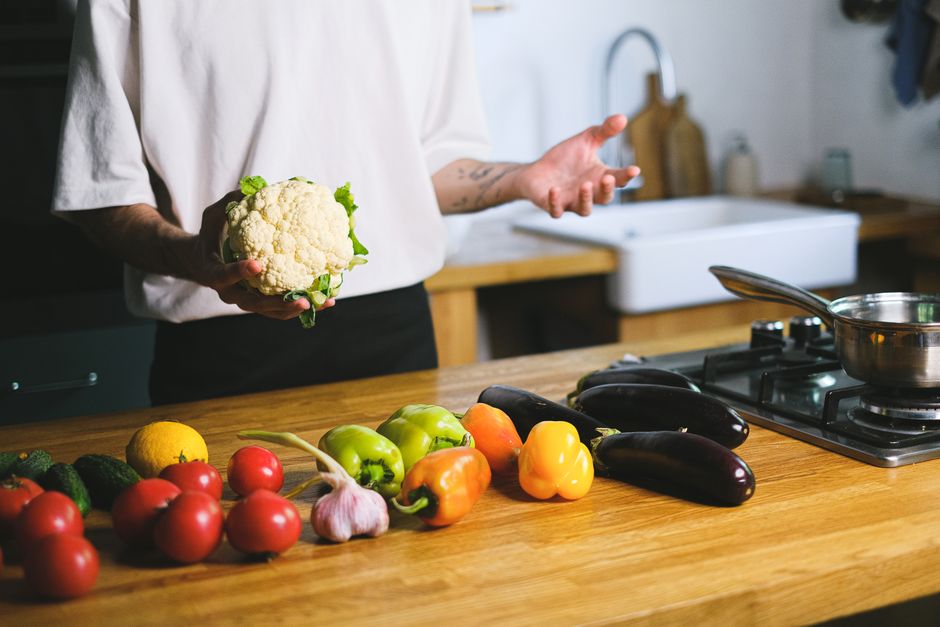
Broccoli, cauliflower, Brussels sprouts, and cabbage belong to the cruciferous family and contain valuable cancer-fighting compounds called glucosinolates. These vegetables are particularly sensitive to cooking methods. Boiling broccoli can result in a loss of up to 50 percent of its vitamin C content within five minutes. The enzyme myrosinase, which helps convert glucosinolates into their beneficial form, is deactivated at temperatures above 140 degrees Fahrenheit.

Research indicates that steaming cruciferous vegetables for no more than five minutes preserves most of their beneficial compounds while still making them palatable. Microwaving with minimal water or stir-frying quickly at high heat are also preferable methods. Adding mustard seed, horseradish, or wasabi to cooked cruciferous vegetables can help restore some of the lost myrosinase enzyme activity.

Leafy Greens and Water-Soluble Vitamin Depletion

Spinach, kale, Swiss chard, and other leafy greens are nutritional powerhouses that require careful handling. These vegetables are exceptionally rich in folate, vitamin C, and various B vitamins, all of which diminish during cooking. Boiling spinach can reduce its folate content by nearly 50 percent, with much of it seeping into the cooking water that typically gets discarded.

The delicate nature of leafy greens means they cook quickly, which can work to the advantage of nutrient preservation. Quick sautéing or steaming for just two to three minutes minimizes nutrient loss while wilting the leaves sufficiently. When boiling is necessary, using the cooking liquid in soups or sauces helps retain the nutrients that have leached out.

Bell Peppers and Vitamin C Degradation

Bell peppers contain more vitamin C than oranges, making them an excellent source of this essential antioxidant. However, vitamin C is one of the most heat-sensitive nutrients. Cooking bell peppers at high temperatures can destroy up to 75 percent of their vitamin C content, particularly with methods like roasting or prolonged sautéing.

The longer peppers are exposed to heat, the greater the vitamin loss. Consuming bell peppers raw in salads or as crudités preserves their maximum nutritional value. When cooking is desired, quick stir-frying or light grilling minimizes damage while adding desirable flavor.

Garlic and Allicin Activation

Garlic presents a unique case in the cooking and nutrition relationship. The beneficial compound allicin forms when raw garlic is crushed or chopped, but this compound is rapidly destroyed by heat. Cooking garlic immediately after chopping can eliminate up to 90 percent of its allicin content and associated health benefits.

To maximize garlic's therapeutic properties, crush or mince it and let it stand for 10 minutes before adding it to heat. This waiting period allows allicin to fully form and become more stable. Adding garlic toward the end of cooking also helps preserve more of its beneficial compounds.

Optimal Cooking Methods for Nutrient Retention

Different cooking techniques affect nutrients in varying ways. Understanding these methods helps make informed decisions in the kitchen:

  • Steaming preserves water-soluble vitamins better than boiling and requires shorter cooking times
  • Microwaving with minimal water retains nutrients well due to quick cooking times and limited water use
  • Stir-frying combines quick cooking with minimal water, though some heat-sensitive vitamins may still degrade
  • Roasting concentrates flavors but can result in significant vitamin C and B vitamin losses
  • Boiling causes the greatest nutrient loss, especially when vegetables are cut into small pieces

Balancing Nutrition and Digestibility

While nutrient preservation is important, cooking also offers significant benefits. Heat breaks down tough fibers, making vegetables easier to digest and allowing the body to absorb more of certain nutrients. Cooking also destroys harmful bacteria and reduces anti-nutrients like oxalates that can interfere with mineral absorption.

The ideal approach involves variety in both vegetable selection and preparation methods. Consuming some vegetables raw ensures maximum intake of heat-sensitive vitamins, while cooking others enhances digestibility and the bioavailability of certain beneficial compounds. Paying attention to cooking times, using appropriate methods, and minimizing water exposure helps strike the optimal balance between palatability and nutrition.

Understanding how cooking affects different vegetables empowers better nutritional choices without sacrificing the enjoyment of flavorful, well-prepared meals.
Did You Know These Cooking Techniques Are Thousands of Years Old?

Did You Know These Cooking Techniques Are Thousands of Years Old?

⏱️ 5 min read

The kitchen methods used today to prepare meals connect modern cooks to ancient civilizations in remarkable ways. While contemporary kitchens feature advanced appliances and sophisticated equipment, many fundamental cooking techniques remain virtually unchanged from those developed thousands of years ago. These time-tested methods have survived countless generations because they effectively transform raw ingredients into delicious, nutritious meals.

Fermentation: Preserving Food Since Prehistoric Times

Fermentation stands as one of humanity's oldest food preservation and preparation techniques, with evidence dating back approximately 10,000 years. Ancient civilizations discovered that allowing certain foods to undergo controlled microbial growth not only extended their shelf life but also enhanced flavors and nutritional value.

Archaeological evidence suggests that the Babylonians were fermenting beer as early as 7000 BCE, while ancient Chinese cultures were producing fermented rice beverages around 7000 BCE. The technique spread across civilizations, leading to diverse fermented products including sauerkraut, kimchi, yogurt, and cheese. Today's craft brewers, artisan cheese makers, and home fermentation enthusiasts continue using essentially the same biological processes that sustained ancient populations through harsh winters and long journeys.

Roasting Over Open Flames

The discovery of fire revolutionized human evolution, and roasting represents one of the earliest cooking methods employed by prehistoric humans. Evidence suggests that early hominids began cooking food over open flames approximately 1.8 million years ago, fundamentally changing human development by making nutrients more accessible and food safer to consume.

This ancient technique involves exposing food directly to dry heat, whether over an open fire, in an oven, or on hot stones. The Maillard reaction that occurs during roasting—creating that appealing brown crust and complex flavors—delighted ancient peoples just as it does modern diners. From spit-roasted meats in medieval banquets to contemporary oven-roasted vegetables, this method remains a cornerstone of culinary practice worldwide.

Smoking: Ancient Preservation Meets Modern Flavor

Smoking emerged as both a preservation technique and a flavor-enhancement method in prehistoric times. Archaeological evidence from cave dwellings shows that early humans suspended meat and fish above fires, discovering that the smoke prevented spoilage while imparting distinctive flavors.

Different cultures developed unique smoking traditions using locally available woods and herbs. Native American tribes perfected jerky production through smoking, while Scandinavian communities developed techniques for smoking fish that remain influential today. Modern barbecue traditions, from Texas brisket to Carolina pulled pork, directly descend from these ancient practices. The fundamental principle remains unchanged: exposing food to aromatic smoke from smoldering wood creates complex flavors while historically extending the food's edibility.

Steaming: The Ancient Asian Innovation

Steaming food using water vapor dates back at least 5,000 years to ancient Chinese cooking traditions. Archaeological discoveries of pottery steamers from the Yangshao culture demonstrate sophisticated understanding of this gentle cooking method that preserves nutrients, colors, and delicate textures.

The technique spread throughout Asia, becoming fundamental to many regional cuisines. Traditional bamboo steamers, still used extensively today, represent designs refined over millennia. Steaming requires no added fats, retains more vitamins and minerals than many other methods, and allows natural flavors to shine through—advantages appreciated by both ancient cooks and modern health-conscious diners.

Baking in Earth Ovens

Before conventional ovens existed, ancient peoples developed earth ovens—pits lined with hot stones that created efficient baking environments. Evidence of these ovens appears in archaeological sites across continents, dating back approximately 29,000 years in Central Europe.

Various cultures independently developed earth oven techniques. Polynesian peoples perfected the imu, while Native Americans used similar methods for cooking corn, beans, and meats. The tandoor ovens of Central and South Asia, now internationally recognized for producing distinctive breads and meats, evolved from these ancient underground cooking chambers. Modern pit barbecues and some artisan bread-baking techniques deliberately recreate these ancestral methods, recognizing their unique ability to produce exceptional results.

Boiling and Stewing in Liquid

Once humans developed watertight containers approximately 20,000 years ago, boiling became possible. Early cooks used animal skins, hollowed logs, and eventually pottery vessels to heat water and cook foods in liquid.

This technique allowed tougher cuts of meat to become tender through prolonged cooking, extracted maximum nutrition from bones and vegetables, and made many plant foods more digestible. Ancient stews combined whatever ingredients were available, creating nourishing one-pot meals that sustained communities through difficult times. The method's efficiency and versatility ensure its continued prominence in cuisines worldwide, from French bouillabaisse to Vietnamese pho.

Drying and Dehydration

Sun-drying and air-drying foods represents perhaps the simplest preservation technique, practiced for at least 12,000 years. Ancient peoples in arid climates discovered that removing moisture prevented microbial growth and concentrated flavors.

  • Dried fruits sustained travelers along ancient trade routes
  • Dried fish provided protein during long maritime voyages
  • Dried grains could be stored for years, protecting against famine
  • Dried herbs and spices became valuable commodities across civilizations

Contemporary dried foods, from pasta to beef jerky, employ the identical principle discovered by our distant ancestors: reducing water content inhibits spoilage while creating concentrated, shelf-stable nutrition.

The Enduring Wisdom of Ancient Techniques

These millennia-old cooking methods persist because they fundamentally work. They transform ingredients through time-tested chemical and physical processes that modern science can explain but cannot substantially improve. Contemporary chefs increasingly appreciate traditional techniques, recognizing that ancient wisdom often produces superior results to shortcuts enabled by modern technology. Understanding these connections to culinary history enriches appreciation for everyday cooking while honoring the innovative ancestors who developed methods still feeding billions today.