1 / 10 Questions
0 Points

What food never spoils due to its low moisture and acidity?

Peanut butter

Honey

Olive oil

Dried figs

Points won
0
Correct score
0%

More Questions

More Articles

Why Swimming Pools Smell: The Chlorine Truth Revealed

Why Swimming Pools Smell: The Chlorine Truth Revealed

Why Swimming Pools Smell: The Chlorine Truth Revealed

By TrivBits, Staff Writer — Published August 3, 2026

Table of Contents

That distinctive swimming pool odor isn't actually chlorine. Surprising, right? The sharp, chemical smell that clings to your skin and hair after a swim comes from something most people would rather not think about: the byproducts of chlorine reacting with human waste. When chlorine in pool water mixes with sweat, urine, skin cells, and personal care products, it creates chemical compounds called chloramines. These are what create that familiar "pool smell" and can irritate eyes, skin, and respiratory systems.A properly maintained pool with adequate chlorine levels and minimal contamination should have little to no odor. The stronger the smell, the more contaminants are present. This interesting fact turns conventional wisdom on its head—a strong chemical smell doesn't mean too much chlorine, but rather that the chlorine is working overtime to neutralize organic matter introduced by swimmers.

Key Takeaways

  • Swimming pools smell because of chloramines, not pure chlorine—these form when chlorine reacts with sweat, urine, and other organic compounds from swimmers.
  • A well-maintained pool with proper chlorine levels should have virtually no odor; strong smells indicate contamination, not excessive chlorination.
  • Chloramines can cause the red eyes, itchy skin, and respiratory irritation commonly blamed on chlorine itself.
  • Showering before swimming removes up to 70% of potential contaminants from your body, significantly reducing chloramine formation.
  • The Centers for Disease Control and Prevention estimates that the average swimmer releases about 30 to 80 milliliters of urine in a pool during a single visit.
  • Outdoor pools naturally benefit from UV rays, which help break down chloramines and reduce odor.

Why Swimming Pools Smell: The Chemistry Behind Pool Odor

Chlorine serves as the guardian of pool hygiene, killing bacteria, viruses, and other microorganisms that could make swimmers sick. When added to water, chlorine exists primarily as hypochlorous acid and hypochlorite ions—the active sanitizing agents that keep pools safe. These compounds work efficiently and leave minimal smell when they're only fighting naturally occurring microbes.The problem begins when chlorine encounters nitrogen-containing compounds from human bodies. Every swimmer introduces a cocktail of organic materials: dead skin cells (humans shed approximately 30,000 to 40,000 dead skin cells per minute), cosmetics, lotions, hair products, and yes, bodily fluids. When chlorine oxidizes these nitrogen compounds, it forms chloramines—specifically trichloramine, which volatilizes into the air above the pool surface.Trichloramine is the primary culprit behind pool smell and the irritation swimmers experience. It's also heavier than air, which explains why indoor pools often have stronger odors than outdoor ones. Without adequate ventilation, chloramines accumulate just above the water surface, right at breathing level for swimmers. Professional competitive swimmers and pool employees who spend hours in these environments can develop respiratory issues from chronic chloramine exposure.

The Surprising Truth About Red Eyes and Itchy Skin

Most people blame chlorine for stinging eyes and irritated skin after swimming. The real offender? Chloramines again. Pure chlorine at proper pool concentrations (typically 1 to 3 parts per million) causes minimal irritation. Chloramines, however, are notorious irritants.The human eye maintains a pH of about 7.4, very close to neutral. Pool water is typically maintained between 7.2 and 7.6 pH. When chloramines are present in high concentrations, they disrupt the eye's tear film and cause the burning sensation swimmers know too well. The same compounds irritate skin, particularly in people with sensitive skin or conditions like eczema.Indoor pool facilities, especially those with poor ventilation, often have elevated chloramine levels in the air. Lifeguards and swim instructors may develop chronic coughs or asthma-like symptoms. Some studies have found that competitive swimmers who train indoors for many hours weekly show increased rates of respiratory issues compared to outdoor swimmers or the general population.

Common Pool Myths Debunked

Several misconceptions persist about pool chemistry and hygiene. Understanding the truth helps swimmers make better decisions and encourages proper pool etiquette.Myth: A strong chemical smell means the pool is clean. Reality: The opposite is true. A strong smell indicates high chloramine levels, which means the pool contains significant organic contamination. Clean pools smell like nothing at all.Myth: Chlorine turns hair green. Reality: Copper compounds dissolved in pool water (often from corroded pipes or algaecides) bind to hair proteins and oxidize, creating a greenish tint. Chlorine doesn't directly cause green hair, though it can exacerbate the effect by opening hair cuticles.Myth: Chlorine is the harshest pool sanitizer. Reality: Chlorine is actually one of the most studied and safest sanitization methods when properly maintained. Alternatives like bromine, ozone, or UV systems each have their own trade-offs in effectiveness, cost, and maintenance requirements.

How to Reduce Pool Odor and Irritation

Pool operators and swimmers share responsibility for maintaining water quality. Several strategies effectively minimize chloramine formation and keep pools pleasant.
StrategyEffectivenessWho's Responsible
Showering before swimmingRemoves 70%+ of potential contaminantsSwimmers
Proper ventilationDisperses airborne chloraminesPool operators
Regular shock treatmentBreaks down chloramines with high chlorine dosesPool operators
Adequate free chlorine levelsPrevents chloramine buildupPool operators
Bathroom use before swimmingReduces urine contaminationSwimmers
Shocking a pool involves temporarily raising chlorine levels significantly higher than normal—sometimes to 10 parts per million or more. This superchlorination breaks the chemical bonds in chloramines, converting them back to chlorine and nitrogen gas that dissipates into the air. Public pools often shock overnight or during closed hours to allow chlorine levels to return to safe swimming concentrations.The American Chemistry Council and Centers for Disease Control and Prevention both emphasize that showering before swimming is the single most effective action individual swimmers can take. A quick 60-second rinse removes most cosmetics, lotions, and body oils that would otherwise react with chlorine. Many countries require showers before pool entry, though enforcement varies.

Frequently Asked Questions

Does peeing in the pool really cause that chlorine smell?

Yes. Urine contains nitrogen compounds that react with chlorine to form chloramines, the actual source of pool odor. While urine isn't the only contributor—sweat and skin cells also contain nitrogen—it's a significant factor that swimmers can completely control by using the bathroom before swimming.

Why do indoor pools smell stronger than outdoor pools?

Indoor pools lack natural ventilation and UV exposure. Chloramines are heavier than air and accumulate just above the water surface in enclosed spaces. Outdoor pools benefit from wind dispersal and sunlight, which naturally breaks down chloramines through photodegradation.

Can you be allergic to chlorine in pools?

True chlorine allergies are extremely rare. Most reactions attributed to chlorine allergies are actually sensitivities to chloramines or other pool chemicals. Some people do experience contact dermatitis from prolonged chlorine exposure, but this differs from an immune-system-mediated allergic response.

How often should pool water be completely replaced?

Most pools don't require complete drainage. Proper filtration, chemical balance, and regular partial water replacement (about 2-3 inches of water loss per week from splashing and evaporation, then refilling) maintain water quality indefinitely. Complete drainage is typically done only for repairs or severe contamination events.Next time you walk into a pool facility and catch that familiar scent, you'll know the truth: it's not the chlorine keeping you safe that you're smelling, but the evidence of swimmers who didn't shower first. The cleanest pools are the ones you can't smell at all.
Top 10 Most Expensive Gems Ever Discovered

Top 10 Most Expensive Gems Ever Discovered

⏱️ 6 min read

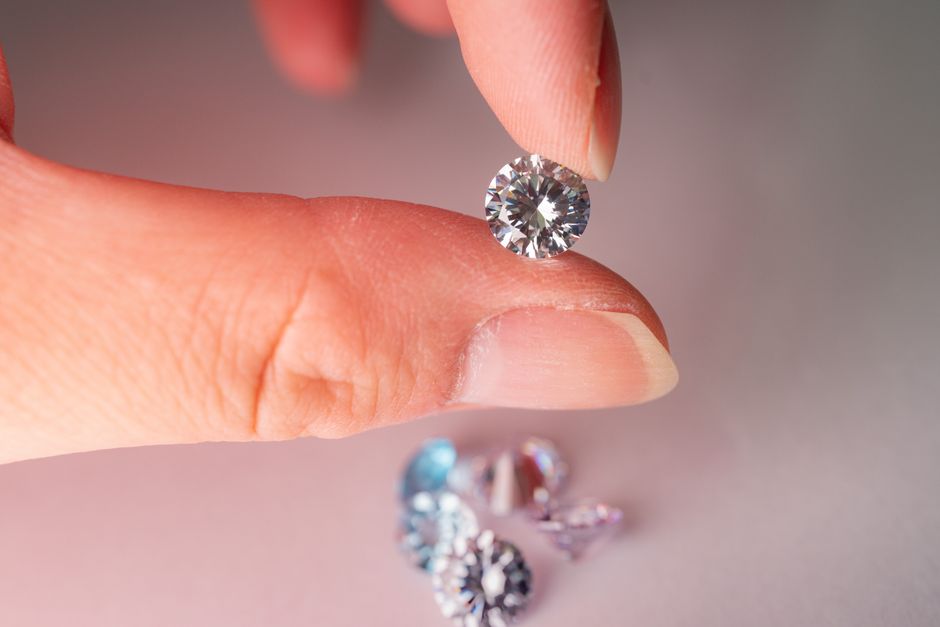
Throughout history, gemstones have captivated humanity with their extraordinary beauty, rarity, and immense value. From the depths of ancient mines to royal treasure vaults, certain precious stones have commanded prices that defy imagination. These geological marvels represent not just monetary worth, but also historical significance, cultural heritage, and scientific wonder. The world's most valuable gems often carry fascinating stories of discovery, ownership, and sometimes controversy, making them as intriguing for their provenance as for their physical splendor.

The World's Most Valuable Gemstones

1. The Pink Star Diamond

Weighing an astounding 59.60 carats, the Pink Star holds the record as the most expensive gemstone ever sold at auction. This internally flawless fancy vivid pink diamond fetched an unprecedented $71.2 million at a Sotheby's Hong Kong auction in 2017. Originally mined in South Africa by De Beers in 1999, the rough stone weighed 132.5 carats before undergoing a meticulous cutting process that took nearly two years. The Pink Star's extraordinary color saturation and clarity place it in a category shared by fewer than one percent of all pink diamonds, making it one of the rarest treasures ever unearthed from the Earth.

2. The Oppenheimer Blue Diamond

Named after its previous owner, Sir Philip Oppenheimer, this remarkable 14.62-carat rectangular-cut blue diamond sold for $57.5 million at Christie's Geneva in 2016. The gem's vivid blue color comes from trace amounts of boron within its crystal structure, a phenomenon that occurs in less than 0.1% of all diamonds. What makes this stone particularly exceptional is its combination of size, color intensity, and clarity—a trifecta rarely found in blue diamonds. The Oppenheimer Blue represents the largest fancy vivid blue diamond ever offered at auction, cementing its place among the world's most valuable gems.

3. The Blue Moon of Josephine

This 12.03-carat cushion-shaped fancy vivid blue diamond achieved a price of $48.4 million at Sotheby's Geneva in 2015, setting a record for price per carat at over $4 million. Hong Kong billionaire Joseph Lau purchased the stone and renamed it after his seven-year-old daughter, Josephine. The diamond exhibits an exceptionally rare combination of characteristics: its internally flawless clarity, intense blue coloration, and substantial size make it a geological phenomenon. Discovered in South Africa's Cullinan mine, the same source that produced the famous Cullinan Diamond, this gem represents nature's ability to create perfection under extreme pressure over billions of years.

4. The Graff Pink Diamond

Acquired by renowned diamond dealer Laurence Graff for $46.2 million in 2010, this 24.78-carat emerald-cut fancy intense pink diamond previously belonged to American celebrity jeweler Harry Winston. The stone's impressive size for a pink diamond, combined with its Type IIa classification—meaning it contains virtually no nitrogen impurities—makes it extraordinarily rare. The Graff Pink's history traces back to the 1950s, and its rectangular cut maximizes the stone's face-up appearance while maintaining exceptional brilliance. This gem exemplifies how certain diamonds transcend mere monetary value to become legendary artifacts in gemological history.

5. The Winston Blue Diamond

Harry Winston Inc. purchased this flawless 13.22-carat pear-shaped fancy vivid blue diamond for $23.8 million in 2014. The stone's previous name, "The Blue," belied its exceptional characteristics—perfect clarity, intense color, and elegant proportions. Blue diamonds of this quality are extraordinarily scarce, with their color resulting from boron atoms substituting for carbon atoms in the diamond's crystal lattice during formation. The Winston Blue represents a perfect example of how geological conditions billions of years ago created something that would eventually become one of humanity's most prized possessions.

6. The Perfect Pink Diamond

This 14.23-carat rectangular-cut fancy intense pink diamond sold for $23.2 million at Christie's Hong Kong in 2010. What distinguishes the Perfect Pink is its exceptional balance of size and color intensity—achieving "fancy intense" pink coloration in a stone of this magnitude is exceptionally uncommon. The diamond's previous owner kept it private for decades before it appeared at auction, adding to its mystique. Its emergence reminded the world that countless extraordinary gems likely remain hidden in private collections, their value and beauty known only to privileged few.

7. The Sunrise Ruby

Breaking records for colored gemstones other than diamonds, the Sunrise Ruby, a 25.59-carat Burmese "pigeon's blood" ruby, sold for $30.3 million at Sotheby's Geneva in 2015. This extraordinary price—over $1 million per carat—reflects the extreme rarity of large, high-quality rubies from Myanmar's legendary Mogok Valley. The stone's name derives from a poem by the 13th-century Sufi poet Rumi, and its color represents the most desirable shade in rubies: a vivid, pure red with a slight blue undertone. The Sunrise Ruby demonstrates that while diamonds often capture headlines, other precious gems can achieve comparable or even superior values when they possess exceptional characteristics.

8. The Moussaieff Red Diamond

Considered the largest red diamond in the world at 5.11 carats, the Moussaieff Red (formerly known as the Red Shield) represents one of the rarest diamond colors in existence. While its exact sale price remains undisclosed, experts estimate its value at approximately $20 million, or nearly $4 million per carat. Red diamonds are so scarce that most jewelers never encounter one in their entire careers. The Moussaieff Red's triangular brilliant cut maximizes its color intensity while maintaining beautiful proportions. Discovered by a Brazilian farmer in the 1990s, this gem proves that extraordinary treasures can still emerge from the earth unexpectedly.

9. The Blue Belle of Asia

This magnificent 392.52-carat Ceylon sapphire sold for $17.3 million at Christie's Geneva in 2014, setting a record for any sapphire at auction. The cushion-cut blue gem originated from Sri Lanka's famous gem gravels and once belonged to European nobility. What makes the Blue Belle exceptional is its combination of extraordinary size, vivid cornflower blue color, and excellent clarity—traits rarely found together in sapphires. The stone's royal provenance adds to its allure, having passed through aristocratic hands for over a century before appearing at public auction. Large sapphires of this quality rival even the finest diamonds in desirability and value.

10. The Princie Diamond

Named after the 14-year-old prince of Baroda who owned it in the 1960s, this 34.65-carat fancy intense pink diamond sold for $39.3 million at Christie's New York in 2013. Discovered over 300 years ago in India's legendary Golconda mines, the same source that produced the Hope Diamond and the Koh-i-Noor, the Princie carries immense historical significance. Its color saturation and the fact that Golconda diamonds are renowned for their exceptional purity make this cushion-cut gem particularly valuable. The Princie Diamond represents a tangible link to the ancient diamond trade that made India synonymous with the world's finest gems for centuries.

Understanding Exceptional Value

The astronomical prices commanded by these gemstones reflect multiple factors beyond mere beauty. Rarity remains paramount—some of these stones represent color and clarity combinations that may never be duplicated. Size matters significantly, as large gems of exceptional quality are exponentially rarer than smaller stones. Provenance adds immeasurable value, with historical ownership and documented histories enhancing desirability. Scientific significance also plays a role, as these gems provide researchers with insights into Earth's geological processes operating under extreme conditions over billions of years. Together, these factors transform these minerals from simple carbon, aluminum oxide, or beryllium aluminum silicate into cultural treasures that define luxury and inspire wonder across generations.