








1 / 10 Questions
0 Points

What European capital is known as the City of Light?

Paris

London

Rome

Madrid

Points won
0
Correct score
0%

More Questions

More Articles

Why Cashews Aren’t Sold in Shells: Toxicity Facts

Why Cashews Aren’t Sold in Shells: Toxicity Facts

By TrivBits, Staff Writer — Published October 10, 2026
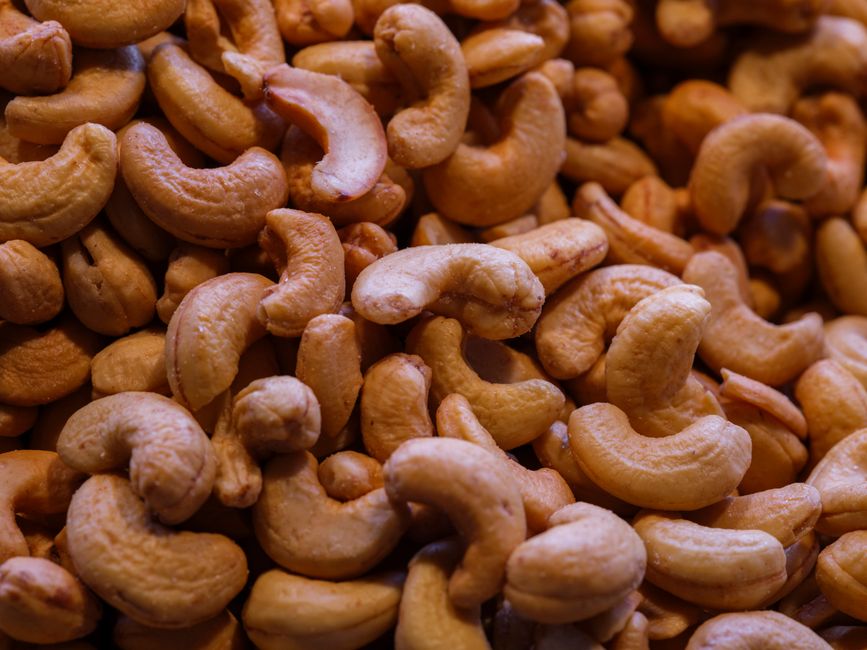
Why Cashews Arent Sold in Shells: Toxicity Facts — Quick Facts trivia by TrivBits

Table of Contents

Did you know that cashews aren't sold in shells for a surprising and potentially dangerous reason? Unlike peanuts, almonds, or walnuts that you can crack open at home, cashews never appear in stores wearing their natural armor. This isn't a marketing gimmick or a matter of convenience—it's a serious safety measure. The cashew shell contains toxic oils that can cause severe skin reactions, making these popular nuts uniquely hazardous in their raw, unprocessed state.

This interesting fact about cashews reveals a hidden danger lurking beneath what seems like an innocent snack. The truth is that cashew processing requires extreme care and specialized knowledge to safely extract the edible nut from its toxic casing.

Key Takeaways

  • Cashew shells contain urushiol, the same toxic oil found in poison ivy, which causes severe skin irritation and burns
  • Raw cashew shells must be carefully processed using heat or mechanical methods to neutralize the toxic resin before the nuts can be safely extracted
  • The "raw" cashews sold in stores have actually been steamed or heated to remove toxins—truly raw cashews are unsafe to eat
  • Workers who process cashews can suffer serious injuries from shell oil exposure, making it a significant occupational hazard in producing countries
  • The toxic shell liquid, called cashew nut shell liquid (CNSL), actually has industrial uses in resins, paints, and friction materials
  • Cashews are technically not nuts but seeds that grow outside the cashew apple fruit in a kidney-shaped shell

Why Cashews Aren't Sold in Shells: The Toxic Truth

The cashew shell harbors a double layer of toxic defense. Between the outer shell and the edible kernel sits a honeycomb structure filled with caustic phenolic resin. This resin contains anacardic acid and cardol, but the most dangerous component is urushiol—yes, the exact same compound that makes poison ivy so miserable.

Urushiol causes allergic contact dermatitis in most people. Even brief contact with cashew shell oil can trigger painful blisters, burns, and rashes that last for weeks. The reaction can be severe enough to require medical treatment. This makes handling raw cashew shells without protection genuinely dangerous, not just uncomfortable.

The concentration of these toxic oils in cashew shells is actually quite high. The shell liquid can comprise roughly 25% of the total weight of the nut-and-shell combination. That's a substantial amount of caustic material surrounding a relatively small edible kernel.

How Cashews Are Safely Processed

Processing cashews requires multiple careful steps to neutralize the shell toxins. Workers must first roast the nuts or steam them at high temperatures. This heat treatment causes the toxic oils to leach out while making the shells brittle enough to crack without releasing harmful fumes.

Some processors use drum roasting, spinning the cashews in large perforated cylinders over open flames. Others employ steam treatment or hot oil baths. Each method aims to accomplish the same goal: rendering the urushiol harmless while preserving the delicate nut inside.

After heat treatment, workers manually crack each shell to extract the kernel. This labor-intensive process explains why cashews cost more than many other nuts. Even with protective equipment, workers in cashew processing facilities—particularly in countries like India, Vietnam, and parts of Africa—can suffer burns and skin damage from residual shell oil exposure.

The extracted kernels then undergo additional peeling to remove a thin, papery skin that may still contain trace irritants. Only after all these steps are cashews safe for human consumption.

Myths and Truths About "Raw" Cashews

Here's a surprising fact that busts a common myth: those "raw" cashews at health food stores aren't truly raw. They've been steamed or otherwise heat-treated to remove shell toxins. Genuinely raw, unprocessed cashews straight from the shell would be unsafe to eat and could cause serious digestive distress.

The term "raw" in cashew marketing refers to nuts that haven't been roasted for flavor—they've still undergone necessary safety processing. This linguistic quirk confuses many consumers who believe they're eating completely unprocessed nuts.

Some people also mistakenly believe cashews grow in hard shells like walnuts. The reality is stranger and more interesting. Cashews grow hanging from the bottom of a cashew apple, a fleshy fruit that's eaten in cashew-growing regions but rarely exported because it spoils quickly. The nut dangles outside the fruit in its toxic shell, making cashews botanically unusual.

The Industrial Uses of Toxic Cashew Shell Liquid

The hazardous shell liquid isn't simply waste—it has valuable industrial applications. Manufacturers extract and process cashew nut shell liquid (CNSL) for use in brake linings, clutch facings, and industrial paints. The phenolic compounds that make it toxic also make it useful in creating heat-resistant and waterproof materials.

CNSL serves as a raw material for resins, varnishes, and even insecticides. This transforms a dangerous byproduct into an economically valuable commodity, though handling it still requires protective equipment and careful safety protocols.

Why Other Nuts Can Be Sold in Shells

The contrast with other nuts is striking. Walnuts, pecans, almonds, and hazelnuts all have shells that are simply hard protective casings without toxic components. You can crack them with a nutcracker in your kitchen without fear of chemical burns.

Nut Type Shell Toxicity Safe to Crack at Home?
Cashews Contains urushiol and phenolic resins No—dangerous
Walnuts None (though outer husk can stain) Yes
Almonds None in shell (though bitter almonds contain cyanide) Yes
Pecans None Yes
Pistachios None Yes

This fundamental difference in shell chemistry explains why cashews require industrial processing while you can buy other nuts still wearing their natural packaging. It's not about convenience—it's about safety.

Frequently Asked Questions

Can you eat cashews straight from the tree?

No, cashews cannot be safely eaten directly from the tree. The shell contains toxic oils that must be removed through heat treatment and careful processing. Even touching raw cashew shells can cause severe skin reactions similar to poison ivy exposure.

Are cashew allergies related to the shell toxins?

No, cashew allergies are separate from shell toxicity. People with cashew allergies react to proteins in the nut itself, not the urushiol in the shell. However, someone allergic to poison ivy may also react to cashew shell oil since both contain urushiol, though this doesn't mean they're allergic to eating processed cashews.

Why are cashews more expensive than other nuts?

The labor-intensive processing required to safely extract cashews from their toxic shells significantly increases production costs. Each nut must be individually handled, roasted, cracked, and peeled—often by hand. This complex process, combined with the safety equipment and expertise required, makes cashews one of the pricier nut options.

What happens if you touch a raw cashew shell?

Touching raw cashew shells typically causes painful skin reactions including redness, blistering, and burning sensations that can last for days or weeks. The severity depends on exposure duration and individual sensitivity to urushiol. Some people may experience more severe reactions requiring medical treatment, while others might have milder symptoms.
Sources

Why Sharks Predate Trees: The Fossil Record Truth

Why Sharks Predate Trees: The Fossil Record Truth

By TrivBits, Staff Writer — Published August 28, 2026

Why Sharks Predate Trees: The Fossil Record Truth — Quick Facts trivia by TrivBits

Table of Contents

Did you know that sharks swam through ancient oceans roughly 200 million years before the first trees took root on land? This surprising fact sounds impossible at first. After all, forests seem timeless, primordial, like they've always been part of Earth's landscape. But the fossil record tells a different story—one where apex predators ruled the seas long before woody plants reached for the sky.

The truth behind why sharks predate trees reveals how young forests really are in geological terms. It's a fascinating glimpse into deep time, where our assumptions about what's "ancient" get turned upside down.

Key Takeaways

  • Sharks first appeared approximately 450 million years ago during the Ordovician period, while trees emerged around 350-380 million years ago.
  • Early sharks evolved in the oceans before plants had developed the woody tissue and height that define true trees.
  • The gap between shark and tree evolution spans roughly 70-100 million years—longer than the entire age of dinosaurs.
  • This timeline challenges common assumptions about what counts as "ancient" in nature.
  • Both sharks and trees have shown remarkable evolutionary staying power, adapting through multiple mass extinction events.
  • The fossil record provides clear evidence for these timelines through preserved remains in rock strata worldwide.

When Sharks Predate Trees: Understanding Deep Time

The story begins in the Ordovician period, about 450 million years ago. Oceans dominated the planet. Early shark ancestors—primitive fish with cartilaginous skeletons—appeared in these ancient seas. These weren't the sleek predators we recognize today. They were experimental models, testing out body plans that would eventually lead to modern sharks.

What did Earth look like then? Barren. Rocky continents stretched without a hint of green forests. Plants existed, sure—mosses, liverworts, and small primitive vegetation hugged the ground near water. But nothing tall. Nothing woody. The very concept of a tree didn't exist yet.

Trees required several evolutionary innovations that took millions of years to develop. They needed lignin, the complex organic polymer that makes wood rigid. They needed vascular systems sophisticated enough to transport water and nutrients dozens of feet upward against gravity. They needed root systems that could anchor substantial weight. None of this happened overnight in evolutionary terms.

The First Trees: Late to the Party

The earliest tree-like plants appeared during the Devonian period, somewhere between 350 and 380 million years ago. Archaeopteris and Wattieza represent some of the first organisms we'd recognize as trees, with woody trunks and branches reaching upward.

Think about that gap. Between 70 and 100 million years separate shark origins from tree origins. To put this in perspective, that's longer than the entire Cretaceous period—the whole span from the rise of flowering plants to the asteroid that wiped out non-avian dinosaurs.

Sharks had already diversified into multiple forms by the time trees appeared. Some had bizarre spiral tooth whorls. Others experimented with different fin configurations. The oceans were their laboratory, and they'd been conducting experiments for eons while land remained largely lifeless.

What the Fossil Evidence Shows

Paleontologists don't make these claims lightly. The fossil record, while incomplete, provides compelling evidence through multiple lines of investigation.

Period Time (Million Years Ago) Shark Evidence Tree Evidence
Ordovician ~450 Scales and teeth from early sharks None—only small plants
Silurian ~430 More diverse shark fossils Vascular plants emerging, no trees
Devonian ~380 Well-established shark diversity First true trees appear
Carboniferous ~350 Abundant shark species Vast forests dominate land

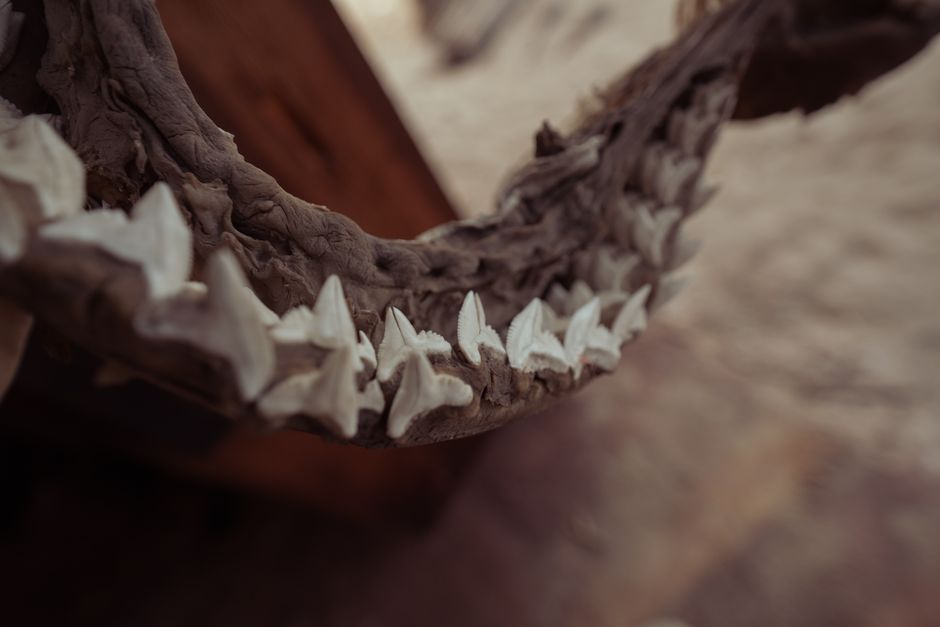
Shark fossils present special challenges. Cartilage doesn't preserve as readily as bone. But sharks constantly shed teeth throughout their lives, and these hard structures fossilize beautifully. Scales, spines, and occasional body impressions fill out the picture. Together, they paint a clear timeline.

Tree fossils become abundant once woody plants evolve. Petrified wood, leaf impressions, and fossilized root systems appear in Devonian rock layers. Before that? Nothing resembling trees exists in the geological record.

Why This Trivia Matters: Perspective on Evolutionary Time

This interesting fact does more than win trivia contests. It recalibrates our sense of time and change on Earth.

Humans tend to think of forests as eternal, unchanging backdrops. We imagine dinosaurs lumbering through jungles, ancient forests stretching back forever. But forests are relatively recent inventions. For millions upon millions of years, continents stood naked under alien skies while complex life thrived exclusively in water.

Sharks represent one of evolution's most successful designs. They've survived at least four major mass extinction events. The basic body plan—streamlined, efficient, adaptable—works so well that it's remained largely unchanged for hundreds of millions of years. Trees, younger by comparison, have also proven remarkably resilient, transforming Earth's atmosphere and landscapes in ways still visible today.

Common Myths and Unknown Truths

Several misconceptions surround this topic. Let's address them directly.

Myth: Modern sharks are identical to ancient sharks. Not quite. Early sharks looked strange by today's standards. The modern shark body plan emerged later. What's remarkable is that the fundamental design—cartilaginous skeleton, multiple gill slits, replaceable teeth—has proven so durable.

Myth: No plants existed before trees. Plants colonized land before trees evolved. Small, ground-hugging vegetation appeared perhaps 470 million years ago. Trees represent a later innovation in plant evolution, not the beginning of terrestrial plant life.

Unknown truth: The gap is huge. Most people, when learning sharks predate trees, underestimate the timeline. Seventy to one hundred million years isn't a small head start. It's an enormous span during which Earth's climate, geography, and atmospheric composition changed dramatically multiple times.

Frequently Asked Questions

How do scientists know sharks are older than trees?

Scientists use radiometric dating of rock layers containing fossils. Shark teeth and scales appear in geological strata dated to approximately 450 million years ago, while the earliest tree fossils appear in layers dated to roughly 380 million years ago. The rock layers' ages are determined through the decay of radioactive isotopes, providing reliable timelines.

Were there any tall plants before trees evolved?

Some pre-tree plants achieved modest height. Early vascular plants like Cooksonia stood only inches tall. Later plants reached a few feet. But nothing approached true tree height or possessed woody trunks until the Devonian period. The landscape remained relatively flat and low-lying for millions of years.

Did early sharks look like modern sharks?

Not exactly. While they shared basic features like cartilaginous skeletons and teeth, many early sharks had unusual characteristics. Some possessed strange dorsal spines, others had peculiar jaw structures. The streamlined, torpedo-shaped body we associate with sharks today evolved over time through natural selection.

Why did trees take so long to evolve compared to sharks?

Trees required multiple complex adaptations working together: lignin for structural support, sophisticated vascular systems for water transport, extensive root networks, and reproductive strategies suited for terrestrial life. Each innovation took time. Marine life had a head start because oceans provided buoyancy, eliminating the need for rigid support structures that land plants required.

Sources