










1 / 10 Questions
0 Points

What does the tennis scoring term 'love' mean?

Match point

Winning serve

Zero points

Tie score

Points won
0
Correct score
0%

More Questions

More Articles

Top 10 Most Bizarre Desserts from Around the Globe

Top 10 Most Bizarre Desserts from Around the Globe

⏱️ 6 min read

The world of desserts extends far beyond chocolate cake and ice cream. Across different cultures and continents, creative confectioners have developed sweet treats that challenge Western palates and push the boundaries of what we consider dessert. From insects to blood, and from charcoal to cheese, these unusual delicacies reflect the diverse culinary traditions and available ingredients of their regions. Here are ten of the most extraordinary and peculiar desserts that adventurous food enthusiasts can find around the world.

The World's Most Unusual Sweet Treats

1. Huitlacoche Ice Cream from Mexico

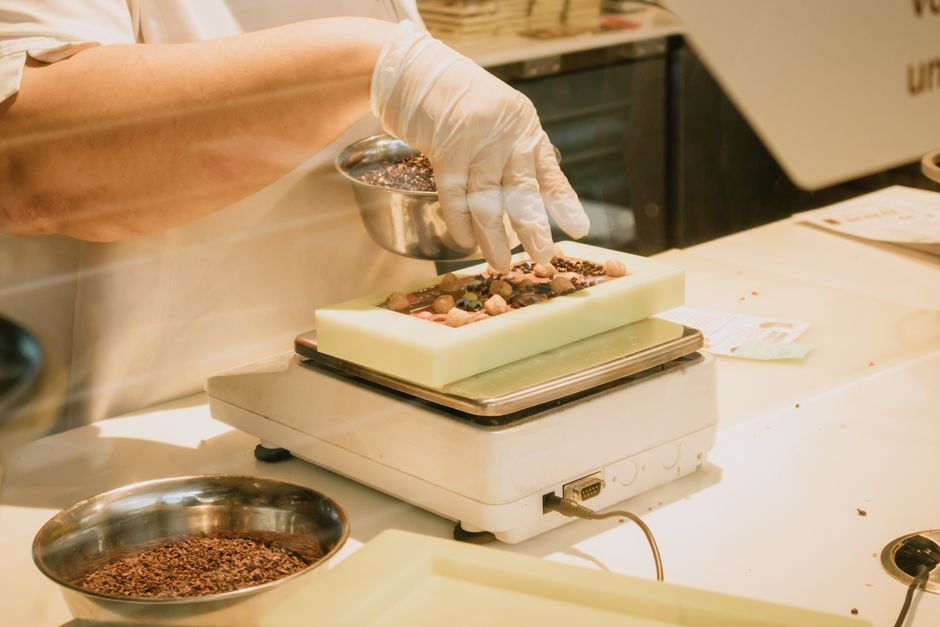
Known as "Mexican truffle" or corn smut, huitlacoche is a fungus that grows on corn kernels, turning them into dark, mushroom-like growths. While traditionally used in savory dishes, innovative Mexican chefs have transformed this ingredient into a surprisingly complex ice cream flavor. The fungus provides earthy, umami notes that create a sweet-savory dessert experience unlike anything found in conventional ice cream parlors. The dark gray color alone makes this dessert a conversation starter, while the subtle corn flavor combined with the mushroom-like earthiness creates a polarizing yet unforgettable taste.

2. Blood Tofu Pudding from Taiwan

Pig's blood pudding, or "tee-hap," takes the concept of blood sausage into dessert territory. This Taiwanese street food consists of coagulated pig's blood served on a stick, rolled in crushed peanuts and cilantro, and often drizzled with sweet sauce. The texture resembles firm tofu or jelly, with a subtle metallic taste that the sweet coating attempts to balance. Rich in iron and protein, this dessert reflects the nose-to-tail eating philosophy prevalent in many Asian cultures, where no part of an animal goes to waste.

3. Activated Charcoal Ice Cream from Worldwide Trendy Establishments

This jet-black dessert has taken Instagram by storm, though its origins span multiple countries. Made with activated charcoal powder, this ice cream creates a striking visual contrast with its dark appearance and often features flavors like coconut, vanilla, or almond. While proponents claim health benefits from the charcoal's supposed detoxifying properties, health experts warn that activated charcoal can interfere with medication absorption. The bizarre appeal lies not in exotic ingredients but in the unsettling visual of eating pitch-black ice cream that temporarily stains the tongue and teeth.

4. Casu Marzu from Sardinia, Italy

Translating to "rotten cheese," casu marzu is a traditional Sardinian sheep milk cheese that contains live insect larvae. While technically illegal in the European Union due to health regulations, this fermented delicacy is still produced and consumed in Sardinia, often served after meals as a dessert course with sweet wine. The cheese fly larvae break down the fats, creating an extremely soft, nearly liquid texture. Diners must protect their eyes, as disturbed larvae can jump up to six inches. The flavor is intensely sharp and pungent, with an ammonia-like aftertaste that lingers long after consumption.

5. Mopane Worm Dessert from Southern Africa

The mopane worm, actually a caterpillar of the emperor moth, is traditionally eaten as a savory snack throughout Southern Africa. However, creative confectioners have begun incorporating these dried protein-rich insects into sweet applications, including chocolate-covered versions and candied preparations. The worms provide a crunchy texture similar to potato chips, while their mild, slightly nutty flavor pairs surprisingly well with caramel and chocolate coatings. This dessert challenges Western aversions to entomophagy while offering a sustainable protein source wrapped in familiar sweet flavors.

6. Shirako from Japan

Shirako, which translates to "white children," is the sperm sac of male fish, typically cod or puffer fish. While usually prepared as a savory dish, it occasionally appears in sweet preparations or as part of elaborate dessert courses in high-end Japanese restaurants. The texture is creamy and custard-like, often compared to foie gras or soft cheese. When incorporated into desserts, it's typically paired with sweet miso or honey-based sauces. The psychological barrier of knowing what you're eating makes this one of the most challenging desserts for Western palates to accept.

7. Durian Crepes and Pastries from Southeast Asia

The durian fruit, banned from many hotels and public transportation systems throughout Asia due to its overwhelming smell, serves as a popular dessert ingredient across Southeast Asia. Described as smelling like rotting onions, turpentine, or gym socks, durian's odor contrasts sharply with its sweet, custardy flesh. Durian crepes, layer cakes, and ice cream are beloved throughout Thailand, Malaysia, and Singapore. The fruit's complex flavor profile combines sweet, savory, and slightly sulfurous notes, creating a love-it-or-hate-it dessert experience that divides even adventurous eaters.

8. Basashi Ice Cream from Japan

Raw horse meat, known as basashi in Japan, has been transformed into an ice cream flavor sold in the Kumamoto region. The pink-colored dessert combines the gamey flavor of horse meat with a creamy, sweet base, creating a profoundly unusual taste experience. Chunks of actual horse meat are sometimes included in the ice cream, providing textural contrast. This dessert exemplifies the Japanese tendency to experiment with unconventional ice cream flavors, pushing boundaries far beyond what most Western consumers would consider appropriate for frozen desserts.

9. Hákarl Dessert Preparations from Iceland

Fermented shark, or hákarl, is traditionally eaten as a savory course in Iceland, but adventurous chefs have begun incorporating it into dessert applications. The Greenland shark must be fermented and dried for several months to break down toxic compounds, resulting in a strong ammonia smell and fishy taste. When used in desserts, it's typically paired with strong flavors like licorice, a popular taste in Iceland, or incorporated into ice cream. The pungent, acquired taste makes this one of the most challenging desserts globally, even for Icelanders who didn't grow up eating it.

10. Ais Kacang with Grass Jelly and Red Beans from Malaysia

While not made from shocking ingredients, ais kacang earns its place through its bizarre combination of elements that Western palates find confusing in dessert form. This shaved ice dessert includes grass jelly (made from a mint-family plant), red beans, sweet corn, palm seeds, and evaporated milk, all topped with colorful syrups. The mixture of beans and corn in what's essentially a snow cone creates cognitive dissonance for those accustomed to Western dessert conventions. Each spoonful delivers contrasting textures and temperatures, with the savory beans and corn competing against the sweet syrups and condensed milk.

Conclusion

These ten bizarre desserts demonstrate that sweetness takes many forms across global cuisines. What seems shocking or unappetizing in one culture may be a beloved traditional treat in another. From insect larvae to fermented shark, and from blood pudding to fish sperm, these desserts challenge our preconceptions about what belongs in the sweet course of a meal. They reflect local ingredients, historical necessity, culinary creativity, and cultural values that differ dramatically from Western dessert traditions. For the truly adventurous eater, seeking out these unusual sweets provides not just a taste experience but a deeper understanding of global food cultures and the endless possibilities within culinary creativity.
The Truth About Polo Being the Oldest Team Sport

The Truth About Polo Being the Oldest Team Sport

By TrivBits, Staff Writer — Published September 3, 2026

The Truth About Polo Being the Oldest Team Sport — Sports trivia by TrivBits

Table of Contents

Did you know that the claim about polo being the oldest team sport isn't quite as simple as it sounds? This surprising assertion gets repeated often, but the truth polo oldest sport enthusiasts need to understand is more nuanced than a quick trivia answer suggests. Polo certainly ranks among the most ancient organized team competitions, with roots stretching back more than two millennia. But calling it definitively "the oldest" requires examining what we mean by "team sport" and how we measure historical evidence.

The fascinating history of polo involves Persian cavalry training, royal patronage across continents, and a game that evolved dramatically over centuries. Let's separate the myths from the verifiable facts.

Key Takeaways

  • Polo originated in ancient Persia (modern-day Iran) approximately 2,000 to 2,500 years ago, initially as cavalry training for elite troops.
  • The claim that polo is "the oldest" team sport depends heavily on how you define both "team" and "sport" in historical contexts.
  • Other ancient team activities like Mesoamerican ball games may predate polo by centuries, though evidence varies in completeness.
  • Polo spread from Persia throughout Asia, reaching China, Japan, and the Indian subcontinent where British colonials encountered it in the 1800s.
  • The modern version of polo, with standardized rules and field dimensions, emerged in the mid-19th century in British India.
  • Historical records for ancient sports are incomplete, making absolute claims about "oldest" difficult to verify conclusively.

The Truth About Polo's Oldest Sport Claims: What Evidence Actually Shows

When people declare polo the oldest team sport, they're drawing on Persian historical records. The game appears in ancient texts and artwork from Persia dating to roughly 600 BCE, possibly earlier. Persian nobility played a version called "chaugan," which served dual purposes: entertainment for the aristocracy and practical cavalry training for mounted warriors.

But here's where interesting complications arise. Mesoamerican civilizations played organized ball games with teams centuries before polo's documented Persian origins. Archaeological evidence suggests these games existed as early as 1400 BCE. The Olmec, Maya, and later Aztec cultures all participated in variations of ritual ball games with formal rules, designated playing areas, and team-based competition.

So why does polo get the "oldest team sport" title so often? The distinction often comes down to continuity. Polo has an unbroken lineage from ancient Persia through to modern international competition. The Mesoamerican ball games, while older, died out after Spanish colonization and weren't continuously played into the modern era.

How Polo Evolved From Military Training to Royal Pastime

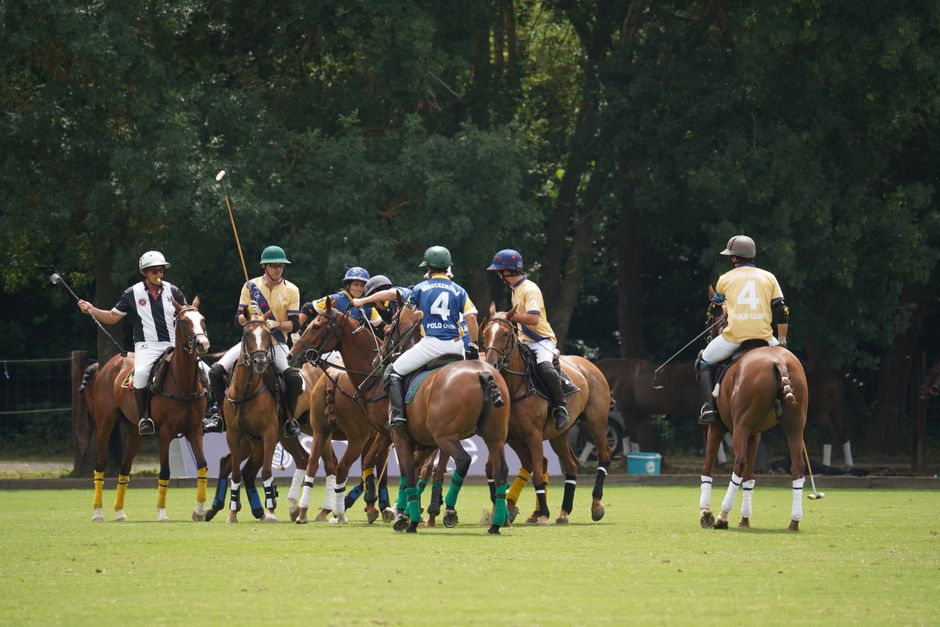
Ancient Persian polo wasn't the refined sport we recognize today. Teams could field dozens of players—sometimes over 100 per side. The playing field had no standard size. Matches could last for hours or even days. Think of it less as organized sport and more as organized chaos on horseback.

The game served a serious military function. Cavalry units needed coordination, horsemanship, and the ability to strike targets while moving at speed. Polo developed all these skills while building camaraderie among troops. Persian kings and nobles soon adopted the game, transforming it into a demonstration of wealth, skill, and political power.

As Persia's influence spread, so did polo. The game reached Constantinople, where Byzantine emperors played. It traveled east along trade routes to China, where Tang Dynasty emperors embraced it enthusiastically. Women of the Chinese court played polo, a detail documented in artwork and historical accounts. The game reached Japan by the 8th century CE.

In India, various forms of polo took root across different regions. British military officers and tea planters encountered the game in Manipur and Assam during the 1850s. Fascinated by what they saw, these colonials began codifying rules, standardizing equipment, and establishing the framework for modern polo.

Comparing Ancient Team Sports: The Historical Record

Sport/Game Approximate Origin Date Region Continuous Play to Modern Era?
Mesoamerican Ball Game ~1400 BCE Central America No (ended ~16th century)
Polo (Chaugan) ~600 BCE or earlier Persia Yes
Cuju (ancient football) ~300 BCE China No (ended ~17th century)
Kemari ~600 CE Japan Yes (ceremonially)

Unknown Facts That Challenge Simple Narratives

Here's something most trivia doesn't mention: defining "sport" for ancient activities is genuinely problematic. Many ancient team competitions had religious or ritual significance that blurs the line between sport and ceremony. The Mesoamerican ball games often ended with ritual sacrifice. Does that make them less of a "sport" or simply a different cultural context for competition?

Similarly, ancient Chinese cuju involved kicking a leather ball through an opening into a net. Teams competed. Rules existed. But cuju also served military training purposes and court entertainment. Sound familiar? The parallels to polo's origins are striking.

The truth is that humans have been organizing team competitions for thousands of years across multiple civilizations. Declaring one definitively "oldest" requires cherry-picking definitions and evidence. Polo's legitimate claim to antiquity doesn't require exaggeration—the game's verified 2,500-year history speaks for itself.

Why the Myth Persists in Modern Polo Culture

Polo organizations and enthusiasts have good reasons for promoting the "oldest team sport" narrative. The claim connects modern players to an ancient tradition, adding prestige and historical weight to the game. Polo already carries associations with wealth and exclusivity; linking it to Persian royalty and millennia of history reinforces that elite image.

The British revival and codification of polo in the 19th century also plays a role. British colonial officers saw themselves as heirs to ancient traditions, and polo fit perfectly into narratives about civilization, refinement, and noble pursuits. These Victorian-era attitudes shaped how polo was marketed and understood in the English-speaking world.

Modern international polo has embraced this heritage enthusiastically. The sport's governing bodies, clubs, and promotional materials frequently reference polo's ancient origins. It's effective branding, even if the historical reality is more complex than the tagline suggests.

Frequently Asked Questions

Is polo actually the oldest team sport in the world?

Polo is among the oldest continuously played team sports, with documented history reaching back approximately 2,500 years to ancient Persia. However, Mesoamerican ball games have archaeological evidence suggesting origins around 1400 BCE, predating polo by several centuries. The claim depends on how you define "sport" versus ritual activity and whether continuous play into the modern era matters for the designation.

Where was polo invented and how did it spread globally?

Polo originated in Persia (modern-day Iran) as cavalry training for noble and military classes. From Persia, the game spread east to China, Japan, and throughout the Indian subcontinent over many centuries. British colonial officers encountered polo in India during the 1850s, codified modern rules, and introduced it to Europe, the Americas, and other parts of the British Empire.

How different was ancient polo from the modern game?

Ancient Persian polo bore little resemblance to today's standardized sport. Teams could have over 100 players per side, playing fields had no set dimensions, and matches could last for days. The modern game, with four players per team, defined field size, and timed periods, emerged from British codification in the mid-to-late 1800s based on versions played in India.

What other ancient civilizations played team sports?

Many ancient cultures developed team competitions. China had cuju, an early form of football, by around 300 BCE. Mesoamerican civilizations played ritual ball games from approximately 1400 BCE. Ancient Greeks had team events, though many focused on individual athletic achievement. Japan developed kemari, a cooperative ball game. The human impulse to organize team competition appears across virtually all civilizations with sufficient historical records.

Sources