








1 / 10 Questions
0 Points

What currency is used in Japan?

Yen

Baht

Yuan

Won

Points won
0
Correct score
0%

More Questions

More Articles

Why Cashews Are Never Sold in Shells: The Toxic Truth

Why Cashews Are Never Sold in Shells: The Toxic Truth

Why Cashews Are Never Sold in Shells: The Toxic Truth

By Trivia Daily, Staff Writer — Published August 4, 2026

Table of Contents

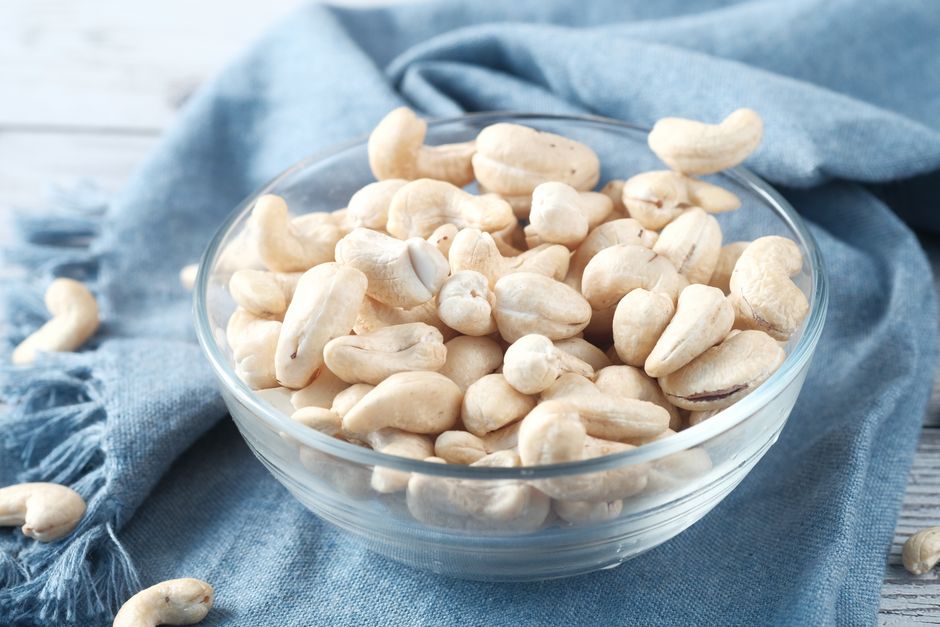
Walk down any grocery aisle and you'll find cashews roasted, salted, candied, and raw—but never in their shells. This isn't a quirk of packaging or preference. Cashews never sold in their natural shells hide a dangerous secret: the shell itself contains a toxic resin that can cause severe chemical burns. Unlike peanuts or walnuts that you can crack open at home, cashews require careful industrial processing to become safe for human consumption. The nut you casually snack on has survived a gauntlet of heat, steam, and meticulous hand-shelling to reach your bowl.

This surprising truth reveals why cashews cost more than many other nuts and why workers in processing facilities face significant health risks. The story behind your favorite creamy nut is far more interesting—and hazardous—than most people realize.

Key Takeaways

  • Cashew shells contain urushiol, the same toxic oil found in poison ivy, which causes severe skin reactions and burns
  • The shell must be heated or steamed to neutralize toxins before workers can safely remove the edible nut inside
  • Cashews technically aren't true nuts but seeds that grow outside the cashew apple fruit in a kidney-shaped shell
  • Processing cashews remains largely a manual task, requiring skilled workers to extract the delicate kernel without breaking it
  • The toxic shell resin has industrial uses, including in brake linings, paints, and waterproofing materials
  • Raw cashews sold in stores have actually been heat-treated—truly raw cashews would be unsafe to eat

The Toxic Chemistry Behind Cashew Shells

The cashew shell contains anacardic acid and cardol, phenolic compounds that together form cashew shell liquid, or CNSL. This caustic resin belongs to the same chemical family as urushiol, the notorious irritant in poison ivy and poison oak. Contact with raw cashew shells can trigger allergic dermatitis, painful blisters, and chemical burns that take weeks to heal.

The concentration of these toxins is remarkably high. A single shell contains enough resin to cause significant skin damage. Workers who handle raw cashews without proper protection often develop scarred hands and respiratory problems from the fumes released during processing. This isn't a mild irritant—it's a genuine industrial hazard that requires strict safety protocols.

Interestingly, the cashew tree developed these defenses for good evolutionary reasons. The toxic shell protects the seed from insects, fungi, and animals that might otherwise consume it. Humans are among the few species determined enough to overcome this chemical fortress for the prize inside.

How Cashews Are Safely Processed

Transforming toxic cashew shells into edible nuts requires multiple careful steps. First, workers dry the raw cashews in the sun for several days to reduce moisture content. Then comes the critical detoxification phase: roasting or steaming the shells at high temperatures to break down the toxic compounds and make the resin less caustic.

Traditional roasting methods involve heating cashews in large drums or over open flames. The heat causes the toxic oil to leak out and burn off, though this releases noxious fumes that workers must avoid. Modern facilities often use steam treatment, which is safer for workers and produces more consistent results. The steam penetrates the shell, softening it and neutralizing much of the urushiol content.

After heat treatment comes the delicate task of shelling. Despite advances in technology, most cashews are still shelled by hand. Mechanical shelling often breaks the fragile kernel, reducing its market value. Skilled workers crack the softened shell with small hammers or cutting tools, carefully extracting the whole nut. A final heating step ensures any remaining toxins are eliminated before the cashews reach consumers.

The Economics of Manual Processing

The labor-intensive nature of cashew processing explains why these nuts command premium prices. A skilled worker can shell several kilograms per day, but the repetitive motion causes hand strain and exposure risks persist despite precautions. Major cashew-producing countries like Vietnam, India, and several African nations employ hundreds of thousands of workers in this industry, where working conditions vary widely.

Why "Raw" Cashews Aren't Actually Raw

Here's a fact that surprises many health-conscious consumers: the "raw" cashews sold in stores have been heat-treated. Truly raw cashews, straight from the shell without any processing, would contain traces of urushiol and other irritants. They're technically unsafe for consumption.

Food safety regulations require cashews to undergo heating sufficient to eliminate toxins. What's sold as "raw" has been heated to lower temperatures than roasted cashews, preserving more of the nut's natural enzymes and flavor profile. But make no mistake—every cashew you've ever eaten has been cooked to some degree.

This processing requirement sets cashews apart from most other nuts. You can harvest and eat walnuts, almonds, or pecans directly from the tree with minimal processing. Cashews demand respect and careful handling from harvest to table.

The Unexpected Uses of Cashew Shell Liquid

The toxic resin that makes cashew processing so challenging isn't waste—it's a valuable industrial material. Cashew shell liquid is a natural phenolic compound with remarkable properties. Manufacturers use it to produce friction materials for brake linings and clutch plates, where its heat resistance and binding properties excel.

The chemical industry transforms CNSL into resins, varnishes, and paints with excellent water resistance and durability. It serves as a raw material for insecticides, fungicides, and even in some biomedical applications. The same compounds that burn human skin prove useful in products requiring chemical resistance and stability.

This dual nature—toxic hazard and industrial resource—makes cashew processing facilities focus on capturing and refining the shell liquid rather than simply disposing of it as waste. The economics of cashew production depend partly on selling both the edible nut and the industrial resin.

Comparing Cashews to Other Tree Nuts

Nut Type Shell Toxicity Processing Required Home Shelling
Cashews Highly toxic (urushiol compounds) Heat treatment mandatory Dangerous, not recommended
Almonds Non-toxic shell Simple cracking Safe and common
Walnuts Non-toxic shell Simple cracking Safe and common
Pecans Non-toxic shell Simple cracking Safe and common
Brazil Nuts Non-toxic shell (very hard) Industrial cracking preferred Difficult but safe

Frequently Asked Questions

Can you eat cashews straight from the tree?

No, cashews must be processed and heated to remove toxic oils from the shell before they're safe to eat. Consuming unprocessed cashews can cause severe allergic reactions and chemical burns in the mouth and digestive system.

Why are cashews more expensive than other nuts?

Cashews require labor-intensive processing to safely remove toxic shells, and most shelling is still done by hand to avoid breaking the delicate kernels. The complex processing and lower yields compared to other nuts drive up the price.

Are people with nut allergies also allergic to cashews?

Cashews are technically seeds, not true nuts, but they're one of the most common tree nut allergens. People with tree nut allergies often react to cashews, and allergists typically recommend avoiding them along with other tree nuts.

What is the cashew apple and can you eat it?

The cashew apple is the fleshy fruit to which the cashew shell attaches. It's edible and consumed fresh or made into juices and preserves in cashew-growing regions, though it's too perishable to export widely and remains relatively unknown outside tropical areas.

The next time you reach for a handful of cashews, remember the remarkable journey each one has taken. From toxic shells that could burn your skin to the creamy, buttery nuts that enhance countless dishes, cashews prove that some of nature's best flavors come wrapped in serious chemical defenses. The humble cashew carries a secret that reminds us how much invisible work goes into even the simplest foods we take for granted.

Top 10 Most Influential Cookbooks of All Time

Top 10 Most Influential Cookbooks of All Time

⏱️ 6 min read

Throughout culinary history, certain cookbooks have transcended their role as mere recipe collections to become cultural touchstones that fundamentally changed how people cook, eat, and think about food. These influential volumes have shaped professional kitchens, home cooking practices, and entire culinary movements across generations. From ancient Rome to modern molecular gastronomy, the following cookbooks have left an indelible mark on the gastronomic world.

The Cookbooks That Changed Culinary History

1. "Mastering the Art of French Cooking" by Julia Child, Simone Beck, and Louisette Bertholle

Published in 1961, this monumental work brought classical French cuisine to American home kitchens with unprecedented accessibility. Julia Child's methodical approach demystified techniques that many considered impossibly complex, from making perfect béchamel sauce to deboning a duck. The book's conversational tone and exhaustive instructions gave confidence to home cooks who had never attempted such sophisticated dishes. Beyond recipes, it sparked a culinary revolution in America, inspiring generations to view cooking as both an art and an achievable pleasure. The book's influence extended through Child's subsequent television career, fundamentally transforming American food culture and elevating cooking from mundane necessity to celebrated craft.

2. "Le Guide Culinaire" by Auguste Escoffier

First published in 1903, Escoffier's masterwork codified French haute cuisine and established the foundation for professional cooking worldwide. This comprehensive guide systematized kitchen operations, standardized recipes, and introduced the brigade system that still organizes professional kitchens today. Escoffier's five mother sauces became the cornerstone of classical cooking education, and his emphasis on fresh ingredients and simplified presentations modernized French cuisine for the twentieth century. Chefs and culinary students continue to reference this tome as the authoritative source on classical French techniques, making it arguably the most influential professional cookbook ever written.

3. "The Joy of Cooking" by Irma S. Rombauer

Since its 1931 debut, this American classic has served as the definitive kitchen companion for millions of home cooks. Rombauer's revolutionary approach featured a conversational writing style and action-method formatting that placed ingredients within the instructions rather than listing them separately. The book's comprehensive scope covers everything from basic techniques to elaborate holiday feasts, making it an all-purpose reference that families pass down through generations. Its regular updates reflect changing American tastes while maintaining its accessible, encouraging voice. More than any other single volume, "The Joy of Cooking" has shaped American home cooking practices and food traditions.

4. "Larousse Gastronomique" by Prosper Montagné

Published in 1938, this encyclopedic reference work represents the culmination of French culinary knowledge. More than a cookbook, it functions as a comprehensive gastronomic encyclopedia covering ingredients, techniques, equipment, and culinary history. Montagné's exhaustive compilation includes contributions from leading chefs and food authorities, creating an authoritative resource that remains essential in professional kitchens worldwide. The book's influence extends beyond recipes to encompass food culture, wine pairing, and the science of cooking. Its numerous editions and translations have made it the definitive reference for serious cooks and food professionals globally.

5. "The Fannie Farmer Cookbook" by Fannie Merritt Farmer

Originally published in 1896 as "The Boston Cooking-School Cook Book," this groundbreaking work introduced standardized measurements to American cooking. Before Farmer, recipes relied on imprecise quantities like "a piece of butter the size of an egg" or "a teacup of flour." Her insistence on level measurements revolutionized recipe writing and made cooking more reliable and teachable. This scientific approach transformed cooking from an intuitive art passed down orally to a precise, replicable practice. The book's influence on culinary education and recipe standardization cannot be overstated, as it established conventions still followed today.

6. "A Book of Mediterranean Food" by Elizabeth David

When Elizabeth David published this book in 1950, post-war Britain was mired in rationing and culinary deprivation. Her lyrical prose evoked sun-drenched Mediterranean flavors, exotic ingredients, and the joy of eating well. Though many ingredients were unavailable to British readers at the time, David's passionate writing inspired a generation to seek out better food and embrace foreign cuisines. Her subsequent books continued this mission, fundamentally changing British attitudes toward food and cooking. David's influence extended throughout the English-speaking world, helping to spark the modern food revolution and elevating food writing to literary art.

7. "The Art of Chinese Cooking" by the Benedictine Sisters of Peking

Published in 1956, this cookbook introduced authentic Chinese cuisine to Western audiences with unprecedented detail and accuracy. Written by European nuns who had lived in China for decades, it bridged cultural gaps by explaining Chinese cooking principles in terms Western cooks could understand. The book covered regional variations, proper techniques, and the philosophy underlying Chinese culinary traditions. Its influence helped dispel stereotypes and misconceptions about Chinese food, paving the way for greater appreciation of Asian cuisines in Western countries and inspiring subsequent generations of Chinese cookbook authors.

8. "The Alice B. Toklas Cook Book" by Alice B. Toklas

Published in 1954, this unconventional cookbook blended recipes with memoir, creating a new genre of culinary literature. Toklas, longtime companion of Gertrude Stein, infused her recipes with stories of Parisian artistic circles and European travels. The book's narrative approach influenced countless food writers who followed, demonstrating that cookbooks could be read for pleasure, not just consulted for instructions. Beyond its literary innovation, it introduced American readers to sophisticated European dishes and techniques, contributing to the mid-century interest in continental cuisine. Its influence on food writing as a literary form remains profound.

9. "The Silver Palate Cookbook" by Julee Rosso and Sheila Lukins

This 1982 publication captured and accelerated the gourmet food movement in America, making sophisticated entertaining accessible to home cooks. Rosso and Lukins introduced ingredients like sun-dried tomatoes, raspberry vinegar, and balsamic vinegar to mainstream American kitchens. Their recipes balanced elegance with practicality, encouraging hosts to prepare impressive meals without professional training. The book's casual elegance and emphasis on fresh, high-quality ingredients influenced how Americans cook for guests and sparked interest in artisanal foods. Its impact on American food culture and the specialty food industry during the 1980s and beyond was transformative.

10. "Apicius: De Re Coquinaria" (On the Subject of Cooking)

Dating from the fourth or fifth century CE, this ancient Roman cookbook is the oldest surviving collection of recipes in Western civilization. Attributed to Marcus Gavius Apicius, a legendary Roman epicure, it provides invaluable insight into ancient Roman culinary practices, ingredients, and tastes. The recipes reveal sophisticated techniques, extensive use of spices, and elaborate preparations that challenge assumptions about ancient cuisine. Beyond its historical significance, Apicius influenced medieval and Renaissance cooking, with its recipes and approaches echoing through centuries of European cuisine. Modern chefs and food historians continue to study and recreate these ancient dishes, connecting contemporary cooking to its classical roots.

The Lasting Legacy of Culinary Literature

These ten cookbooks represent more than collections of recipes; they are cultural artifacts that have shaped how societies eat, cook, and think about food. From ancient Rome to twentieth-century America, each volume responded to its historical moment while creating lasting change. They established professional standards, democratized sophisticated cooking, introduced foreign cuisines to new audiences, and elevated food writing to an art form. Their influence extends beyond individual recipes to encompass cooking philosophy, kitchen organization, and the very language we use to discuss food. Today's vibrant food culture, with its celebrity chefs, cooking shows, and culinary tourism, owes an enormous debt to these foundational texts that transformed cooking from necessity to passion.