
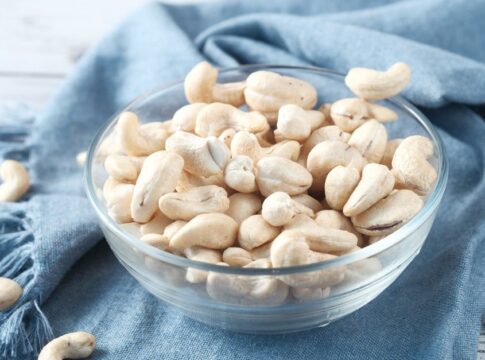
Why Cashews Are Never Sold in Shells: The Toxic Truth
By Trivia Daily, Staff Writer — Published August 4, 2026
Table of Contents
- Key Takeaways
- The Toxic Chemistry Behind Cashew Shells
- How Cashews Are Safely Processed
- Why “Raw” Cashews Aren’t Actually Raw
- The Unexpected Uses of Cashew Shell Liquid
- Comparing Cashews to Other Tree Nuts
- Frequently Asked Questions
Walk down any grocery aisle and you’ll find cashews roasted, salted, candied, and raw—but never in their shells. This isn’t a quirk of packaging or preference. Cashews never sold in their natural shells hide a dangerous secret: the shell itself contains a toxic resin that can cause severe chemical burns. Unlike peanuts or walnuts that you can crack open at home, cashews require careful industrial processing to become safe for human consumption. The nut you casually snack on has survived a gauntlet of heat, steam, and meticulous hand-shelling to reach your bowl.
This surprising truth reveals why cashews cost more than many other nuts and why workers in processing facilities face significant health risks. The story behind your favorite creamy nut is far more interesting—and hazardous—than most people realize.
Key Takeaways
- Cashew shells contain urushiol, the same toxic oil found in poison ivy, which causes severe skin reactions and burns
- The shell must be heated or steamed to neutralize toxins before workers can safely remove the edible nut inside
- Cashews technically aren’t true nuts but seeds that grow outside the cashew apple fruit in a kidney-shaped shell
- Processing cashews remains largely a manual task, requiring skilled workers to extract the delicate kernel without breaking it
- The toxic shell resin has industrial uses, including in brake linings, paints, and waterproofing materials
- Raw cashews sold in stores have actually been heat-treated—truly raw cashews would be unsafe to eat
The Toxic Chemistry Behind Cashew Shells
The cashew shell contains anacardic acid and cardol, phenolic compounds that together form cashew shell liquid, or CNSL. This caustic resin belongs to the same chemical family as urushiol, the notorious irritant in poison ivy and poison oak. Contact with raw cashew shells can trigger allergic dermatitis, painful blisters, and chemical burns that take weeks to heal.
The concentration of these toxins is remarkably high. A single shell contains enough resin to cause significant skin damage. Workers who handle raw cashews without proper protection often develop scarred hands and respiratory problems from the fumes released during processing. This isn’t a mild irritant—it’s a genuine industrial hazard that requires strict safety protocols.
Interestingly, the cashew tree developed these defenses for good evolutionary reasons. The toxic shell protects the seed from insects, fungi, and animals that might otherwise consume it. Humans are among the few species determined enough to overcome this chemical fortress for the prize inside.
How Cashews Are Safely Processed
Transforming toxic cashew shells into edible nuts requires multiple careful steps. First, workers dry the raw cashews in the sun for several days to reduce moisture content. Then comes the critical detoxification phase: roasting or steaming the shells at high temperatures to break down the toxic compounds and make the resin less caustic.
Traditional roasting methods involve heating cashews in large drums or over open flames. The heat causes the toxic oil to leak out and burn off, though this releases noxious fumes that workers must avoid. Modern facilities often use steam treatment, which is safer for workers and produces more consistent results. The steam penetrates the shell, softening it and neutralizing much of the urushiol content.
After heat treatment comes the delicate task of shelling. Despite advances in technology, most cashews are still shelled by hand. Mechanical shelling often breaks the fragile kernel, reducing its market value. Skilled workers crack the softened shell with small hammers or cutting tools, carefully extracting the whole nut. A final heating step ensures any remaining toxins are eliminated before the cashews reach consumers.
The Economics of Manual Processing
The labor-intensive nature of cashew processing explains why these nuts command premium prices. A skilled worker can shell several kilograms per day, but the repetitive motion causes hand strain and exposure risks persist despite precautions. Major cashew-producing countries like Vietnam, India, and several African nations employ hundreds of thousands of workers in this industry, where working conditions vary widely.
Why “Raw” Cashews Aren’t Actually Raw
Here’s a fact that surprises many health-conscious consumers: the “raw” cashews sold in stores have been heat-treated. Truly raw cashews, straight from the shell without any processing, would contain traces of urushiol and other irritants. They’re technically unsafe for consumption.
Food safety regulations require cashews to undergo heating sufficient to eliminate toxins. What’s sold as “raw” has been heated to lower temperatures than roasted cashews, preserving more of the nut’s natural enzymes and flavor profile. But make no mistake—every cashew you’ve ever eaten has been cooked to some degree.
This processing requirement sets cashews apart from most other nuts. You can harvest and eat walnuts, almonds, or pecans directly from the tree with minimal processing. Cashews demand respect and careful handling from harvest to table.
The Unexpected Uses of Cashew Shell Liquid
The toxic resin that makes cashew processing so challenging isn’t waste—it’s a valuable industrial material. Cashew shell liquid is a natural phenolic compound with remarkable properties. Manufacturers use it to produce friction materials for brake linings and clutch plates, where its heat resistance and binding properties excel.
The chemical industry transforms CNSL into resins, varnishes, and paints with excellent water resistance and durability. It serves as a raw material for insecticides, fungicides, and even in some biomedical applications. The same compounds that burn human skin prove useful in products requiring chemical resistance and stability.
This dual nature—toxic hazard and industrial resource—makes cashew processing facilities focus on capturing and refining the shell liquid rather than simply disposing of it as waste. The economics of cashew production depend partly on selling both the edible nut and the industrial resin.
Comparing Cashews to Other Tree Nuts
| Nut Type | Shell Toxicity | Processing Required | Home Shelling |
|---|---|---|---|
| Cashews | Highly toxic (urushiol compounds) | Heat treatment mandatory | Dangerous, not recommended |
| Almonds | Non-toxic shell | Simple cracking | Safe and common |
| Walnuts | Non-toxic shell | Simple cracking | Safe and common |
| Pecans | Non-toxic shell | Simple cracking | Safe and common |
| Brazil Nuts | Non-toxic shell (very hard) | Industrial cracking preferred | Difficult but safe |
Frequently Asked Questions
Can you eat cashews straight from the tree?
No, cashews must be processed and heated to remove toxic oils from the shell before they’re safe to eat. Consuming unprocessed cashews can cause severe allergic reactions and chemical burns in the mouth and digestive system.
Why are cashews more expensive than other nuts?
Cashews require labor-intensive processing to safely remove toxic shells, and most shelling is still done by hand to avoid breaking the delicate kernels. The complex processing and lower yields compared to other nuts drive up the price.
Are people with nut allergies also allergic to cashews?
Cashews are technically seeds, not true nuts, but they’re one of the most common tree nut allergens. People with tree nut allergies often react to cashews, and allergists typically recommend avoiding them along with other tree nuts.
What is the cashew apple and can you eat it?
The cashew apple is the fleshy fruit to which the cashew shell attaches. It’s edible and consumed fresh or made into juices and preserves in cashew-growing regions, though it’s too perishable to export widely and remains relatively unknown outside tropical areas.
The next time you reach for a handful of cashews, remember the remarkable journey each one has taken. From toxic shells that could burn your skin to the creamy, buttery nuts that enhance countless dishes, cashews prove that some of nature’s best flavors come wrapped in serious chemical defenses. The humble cashew carries a secret that reminds us how much invisible work goes into even the simplest foods we take for granted.