









By TrivBits, Staff Writer — Published August 31, 2026
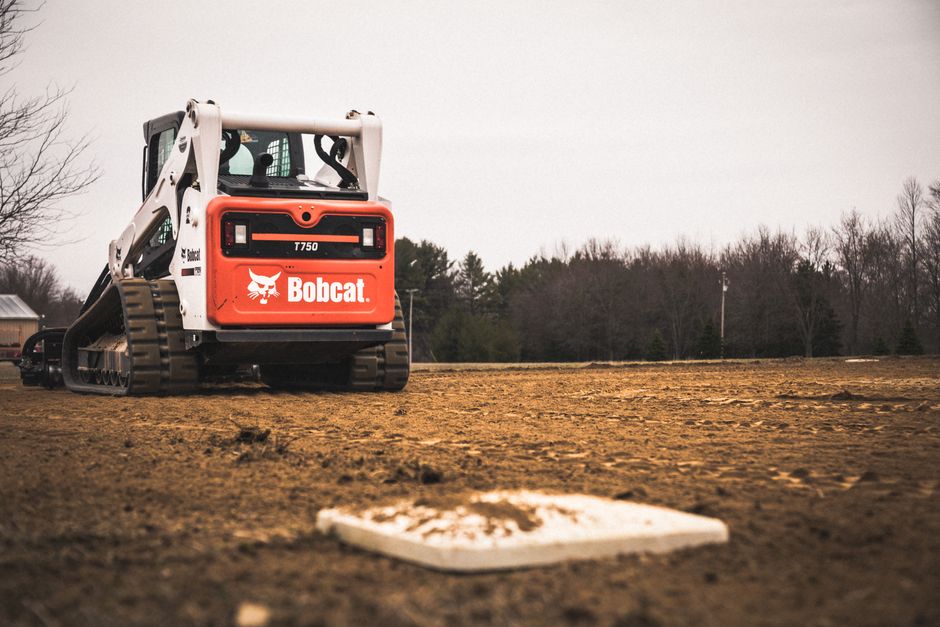
Table of Contents
- Key Takeaways
- Why Baseball Fields Have Dirt Infields: The Physics of the Game
- The Evolution Nobody Talks About
- The Science of Infield Dirt Composition
- Myths and Truths About Infield Surfaces
- Maintenance Secrets Groundskeepers Know
- Frequently Asked Questions
- Sources
Stand at home plate and look out across any baseball field. You'll notice something curious: grass covers the outfield, but dirt dominates the infield. Why do baseball fields have dirt infields when modern groundskeeping could easily maintain grass everywhere? The answer isn't what most fans expect. This design choice combines practical physics, player safety, and centuries of baseball evolution into one surprisingly logical system.
Did you know that early baseball fields looked nothing like today's diamond? The transition from all-grass fields to dirt infields happened gradually, driven by the game's unique demands rather than tradition alone.
Key Takeaways
- Dirt infields evolved from practical needs, not aesthetic choices or random tradition
- The surface provides superior traction for rapid directional changes and sliding without grass damage
- Dirt allows groundskeepers to quickly identify and repair divots, holes, and uneven spots that could injure players
- The material creates predictable ball bounces essential for infielders making split-second defensive plays
- Maintenance of an all-grass infield would be nearly impossible given the constant foot traffic and sliding
- Different dirt compositions affect gameplay, leading teams to customize their infield mixtures
Why Baseball Fields Have Dirt Infields: The Physics of the Game
Baseball infields endure punishment unlike any other sports surface. Consider what happens during a typical game. Base runners slide into bases dozens of times. Infielders plant their feet and pivot violently to throw. Batters dig into the batter's box, creating deep footprints with every at-bat.
Grass simply cannot survive this abuse. Even the hardiest turf varieties would turn into mud patches within days under professional play conditions. The base paths would become bare dirt trenches regardless of initial surface choice.
But there's more to this interesting story than durability alone. Dirt provides consistent ball behavior that grass cannot match. When a ground ball hits dirt, infielders can predict the bounce with remarkable accuracy. Grass introduces variables—moisture level, blade length, growth direction—that create unpredictable hops. A bad hop on grass can turn a routine grounder into a dangerous projectile aimed at an infielder's face.
The traction factor matters enormously. Shortstops and second basemen must change direction instantly, often while their momentum carries them in the opposite direction. Dirt with proper clay content grips cleats perfectly. Too much grass creates slip hazards during these explosive movements.
The Evolution Nobody Talks About
Early baseball in the 1840s and 1850s featured mostly grass fields. Teams played on whatever open space they could find, often public parks or pastures. But as the game formalized and teams played on dedicated fields, the problems became obvious.
The base paths wore out first. Runners took the same routes game after game, creating dirt trails between bases. Groundskeepers initially fought this, attempting to reseed and maintain grass. They lost that battle quickly.
The area around home plate presented similar challenges. Batters pawed at the ground, catchers crouched and shifted, and umpires stood in the same spot for hours. Grass surrendered to dirt within weeks of the season starting.
Rather than fight nature, groundskeepers embraced it. They began deliberately removing grass from high-traffic areas and replacing it with carefully selected dirt and clay mixtures. This wasn't giving up—it was engineering a better playing surface.
By the early 1900s, the dirt infield had become standard across professional baseball. The design proved so effective that it remains essentially unchanged more than a century later, a rare example of sports equipment perfection achieved early and never requiring fundamental redesign.
The Science of Infield Dirt Composition
Not all dirt is created equal, and major league teams obsess over their infield mixtures like chefs perfecting signature recipes. The ideal blend typically contains three components: sand, silt, and clay.
Sand provides drainage and prevents the surface from becoming sticky or muddy. Silt acts as a buffer, creating workability. Clay binds everything together and provides the crucial firmness infielders need.
The typical professional infield uses approximately 60-70% sand, 10-20% silt, and 15-30% clay, though teams adjust these ratios based on local climate and preference. Wetter climates need more sand for drainage. Drier regions can handle more clay without becoming concrete-hard.
Some teams deliberately create faster or slower infields to match their roster strengths. A team with speedy contact hitters might prefer harder, faster dirt that allows ground balls to skip through the infield more easily. A team with power hitters but slower runners might choose softer dirt that slows ground balls, giving their defenders extra time to make plays.
This customization represents a fascinating competitive edge that most fans never notice. The dirt itself becomes a home field advantage, subtly tilted toward the home team's strengths.
Myths and Truths About Infield Surfaces
Several myths persist about why baseball fields feature dirt infields. Let's separate fact from fiction.
Myth: Dirt infields exist purely because of tradition. Truth: While tradition maintains the look, practical physics drove the original adoption and keeps it relevant today.
Myth: Modern artificial turf could replace dirt infields. Truth: Artificial turf has been tried for entire fields, but even those installations typically retain dirt around bases and the pitcher's mound because the material cannot withstand concentrated wear and provide proper traction simultaneously.
Myth: All dirt infields are basically the same. Truth: Composition varies significantly between ballparks, affecting game play in measurable ways.
Myth: Dirt is cheaper than grass. Truth: Professional infield dirt requires expensive materials, constant maintenance, and expert knowledge. The choice is about performance, not cost savings.
Maintenance Secrets Groundskeepers Know
Maintaining a professional infield requires daily attention and surprising expertise. Groundskeepers arrive hours before games to drag, water, and grade the surface to perfection.
The moisture level must be precisely controlled. Too dry, and the surface becomes dusty and hard, creating bad bounces and uncomfortable slides. Too wet, and cleats stick, balls die on contact, and the infield becomes a slipping hazard.
Professional groundskeepers use specialized drags—metal mesh frames pulled behind vehicles or by hand—to smooth the surface and redistribute dirt evenly. They also use lasers to check grade levels, ensuring water drains properly and no depressions develop that could catch a player's foot.
The base paths receive extra attention. These areas compact more than others, requiring regular tilling to maintain consistent firmness. Some groundskeepers even use different dirt mixtures in the base paths compared to the rest of the infield, optimizing each zone for its specific demands.
Frequently Asked Questions
Why don't baseball fields use all grass like soccer fields?
Soccer involves running patterns spread across the entire field without concentrated wear. Baseball concentrates intense activity in small areas—bases, pitcher's mound, and batter's boxes. Grass cannot survive the repeated sliding, pivoting, and digging that happens in these zones. The sports have fundamentally different surface requirements based on their movement patterns.
Could new grass varieties or artificial turf eliminate the need for dirt infields?
Unlikely. While grass breeding and artificial surfaces continue improving, the physics of baseball favor dirt. The predictable bounces, superior drainage, and ability to quickly repair problem spots make dirt irreplaceable for serious play. Even fields with artificial outfield grass typically retain dirt infields for these reasons.
Do different dirt colors affect gameplay?
The color itself doesn't matter, but what creates the color does. Redder dirt contains more clay and iron oxide, making it stickier when wet but harder when dry. Lighter, sandier dirt drains faster but provides less binding. Teams choose compositions based on climate and preference, and the color is simply a side effect of those mineral contents.
Why is the pitcher's mound dirt instead of grass?
Pitchers dig their landing foot into the mound with tremendous force on every pitch, creating a crater that would destroy grass immediately. The mound also needs precise height and slope specifications that dirt allows groundskeepers to maintain and adjust. Grass would make this impossible while also creating dangerous footing for pitchers who need stable, predictable traction.