








1 / 10 Questions
0 Points

What astronomical object did Clyde Tombaugh discover in 1930?

The Andromeda Galaxy

Halley's Comet

Pluto

Neptune

Points won
0
Correct score
0%

More Questions

More Articles

Why Egyptian Pyramids Were Never Covered in Graffiti

Why Egyptian Pyramids Were Never Covered in Graffiti

Why Egyptian Pyramids Were Never Covered in Graffiti

By Trivia Daily, History Desk — Published August 1, 2026

Table of Contents

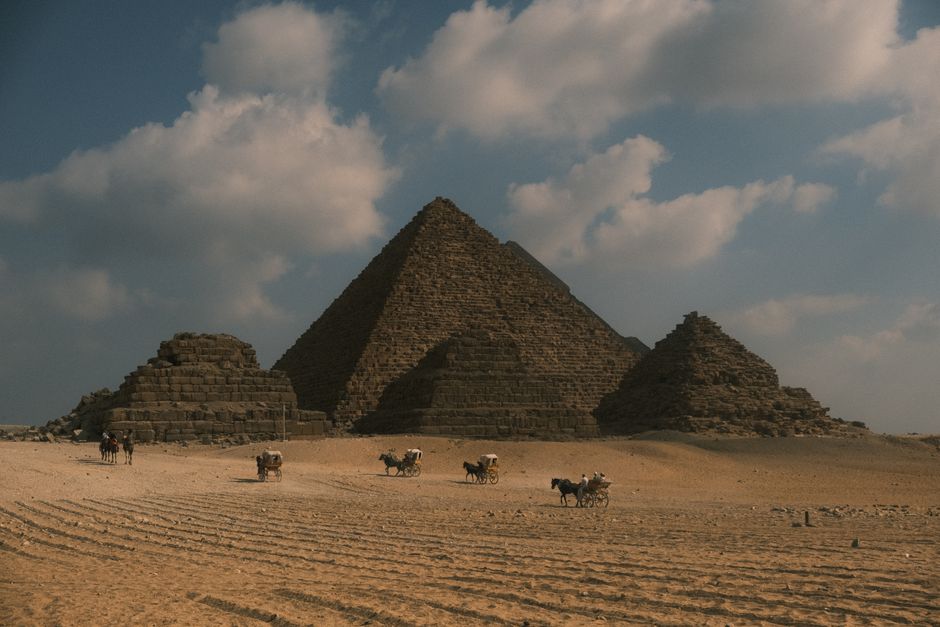
Stand before the Great Pyramid of Giza today and you'll notice something remarkable: no spray paint tags, no carved initials, no "Ramses was here" scrawled across the limestone. For structures that have stood for over four millennia, the Egyptian pyramids never became the graffiti-covered monuments you might expect. This isn't just luck or modern preservation efforts—the reasons stretch back through ancient history itself, revealing fascinating truths about these architectural marvels and the civilizations that revered them.

The answer lies in a combination of continuous reverence, physical inaccessibility, and the pyramids' transformation over time. Unlike abandoned ruins left to decay, these monuments remained sacred throughout Egypt's long past, protected by cultural respect that transcended dynasties and even the fall of the pharaonic empire itself.

Key Takeaways

  • The pyramids were originally covered in polished white limestone casing stones that made them smooth and nearly impossible to climb or deface.
  • Ancient Egyptians maintained these structures as sacred sites for thousands of years, with priests and guards protecting them throughout multiple eras and dynasties.
  • Even after the fall of pharaonic Egypt, successive civilizations—Greek, Roman, Arab, and Ottoman—continued to view the pyramids with reverence rather than as targets for vandalism.
  • The casing stones were eventually removed for construction projects in medieval Cairo, but by then the pyramids' cultural significance was so entrenched that defacing them remained taboo.
  • Modern graffiti is prevented through active security, legal protections, and international heritage designations that recognize the pyramids as treasures of human civilization.

Why Egyptian Pyramids Never Attracted Ancient Graffiti

The original appearance of the pyramids made vandalism nearly impossible. When first completed during Egypt's Old Kingdom era (roughly 2686–2181 BCE), these massive structures were covered in smooth, polished Tura limestone casing stones. The Great Pyramid alone required an estimated 115,000 casing blocks, creating surfaces so smooth and reflective that ancient Greek historians described them as gleaming like mirrors in the desert sun.

Try climbing a wall of polished marble. That's what would-be graffiti artists faced. The casing stones fit so precisely—with gaps of less than half a millimeter—that inserting even a knife blade between them was impossible. This engineering marvel wasn't just aesthetic; it created a physical barrier that protected the pyramids from casual defacement.

But physical barriers alone don't explain the absence of graffiti. Sacred reverence played an equally crucial role. The pyramids weren't simply tombs—they were the eternal resting places of god-kings, surrounded by temple complexes with active priesthoods. Defacing a pyramid would have been tantamount to desecrating a deity, an offense punishable by death in ancient Egypt. This wasn't just law; it was embedded in the cultural consciousness of a civilization that endured for three thousand years.

Guards and Priests Through the Centuries

Archaeological evidence shows that pyramid complexes maintained staffs of priests, guards, and workers long after the pharaohs who built them had died. These weren't abandoned structures. They were functioning religious sites. The Giza plateau, for example, had settlements of workers and priests who performed daily rituals and maintained the monuments well into Egypt's later dynasties.

Even during periods of political upheaval—when Egypt fractured into competing kingdoms or fell under foreign rule—the pyramids retained their sacred status. Persian conquerors in the 6th century BCE, Greek Ptolemaic rulers, and Roman emperors all left the pyramids largely untouched, recognizing them as wonders worthy of preservation rather than targets for vandalism.

What Happened When the Casing Stones Disappeared

The medieval period brought significant changes. A massive earthquake in 1303 CE loosened many of the remaining casing stones, and subsequent rulers—particularly during the Mamluk Sultanate—quarried these blocks to build mosques and fortifications in Cairo. The smooth, protective shell gradually disappeared, revealing the stepped core structure we recognize today.

You might expect that once this barrier was removed, graffiti would follow. It didn't. By this time, Islamic rulers governed Egypt, and while they saw the pyramids through a different religious lens than the ancient Egyptians, they still recognized them as extraordinary achievements. Arab scholars and historians wrote extensively about the pyramids, treating them as objects of study and wonder rather than canvases for vandalism.

The pyramids had transcended their original religious context to become symbols of human achievement that commanded respect across civilizations and centuries. This cultural continuity—rare in historical monuments—created an unbroken chain of reverence that protected them from defacement.

Modern Protection and Global Heritage Status

Today's pyramids benefit from multiple layers of protection. Egyptian law classifies them as protected antiquities, with severe penalties for vandalism. Armed guards patrol the sites continuously. Security cameras monitor visitors. But legal and physical protections only work because they're backed by global cultural consensus.

The United Nations Educational, Scientific and Cultural Organization designated the pyramids as a World Heritage Site, recognizing their "outstanding universal value" to all humanity. This international framework means that damaging the pyramids isn't just a crime against Egypt—it's an offense against the shared heritage of human civilization.

Protection Method Era Primary Function
Polished casing stones Ancient (2500s–1300s BCE) Physical barrier preventing access
Temple priests and guards Ancient through Greco-Roman Active monitoring and religious sanctity
Cultural reverence All historical periods Social taboo against defacement
Legal protections Modern (19th century onward) Criminal penalties for vandalism
UNESCO designation 1979–present International heritage recognition

Lessons From Other Ancient Monuments

Contrast the pyramids with other ancient structures. Roman buildings throughout Europe are frequently covered in centuries-old graffiti—some of it now considered historical in its own right. Medieval pilgrims carved their names into the walls of the Church of the Holy Sepulchre. Even Pompeii's ruins contain ancient graffiti from before the volcanic eruption that preserved them.

What made the pyramids different? Scale played a role—their massive size and remote desert location meant fewer casual visitors compared to urban Roman buildings. But the primary difference was continuous cultural reverence. The pyramids never became "ruins" in the traditional sense. They never went through a period of abandonment where they were seen as fair game for casual vandalism.

Frequently Asked Questions

Did ancient tourists visit the pyramids?

Yes, the pyramids were tourist attractions even in ancient times. Greek and Roman travelers visited them, and ancient Greek historian Herodotus wrote about them in the 5th century BCE. However, these visitors treated them as sacred wonders to be respected, not defaced.

Are there any inscriptions on the pyramids?

The interior chambers contain hieroglyphic inscriptions and workers' marks from the original construction, but these are intentional records, not graffiti. Some explorers in the 18th and 19th centuries did carve their names inside, though this practice is now strictly prohibited and condemned.

How do modern authorities prevent pyramid graffiti?

Egyptian authorities employ security guards, surveillance systems, and strict legal penalties. Visitors who damage antiquities face imprisonment and substantial fines. International cooperation helps enforce these protections, as damaging World Heritage Sites can result in global travel bans.

Were the pyramids ever painted or decorated on the outside?

The polished white limestone casing created a brilliant exterior that needed no paint. However, the pyramidion (capstone) at the apex may have been covered in gold or electrum, creating a gleaming point visible for miles across the desert.

The pyramids stand as testament to more than ancient engineering prowess. They represent an unbroken chain of human reverence spanning over four thousand years—a reminder that some achievements transcend the civilizations that created them, becoming treasures that all subsequent cultures feel compelled to protect rather than deface.

7 Surprising Facts About Vanilla Bean Prices and Rarity

7 Surprising Facts About Vanilla Bean Prices and Rarity

7 Surprising Facts About Vanilla Bean Prices and Rarity

By Trivia Daily, Staff Writer — Published August 5, 2026

Table of Contents

Vanilla is the world's most popular flavor, yet the beans that produce it rank among the most expensive spices on earth. Most people have no idea that vanilla bean prices can rival precious metals per pound, or that the process behind each bean involves meticulous hand-pollination. These surprising facts reveal why your favorite ice cream flavor comes with such a hefty hidden cost.

The journey from orchid flower to fragrant bean involves months of careful cultivation, making vanilla a luxury ingredient with a fascinating backstory. Let's discover what makes this everyday flavor so extraordinary.

Key Takeaways

  • Vanilla beans have historically cost more per pound than silver during price spikes, making them one of the world's most expensive spices after saffron.
  • Each vanilla orchid flower must be pollinated by hand within hours of blooming, as the natural pollinator exists only in Mexico.
  • It takes approximately nine months from pollination to harvest for vanilla beans to mature on the vine.
  • Madagascar produces roughly 80 percent of the world's natural vanilla supply, creating significant price volatility.
  • Real vanilla extract requires at least 100 grams of vanilla beans per liter of alcohol according to FDA standards.
  • The curing process for vanilla beans takes three to six months of careful drying and conditioning after harvest.

Understanding Vanilla Bean Prices Through History

Vanilla bean prices have experienced dramatic fluctuations over the past two decades. In 2003, prices hovered around $50 per kilogram. By 2018, following devastating cyclones in Madagascar and increased global demand, prices skyrocketed to over $600 per kilogram—surpassing the per-pound cost of silver. This volatility stems from vanilla's dependence on a single growing region and the labor-intensive cultivation process.

The spice market recognizes only saffron as consistently more expensive than vanilla. Unlike black pepper or cinnamon, which grow on hardy plants requiring minimal intervention, vanilla demands constant human attention. Weather events, political instability in growing regions, and crop disease can send prices soaring within months. Food manufacturers often stockpile beans during low-price periods, but small bakeries and home cooks feel every price swing acutely.

The Biology Behind the Bean

Vanilla comes from orchids in the genus Vanilla, with Vanilla planifolia producing the highest-quality beans. These tropical vines can grow over 300 feet long in ideal conditions, climbing trees in their native habitat. The plant produces delicate flowers that bloom for just one day—sometimes only a few hours. Miss that narrow window, and no bean develops.

The orchid's natural pollinator, the Melipona bee, exists only in Mexico where vanilla originates. When vanilla cultivation spread to Madagascar, Réunion, and other tropical regions in the 19th century, growers discovered their flowers produced no beans. The breakthrough came when a young enslaved boy named Edmond Albius developed the hand-pollination technique still used today. Every vanilla bean grown outside Mexico results from this painstaking manual process, performed flower by flower with a small stick or blade of grass.

The Seven-Month Wait

1. Hand-Pollination Happens at Dawn

Vanilla farmers must pollinate each flower individually during the brief morning hours when flowers open. A skilled worker can pollinate between 1,000 and 1,500 flowers per day. The flowers appear in clusters over several weeks, requiring farmers to walk their fields daily during blooming season. This labor-intensive process represents just the beginning of vanilla's long journey to your kitchen.

2. Beans Mature for Nine Months on the Vine

After successful pollination, vanilla pods remain on the vine for approximately nine months—coincidentally the same gestation period as human pregnancy. During this time, the green pods grow to six to nine inches in length. Farmers monitor the beans carefully, as harvesting too early or too late affects flavor quality. The beans contain no vanilla flavor at harvest and must undergo an extensive curing process.

3. The Curing Process Takes Months of Daily Attention

Fresh vanilla beans must be blanched in hot water, then alternately sweated in blankets and sun-dried for three to six months. This curing process develops the complex flavor compounds, including vanillin, that make vanilla valuable. Workers massage the beans daily, monitoring moisture content and preventing mold. The beans lose approximately 80 percent of their weight during curing, further concentrating value into the final product.

4. A Single Vine Produces Limited Beans Annually

Each vanilla vine produces beans only once per year during its flowering season. A mature, well-tended vine might produce 50 to 100 beans annually—roughly one to two pounds of cured vanilla. Vines don't reach full production until three years after planting, and they remain productive for about 12 to 14 years. This slow maturation and limited yield per plant contribute significantly to vanilla bean prices.

5. Madagascar's Near-Monopoly Creates Price Instability

Madagascar's northeastern SAVA region produces approximately 80 percent of global vanilla supply. This concentration makes the entire vanilla market vulnerable to Madagascar's weather patterns, political conditions, and economic policies. Cyclones regularly devastate vanilla-growing regions, wiping out crops and driving prices upward. Indonesia, Uganda, and Papua New Guinea produce smaller quantities, but Madagascar's dominance means a bad year there affects vanilla bean prices worldwide.

6. Vanilla Theft Has Become a Serious Crime

When vanilla bean prices peaked, theft from plantations became so prevalent that farmers began harvesting beans early—before full maturity—to prevent losses. Some farmers sleep in their fields during harvest season or hire guards. In Madagascar, thieves have been known to scrape identifying marks onto beans while still on the vine, creating a black market for stolen vanilla. This theft problem reduces overall quality as prematurely harvested beans develop less flavor.

7. Synthetic Vanillin Dominates the Market

Despite high vanilla bean prices, natural vanilla represents only a tiny fraction of vanilla flavoring used globally. Synthetic vanillin, derived from wood pulp, petroleum, or other sources, costs a fraction of natural vanilla and supplies approximately 99 percent of vanilla flavoring worldwide. The food industry uses synthetic vanillin in everything from baked goods to beverages. Natural vanilla's complex flavor profile includes over 250 compounds, while synthetic vanillin replicates only the primary flavor molecule. Serious bakers and chefs insist the difference is noticeable, but most consumers encounter synthetic vanillin daily without realizing it.

Comparing Vanilla Production Methods

Method Source Approximate Cost Per Pound Flavor Complexity
Natural Vanilla Beans Hand-pollinated orchids $200–$600+ 250+ flavor compounds
Pure Vanilla Extract Beans steeped in alcohol $80–$200 per liter Full natural complexity
Synthetic Vanillin Chemical synthesis $5–$15 Single compound
Natural Vanillin (bio-derived) Fermented plant materials $20–$50 Single to few compounds

The Environmental and Economic Impact

Vanilla cultivation provides crucial income for tens of thousands of farming families in Madagascar, where vanilla represents one of the country's most valuable exports. However, the boom-and-bust cycle of vanilla bean prices creates economic instability. When prices soar, new farmers plant vanilla, increasing supply years later and crashing prices. When prices drop, farmers abandon vanilla for other crops, setting up the next shortage.

Climate change threatens vanilla production as shifting weather patterns affect flowering times and increase cyclone intensity. Researchers are working to develop more resilient vanilla varieties and to diversify growing regions, but the plant's exacting requirements limit where it can thrive.

Frequently Asked Questions

Why is vanilla more expensive than most spices?

Vanilla requires hand-pollination of each flower, nine months of vine maturation, and three to six months of labor-intensive curing. This process, combined with Madagascar's near-monopoly on production and vulnerability to weather disasters, keeps vanilla bean prices extraordinarily high compared to most other spices.

Can you tell the difference between real and artificial vanilla?

In blind taste tests, most people struggle to distinguish synthetic vanillin from natural vanilla in highly processed foods. However, in simple preparations like vanilla ice cream or custard, natural vanilla's complex flavor profile becomes more apparent, offering subtle floral and fruity notes absent in synthetic versions.

How long do vanilla beans stay fresh?

Properly stored vanilla beans remain usable for one to two years when kept in an airtight container in a cool, dark place. They should feel supple and slightly oily; dried-out beans have lost essential oils but can still be used for vanilla sugar or extract.

What makes Madagascar vanilla different from other varieties?

Madagascar bourbon vanilla (named for the former name of Réunion Island, not the whiskey) is prized for its rich, creamy flavor profile with sweet, mellow notes. Mexican vanilla tends toward a spicier, more complex character, while Tahitian vanilla offers fruity, floral notes but contains less vanillin.

The next time you enjoy vanilla ice cream or smell vanilla extract, remember the patient farmers who spent months nurturing each precious bean. This common flavor carries an uncommonly complex story—one that begins with a single flower blooming at dawn.