
⏱️ 5 min read
The produce aisle at your local grocery store holds a fascinating secret: many items commonly considered vegetables are actually edible flowers. While most people associate flowers with ornamental gardens or romantic bouquets, several flowering plants have made their way onto dinner plates around the world. Understanding the true botanical nature of these foods not only enriches culinary knowledge but also provides insight into plant biology and the diverse ways humans have cultivated crops for nutrition.
Understanding the Botanical Definition of Flowers
Before exploring which vegetables are actually flowers, it’s essential to understand what botanists mean by the term “flower.” In botanical terms, a flower is the reproductive structure of a plant, designed to produce seeds through pollination. Flowers typically contain petals, stamens, pistils, and other reproductive organs. Many plants develop edible flowers that humans harvest before, during, or after the blooming process. The confusion between vegetables and flowers stems from culinary classifications, which differ significantly from scientific botanical categories.
Culinarily speaking, vegetables are savory plant parts used in cooking, while fruits are typically sweet. However, botanically, fruits are seed-bearing structures that develop from flowers, and vegetables can be any other edible part of the plant, including leaves, stems, roots, or flowers themselves.
Broccoli: The Crown of Edible Buds
Broccoli is perhaps the most well-known example of an edible flower vegetable. The green clusters that people consume are actually tightly packed flower buds that have not yet opened. If left unharvested, these buds would bloom into small yellow flowers. The entire head of broccoli represents hundreds of individual flower buds grouped together on branching stems.
This cruciferous vegetable belongs to the Brassica oleracea species, which also includes cauliflower, cabbage, and kale. Farmers harvest broccoli at the optimal moment when the buds are still tight and green, maximizing both flavor and nutritional content. Once the flowers begin to open and turn yellow, the broccoli becomes bitter and less desirable for consumption.
Cauliflower: The White Flower Disguised as a Vegetable
Similar to broccoli, cauliflower consists entirely of undeveloped flower buds. The white, purple, or orange heads that shoppers find in stores are called “curds,” which are masses of immature flower buds. The tight clustering of these buds creates the distinctive texture that makes cauliflower so versatile in cooking.
The development of cauliflower requires specific growing conditions. Farmers often tie the leaves over the developing head to shield it from sunlight, a process called blanching, which keeps the cauliflower white and prevents the premature opening of the flower buds. Heritage and specialty varieties in purple, orange, and green skip this process, allowing their natural pigments to develop fully.
Artichokes: Gourmet Thistles in Bud Form
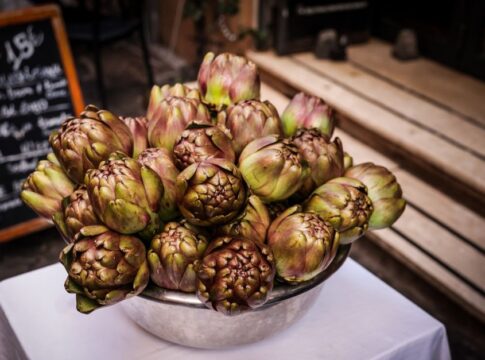
The globe artichoke stands out as one of the most visually obvious flower vegetables. This Mediterranean delicacy is actually the unopened flower bud of a thistle plant. Each artichoke consists of numerous layered petals (properly called bracts) that protect the immature flower inside. At the center lies the heart, considered the most tender and flavorful part, which sits atop the fuzzy choke—the immature florets that would eventually bloom into purple-blue thistle flowers.
If an artichoke is left on the plant, it develops into a spectacular purple bloom measuring several inches across. However, once flowering begins, the artichoke becomes inedible, as the bracts toughen and the heart becomes fibrous. Timing the harvest is crucial to capturing artichokes at their peak edibility.
Capers: Tiny Flower Buds with Big Flavor
Capers, those small, tangy additions to Mediterranean cuisine, are the unopened flower buds of the caper bush (Capparis spinosa). These buds are harvested by hand, then pickled or salt-cured to develop their characteristic sharp, briny flavor. The smallest capers, called nonpareils, are the most prized for their delicate texture and concentrated taste.
When left to bloom, caper buds open into beautiful white and purple flowers with long, prominent stamens. Some producers also harvest and sell caper berries, which are the fruit that develops after the flower has been pollinated, offering a milder alternative to the buds themselves.
Additional Edible Flowers Found in Markets
Beyond these common examples, several other flowering vegetables appear regularly in global cuisines:
- Romanesco: This striking lime-green vegetable displays a natural fractal pattern and, like its relatives broccoli and cauliflower, consists of spiraling flower buds
- Broccolini: A hybrid of broccoli and Chinese kale, featuring small florets that are immature flower clusters
- Squash Blossoms: The large, delicate flowers of zucchini and other squash plants, often stuffed and fried in Italian and Mexican cooking
- Chive Blossoms: The purple pom-pom flowers of chive plants, used as garnishes and in salads
- Nasturtium Flowers: Peppery edible flowers from the nasturtium plant, popular in gourmet salads
Nutritional Benefits of Flower Vegetables
Flower vegetables offer impressive nutritional profiles. Broccoli and cauliflower are rich in vitamin C, vitamin K, folate, and fiber. They also contain beneficial plant compounds like sulforaphane, which has been studied for potential anti-cancer properties. Artichokes provide substantial amounts of fiber, antioxidants, and minerals including magnesium and potassium.
The concentrated nutrients in flower buds reflect the plant’s investment in reproduction. These structures contain the building blocks necessary for flower development and seed production, making them nutritionally dense foods for human consumption.
Cultivating and Selecting Flower Vegetables
When shopping for flower vegetables, freshness is paramount. Look for broccoli and cauliflower with tight, compact florets without yellowing or flowering. Artichokes should feel heavy for their size with tightly closed bracts. Any signs of opening indicate the vegetable is past its prime.
Home gardeners can grow many of these flower vegetables, though timing the harvest requires attention. Missing the optimal harvest window by even a few days can result in opened flowers and diminished eating quality. This narrow window explains why these vegetables command premium prices at markets—they require careful monitoring and timely harvesting to reach consumers at peak quality.
Understanding that these common vegetables are actually flowers adds a new dimension to appreciating the plants that nourish us and the agricultural expertise required to bring them from field to table.