
⏱️ 6 min read
Geysers represent some of nature’s most spectacular hydrothermal features, captivating observers with their dramatic eruptions of superheated water and steam. These geological phenomena occur in only a handful of locations worldwide, where specific conditions align to create these natural fountains. Understanding the world’s most active geysers provides insight into the powerful forces beneath Earth’s surface and the delicate balance of geology, heat, and water that makes these features possible.
Remarkable Facts About Earth’s Most Dynamic Geysers
1. Old Faithful’s Remarkable Consistency
Located in Yellowstone National Park, Old Faithful stands as the most famous geyser globally, earning its name from its predictable eruption schedule. This iconic geyser erupts approximately every 90 minutes, shooting water between 106 to 185 feet into the air. Each eruption expels between 3,700 to 8,400 gallons of boiling water and lasts between 1.5 to 5 minutes. Despite popular belief, Old Faithful isn’t the most regular geyser in Yellowstone, but its combination of frequency, height, and accessibility makes it the park’s premier attraction, drawing millions of visitors annually.
2. Steamboat Geyser Holds the Height Record
Also situated in Yellowstone National Park, Steamboat Geyser claims the title as the world’s tallest active geyser. When experiencing a major eruption, Steamboat can launch water over 300 feet into the air, dwarfing Old Faithful’s displays. However, Steamboat’s behavior is notoriously unpredictable, with intervals ranging from days to years between major eruptions. Between 2018 and 2020, the geyser entered an unusually active phase, erupting more than 100 times, providing scientists with valuable data about its underground plumbing system.
3. New Zealand’s Pohutu Geyser Erupts Daily
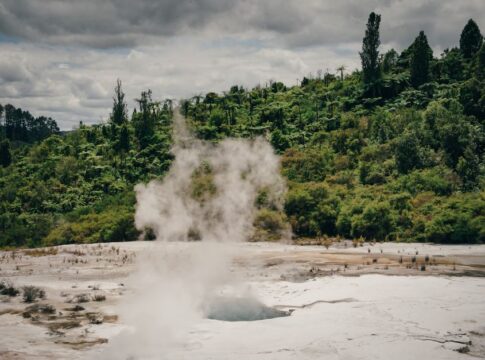
Pohutu Geyser in Te Puia, Rotorua, New Zealand, represents the Southern Hemisphere’s most active geyser and one of the most reliable worldwide. The name “Pohutu” means “big splash” or “explosion” in Māori, perfectly describing its impressive displays. This geyser erupts up to 20 times daily, with eruptions reaching heights of 100 feet and lasting anywhere from minutes to hours. The geyser sits within a geothermal valley that holds significant cultural importance to the local Māori people, particularly the Ngāti Wāhiao tribe.
4. Iceland Hosts Europe’s Most Active Geothermal Field
The Great Geysir in Iceland’s Haukadalur valley gave all geysers their name, derived from the Icelandic verb “geysa,” meaning “to gush.” While the Great Geysir itself now erupts infrequently, its neighbor Strokkur erupts every 5-10 minutes, making it one of the most active geysers in Europe. Strokkur typically shoots water 50-100 feet high, though occasional eruptions can reach 130 feet. The geothermal area contains numerous hot springs and smaller geysers, creating a constantly active landscape that attracts geologists and tourists alike.
5. El Tatio in Chile Operates Best at Dawn
Situated at 14,000 feet above sea level in the Andes Mountains of northern Chile, El Tatio represents one of the highest geyser fields on Earth. This remarkable site contains approximately 80 active geysers, making it the largest geyser field in the Southern Hemisphere and the third-largest worldwide. The geysers perform most dramatically during early morning hours when the temperature difference between the superheated water and frigid mountain air creates the most impressive steam displays. The extreme altitude and cold temperatures create unique conditions that affect geyser behavior differently than lower-elevation sites.
6. Yellowstone Contains Half of All Earth’s Geysers
Yellowstone National Park hosts an extraordinary concentration of geothermal features, containing approximately 500 active geysers—more than half of all geysers on the planet. This remarkable density exists because Yellowstone sits atop a massive volcanic hotspot, with magma located just 2-5 miles beneath the surface. The park’s geyser basins, including Upper Geyser Basin, Norris Geyser Basin, and others, contain not only geysers but also hot springs, fumaroles, and mudpots, creating the world’s most diverse collection of hydrothermal features.
7. Russia’s Valley of Geysers Faces Natural Threats
Located in the remote Kamchatka Peninsula, the Valley of Geysers represents the only large geyser field in Eurasia and ranks as the second-largest concentration of geysers worldwide. Discovered in 1941, this valley contains approximately 90 geysers within a 6-kilometer area. In 2007, a massive mudslide buried roughly two-thirds of the geysers, though many have since re-emerged with altered behavior patterns. The site’s remoteness and protection within the Kronotsky Nature Reserve limit visitor access, preserving this unique geological treasure while making it one of the least accessible major geyser fields.
8. Geyser Eruptions Require Three Critical Conditions
For a geyser to form and remain active, three specific geological conditions must converge: an abundant water supply, an intense heat source, and a specialized underground plumbing system with pressure-tight chambers. The plumbing system must include constrictions that trap water and allow pressure to build sufficiently for eruptions. This explains why geysers remain so rare globally—these precise conditions exist in fewer than a dozen locations worldwide. The absence of any single element prevents geyser formation, which is why hot springs are far more common than geysers.
9. Geyser Behavior Changes Over Time
Active geysers constantly evolve, with their eruption patterns, frequencies, and heights changing due to various factors including earthquakes, mineral deposition, and shifting underground water sources. Even minor seismic activity can alter a geyser’s plumbing system, causing dormant geysers to reactivate or active ones to cease functioning. Mineral-laden geyser water deposits silica and other materials within underground channels, gradually changing the shape and size of these conduits. Scientists monitor these changes to better understand hydrothermal systems and predict volcanic activity in geologically active regions.
10. Conservation Efforts Protect Threatened Geyser Fields
Human activity poses significant threats to geyser fields worldwide, primarily through geothermal energy development, tourism pressure, and groundwater extraction. When geothermal plants tap into the same underground heat sources that power geysers, they can reduce pressure and water supply, causing geysers to diminish or cease erupting entirely. This occurred in New Zealand, where the famous Waimangu Geyser stopped erupting after nearby geothermal development. Modern conservation efforts focus on establishing protected areas, regulating geothermal development, and maintaining safe distances between human infrastructure and active geyser fields to preserve these rare natural phenomena for future generations.
Understanding Earth’s Hydrothermal Wonders
The world’s most active geysers offer windows into the powerful geological forces operating beneath Earth’s surface. From Yellowstone’s concentrated collection to Iceland’s historic eruptions, from New Zealand’s cultural treasures to Chile’s high-altitude marvels, these hydrothermal features represent irreplaceable natural phenomena. Their rarity, beauty, and scientific value underscore the importance of protecting these sites while continuing to study the dynamic processes that create them. As climate change and human development pressures increase, understanding and preserving these geological wonders becomes increasingly critical for both scientific research and natural heritage conservation.