
By TrivBits, History Desk — Published November 25, 2026
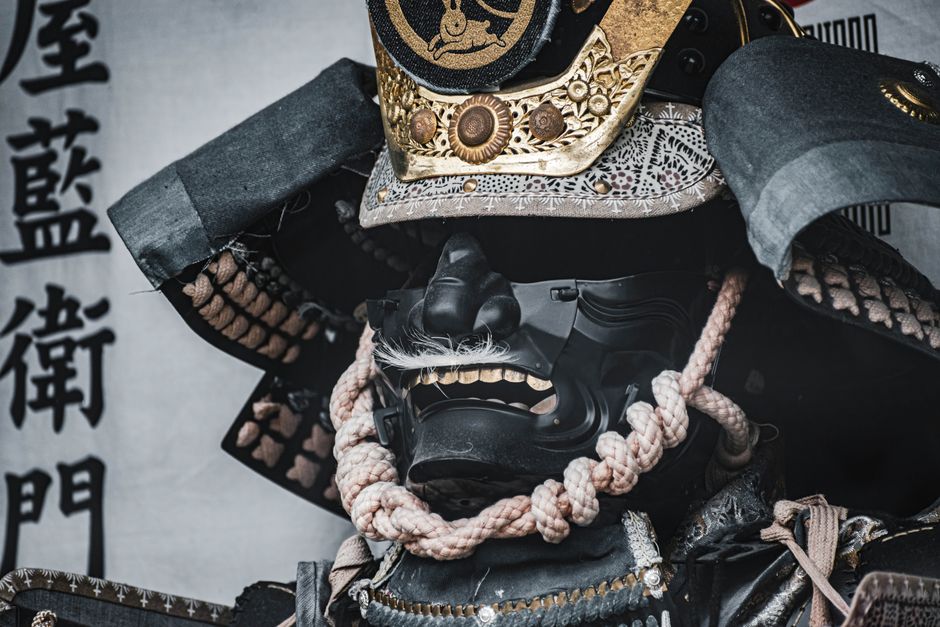
Table of Contents
- Key Takeaways
- The Historical Context: When East Met West
- The Reality Behind the Myth: 11 Truths About Europeans and Samurai
- Why the Myth Persists
- Frequently Asked Questions
- The Bridge Between Two Warrior Worlds
- Sources
The title promises a shocking revelation, but here’s the twist: there weren’t actually samurai warriors who were European knights. This might seem like a bait-and-switch, but the truth is far more fascinating than fiction. The historical reality explores something much richer—the rare instances when European adventurers encountered Japan’s warrior class during the feudal era, the surprising parallels between these two distinct warrior cultures, and the handful of Westerners who genuinely earned respect in samurai society. Let’s examine what actually happened when these two civilizations collided across the centuries.
The myth of European knights becoming samurai persists because it makes for compelling storytelling. Yet the past reveals something more nuanced: a handful of Europeans did integrate into Japanese military culture during the 16th and 17th centuries, while the warrior codes of bushido and chivalry shared striking similarities despite developing in completely separate empires.
Key Takeaways
- No European knight literally became a samurai warrior in the traditional sense, but a few Westerners served Japanese daimyo (feudal lords)
- William Adams remains the most famous European to achieve samurai-equivalent status in feudal Japan
- The warrior codes of medieval knights and samurai developed independently but shared remarkable parallels
- Contact between European military advisors and Japanese warriors primarily occurred during the 16th-century “Age of Contact”
- Both warrior classes emphasized honor, loyalty, martial skill, and service to a lord as core values
- The closed-country policy of Japan (sakoku) largely ended meaningful European-samurai interactions after the 1630s
The Historical Context: When East Met West
European contact with Japan began in earnest during the mid-16th century. Portuguese traders arrived in 1543, introducing firearms that would revolutionize Japanese warfare. Jesuit missionaries followed, and with them came a trickle of European adventurers, merchants, and military men seeking fortune in distant lands. This era of initial contact lasted roughly from the 1540s until Japan’s self-imposed isolation in the 1630s—a window of less than a century.
During this period, Japan was embroiled in the Sengoku period, an age of near-constant civil war. Daimyo competed for power, and some saw potential advantages in European weapons, tactics, and even personnel. The samurai class dominated Japanese military and political life, bound by the code of bushido that emphasized loyalty unto death. Meanwhile, the age of European knighthood was waning—knights as armored cavalry had become largely obsolete by the 16th century, replaced by professional armies and gunpowder warfare.
The Reality Behind the Myth: 11 Truths About Europeans and Samurai
1. William Adams: The English Pilot Who Became Hatamoto
William Adams stands as the most documented European to achieve high status in feudal Japan. Arriving in 1600 as pilot of a Dutch ship, Adams became an advisor to Shogun Tokugawa Ieyasu. He was granted the rank of hatamoto (a direct retainer of the shogun), received a estate with approximately 80 to 90 samurai under his command, and was given the Japanese name Miura Anjin. While not technically a samurai by birth, his position was functionally equivalent in the rigid social hierarchy.
2. Jan Joosten van Lodensteijn: The Dutch Contemporary
Jan Joosten arrived on the same ship as Adams and also gained favor with Tokugawa Ieyasu. He received a residence in Edo (modern Tokyo) and became a trading advisor. Though less militarily involved than Adams, Joosten achieved notable status in Japanese society. A district in Tokyo still bears his name: Yaesu, derived from “Yayosu,” the Japanese pronunciation of his name.
3. The Jesuit Military Advisors
Several Jesuit priests possessed military knowledge and occasionally advised Christian daimyo during Japan’s civil wars. These clergymen came from European noble families where military training was standard. However, their primary role remained religious rather than martial, and they never formally joined the samurai class.
4. The Shared Code of Honor
Both European chivalry and Japanese bushido emphasized remarkably similar values despite developing independently. Loyalty to one’s lord, martial prowess, personal honor, and a willingness to die for one’s beliefs formed the core of both codes. This parallel made mutual respect possible when knights and samurai finally encountered one another.
5. The Armor Connection
Samurai and knights both developed sophisticated armor traditions over centuries. Japanese armor used lacquered metal plates laced with silk cord, while European plate armor evolved into full-body steel suits. Both were expensive, marking the wearer as elite. Some daimyo even commissioned armor incorporating European design elements after contact began.
6. The Sword as Soul
Both cultures elevated the sword to near-mythical status. The Japanese katana was considered the soul of the samurai, while European knights viewed their swords as symbols of their oath and honor. Elaborate ceremonies surrounded sword-making and sword-granting in both civilizations. Master swordsmiths in both cultures achieved legendary status.
7. Mounted Combat Traditions
Samurai began as mounted archers, while knights were primarily heavy cavalry. Both warrior classes required years of training from childhood. Horsemanship was essential, expensive, and marked social distinction. The rise of firearms eventually diminished the battlefield dominance of both mounted warrior traditions.
8. The Rigid Class System
Both feudal Japan and medieval Europe maintained strict social hierarchies. Samurai and knights occupied the warrior aristocracy, with elaborate rules governing behavior, dress, and social interaction. Birth largely determined one’s status, though exceptional service could occasionally elevate individuals—as Adams discovered.
9. The Limited Historical Window
Meaningful interaction between Europeans and samurai lasted only about 90 years. After the Shimabara Rebellion in 1638, Japan expelled most foreigners and prohibited Japanese from leaving. This sakoku policy lasted until Commodore Perry’s arrival in 1853, creating a two-century gap when such cultural exchange became impossible.
10. The Firearms Revolution
Portuguese matchlock firearms (tanegashima) transformed Japanese warfare within decades of their introduction. Samurai adapted quickly, incorporating guns into their martial repertoire. Similarly, European knights had already faced obsolescence due to gunpowder weapons. Both warrior classes struggled with technological change that diminished their battlefield supremacy.
11. The Legacy in Popular Culture
The romanticized idea of knights becoming samurai persists because both warrior cultures captivate modern imagination. Films, novels, and games frequently imagine such crossovers. While historically inaccurate as a widespread phenomenon, the fascination reflects genuine respect for both martial traditions and curiosity about what might have been if circumstances had differed.
Why the Myth Persists
The notion of European knights becoming samurai appeals to our love of fish-out-of-water stories and cultural crossover. William Adams’s genuine story provides just enough historical foundation to make the broader myth seem plausible. Popular media has amplified this, creating fictional narratives that blur the line between the few documented cases and wholesale invention.
The warrior codes of both cultures share enough similarities that imagining a knight adapting to bushido—or vice versa—doesn’t strain credulity. Honor, loyalty, martial skill, and willingness to die for one’s beliefs transcend cultural boundaries. These universal warrior values create a bridge across centuries and civilizations, making the myth emotionally resonant even when historically sparse.
Frequently Asked Questions
Did any European ever officially become a samurai?
William Adams achieved a status functionally equivalent to samurai, receiving the rank of hatamoto and an estate with samurai retainers. However, he wasn’t born into the samurai class and didn’t undergo traditional samurai training from childhood. His position was exceptional, granted by the shogun himself due to Adams’s valuable knowledge and service.
Could a foreigner join the samurai class in feudal Japan?
The samurai class was hereditary and deeply tied to Japanese social structure. While exceptional foreigners like Adams could receive equivalent status and privileges, true membership required Japanese birth and lineage. The rigid class system made such boundaries nearly absolute, with rare exceptions requiring direct shogunal intervention.
How similar were knights and samurai in actual combat?
Both were elite mounted warriors trained from childhood, but their tactics differed significantly. Samurai emphasized archery from horseback and later swordsmanship, while European knights focused on lance charges and close combat. Firearms eventually transformed both traditions. Their combat philosophies shared common ground in emphasizing honor and individual prowess.
Why did Japan close itself off from European contact?
The Tokugawa shogunate feared European influence, particularly Christianity, would destabilize their newly unified realm. After the Shimabara Rebellion involved Christian converts, authorities expelled most foreigners and banned Christianity. The sakoku policy maintained stability but isolated Japan from global developments for over two centuries.
The Bridge Between Two Warrior Worlds
While European knights didn’t become samurai warriors in any significant numbers, the few who bridged these worlds left fascinating legacies. William Adams’s story alone demonstrates that cultural boundaries, however formidable, weren’t impenetrable. The parallel evolution of warrior codes across distant empires suggests something fundamental about human societies and how they organize martial virtue. Perhaps the real story isn’t about knights becoming samurai, but about how different civilizations arrived at remarkably similar answers to questions of honor, loyalty, and the warrior’s place in society.