

By TrivBits, Staff Writer — Published November 23, 2026
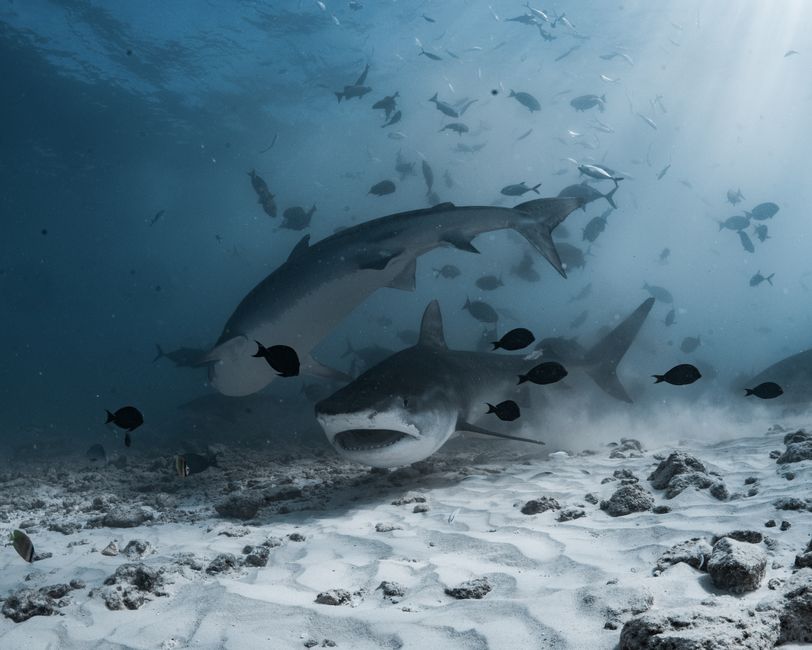
Table of Contents
- Key Takeaways
- How Coconuts Kill People: The Numbers Behind the Myth
- The Fatal Nine: Dangerous Foods in Your World
- Understanding Food-Related Fatalities
- Why We Fear Sharks More Than Coconuts
- Frequently Asked Questions
- Sources
Did you know that the humble coconut has a deadlier reputation than the ocean’s most feared predator? It’s one of those surprising facts that sounds like an urban myth but holds a kernel of truth. While shark attacks capture headlines and fuel nightmares, coconuts kill people through falling fruit injuries at rates that make Jaws look positively tame. The comparison might seem absurd, but it highlights something fascinating: everyday objects often pose greater risks than the monsters we imagine lurking in the deep.
This interesting trivia opens the door to a broader truth about food-related dangers. From allergic reactions to choking hazards, the things we eat and grow can be surprisingly lethal. Let’s explore the unknown risks hiding in kitchens, grocery stores, and tropical paradises around the world.
Key Takeaways
- Falling coconuts cause an estimated 150 deaths annually, compared to roughly 5-10 shark-related fatalities worldwide
- Common foods like hot dogs and hard candies present significant choking hazards, particularly for children
- Raw or undercooked foods harbor bacteria and parasites responsible for thousands of preventable deaths each year
- Even familiar fruits and vegetables contain natural toxins that can prove fatal in certain quantities or preparations
- Food allergies affect millions globally, with severe reactions causing hundreds of deaths annually
- Understanding these risks helps separate genuine dangers from exaggerated fears
How Coconuts Kill People: The Numbers Behind the Myth
The claim that coconuts kill more people than sharks has circulated for decades, becoming one of those facts everyone “knows” but few have verified. The truth is more nuanced than the soundbite suggests. Falling coconuts do cause injuries and deaths, particularly in tropical regions where people live and work beneath coconut palms. A mature coconut weighs between three and four pounds and can fall from heights exceeding 80 feet, generating tremendous force on impact.
Estimates of coconut-related deaths vary widely, from 150 annually to more conservative figures suggesting far fewer verified cases. The challenge lies in accurate reporting from remote tropical areas. What remains certain: shark attacks kill fewer than ten people worldwide in most years, making almost any recurring accident statistically “deadlier” than sharks. The comparison reveals our tendency to fear dramatic, rare events while ignoring mundane risks we encounter daily.
The Fatal Nine: Dangerous Foods in Your World
1. Hot Dogs: The Choking Champion
Hot dogs are perfectly engineered choking hazards. Their cylindrical shape matches the diameter of a child’s airway, and their texture allows them to form an airtight seal when lodged in the throat. Emergency rooms treat thousands of choking incidents annually, with hot dogs consistently ranking among the top culprits. Young children face the highest risk, as they lack molars for thorough chewing and tend to eat quickly. Cutting hot dogs lengthwise rather than into coins significantly reduces this danger.
2. Raw Oysters: Bacteria’s Favorite Vessel
Raw oysters filter dozens of gallons of water daily, concentrating whatever lives in their marine environment. When those waters contain Vibrio vulnificus bacteria, oysters become potential killers. This pathogen thrives in warm coastal waters and proves particularly dangerous to people with compromised immune systems or liver disease. Infections can cause death within 48 hours. Cooking oysters thoroughly destroys the bacteria, but raw oyster enthusiasts accept a small calculated risk with each briny slurp.
3. Kidney Beans: The Toxic Legume
Uncooked kidney beans contain phytohaemagglutinin, a naturally occurring toxin that causes severe gastrointestinal distress. Just four or five raw beans can trigger violent symptoms. Slow cookers present a particular hazard because they may not reach temperatures high enough to destroy the toxin, potentially concentrating it instead. Boiling kidney beans vigorously for at least ten minutes neutralizes the danger. Canned beans are pre-cooked and safe, but dried beans demand respect and proper preparation.
4. Pufferfish: Delicacy or Death Sentence?
Fugu, the Japanese pufferfish delicacy, contains tetrodotoxin—one of nature’s deadliest poisons. There’s no antidote. Chefs training to prepare fugu undergo years of rigorous apprenticeship, and even then, several diners die from fugu poisoning each year in Japan. The toxin paralyzes muscles while leaving victims conscious, leading to death by asphyxiation. The appeal lies partly in the danger itself: dining on fugu represents an ultimate trust in culinary expertise.
5. Cassava: Staple Food with a Dark Side
Cassava feeds millions across Africa, Asia, and South America, but improperly processed roots contain cyanogenic glycosides that release deadly cyanide when eaten. Bitter cassava varieties contain especially high concentrations. Traditional preparation methods—soaking, fermenting, and thorough cooking—reduce cyanide to safe levels. Shortcuts in processing have caused mass poisonings, particularly during famines when desperate populations consume inadequately prepared cassava. This staple crop demands knowledge passed through generations.
6. Rhubarb Leaves: Garden Poison
Rhubarb stalks make delicious pies, but the leaves contain oxalic acid and anthraquinone glycosides in toxic concentrations. Consuming rhubarb leaves causes breathing difficulty, burning in the mouth and throat, nausea, and potentially fatal kidney damage. The exact lethal dose varies, but even moderate amounts can hospitalize adults. Gardeners and foragers must distinguish carefully between the edible stalks and dangerous leaves, especially since both grow from the same plant.
7. Unpasteurized Cheese: Listeria’s Breeding Ground
Raw milk cheeses can harbor Listeria monocytogenes, bacteria that prove particularly dangerous to pregnant women, newborns, elderly people, and those with weakened immune systems. Listeriosis causes fever, muscle aches, and potentially fatal complications including meningitis and septicemia. Pregnant women face especially tragic risks: maternal infection can cause miscarriage, stillbirth, or severe newborn illness. Pasteurization eliminates this danger, though raw milk enthusiasts argue the process diminishes flavor and beneficial bacteria along with pathogens.
8. Ackee Fruit: Jamaica’s National Fruit and Poison
Unripe ackee contains hypoglycin A and B, toxins causing Jamaican Vomiting Sickness—a potentially fatal condition involving violent vomiting, convulsions, and coma. The fruit must ripen naturally on the tree until it opens, revealing safe arils. Forced opening or consumption of unripe fruit can kill. Jamaica has developed expertise in safe ackee preparation, but the fruit remains banned in the United States except for carefully inspected canned versions. Timing is everything with this beloved but dangerous delicacy.
9. Mushrooms: Nature’s Russian Roulette
Wild mushroom poisoning kills dozens annually, with hundreds more requiring emergency treatment. Species like the Death Cap (Amanita phalloides) cause liver and kidney failure, often proving fatal despite aggressive medical intervention. The danger lies in misidentification: deadly mushrooms often resemble edible varieties. Even experienced foragers make fatal mistakes. There’s no universal test to distinguish poisonous from safe mushrooms—only species-by-species knowledge accumulated through careful study. When in doubt, mushroom experts offer simple advice: don’t eat it.
Understanding Food-Related Fatalities
Food kills through multiple mechanisms, from immediate choking and allergic reactions to slower poisoning and bacterial infections. Choking causes thousands of deaths annually in the United States alone, with food accounting for the majority of cases. Children under five and adults over 65 face elevated risks. Hard candies, grapes, nuts, and chunks of meat join hot dogs on the dangerous list.
Foodborne illnesses sicken millions each year. While most cases resolve without intervention, vulnerable populations suffer disproportionately. Bacteria like Salmonella, E. coli, and Listeria cause hundreds of deaths annually in developed nations and far more in regions with less robust food safety infrastructure. Proper cooking, refrigeration, and hygiene prevent most food poisoning, yet lapses occur even in careful kitchens.
| Food Danger | Primary Risk | Most Vulnerable Group |
|---|---|---|
| Choking hazards | Airway obstruction | Children under 5, elderly |
| Natural toxins | Organ failure, paralysis | All ages |
| Bacterial contamination | Infection, sepsis | Immune-compromised, pregnant women |
| Allergic reactions | Anaphylaxis | Previously sensitized individuals |
Why We Fear Sharks More Than Coconuts
Human brains evolved to detect and remember dramatic threats. Shark attacks trigger primal fear responses—they’re violent, unpredictable, and involve teeth. Media coverage amplifies this fear, dedicating substantial attention to rare attacks while ignoring statistically greater dangers. Coconuts falling? That’s just bad luck, lacking the narrative punch of nature red in tooth and claw.
This psychological quirk affects how we assess food risks too. We fear exotic dangers like fugu poisoning while underestimating familiar hazards like improperly stored leftovers. Understanding this bias helps us make better decisions, focusing attention on genuine risks rather than sensational but unlikely scenarios. The mundane often proves more dangerous than the dramatic.
Frequently Asked Questions
Are coconuts really deadlier than sharks?
In terms of annual fatalities, yes—though exact coconut death statistics are difficult to verify. Shark attacks kill fewer than ten people globally in most years, while falling coconuts and related injuries cause more deaths, particularly in tropical regions. However, the comparison oversimplifies both risks, as context matters significantly for each danger.
What food causes the most choking deaths?
Hot dogs consistently rank among the top choking hazards, particularly for children, due to their shape and texture. Other high-risk foods include hard candies, whole grapes, nuts, chunks of meat, and popcorn. Cutting food into small pieces and supervising young children during meals significantly reduces choking risk.
Can you die from eating too many Brazil nuts?
Brazil nuts contain high concentrations of selenium, an essential mineral that becomes toxic in excess. Eating too many Brazil nuts could theoretically cause selenium poisoning, though you would need to consume them in large quantities regularly. A handful occasionally poses no danger, but moderation matters with these selenium-rich nuts.
How do you know if a mushroom is poisonous?
There is no simple universal test for mushroom toxicity. Reliable identification requires detailed knowledge of specific species, including spore prints, gill structure, and habitat. Many poisonous mushrooms resemble edible varieties. Unless you have expert training or guidance, the safest approach is avoiding wild mushrooms entirely and purchasing from reputable sources.
The world of food contains more danger than most of us realize, yet we navigate it successfully every day through accumulated knowledge and reasonable precautions. These risks remind us that nature doesn’t distinguish between nourishment and poison—we must. Perhaps that’s what makes the coconut-versus-shark comparison so memorable: it challenges us to think more carefully about where real dangers hide.