
By TrivBits, History Desk — Published November 14, 2026
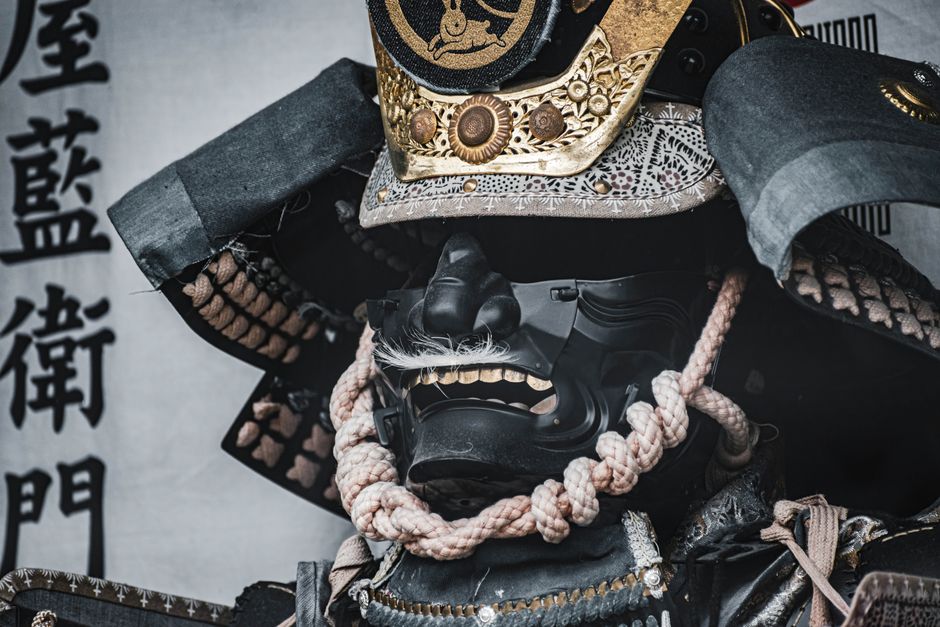
Table of Contents
- Key Takeaways
- Samurai Hollywood Completely Misrepresents: The Reality Behind the Myths
- The Evolution of Samurai Across Japanese History
- Why Hollywood Gets It Wrong
- Frequently Asked Questions
- Sources
Hollywood loves samurai. These legendary Japanese warriors stride across movie screens wielding gleaming katanas, bound by an unbreakable code of honor. But when it comes to historical accuracy, filmmakers often trade facts for fiction. The real history of samurai Hollywood completely misunderstood spans over nine centuries of Japan’s past, from the Heian era through the Meiji Restoration. These ancient warriors were far more complex than cinema suggests, and the empire they served operated under rules modern audiences rarely see portrayed correctly.
Let’s separate Hollywood fantasy from historical reality and explore what life was actually like for these warriors of a bygone civilization.
Key Takeaways
- Samurai regularly used bows and guns, not just swords, throughout most of their history
- Most samurai were bureaucrats and administrators, not constantly fighting warriors
- The rigid “bushido” code was largely invented centuries after the samurai era ended
- Samurai armor was designed for mounted archery, not the sword duels movies love
- Ronin (masterless samurai) were often desperate outcasts, not noble wandering heroes
- Female samurai existed and fought in battles throughout Japanese history
Samurai Hollywood Completely Misrepresents: The Reality Behind the Myths
The samurai class emerged around the 10th century as provincial warriors serving noble families. Over the following centuries, they evolved into Japan’s ruling military aristocracy. But the samurai of actual history looked and behaved quite differently from their Hollywood counterparts. Movies tend to compress nearly a thousand years of evolving traditions, technology, and social structures into a single romanticized image. This creates a distorted picture of what samurai life actually entailed across different eras of Japanese civilization.
1. Samurai Preferred Bows and Guns Over Swords
Every samurai movie centers on sword fighting. Katanas clash, warriors duel, and blade mastery defines honor. Reality? Samurai were primarily archers for most of their history. The bow was considered the samurai’s most important weapon from the Heian period through the medieval era. Mounted archery, or yabusame, was the essential skill that defined a warrior’s worth. When Portuguese traders introduced firearms to Japan in 1543, samurai quickly adopted guns. By the late 16th century, Japan had more firearms than most European nations. Samurai armies relied heavily on organized gunfire volleys during the Sengoku period. The sword was largely a backup weapon and status symbol, not the primary tool of warfare Hollywood depicts.
2. Most Samurai Were Bureaucrats, Not Warriors
Hollywood shows samurai constantly fighting, training, or seeking duels. The truth is far less cinematic. During the Edo period (1603-1868), which lasted over 250 years, Japan experienced relative peace. Samurai became government administrators, tax collectors, and clerks. They spent their days pushing paper, managing records, and handling municipal affairs. Many never saw combat in their entire lives. Some grew so poor they took side jobs as craftsmen or farmers, though officially they weren’t supposed to work outside their class. The samurai bureaucrat writing reports in a government office doesn’t make for exciting cinema, but it represents the reality for most samurai throughout the peaceful Edo era.
3. The Bushido Code Was Largely a Modern Invention
Movies present bushido as an ancient, unchanging code of honor that all samurai followed religiously. This is historical fiction. While samurai certainly had ethical guidelines and values, the formalized “bushido” concept was largely created during the Meiji period (1868-1912) and expanded in the early 20th century. The famous text “Hagakure,” often cited as the bushido bible, was written in the early 1700s by a retired samurai and wasn’t widely read until the 20th century. Different clans and time periods had varying standards of behavior. What we think of as “the way of the warrior” was actually codified long after the samurai class was abolished in 1876, serving nationalistic purposes in modern Japan rather than reflecting consistent historical practice across centuries.
4. Samurai Armor Was Built for Horseback Archery
Film armor looks perfect for sword fighting: relatively light, flexible, and dramatic. Historical samurai armor tells a different story. Traditional yoroi armor was designed specifically for mounted archery. The distinctive boxy shape protected a rider shooting arrows from horseback. The large shoulder guards (sode) shielded against incoming arrows from the sides. This armor was often heavy and cumbersome for the ground-based sword duels movies love to show. Later designs became more practical for different combat situations, but the iconic samurai armor evolved for a style of warfare Hollywood rarely depicts accurately. The o-yoroi could weigh 60 pounds or more, making the acrobatic sword fights of cinema physically impossible.
5. Ronin Were Usually Desperate Outcasts, Not Noble Heroes
Hollywood romanticizes ronin as honorable wandering warriors, noble souls without masters. Historical ronin faced a bleaker reality. These masterless samurai lost their position in society’s rigid hierarchy. Without a lord to serve, they lost their income, status, and purpose. Many became bandits, mercenaries, or bodyguards for merchants. Some starved. During peaceful periods, ronin represented a social problem: armed, trained warriors with no legitimate place in society and no means of support. While some ronin found honorable work as teachers or guards, many descended into poverty and crime. The wandering hero of samurai films obscures the often tragic circumstances that created ronin and the difficult, sometimes shameful lives they led.
6. Female Samurai Warriors Actually Existed
Most samurai movies feature exclusively male warriors. This erases an important part of history. Women of samurai families received martial training and fought in battles when necessary. They typically trained with the naginata, a pole weapon well-suited to defending homes and family honor. DNA analysis of remains from historical battlefields has confirmed that women participated in combat more frequently than previously thought. Onna-bugeisha, as these female warriors were known, defended their homes during sieges and sometimes rode into open battle. Tomoe Gozen, who fought in the Genpei War of the 12th century, became legendary for her skill. Nakano Takeko led a unit of female warriors during the Boshin War in 1868. These women were part of samurai civilization, not exceptions to it.
7. Seppuku Wasn’t Nearly as Common as Movies Suggest
Ritual suicide appears constantly in samurai films as the honorable response to any failure or dishonor. While seppuku was a real practice, it wasn’t the everyday occurrence Hollywood depicts. It was a formalized ritual reserved for specific circumstances: avoiding capture, taking responsibility for serious failures, or following a lord in death. Most samurai lived full lives and died of natural causes or in battle. The Edo period, spanning over two and a half centuries, was largely peaceful. Samurai of this era typically died in their beds, not by their own swords. Movies exaggerate the frequency of seppuku to dramatic effect, creating the false impression that samurai casually committed suicide over minor slights or setbacks. The reality was far less theatrical and much more mundane.
The Evolution of Samurai Across Japanese History
Understanding samurai requires recognizing how dramatically they changed over nearly a millennium. The mounted archers of the Heian period bore little resemblance to the Edo-period bureaucrats, and neither matched the highly trained swordsmen of the Sengoku era. Technology, politics, and social structures evolved continuously. The katana itself went through numerous design changes. Fighting styles adapted to new weapons and battlefield conditions. A 12th-century warrior transported to the 17th century would barely recognize samurai culture, despite both being “samurai.”
Hollywood typically depicts a mashup of different eras, combining Edo-period social structures with Sengoku-period warfare and modern bushido philosophy. This creates an ahistorical composite that never actually existed. Real samurai history is messier, more varied, and ultimately more interesting than the simplified version cinema presents.
| Era | Approximate Period | Primary Weapon | Main Role |
|---|---|---|---|
| Heian | 794-1185 | Bow (mounted archery) | Provincial warriors for nobles |
| Kamakura | 1185-1333 | Bow, sword | Military government officials |
| Sengoku | 1467-1615 | Firearms, spears, bows | Active warriors in constant warfare |
| Edo | 1603-1868 | Sword (ceremonial) | Bureaucrats and administrators |
Why Hollywood Gets It Wrong
Filmmakers aren’t necessarily ignorant of samurai history. They make conscious choices to prioritize drama over accuracy. Sword fights are more visually exciting than archery. Wandering heroes make better protagonists than tax collectors. A simple honor code is easier for audiences to grasp than complex, evolving social expectations across different time periods and regions.
Many influential samurai films were made by directors who drew inspiration from Western genres, particularly American Westerns. Akira Kurosawa famously adapted Western plots to samurai settings, and later Western filmmakers returned the favor, creating a circular exchange that moved further from historical accuracy with each iteration. The samurai of cinema became a universal archetype rather than a historically grounded figure.
Cultural factors also play a role. The romanticized bushido concept gained prominence during Japan’s militaristic period in the early 20th century. Post-war cinema in both Japan and the West continued emphasizing these themes, creating a feedback loop that reinforced popular misconceptions about samurai history.
Frequently Asked Questions
Did samurai really commit suicide to avoid dishonor?
Seppuku was a real practice, but far less common than movies suggest. It was reserved for specific serious circumstances like avoiding capture or atoning for major failures. Most samurai died of natural causes or in battle, not by ritual suicide. The practice was formalized and ritualized, not a casual response to minor setbacks as depicted in many films.
Were katanas really the best swords ever made?
Katanas were excellent swords well-suited to their purpose, but calling them objectively “the best” is more mythology than metallurgy. Different sword designs evolved for different fighting styles, armor types, and materials available. European longswords, Middle Eastern scimitars, and Chinese jian each excelled in their own contexts. The katana’s reputation owes much to 20th-century marketing and popular culture rather than technical superiority over all other blade designs throughout history.
How accurate are samurai movies made in Japan?
Japanese samurai films vary in accuracy just like Hollywood productions. Some directors prioritize historical detail, while others focus on entertainment and artistic expression. Many classic Japanese samurai films take significant liberties with history for dramatic purposes. Even acclaimed historical dramas often compress timelines, simplify complex political situations, and emphasize certain weapons or practices over others for visual impact.
When did the samurai class actually end?
The samurai class was officially abolished in 1876 during the Meiji Restoration, when Japan rapidly modernized and adopted Western military structures. Former samurai lost their exclusive right to carry swords and their hereditary stipends. Many became part of the new military, government, or business sectors. The transition was traumatic for many samurai, leading to several rebellions, including the famous Satsuma Rebellion of 1877, which marked the final military stand of traditional samurai forces.