

By TrivBits, Staff Writer — Published November 13, 2026
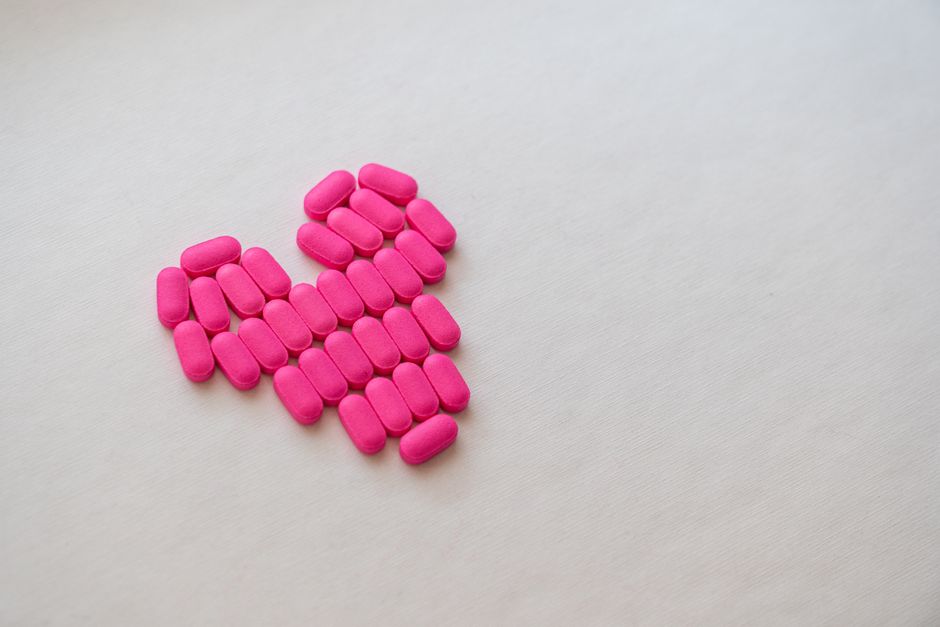
Table of Contents
- Key Takeaways
- Why Viagra Heart Medication Research Led to Something Unexpected
- The Seven Most Remarkable Accidental Drug Discoveries
- The Science Behind Happy Accidents
- Myths and Truths About Drug Discovery
- Frequently Asked Questions
- Sources
Did you know that one of the world’s most famous little blue pills started life as a cardiovascular treatment? The story of how viagra heart medication research led to a blockbuster drug for erectile dysfunction is one of medicine’s most surprising twists. But Viagra isn’t alone in this curious club of accidental pharmaceutical discoveries.
Throughout medical history, researchers have stumbled upon breakthrough treatments while searching for something completely different. These happy accidents have saved millions of lives, relieved countless symptoms, and fundamentally changed how we approach disease. The truth behind these discoveries reveals fascinating insights into how science really works—messy, unexpected, and often gloriously serendipitous.
Key Takeaways
- Viagra was originally developed to treat angina and high blood pressure before researchers noticed its more famous side effect
- Many breakthrough medications were discovered by accident when scientists observed unexpected effects during clinical trials
- Penicillin, one of history’s most important antibiotics, came from contaminated laboratory equipment
- Some psychiatric medications were found while testing drugs for completely unrelated conditions
- Accidental discoveries underscore the importance of careful observation in scientific research
- These interesting finds often took years to develop from observation to approved treatment
Why Viagra Heart Medication Research Led to Something Unexpected
In the early 1990s, Pfizer scientists were testing a compound called sildenafil citrate. Their goal? Treating angina, the chest pain caused by reduced blood flow to the heart. The drug was designed to relax blood vessels and improve circulation—a promising approach for cardiovascular disease.
Clinical trials in Wales proved disappointing for heart patients. The medication didn’t significantly help angina symptoms. But male participants reported something unusual: improved erections. Many were reluctant to return their unused pills at the end of the trial, which caught researchers’ attention.
Pfizer pivoted quickly. By 1998, sildenafil became Viagra, the first oral treatment for erectile dysfunction approved by the FDA. The mechanism that barely helped heart vessels worked remarkably well in other areas of the body. What began as a cardiovascular failure became a multibillion-dollar success story and changed millions of lives in ways nobody anticipated.
The Seven Most Remarkable Accidental Drug Discoveries
1. Penicillin: The Moldy Miracle
Alexander Fleming returned from vacation in 1928 to find his bacterial cultures contaminated with mold. Most scientists would have cursed and thrown them away. Fleming noticed something extraordinary: wherever the mold grew, bacteria died. That contaminating fungus, Penicillium notatum, produced the world’s first widely used antibiotic. Penicillin has since saved an estimated 200 million lives, transforming medicine from the helplessness of the pre-antibiotic era to an age where bacterial infections became treatable. The discovery earned Fleming the Nobel Prize and fundamentally changed human health outcomes worldwide.
2. Warfarin: From Cattle Disease to Blood Thinner
In the 1920s, cattle across North America were dying from a mysterious bleeding disease after eating spoiled sweet clover hay. Researchers eventually isolated the culprit: a compound that prevented blood clotting. Scientists synthesized this substance into warfarin, initially marketed as rat poison in 1948. Then doctors realized its potential for preventing dangerous blood clots in humans. Today, warfarin remains one of the most prescribed anticoagulants, preventing strokes and treating conditions like deep vein thrombosis. What killed livestock became a life-saving medication for millions of heart patients.
3. Minoxidil: Blood Pressure Pills That Grew Hair
Minoxidil entered trials in the 1950s as an oral medication for severe high blood pressure. It worked—but patients reported an unexpected and somewhat welcome side effect: excessive hair growth. Researchers recognized the cosmetic potential and reformulated minoxidil as a topical solution. The FDA approved it for treating male pattern baldness in 1988. Now sold as Rogaine and generic versions, minoxidil represents another case where a cardiovascular drug found its true calling elsewhere. The exact mechanism of how it stimulates hair follicles remains only partially understood, even decades later.
4. LSD: From Ergot Research to Psychedelic
Swiss chemist Albert Hofmann synthesized lysergic acid diethylamide in 1938 while researching medicinal compounds from ergot fungus. He accidentally absorbed some through his skin in 1943 and experienced the first intentional LSD trip days later when he deliberately ingested a small dose. Initially, psychiatrists explored LSD as a tool for psychotherapy and understanding mental illness. Though recreational abuse led to prohibition, modern researchers are rediscovering its potential for treating PTSD, anxiety, and depression. This accidental discovery continues sparking debate about consciousness, therapy, and drug policy decades after Hofmann’s unexpected bicycle ride home.
5. Antipsychotics: Surgical Sedative to Psychiatric Treatment
French surgeon Henri Laborit was testing antihistamines in the 1950s to reduce surgical shock. He noticed that chlorpromazine made patients calm and unconcerned about upcoming surgery without losing consciousness. Psychiatrists quickly recognized its potential for severe mental illness. Chlorpromazine became the first antipsychotic medication, revolutionizing treatment for schizophrenia and bipolar disorder. Before this accidental find, psychiatric institutions had few effective treatments beyond restraints and institutionalization. The discovery launched the field of psychopharmacology and enabled countless patients to live outside institutions for the first time.
6. Botox: Poison to Cosmetic Powerhouse
Botulinum toxin is one of nature’s deadliest poisons. Researchers studying this bacterial toxin in the 1970s and 1980s found it could treat muscle spasms by temporarily paralyzing overactive muscles. Doctors used it for crossed eyes and uncontrollable blinking before a Canadian ophthalmologist noticed it smoothed wrinkles between her patients’ eyebrows. The FDA approved Botox for cosmetic use in 2002. Now it treats everything from chronic migraines to excessive sweating, proving that even lethal substances can become therapeutic tools when properly understood and carefully dosed.
7. Ketamine: Anesthetic to Depression Treatment
Developed in 1962 as a safer alternative to PCP for anesthesia, ketamine became widely used in emergency and battlefield medicine. Decades later, researchers noticed something curious: patients with depression who received ketamine for other reasons reported rapid mood improvements. Clinical trials confirmed ketamine could relieve treatment-resistant depression within hours, not weeks like traditional antidepressants. The FDA approved a nasal-spray version in 2019. This accidental observation opened entirely new approaches to understanding and treating depression, suggesting that conventional theories about the condition might be incomplete.
The Science Behind Happy Accidents
These discoveries share common threads. Sharp-eyed researchers noticed unexpected effects. Institutions supported follow-up investigation rather than dismissing anomalies. Years of additional research transformed observations into approved medications.
The process isn’t purely luck. Scientists create conditions where accidents can happen—testing compounds, observing carefully, and remaining open to surprise. Louis Pasteur famously said, “Chance favors the prepared mind.” These accidental discoveries prove his point. Without rigorous observation and willingness to pursue unexpected leads, these side effects would have remained footnotes in failed trials.
Modern drug development is more targeted, using computer modeling and genetic understanding to design molecules for specific purposes. Yet accidents still happen. Researchers continue finding that medications work through different mechanisms than originally thought, or that failed drugs for one condition might succeed for another.
Myths and Truths About Drug Discovery
A common myth suggests these discoveries were pure chance—lightning strikes of luck. The truth is more nuanced. Yes, the initial observation involved serendipity, but transforming that observation into safe, effective medication required years of deliberate scientific work.
Another misconception: that accidental discoveries are rare. In reality, many medications have unexpected origins or uses beyond their original intent. Aspirin was used for pain before anyone understood how it worked. Many cancer drugs were repurposed from other research areas.
Some believe modern science has eliminated such accidents through better planning. Not true. Recent decades have seen continued accidental finds, from new uses for old drugs to unexpected effects in clinical trials. The human body remains complex enough that surprises continue emerging despite our growing knowledge.
Frequently Asked Questions
Was Viagra really developed as a heart medication?
Yes, Viagra was originally tested as a treatment for angina and hypertension. The compound sildenafil citrate was designed to improve blood flow to the heart by relaxing blood vessels. When it failed to significantly help heart patients but produced notable effects on erectile function, Pfizer redirected development toward treating erectile dysfunction instead.
How common are accidental drug discoveries?
While exact statistics vary, researchers estimate that a significant percentage of medications have found uses beyond their original intended purpose. Many drugs undergo “repurposing” when doctors or researchers notice unexpected beneficial effects. These observations continue in modern medicine, though systematic drug development has become more targeted and intentional over time.
Do pharmaceutical companies look for accidental discoveries?
Companies don’t rely on accidents, but they do carefully monitor all effects during clinical trials. Modern protocols require reporting all side effects and unexpected observations. Some companies actively screen existing drugs for new uses, a process called drug repurposing. This approach is faster and cheaper than developing entirely new compounds from scratch.
Can dangerous substances become useful medications?
Absolutely. Many effective medications derive from toxic substances, including botulinum toxin (Botox), warfarin (rat poison), and various chemotherapy drugs. The key is dosage and delivery method—substances deadly in large amounts can be therapeutic in carefully controlled, small doses. This principle, “the dose makes the poison,” has been fundamental to pharmacology for centuries.