
By TrivBits, Staff Writer — Published November 7, 2026
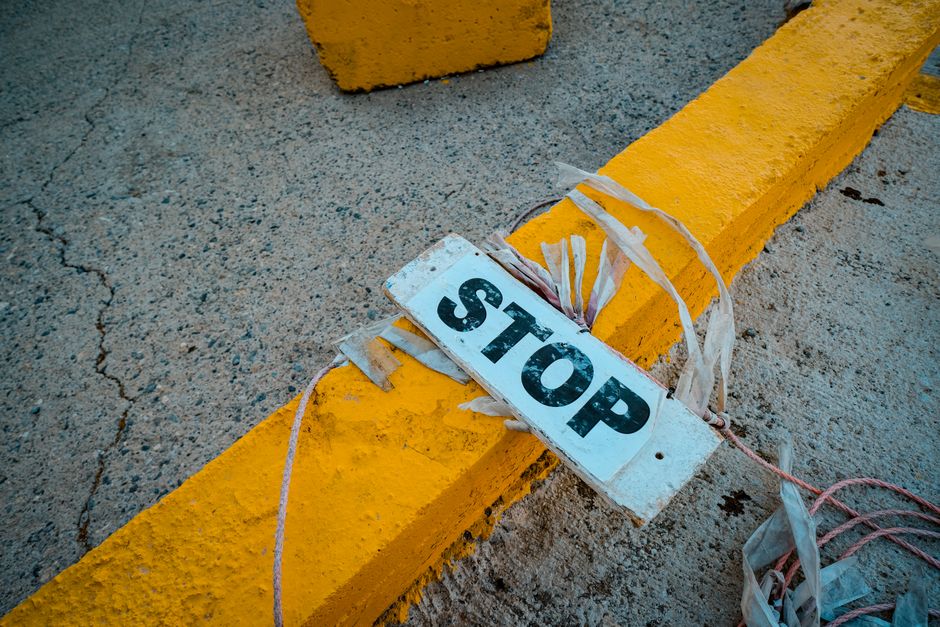
Table of Contents
- Key Takeaways
- Who Was the Inventor of the Stop Sign?
- The Evolution of Design: From White to Red Octagon
- Myths and Truths About Stop Sign History
- The Global Spread of an American Innovation
- How Stop Signs Changed Driving Forever
- Frequently Asked Questions
- Sources
Every day, millions of drivers obey an octagonal red command without giving it a second thought. The stop sign is so ubiquitous in modern traffic control that it seems like it’s always existed. But did you know that the inventor of the stop sign was a Detroit traffic official working over a century ago? The surprising truth is that this life-saving device emerged from a single American city’s desperate attempt to bring order to chaotic streets.
The story behind this familiar traffic fixture is filled with interesting facts, forgotten pioneers, and myths that have obscured the real history. Let’s uncover the unknown truths about how a simple sign changed the world.
Key Takeaways
- William Phelps Eno created the first stop sign concept in the early 1900s, though Detroit officially implemented the first physical signs in 1915.
- The original stop signs were white with black letters and smaller than today’s versions.
- The distinctive octagon shape wasn’t standardized until 1922, chosen specifically so drivers could recognize it even from behind.
- Stop signs didn’t become universally red until 1954, when fade-resistant enamel paints became widely available.
- The inventor never drove a car himself, despite revolutionizing traffic safety for motorists worldwide.
- Stop signs are now used in over 70 countries, making them one of the most recognized symbols on Earth.
Who Was the Inventor of the Stop Sign?
The credit for inventing traffic control signs generally goes to William Phelps Eno, a wealthy New Yorker who became obsessed with solving urban traffic congestion in the early 1900s. Eno wrote the first-ever traffic code and proposed numerous innovations including one-way streets, taxi stands, pedestrian safety islands, and yes, stop signs. Remarkably, Eno never learned to drive. He spent his entire life being chauffeured while developing the rules that would govern millions of drivers.
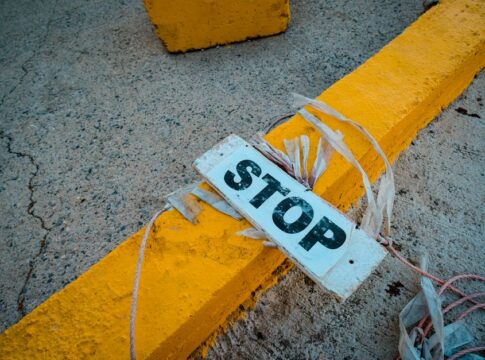
However, the first actual stop sign installed on American streets appeared in Detroit, Michigan, in 1915. The Detroit traffic official who implemented it remains somewhat obscure in historical records, but the city’s innovation quickly spread. These early signs were quite different from what we see today. They measured just two feet by two feet—significantly smaller than modern stop signs. The white background with black lettering made them less visible than today’s bright red versions, especially at dusk or dawn.
Why Detroit? The Motor City was experiencing explosive growth in automobile traffic, and with it came unprecedented accidents and chaos. Something had to give.
The Evolution of Design: From White to Red Octagon
The stop sign underwent several transformations before achieving its current iconic form. Shape came first. In 1922, the American Association of State Highway Officials met to standardize road signs across the country. They assigned specific shapes to different types of warnings: circles for railroad crossings, diamonds for warnings, and octagons exclusively for stop signs. The logic was brilliant. An octagon has more sides than any other sign shape, making it instantly distinguishable even when covered in snow or seen from behind.
But color proved more complicated. Early stop signs were white with black text because red paint faded quickly when exposed to weather and sunlight. The technology simply didn’t exist to maintain bright red signs outdoors. Yellow became the standard stop sign color in 1924, offering better visibility than white while using durable paint.
The switch to red didn’t happen until 1954, nearly four decades after the first stop signs appeared. Fade-resistant enamel paints finally made it possible to keep signs bright red for years. Red had always been associated with danger and stopping—think of red railway signals and red lights. Once the technology caught up with the psychology, the change was swift.
Myths and Truths About Stop Sign History
Several persistent myths surround stop sign origins. One common misconception is that stop signs were invented by the same person who created traffic lights. Not true. Traffic signals evolved separately, with various inventors contributing to their development. Another myth suggests that the octagon shape was chosen randomly. In fact, it was a carefully considered decision based on visibility and recognition factors.
Some believe stop signs have always been mandatory at every intersection. False. For decades, many cities relied on yield signs, traffic circles, or simply the “right-of-way” rule where the car on the right had priority. Stop signs proliferated gradually as traffic volumes increased and accidents mounted.
Here’s a surprising truth: there’s actually a formula for when a stop sign should be installed. Traffic engineers use specific criteria including traffic volume, accident history, and sight distance. Not every intersection legally requires one, despite what frustrated drivers might think.
The Global Spread of an American Innovation
From Detroit’s streets, the stop sign concept spread across America within a decade. By the 1930s, most major U.S. cities had adopted them. But international adoption took longer and followed interesting patterns. Canada embraced stop signs quickly, given its proximity and similar traffic conditions. European countries were more hesitant, many preferring yield signs and priority-to-the-right rules that dated back to horse-and-carriage days.
The 1968 Vienna Convention on Road Signs and Signals helped standardize stop signs internationally. Most countries now use either the red octagon with “STOP” in white letters or a red circle with “STOP” inside. The octagon version—the American design—has become dominant in over 70 countries.
Interestingly, some nations translate the word “STOP” while others keep the English text even in non-English-speaking countries. Japan uses a red inverted triangle instead of an octagon, one of the few major exceptions to the global standard.
How Stop Signs Changed Driving Forever
Before stop signs existed, intersections were genuinely dangerous free-for-all zones. Drivers approached crossings at full speed, relying on horn honking and luck to avoid collisions. The introduction of stop signs represented a fundamental shift: for the first time, the road itself was telling drivers what to do.
This might seem obvious now, but it was revolutionary. Stop signs established the principle that traffic control could be passive—no police officer or traffic director needed to be present. Signs worked 24 hours a day, never took breaks, and cost almost nothing to maintain. They democratized traffic safety, making it consistent and predictable.
The psychological impact was equally important. Stop signs trained generations of drivers to obey roadway commands automatically. This conditioned obedience made it possible to introduce more complex traffic control systems later, from yield signs to complex highway interchanges.
Frequently Asked Questions
Why are stop signs octagonal instead of square or circular?
The octagon shape was chosen in 1922 specifically because it has more sides than any other standard sign shape, making it instantly recognizable even in poor visibility conditions or when viewed from behind. This unique geometry means drivers can identify a stop sign by silhouette alone, even before reading the text.
Were stop signs always red?
No, stop signs were originally white with black letters in 1915, then changed to yellow in 1924 because durable red paint didn’t exist yet. They only became red in 1954 when fade-resistant enamel paints were developed that could maintain their color despite weather exposure and sunlight.
Did the inventor of the stop sign ever drive a car?
William Phelps Eno, who pioneered the concept of stop signs and wrote the first traffic regulations, never learned to drive. He was chauffeured his entire life yet became the foremost authority on traffic control, earning him the nickname “the father of traffic safety” despite never operating a vehicle himself.
How many stop signs are there in the United States?
While no exact count exists, estimates suggest there are several million stop signs across the United States. The Manual on Uniform Traffic Control Devices provides guidelines for their placement, but individual municipalities make installation decisions based on local traffic conditions, meaning the number constantly changes as new signs are added and old ones removed.