
By TrivBits, Staff Writer — Published October 20, 2026
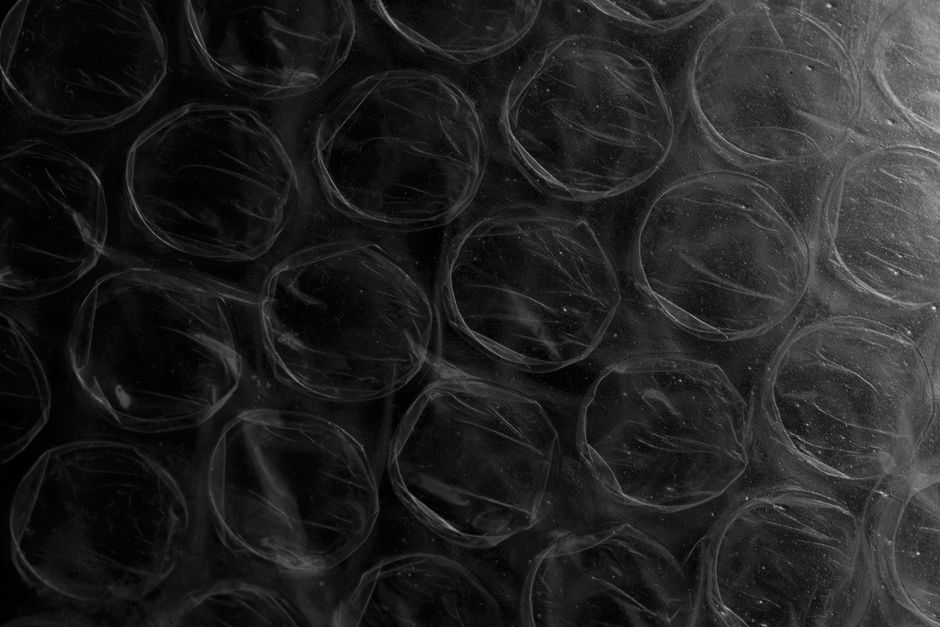
Table of Contents
- Key Takeaways
- The Shocking Bubble Wrap Origin: It Started as Wallpaper
- From Failed Wallpaper to Greenhouse Insulation
- 9 Shocking Facts About the Invention’s True Purpose
- Why Bubble Wrap Succeeded Despite Its Confused Beginning
- The Science Behind Those Satisfying Pops
- Frequently Asked Questions
- Sources
Did you know that bubble wrap wasn’t originally created to protect your fragile packages? This surprising truth is just the beginning of a fascinating story filled with unexpected twists. The invention that now defines safe shipping started its life with an entirely different goal in mind—one that seems almost absurd when you think about popping those addictive air bubbles today.
What makes the shocking bubble wrap origin story even more interesting is how its inventors stumbled into success by accident. These trivia facts reveal unknown chapters in the history of an everyday item we rarely think twice about, yet use constantly.
Key Takeaways
- Bubble wrap was originally designed as textured wallpaper, not packaging material
- The inventors created it by sealing two shower curtains together in 1957
- IBM became the first major company to use bubble wrap for computer protection
- The material was initially marketed as greenhouse insulation before finding its true purpose
- Bubble wrap generates billions in revenue annually as a packaging staple
- The satisfying “pop” is caused by compressed air escaping from sealed pockets
The Shocking Bubble Wrap Origin: It Started as Wallpaper
In 1957, two engineers named Alfred Fielding and Marc Chavannes were attempting to create a three-dimensional plastic wallpaper that would be the next big trend in home décor. They sealed two shower curtains together, trapping air bubbles between the layers, expecting to revolutionize interior design. The wallpaper idea flopped spectacularly—nobody wanted bumpy walls covered in air pockets.
This failure could have ended the story. Instead, the inventors refused to abandon their creation. They began searching for alternative uses, pivoting their strange textured material toward other markets. Their persistence would eventually pay off, though not in any way they initially imagined when they first fired up their experimental sealing machine.
From Failed Wallpaper to Greenhouse Insulation
After the wallpaper market rejected their invention, Fielding and Chavannes tried marketing their air-filled plastic as greenhouse insulation. The logic seemed sound: the trapped air pockets could provide thermal protection for delicate plants while allowing light to pass through. This application showed more promise than wallpaper, but it still didn’t catch fire in the marketplace.
The greenhouse insulation concept demonstrated that the inventors understood their material’s insulating properties. They just hadn’t yet found the perfect application. Their willingness to experiment with multiple uses reflects the trial-and-error nature of many successful inventions—sometimes the breakthrough comes from the third or fourth attempt, not the first.
9 Shocking Facts About the Invention’s True Purpose
1. IBM Saved the Day and Defined Bubble Wrap’s Destiny
In 1960, IBM was preparing to ship its new 1401 computer system—a massive, delicate machine that required serious protection. A marketer at Sealed Air Corporation (the company Fielding and Chavannes founded) convinced IBM to use bubble wrap as protective packaging. This single contract transformed the failed wallpaper into a shipping essential, establishing the purpose we know today. Without IBM’s leap of faith, bubble wrap might have disappeared into obscurity.
2. The Original Patent Describes Something Completely Different
The 1960 patent for bubble wrap makes no mention of shipping or packaging protection. Instead, it describes applications for insulation and decorative purposes. This disconnect between the patent’s language and the product’s eventual use illustrates how inventors often cannot predict where their creations will find success. The patent essentially documents one vision while reality delivered another entirely.
3. Bubble Wrap Was Engineered Backwards from Its Current Use
Most protective packaging is designed with cushioning in mind from the start. Bubble wrap arrived at that purpose through elimination and accident. The inventors created a texture first, then spent years searching for a problem it could solve. This backwards engineering process—solution seeking problem rather than problem seeking solution—rarely succeeds, making bubble wrap’s story even more remarkable.
4. The “Pop” Is a Design Flaw That Became a Feature
The satisfying pop when you squeeze a bubble represents air escaping—technically a failure of the seal. Engineers have since created “unpoppable” versions with interconnected air channels that don’t burst under pressure, offering better protection. Yet the original poppable version remains popular, partly because people enjoy the sensory experience. A flaw became the product’s most beloved characteristic.
5. Bubble Size Was Chosen Arbitrarily, Not Scientifically
The bubble dimensions in standard bubble wrap weren’t determined through careful engineering analysis of optimal cushioning. They resulted from the limitations and settings of the original manufacturing equipment. Later research showed that different bubble sizes protect different items better, leading to variations like large-bubble wrap for bigger objects. The “standard” size we know was essentially random.
6. It Almost Became a Fashion Statement in the 1960s
During bubble wrap’s early years, some designers experimented with incorporating it into clothing and accessories, trying to tap into the space-age aesthetic popular in 1960s fashion. These attempts never gained mainstream traction, but they show how desperately the inventors and early adopters searched for viable markets. Imagine bubble wrap dresses walking down runways—it nearly happened.
7. The Military Rejected It Before Shipping Companies Adopted It
Sealed Air Corporation pitched bubble wrap to military logistics divisions for protecting equipment during transport. Military buyers passed on it, preferring traditional materials like foam and corrugated inserts. Only after civilian shipping companies began adopting it did the military reconsider. Sometimes the intended customer isn’t the right customer, and success comes from unexpected quarters.
8. Environmental Concerns Nearly Killed the Product Decades Later
By the 1990s, bubble wrap faced serious criticism as wasteful plastic that filled landfills. This environmental backlash threatened the product’s future more seriously than its rocky start ever did. In response, manufacturers developed recyclable versions and air-removal features that reduce shipping volume. The invention that survived its identity crisis faced a second existential challenge from sustainability concerns.
9. Digital Commerce Gave It an Unexpected Second Life
When online shopping exploded in the 2000s, bubble wrap experienced a renaissance. E-commerce requires shipping billions of individual packages to homes rather than bulk shipments to stores, dramatically increasing demand for protective packaging. The invention that took years to find its purpose became indispensable once again, proving that timing matters as much as innovation in commercial success.
Why Bubble Wrap Succeeded Despite Its Confused Beginning
The bubble wrap story teaches us that invention and innovation rarely follow straight paths. Fielding and Chavannes created something genuinely novel—a sealed air cushioning system—but they initially misunderstood what problem it solved best. Their persistence in seeking applications, combined with lucky timing when IBM needed computer protection, turned failure into triumph.
The material’s inherent properties—lightweight, cushioning, transparent, and inexpensive to produce—made it ideal for shipping once someone recognized that application. Sometimes an invention’s true value isn’t apparent to its creators. The market, through trial and error, reveals where innovation fits best.
The Science Behind Those Satisfying Pops
Each bubble contains ordinary air trapped between two layers of polyethylene plastic, sealed at regular intervals. When you squeeze a bubble beyond its elastic limit, the plastic film ruptures and the compressed air escapes rapidly, creating that distinctive popping sound. The noise results from the sudden pressure change and the vibration of the plastic as it tears.
Modern manufacturing creates bubbles through heated rollers that shape the plastic and seal it simultaneously. The process is remarkably efficient, producing thousands of square feet per hour. Engineers have refined the technique significantly since the shower-curtain experiments of 1957, but the basic principle remains unchanged: trap air, seal it, and let physics do the cushioning work.
Frequently Asked Questions
Was bubble wrap really invented by accident?
Bubble wrap was intentionally invented, but not for its current purpose. Fielding and Chavannes deliberately created the air-bubble texture, but they intended it as wallpaper. The protective packaging application emerged only after their original idea failed and they searched for alternative uses. So it was a purposeful invention that found an accidental application.
When did bubble wrap become popular for shipping?
Bubble wrap gained traction in the early 1960s after IBM adopted it for shipping computers in 1960. Throughout that decade, more companies recognized its protective qualities for shipping fragile items. By the 1970s, it had become a standard packaging material across industries, though it took roughly 15 years from invention to widespread commercial acceptance.
Is there really unpoppable bubble wrap?
Yes, manufacturers developed bubble wrap with connected air channels rather than individual sealed bubbles. When you squeeze one area, air flows to adjacent areas instead of escaping. This design provides better protection since the cushioning doesn’t degrade when bubbles burst. However, it eliminates the satisfying pop that many people enjoy, so traditional poppable versions remain popular.
Why do people find popping bubble wrap so satisfying?
Popping bubble wrap provides sensory feedback—tactile sensation, sound, and a small sense of accomplishment with each pop. Psychologists suggest it offers stress relief through repetitive action and mild destruction that’s consequence-free. The predictable result of each squeeze may also trigger dopamine release, similar to other satisfying repetitive activities. It’s essentially a safe, simple pleasure that engages multiple senses.
Next time you unwrap a package and reach for that sheet of bubble wrap, remember you’re holding a failed wallpaper experiment that stumbled into greatness. The most useful inventions sometimes emerge from the most unlikely origins, reminding us that persistence and flexibility matter as much as the initial spark of creativity.