
By TrivBits, History Desk — Published October 17, 2026
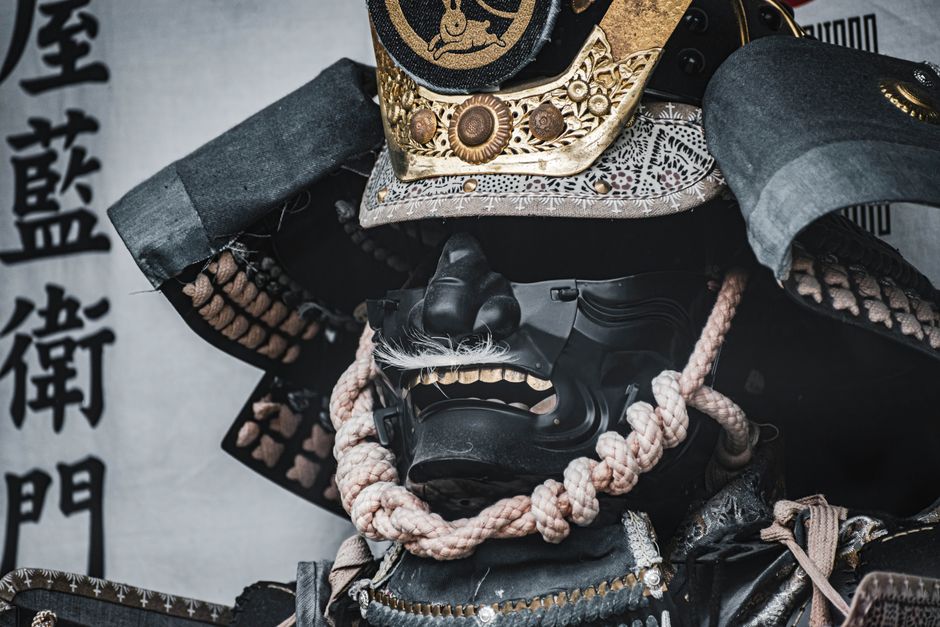
Table of Contents
- Key Takeaways
- The Practical Engineering Behind Samurai Armor Mustache Guards
- Historical Context: When Face Protection Became Essential
- The Psychology of Intimidation
- Materials and Craftsmanship
- Comparing Face Protection Across Civilizations
- Frequently Asked Questions
- Sources
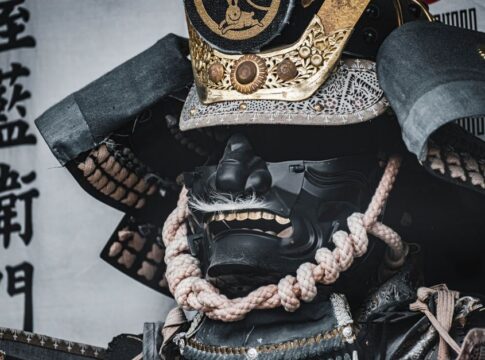
When you picture a samurai warrior from feudal Japan, you might imagine elaborate armor, a gleaming katana, and perhaps a fierce face mask. But look closer at that mask—many featured a curious metal attachment protecting the upper lip. These samurai armor mustache guards weren’t fashion statements; they served critical defensive purposes in an era when face-to-face combat could mean life or death. Understanding this small but significant piece of historical military equipment reveals much about how ancient civilizations approached battlefield protection.
The mustache guard, known as a yodare-kake in Japanese, was part of the menpō or face armor worn by samurai from roughly the 16th century onward. This protective element tells a fascinating story about practical engineering meeting the brutal realities of medieval warfare.
Key Takeaways
- Samurai armor mustache guards were functional components designed to deflect upward sword strikes and arrows aimed at the face.
- The yodare-kake (drool catcher) protected the vulnerable throat and lower face while allowing warriors to breathe and communicate during battle.
- These guards became prominent during the Sengoku period, an era of intense warfare spanning the 15th to early 17th centuries.
- Face armor designs often incorporated intimidating features, including exaggerated mustaches, to psychologically unsettle opponents.
- The guards were engineered to work with other armor components, creating a comprehensive protective system without sacrificing mobility.
- Different samurai ranks and clans developed distinctive mustache guard styles, making them markers of identity and status.
The Practical Engineering Behind Samurai Armor Mustache Guards
Combat in feudal Japan was brutally intimate. Unlike modern warfare, samurai faced enemies mere feet away, exchanging blows with swords, spears, and arrows. The face represented one of the most vulnerable targets—difficult to fully protect without impairing vision, breathing, or movement.
The mustache guard solved several problems simultaneously. First, it deflected upward cuts aimed at the throat and chin, redirecting blade strikes away from vital arteries. Second, it provided a buffer zone against arrows that might otherwise strike the lower face at oblique angles. The curved metal piece extended outward from the face mask, creating a protective overhang.
But there’s more to it. The yodare-kake literally translates to “drool catcher,” which sounds unglamorous until you understand the reality of wearing heavy armor in battle. Samurai fought in all weather conditions, often for hours. The guard helped channel sweat, saliva, and even blood away from the armor’s interior components, preventing rust and maintaining the equipment’s integrity. Practical? Absolutely.
The attachment also reinforced the structural integrity of the menpō itself. By extending downward and sometimes featuring a throat guard, it distributed impact forces across a larger surface area, reducing the chance of the face mask cracking or deforming under direct hits.
Historical Context: When Face Protection Became Essential
Face armor wasn’t always standard equipment for Japanese warriors. Earlier samurai from the Heian period and Kamakura era typically wore simpler armor focused on protecting the torso. As warfare evolved and became more intense during the Sengoku period—Japan’s age of warring states—armor technology advanced rapidly.
This century-long conflict saw nearly constant warfare across the Japanese islands. Military tactics changed. Armies grew larger. Ashigaru (foot soldiers) armed with spears and later firearms joined samurai on battlefields. The increased chaos of mass combat meant warriors faced threats from multiple angles, making comprehensive protection crucial.
Armorers responded by developing increasingly sophisticated defensive systems. The menpō emerged as a solution to protect the face without the weight and vision restrictions of European-style full helmets. Different styles developed: the happuri protected only the forehead and cheeks, while the sōmen covered the entire face. The mustache guard became a common feature across these variations.
Interestingly, the prominence of facial armor coincided with the arrival of Portuguese traders and firearms in the mid-16th century. While guns changed warfare, they didn’t immediately replace traditional weapons. Samurai still engaged in close combat, making face protection as relevant as ever.
The Psychology of Intimidation
Samurai armor served dual purposes: protection and psychological warfare. Face masks often featured exaggerated, demonic expressions—fierce scowls, bared teeth, and yes, dramatic mustaches. These weren’t just decorative flourishes.
Ancient warriors understood that breaking an enemy’s morale could be as effective as breaking their formations. A line of samurai wearing grotesque masks, amplifying their war cries through metal mouthpieces, created a terrifying spectacle. The mustache guard contributed to this fearsome appearance, sometimes crafted to resemble the whiskers of mythological creatures or styled after famous warriors known for their facial hair.
Some historians suggest that particularly elaborate mustache guards signified rank or clan affiliation. A distinctive style could help allies identify commanders in the chaos of battle while simultaneously proclaiming status to opponents. Form and function merged seamlessly in these historical artifacts.
Materials and Craftsmanship
Creating a samurai armor mustache guard required significant skill. Armorers, known as katchū-shi, were highly respected artisans who often worked for generations perfecting their craft. They typically used iron or hardened leather, sometimes combining materials for optimal performance.
Iron guards offered superior protection but added weight. Leather versions were lighter and more comfortable for extended wear but provided less defense against direct strikes. Many armorers created hybrid designs, using iron for the primary protective surfaces and leather for backing and attachment points.
The guards were usually lacquered, both for rust prevention and aesthetic purposes. Black lacquer was most common, though some featured red, gold, or other colors corresponding to clan affiliations. The lacquering process itself was meticulous, requiring multiple layers applied over weeks or months.
Attachment mechanisms varied. Some mustache guards were permanently riveted to the face mask, while others used leather cords or metal clasps, allowing warriors to remove them for maintenance or adjust the fit. This modularity made the armor more versatile and easier to repair after battle damage.
Comparing Face Protection Across Civilizations
| Civilization | Face Protection Type | Primary Advantage | Key Limitation |
|---|---|---|---|
| Samurai Japan | Menpō with mustache guard | Excellent visibility and breathing | Partial coverage left some areas exposed |
| Medieval Europe | Full helm or great helm | Complete face protection | Severely restricted vision and airflow |
| Ottoman Empire | Helmet with nasal guard or face veil | Good balance of protection and mobility | Less effective against direct frontal strikes |
| Ancient Rome | Helmet with cheek guards | Lightweight, allowed good peripheral vision | Face remained largely unprotected |
Frequently Asked Questions
Did all samurai wear mustache guards on their armor?
No, not all samurai wore mustache guards. Face armor in general became more common during the Sengoku period, but many warriors, particularly lower-ranking samurai and foot soldiers, wore simpler armor without elaborate face protection. Mustache guards were more prevalent among higher-ranking warriors who could afford quality custom armor. The specific style and presence of these guards varied by time period, region, and individual preference.
Were samurai mustache guards effective against sword strikes?
Yes, mustache guards provided meaningful protection against certain attacks, particularly upward strikes targeting the throat and lower face. They were designed to deflect rather than absorb blows directly, redirecting sword edges away from vulnerable areas. However, they weren’t impenetrable—a powerful, well-aimed strike could still cause injury. The guards worked best as part of a complete armor system that encouraged enemies to strike less vulnerable areas.
How did the mustache guard get its “drool catcher” nickname?
The Japanese term yodare-kake literally translates to “drool catcher,” referring to the guard’s practical function of channeling moisture away from the armor. During intense combat, warriors would sweat profusely, and saliva would accumulate inside the mask. The outward-projecting guard helped direct these fluids downward and outward, preventing them from pooling inside the armor where they could cause rust, discomfort, or interfere with breathing. This unglamorous but essential function made the component valuable beyond its protective qualities.
Can you still see authentic samurai armor with mustache guards today?
Yes, numerous museums worldwide house authentic samurai armor featuring mustache guards. Major collections exist at the Tokyo National Museum, the Metropolitan Museum of Art in New York, and various specialized armor museums throughout Japan. Many of these pieces date from the 16th and 17th centuries and showcase the remarkable craftsmanship of historical Japanese armorers. Some complete suits of armor remain in excellent condition, offering detailed views of how these protective systems functioned as integrated wholes.
The samurai armor mustache guard represents far more than a quirky historical footnote. It embodies the ingenious problem-solving of past civilizations facing life-and-death challenges. These warriors needed protection that wouldn’t slow them down or blind them in combat—a balance that required both metallurgical expertise and deep understanding of battlefield dynamics. Next time you see samurai armor in a museum or film, take a moment to appreciate that distinctive facial projection. It might just be the most thoughtfully designed mustache in history.