Why Wasabi Is Almost Never Real Wasabi in Restaurants
By TrivBits, Staff Writer — Published July 30, 2026
Table of Contents
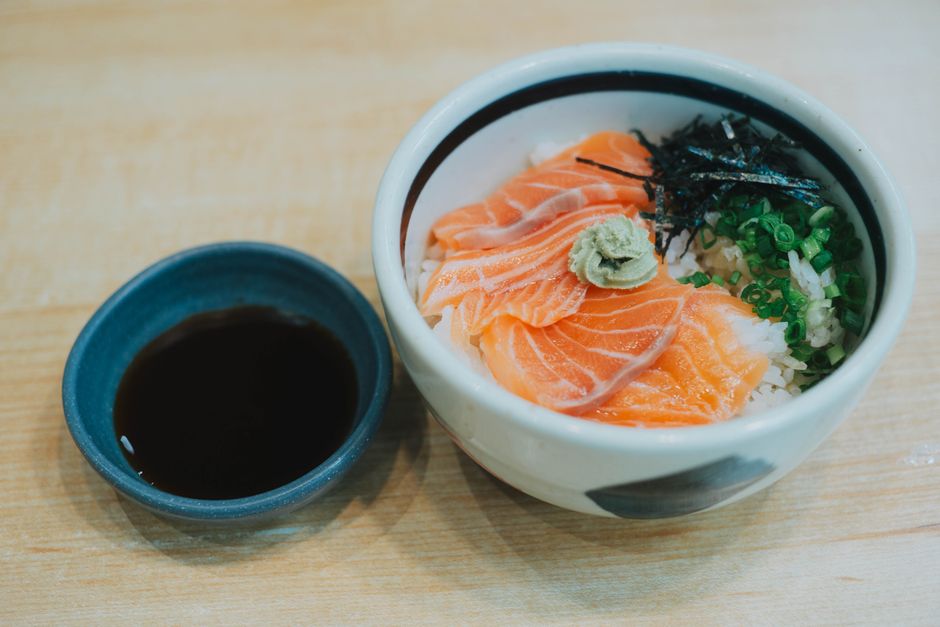
That green paste sitting next to your sushi? It's probably not wasabi. In fact, the wasabi served in most restaurants around the world—even high-end sushi establishments—is almost never real wasabi. What you're tasting is typically a mixture of horseradish, mustard, and green food coloring designed to mimic the flavor and appearance of authentic Japanese wasabi. This surprising truth reveals one of the culinary world's most widespread substitutions, driven by economics, scarcity, and the incredible difficulty of cultivating genuine wasabi.
Real wasabi comes from
Wasabia japonica, a plant native to Japanese mountain streams. It's notoriously finicky to grow and commands premium prices that make it impractical for everyday restaurant use. The result? A fascinating case of mass culinary deception that most diners never discover.
Key Takeaways
- Up to 95% of wasabi served outside Japan is actually a mixture of horseradish, mustard, and green dye, not genuine wasabi.
- Real wasabi (Wasabia japonica) grows only in specific conditions: cool running water, shade, and temperatures between 46-68°F (8-20°C).
- Authentic wasabi can cost $75-250 per pound, making it one of the world's most expensive vegetables.
- Fresh wasabi loses its flavor within 15-20 minutes after grating, while horseradish substitutes last much longer.
- Even in Japan, many restaurants use the substitute blend due to cost and convenience factors.
- True wasabi has a more complex, subtly sweet flavor with floral notes, unlike the aggressive burn of horseradish.
Why Wasabi Is Almost Never the Real Thing: The Growing Challenge
Growing authentic wasabi ranks among the most challenging agricultural endeavors. The plant demands pristine conditions found naturally in Japanese mountain stream beds. It requires constant cool temperatures, flowing water to prevent root rot, and partial shade to protect delicate leaves. These exacting requirements mean wasabi cannot be casually cultivated like most vegetables.
The plant takes 18-24 months to mature fully. That's two years of careful tending before a single harvest. Compare this to horseradish, which grows readily in temperate climates and matures in one season. Wasabi's slow growth cycle and high failure rate make commercial production expensive and risky. Even experienced growers face crop losses from temperature fluctuations, water quality issues, or disease.
Only a handful of regions outside Japan have successfully cultivated wasabi commercially. Parts of Oregon, British Columbia, and New Zealand have the right combination of cool streams and climate. Yet global production remains tiny compared to demand from sushi restaurants worldwide.
The Economics Behind the Substitute
Price tells the story. Real wasabi costs anywhere from $75 to over $250 per pound, depending on quality and availability. A single rhizome—the knobby stem that gets grated—might cost $50-100. Horseradish, by contrast, costs a few dollars per pound. When restaurant margins are tight, the choice becomes obvious.
But there's another catch: freshness. Authentic wasabi must be grated immediately before serving. The compounds responsible for its distinctive flavor and heat—isothiocyanates—begin breaking down within 15 minutes of grating. After half an hour, much of the flavor vanishes. This means restaurants serving real wasabi need to grate it fresh for every order, adding labor costs and requiring servers or chefs to possess traditional grating techniques using sharkskin graters called
oroshigane.
The horseradish substitute suffers no such limitations. Mixed into a paste, it remains stable for days or weeks. Pre-made tubes last months. For restaurants serving hundreds of customers daily, this convenience factor alone makes the substitute attractive, regardless of price.
Taste Differences Between Real and Fake Wasabi
Diners who've only experienced the common substitute might not recognize real wasabi. The flavor profiles differ significantly. Horseradish-based imitation wasabi delivers an immediate, sharp, sinus-clearing burn that hits the nose hard. It's aggressive and one-dimensional.
Authentic wasabi offers something subtler and more complex. The heat comes on more gradually and fades faster. Beneath the spice, real wasabi has a naturally sweet quality with herbal, almost floral notes. Some describe it as cleaner-tasting, less harsh on the palate. The burn doesn't linger the way horseradish does.
The texture differs too. Fresh-grated wasabi has a slightly grainy consistency, while the substitute paste appears uniformly smooth. Color provides another clue: real wasabi rhizomes are pale green to yellowish inside, producing a more muted green paste. The bright, artificial-looking green in most restaurants comes from food coloring.
Where You Might Find Authentic Wasabi
Real wasabi isn't entirely mythical outside Japan. Some high-end sushi restaurants do serve the genuine article, though they typically charge premium prices and advertise this fact prominently—it's a selling point worth mentioning. In Japan itself, authentic wasabi appears more commonly but still not universally, especially at casual or conveyor-belt sushi establishments.
Specialty food stores occasionally stock fresh wasabi rhizomes or frozen grated wasabi for home cooks willing to pay. The fresh rhizomes keep for several weeks refrigerated but must be used relatively quickly once grated. Some artisanal producers also sell wasabi powder made from real wasabi, though these products often contain some horseradish to stabilize flavor.
| Characteristic |
Real Wasabi |
Horseradish Substitute |
| Primary ingredient |
Wasabia japonica rhizome |
Horseradish root, mustard, food coloring |
| Cost per pound |
$75-250+ |
$5-15 |
| Flavor duration after grating |
15-20 minutes |
Days to weeks |
| Heat profile |
Gradual, fading quickly |
Immediate, lingering |
| Taste complexity |
Sweet, herbal, nuanced |
Sharp, one-dimensional |
| Growing time to harvest |
18-24 months |
5-8 months |
The Cultural Significance of Real Wasabi
In traditional Japanese cuisine, wasabi serves purposes beyond adding heat. Historically, it helped mask the smell of fish in an era before reliable refrigeration. The plant's antimicrobial properties also offered some food safety benefits. Skilled sushi chefs in Japan view wasabi application as part of their craft, using just enough to complement the fish without overwhelming delicate flavors.
The traditional preparation method involves grating the rhizome in circular motions against a rough surface. Sharkskin graters remain prized for producing the ideal texture—fine enough to release flavor compounds but not so pulverized that it becomes watery. This ritualistic preparation connects modern dining to centuries of culinary tradition.
Frequently Asked Questions
Can you grow real wasabi at home?
Growing wasabi at home is extremely challenging and requires cool running water, consistent temperatures between 46-68°F, and shade. Most home gardeners fail because wasabi demands conditions difficult to replicate outside its natural mountain stream habitat.
Is fake wasabi bad for you?
Horseradish-based wasabi substitute is generally safe and contains no harmful ingredients beyond normal food colorings and preservatives. It simply lacks the specific nutritional compounds found in real wasabi, such as certain antioxidants and anti-inflammatory properties.
How can you tell if wasabi is real in a restaurant?
Real wasabi has a more muted green color, slightly grainy texture, and is often grated tableside or arrives freshly prepared. If the wasabi is bright green, perfectly smooth, or sits on your plate for 20 minutes without being prepared fresh, it's almost certainly the horseradish substitute.
Why does wasabi burn your nose?
Both real wasabi and horseradish contain isothiocyanates, volatile compounds that vaporize when chewed and travel through the back of your throat to
nasal passages. These compounds trigger pain receptors in your nose, creating that distinctive sinus-clearing sensation.
The next time you enjoy sushi, take a closer look at that green paste. Whether it's the rare authentic wasabi or the common stand-in, you're now part of a smaller circle of diners who know the difference—and can appreciate why one of Japan's most celebrated condiments remains so elusive on tables worldwide.