











1 / 10 Questions
0 Points

What NBA team did Michael Jordan win all six championships with?

Los Angeles Lakers

Chicago Bulls

Washington Wizards

Boston Celtics

Points won
0
Correct score
0%

More Questions

More Articles

Did You Know These Athletes Are Business Moguls?

Did You Know These Athletes Are Business Moguls?

⏱️ 5 min read

The world of professional sports has long been a pathway to fame and fortune, but today's elite athletes are no longer content with simply earning salaries and endorsement deals. A growing number of sports stars have transformed themselves into savvy business moguls, building empires that extend far beyond their athletic achievements. These entrepreneurs in athletic clothing have leveraged their personal brands, networks, and capital to create lasting business legacies that will continue generating wealth long after their playing days end.

The Evolution of the Athlete-Entrepreneur

The concept of athletes as business owners isn't entirely new, but the scale and sophistication of their ventures have reached unprecedented levels. In previous generations, retired athletes might open a car dealership or restaurant. Today's athletic entrepreneurs are founding tech startups, launching global fashion brands, producing entertainment content, and making strategic investments across diverse industries. This shift reflects not only the increased earning power of modern athletes but also their growing business acumen and access to world-class advisors.

Social media has played a crucial role in this transformation, allowing athletes to build and monetize personal brands independent of their teams or leagues. With millions of followers across platforms, these sports figures command attention that translates directly into business opportunities and consumer reach that traditional companies spend billions trying to achieve.

LeBron James: From Court to Boardroom

LeBron James stands as perhaps the ultimate example of the athlete-mogul hybrid. Beyond his legendary basketball career, James has built a business empire valued at over one billion dollars. His SpringHill Company produces films, television shows, and digital content, including the successful "Space Jam: A New Legacy" and the acclaimed documentary series "The Shop." His media ventures demonstrate a keen understanding of content creation and storytelling that extends his influence far beyond basketball courts.

James's investment portfolio includes significant stakes in Blaze Pizza, which grew to hundreds of locations, and Liverpool Football Club, where his early investment has appreciated tremendously. His lifetime deal with Nike, reportedly worth over one billion dollars, includes provisions for a potential signature shoe line that he would own after retirement. These strategic business moves showcase an athlete thinking decades ahead about sustainable wealth creation.

Serena Williams: Venture Capital Pioneer

Tennis legend Serena Williams has emerged as a formidable force in venture capital through her firm Serena Ventures. With a portfolio of over 80 companies, Williams has invested in startups across various sectors, with a particular focus on companies founded by women and minorities. Her investments include well-known brands like MasterClass, Impossible Foods, and Noom, demonstrating her ability to identify promising business opportunities.

Williams's venture capital approach goes beyond financial returns; she actively works to address the funding gap that underrepresented founders face in Silicon Valley. Her firm has invested millions in early-stage companies, and her involvement often brings valuable publicity and credibility to emerging brands. This strategic positioning in the venture capital world ensures her influence and wealth will continue growing regardless of her tennis career.

Magic Johnson: Urban Development Visionary

Long before the current wave of athlete-entrepreneurs, Magic Johnson was pioneering business ventures in underserved communities. His Magic Johnson Enterprises has invested in everything from movie theaters to Starbucks franchises, with a specific focus on bringing quality retail and entertainment options to urban neighborhoods. Johnson's business philosophy centers on proving that inner-city markets represent viable, profitable opportunities that mainstream corporations had overlooked.

Johnson's involvement with the Los Angeles Dodgers as part-owner of the franchise elevated his status from successful businessman to sports franchise mogul. His infrastructure fund invests in projects that combine profit potential with community development, demonstrating how athletic success can be leveraged into meaningful economic impact.

Roger Federer: Building a Lifestyle Brand

Swiss tennis icon Roger Federer has carefully cultivated business ventures that align with his elegant personal brand. His shoe company On Running, co-founded with Swiss entrepreneurs, has grown into a major athletic footwear brand competing with industry giants. Federer's involvement extends beyond endorsement; he holds equity in the company and contributes to product development and marketing strategy.

Federer's business portfolio also includes Team8, a sports management and brand development company that represents athletes and creates strategic partnerships. His approach demonstrates how athletes can maintain control over their business affairs while building enterprises that reflect their values and aesthetic sensibilities.

Key Factors Behind Athletic Business Success

Several common elements contribute to the business success of these athletic moguls:

  • Personal brand strength built through athletic excellence and public persona
  • Access to capital from sports earnings that can be deployed strategically
  • Networks of successful entrepreneurs, investors, and business leaders
  • Platform and visibility that provides instant marketing reach
  • Competitive drive and work ethic that translates from sports to business
  • Willingness to learn from experts and surround themselves with knowledgeable advisors

The Future of Athlete Entrepreneurship

The trend of athletes becoming business moguls shows no signs of slowing. Younger athletes are entering professional sports already thinking about business ventures, often launching companies while still actively competing. Social media platforms and digital commerce have lowered barriers to entry, allowing athletes to launch direct-to-consumer brands with minimal startup costs.

Educational programs specifically designed for athlete entrepreneurs are emerging, teaching financial literacy, business fundamentals, and investment strategies. Professional leagues are also recognizing the importance of preparing athletes for business success, offering resources and connections that previous generations lacked.

Impact Beyond Personal Wealth

Perhaps most significantly, these athlete-moguls are creating opportunities for others and demonstrating alternative paths to long-term financial security. By investing in underserved communities, supporting minority-owned businesses, and creating employment opportunities, they're using their business success to generate positive social impact. Their visibility also inspires the next generation of athletes to think beyond their playing careers and consider themselves as entrepreneurs with unlimited potential. The transformation from athlete to business mogul represents not just personal success stories, but a fundamental shift in how sports figures approach their careers and legacies.
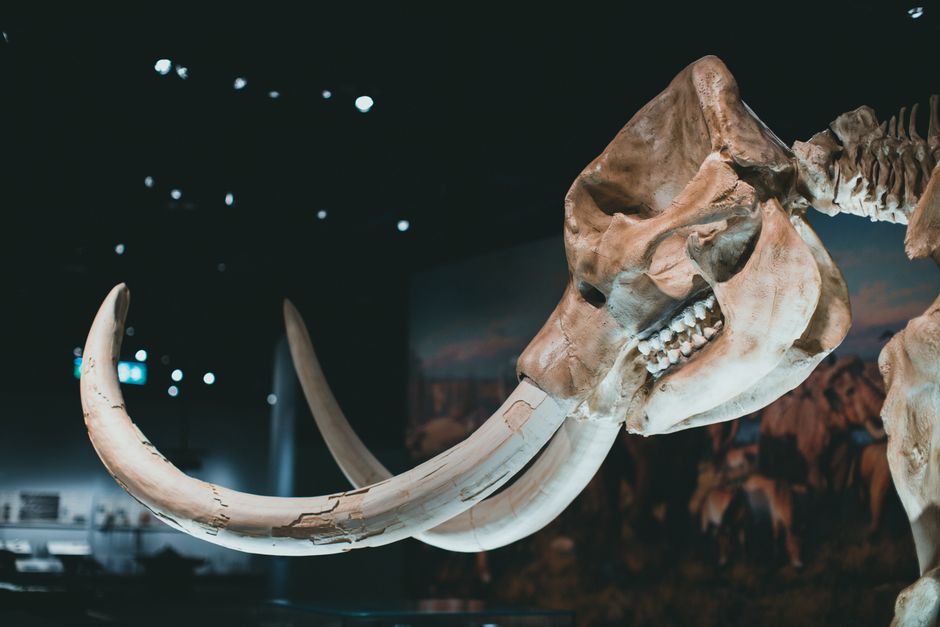
The Truth About Woolly Mammoths Living During Pyramids

The Truth About Woolly Mammoths Living During Pyramids

By TrivBits, Staff Writer — Published August 19, 2026

The Truth About Woolly Mammoths Living During Pyramids — General trivia by TrivBits

Table of Contents

Did you know that woolly mammoths were still roaming parts of Earth when the Great Pyramid of Giza was already standing? This surprising truth woolly mammoths fact sounds like fiction, but it's one of the most interesting examples of how our perception of ancient history can be wildly misleading. We often imagine mammoths as creatures from the distant Ice Age, extinct long before human civilization built its first monuments. The reality is far more fascinating.

Most woolly mammoths did indeed vanish around 10,000 years ago as the last Ice Age ended. But isolated populations survived on remote islands for thousands of years longer, creating an astonishing overlap with ancient Egyptian civilization.

Key Takeaways

  • Woolly mammoths survived on Wrangel Island until approximately 1650 BCE, roughly 1,000 years after the Great Pyramid was built around 2560 BCE
  • The majority of mammoth populations disappeared about 10,000 years ago, but island populations persisted due to geographic isolation
  • These final mammoths were smaller than their mainland relatives, likely due to island dwarfism
  • The overlap between mammoths and pyramids demonstrates how recent megafauna extinction truly was in geological terms
  • Climate change and human hunting pressure combined to eliminate most mammoth populations worldwide
  • Wrangel Island's remote Arctic location protected its mammoth population for millennia after mainland extinction

The Truth Woolly Mammoths Timeline Reveals

Understanding when woolly mammoths actually lived requires separating myths from facts. The peak of the Ice Age saw these massive herbivores spread across the Northern Hemisphere, from Spain to North America. Genetic evidence and fossil dating tell us that mainland populations began declining rapidly around 12,000 years ago.

The retreat of glaciers transformed mammoth habitat. Grasslands that sustained massive herds gave way to forests and wetlands. This environmental shift proved catastrophic for animals adapted to cold, dry steppe environments.

But not all mammoths faced the same fate at the same time. Geography matters enormously in extinction events. While mammoths disappeared from continental landmasses, small populations became stranded on islands that formed as sea levels rose. These isolated groups survived for thousands of additional years.

St. Paul Island in Alaska hosted mammoths until roughly 5,600 years ago. Wrangel Island, a remote Arctic island off the Siberian coast, supported the last known population. These final mammoths witnessed the rise of agriculture, the Bronze Age, and yes, the construction of Egypt's pyramids.

Wrangel Island: The Last Mammoth Refuge

Wrangel Island sits in the Arctic Ocean, isolated and harsh. Today it measures about 7,600 square kilometers of tundra and mountains. When mammoths lived there, the island provided just enough resources to sustain a small population, probably numbering in the hundreds at most.

Archaeological and genetic evidence shows these mammoths survived until approximately 1650 BCE. That's the same millennium when the Minoans flourished on Crete and Stonehenge reached its final form. The ancient world was already ancient when the last mammoths died.

These island mammoths weren't identical to their Ice Age ancestors. Over thousands of years of isolation, they evolved smaller body sizes, a phenomenon called insular dwarfism. Limited food resources on islands favor smaller individuals who need less to eat. Some Wrangel Island mammoths stood perhaps 1.8 meters tall at the shoulder, compared to 3 to 3.7 meters for their mainland relatives.

Genetic studies reveal another troubling truth: the population suffered from inbreeding. With so few individuals, genetic diversity plummeted. This likely contributed to their eventual extinction, though the precise cause remains debated among researchers.

Why This Timeline Surprises Us

Our mental models of prehistory often compress time incorrectly. We tend to lump "ancient" things together: dinosaurs, mammoths, cavemen, pyramids. In reality, these existed across vastly different eras.

Dinosaurs went extinct 66 million years ago. The first recognizable humans appeared only about 2 million years ago. Woolly mammoths evolved roughly 400,000 years ago. The Great Pyramid rose about 4,500 years ago. These timescales don't align the way popular imagination suggests.

The mammoth-pyramid overlap represents just a tiny sliver of mammoth existence. For more than 99% of their time on Earth, mammoths never encountered pyramids, writing, or complex civilizations. But that final 1% creates a mind-bending intersection of natural and human history.

This unknown trivia also highlights how recently Earth's megafauna disappeared. Ten thousand years seems impossibly long ago from a human perspective. In geological and evolutionary terms, it's practically yesterday.

Comparing Mammoth Extinction Across Locations

Location Approximate Extinction Date Contemporary Human Events
Continental North America ~10,000 BCE End of Ice Age, early hunter-gatherer cultures
Continental Eurasia ~10,000 BCE Transition to Holocene epoch
St. Paul Island, Alaska ~3,600 BCE Early Egyptian dynasties forming
Wrangel Island, Siberia ~1,650 BCE Great Pyramid already 900+ years old

What Killed the Last Mammoths?

On the mainland, humans and climate change formed a deadly combination. As environments shifted, mammoth habitat shrank. Human hunters added pressure to already stressed populations. The debate continues about which factor mattered more, but both clearly played roles.

Island populations faced different challenges. Wrangel Island had no human inhabitants during most of the mammoth tenure there. Climate still mattered, but isolation created unique vulnerabilities. Small population size meant genetic problems accumulated. Any environmental stress—a harsh winter, a disease outbreak, a vegetation shift—could push the population past the point of recovery.

Fresh water availability may have been the final straw. Some researchers propose that changing conditions affected the island's water sources, creating a crisis these animals couldn't overcome.

Frequently Asked Questions

Were humans and woolly mammoths alive at the same time?

Absolutely. Humans coexisted with woolly mammoths for tens of thousands of years. Early humans hunted mammoths, created cave paintings depicting them, and used their bones for tools and shelter. This relationship lasted until the final island populations died out around 1650 BCE, long after humans had developed agriculture and built cities.

Could woolly mammoths be brought back to life?

Scientists are actively researching this possibility through genetic engineering. Well-preserved mammoth DNA has been recovered from frozen specimens. Researchers propose using CRISPR technology to edit Asian elephant genes (their closest living relatives) to recreate mammoth traits. Whether this should be done, and whether the result would truly be a mammoth, remains controversial.

How do we know when the last mammoths died?

Radiocarbon dating of mammoth remains provides extinction timelines. Scientists date bones, teeth, and tusks found on Wrangel Island and other locations. The youngest reliably dated Wrangel Island mammoth specimens come from approximately 1650 BCE, though some researchers suggest they might have survived slightly longer.

Why didn't mammoths survive in more places?

Mammoths needed specific environmental conditions: cold climates and grassland vegetation. As the Ice Age ended, these habitats disappeared across most of their range. Only remote islands maintained populations, and even there, small numbers and isolation made long-term survival impossible. No mainland habitat remained suitable enough to support viable populations.

The next time you see an image of the Great Pyramid, picture a small herd of shaggy mammoths walking across Arctic tundra thousands of miles away. These two worlds, seemingly impossible to reconcile, actually shared the same planet for nearly a millennium. History's timeline contains more surprises than we typically imagine.

Sources