
By TrivBits, Staff Writer — Published August 29, 2026
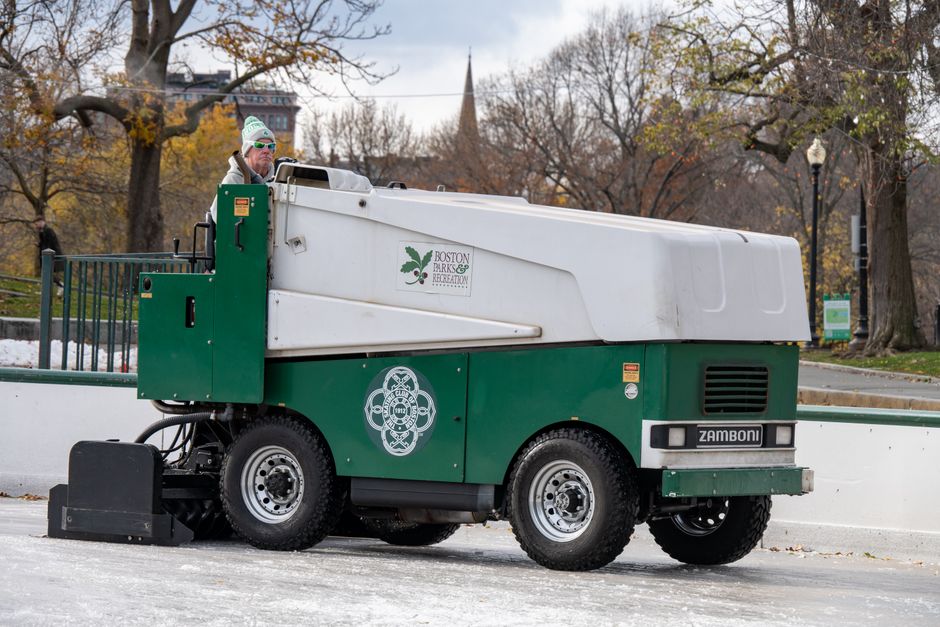
Table of Contents
- Key Takeaways
- The Truth Zambonis and What Actually Happens During Resurfacing
- Myths and Truths About Ice Resurfacing
- The Engineering Behind the Smooth Surface
- Comparing Ice Resurfacing Machines
- Unknown Facts About Ice Maintenance
- Frequently Asked Questions
- Sources
If you’ve ever watched a hockey game or visited an ice rink, you’ve seen that hulking machine glide across the ice between periods, leaving a pristine, glassy surface in its wake. Most people call it a Zamboni. But here’s a surprising fact: not every ice resurfacing machine is actually a Zamboni. The truth about Zambonis and what really resurfaces ice involves fascinating engineering, myths worth busting, and some interesting trivia about how these machines transform rough, gouged ice into a smooth skating surface.
Did you know that the process involves much more than just smoothing? These machines perform multiple tasks simultaneously, combining scraping, washing, and freezing in a carefully orchestrated ballet of mechanics and hydraulics.
Key Takeaways
- Zamboni is a brand name, not a generic term—several manufacturers produce ice resurfacing machines
- The machines shave off a thin layer of ice, collect the snow, wash the surface, and lay down hot water in one pass
- Hot water creates a better bond with the existing ice than cold water, producing a smoother surface
- A typical ice resurfacing removes only about 1/16 of an inch of ice per pass
- Modern machines can be electric, propane-powered, or natural gas-fueled
- The entire resurfacing process takes approximately 10-15 minutes for a standard rink
The Truth Zambonis and What Actually Happens During Resurfacing
The name “Zamboni” comes from Frank Zamboni, who invented the first practical ice resurfacing machine in 1949 in California. Before his innovation, resurfacing ice required a crew of workers with scrapers, squeegees, and hoses—a process that could take over an hour. Frank’s machine revolutionized ice maintenance.
But calling every ice resurfacer a Zamboni is like calling every tissue a Kleenex. Companies like Olympia and Resurfice Corporation manufacture competing machines that work on similar principles. Hockey arenas and ice rinks might use any of these brands, though Zamboni remains the most recognized name.
The actual resurfacing process involves several simultaneous steps. First, a sharp blade mounted underneath the machine shaves off the top layer of damaged ice—the part scarred by skate blades and pocked with divots. This blade can be adjusted to remove more or less ice depending on the surface condition. The shaved ice, now essentially snow, gets collected into a large tank inside the machine.
Next comes the washing phase. A cloth or towel system lays down a thin film of water that helps clean the ice and fill in small imperfections. The machine then squeegees up the dirty water and deposits it into the snow tank along with the shavings.
Finally—and this is where many people get it wrong—the machine lays down a thin layer of hot water. Not cold. Hot water freezes more smoothly and bonds better with the existing ice surface, creating that characteristic glass-like finish. The water temperature typically ranges from 140 to 165 degrees Fahrenheit.
Myths and Truths About Ice Resurfacing
One persistent myth suggests that these machines melt the ice and then refreeze it. Not true. The blade removes ice mechanically through shaving, not melting. The hot water applied at the end is only a thin layer—about the thickness of a dime spread across the entire rink.
Another common misconception? That the process adds ice with each pass. In reality, resurfacing typically removes more ice than it adds. Over the course of a hockey season, the ice surface can become several inches thinner than when first laid down. Rink operators must periodically build up the ice again by flooding it without shaving.
Some people believe these machines are simple to operate. Anyone can drive one, right? Wrong. Operating an ice resurfacer requires significant skill and training. The driver must maintain consistent speed, overlap passes correctly, adjust blade depth for varying conditions, and monitor water distribution. Poor technique creates waves, ridges, or soft spots that affect skating quality and safety.
The Engineering Behind the Smooth Surface
Modern ice resurfacing machines represent sophisticated engineering. They must be heavy enough to remain stable but light enough not to crack the ice. They need precise hydraulic systems to control the blade angle and pressure. The water distribution system must spread liquid evenly across a 7-to-10-foot-wide path.
Electric models have gained popularity in recent years due to environmental concerns. Traditional propane or natural gas machines emit exhaust directly into the enclosed rink space, potentially affecting air quality. Electric versions eliminate these emissions entirely, though they require substantial battery capacity or a power cord connection for smaller rinks.
The snow tank capacity determines how many resurfacing passes a machine can complete before needing to dump its load. Larger tanks mean fewer interruptions but add weight. Engineers constantly balance these competing demands.
Comparing Ice Resurfacing Machines
| Feature | Traditional Propane | Electric Models | Natural Gas |
|---|---|---|---|
| Emissions | Produces exhaust | Zero emissions | Lower than propane |
| Operating Cost | Moderate | Lower long-term | Moderate |
| Initial Price | Lower | Higher | Moderate |
| Maintenance | Engine service required | Less frequent | Engine service required |
| Runtime | Extended with refueling | Battery-limited | Extended with connection |
Unknown Facts About Ice Maintenance
Professional ice technicians consider their work both science and art. They adjust resurfacing techniques based on ambient temperature, humidity, and even the type of event scheduled. Figure skating requires harder, colder ice than hockey. Ice shows might need different preparation than speed skating.
The water used for resurfacing must be treated and filtered. Impurities create weak spots or discoloration. Some facilities use reverse osmosis or deionization systems to purify their ice-making water.
Ice thickness at professional venues typically ranges from three-quarters of an inch to one and a half inches. Thicker isn’t always better—it insulates the ice from the refrigeration system below, making temperature control more difficult.
Did you know some machines include features like laser-guided blade height systems or computerized water distribution? These technologies help less experienced operators achieve professional-quality results.
Frequently Asked Questions
Why do they use hot water instead of cold water?
Hot water contains fewer dissolved gases and creates better molecular bonding with the existing ice surface. It also fills in minor imperfections more effectively and freezes into a harder, clearer surface. Cold water would create a cloudy, weaker bond and take longer to freeze properly.
How long does a Zamboni or ice resurfacer last?
With proper maintenance, these machines typically last 15 to 20 years or longer. However, heavy-use facilities may need to rebuild or replace major components like engines, hydraulic systems, or tanks after 10 to 15 years. Regular service extends operational life significantly.
Can ice be resurfaced without one of these machines?
Yes, but it’s extremely labor-intensive and time-consuming. Small backyard rinks can be maintained with shovels, scrapers, and hoses. However, achieving professional-quality ice without mechanical resurfacing is nearly impossible for regulation-sized rinks. The machine’s precision and consistency cannot be replicated manually.
Do all ice rinks own their resurfacing machines?
Most permanent ice facilities own their equipment, but some smaller or seasonal operations lease machines. A new ice resurfacer costs between $50,000 and $150,000 depending on size, features, and power source. Used machines offer more affordable options for budget-conscious facilities.
The next time you watch that machine circle the rink, you’ll know there’s more happening beneath the surface than meets the eye. What looks like simple smoothing is actually a precisely engineered process that transforms damaged ice into a pristine skating surface—one thin layer of hot water at a time.