











1 / 10 Questions
0 Points

What mammal has the most powerful bite force?

Gorilla

Lion

Grizzly Bear

Hippopotamus

Points won
0
Correct score
0%

More Questions

More Articles

Did You Know These Sports Were Invented by College Students?

Did You Know These Sports Were Invented by College Students?

⏱️ 5 min read

College campuses have long been breeding grounds for innovation, creativity, and unexpected breakthroughs. While many associate higher education with academic achievements and scientific discoveries, some of the world's most popular sports actually originated from the ingenuity of college students. These games, born from necessity, boredom, or simple experimentation, have evolved into globally recognized athletic competitions that millions enjoy today.

Basketball: A Winter Solution at Springfield College

Perhaps the most famous sport invented by a college instructor for college students is basketball. In December 1891, Dr. James Naismith, a physical education teacher at the International YMCA Training School in Springfield, Massachusetts (now Springfield College), faced a challenging problem. He needed to create an indoor activity to keep his students physically active during the harsh New England winters.

Naismith developed a game with 13 basic rules, two peach baskets nailed to elevated tracks, and a soccer ball. The objective was simple: throw the ball into the opposing team's basket. The first game, played on December 21, 1891, featured nine players per side and ended with a score of 1-0. The sport quickly gained popularity among students and spread to other educational institutions across the country.

Today, basketball is an Olympic sport played by millions worldwide, with professional leagues generating billions in revenue. The NCAA basketball tournament alone attracts massive viewership, demonstrating how a simple solution to a winter exercise problem became a global phenomenon.

Ultimate Frisbee: Columbia High School's Parking Lot Game

While technically invented by high school students rather than college students, Ultimate Frisbee found its true development and organized structure at college campuses. The sport was created in 1968 by Joel Silver and several classmates at Columbia High School in Maplewood, New Jersey. However, it was at college campuses, particularly at Rutgers University and Princeton University, where the sport truly flourished and developed its formal rules.

College students refined the game's structure, establishing the "Spirit of the Game" principle that emphasizes sportsmanship and self-officiating. The first intercollegiate Ultimate game took place between Rutgers and Princeton in 1972, mirroring the historic first intercollegiate football game between the same schools a century earlier.

The sport has since expanded dramatically, with thousands of college teams competing annually and professional leagues emerging in recent decades. The collegiate ultimate community remains the sport's backbone, continuously innovating strategies and maintaining its unique self-officiating culture.

Flag Football: A Safer Alternative Emerges

Flag football evolved on college campuses during the 1940s as a safer alternative to tackle football, particularly for intramural sports programs. Military bases and college recreation departments simultaneously developed variations of the sport to allow broader participation without the injury risks associated with full-contact football.

College intramural directors recognized that many students wanted to play football but either lacked the size, experience, or willingness to accept the physical punishment of the tackle version. By replacing tackling with flag-pulling, the sport became accessible to a much wider demographic, including women and recreational athletes.

Today, flag football has become one of the most popular intramural sports at colleges and universities nationwide. It has also expanded into youth leagues, adult recreational competitions, and is even being considered for Olympic inclusion, demonstrating remarkable growth from its collegiate origins.

Volleyball: Another Invention from Massachusetts

Just four years after basketball's invention and only 15 miles away from Springfield College, another sport was born. In 1895, William G. Morgan, a YMCA physical education director and Springfield College graduate, invented volleyball in Holyoke, Massachusetts. Morgan specifically designed the game, originally called "Mintonette," for older businessmen who found basketball too vigorous.

Morgan combined elements from basketball, baseball, tennis, and handball to create a less contact-intensive sport. He raised a tennis net to just above head height and used a basketball bladder as the ball. The objective was to volley the ball back and forth over the net, with each team allowed multiple touches before returning it.

The sport quickly caught on at colleges and YMCAs throughout the nation. College students embraced volleyball, and collegiate programs helped standardize rules and develop competitive play. Today, volleyball is an Olympic sport with professional leagues worldwide, and collegiate volleyball remains highly competitive, particularly in women's athletics.

Racquetball: Innovation at the University of Michigan

Racquetball was invented in 1950 by Joe Sobek, but the sport gained significant traction and development through college recreation programs. Students appreciated the fast-paced nature of the game and the fact that it could be played year-round in indoor facilities.

College campuses built dedicated racquetball courts throughout the 1970s and 1980s, and intramural programs helped popularize the sport among young adults. The collegiate environment provided the perfect testing ground for rule modifications and competitive formats that shaped the modern game.

The Lasting Impact of Collegiate Innovation

The invention of these sports by and for college students reveals important patterns about innovation in athletics. College environments provide unique conditions for sporting innovation: diverse groups of young, energetic individuals; facilities and space for experimentation; and communities eager to try new activities.

These student-invented sports share common characteristics: they typically emerged from necessity, emphasized accessibility and participation over exclusivity, and developed through communal refinement rather than top-down design. Many prioritized skill and strategy over pure physical dominance, making them appealing to broader audiences.

The legacy of these inventions extends beyond the games themselves. They demonstrate that groundbreaking innovations can emerge from anywhere, including student recreation and play. These sports have generated employment for millions, created communities, promoted physical fitness, and provided entertainment to billions worldwide. The next time you shoot a basketball, dive for a disc, or spike a volleyball, remember that these beloved activities originated from the creativity and problem-solving of college students seeking nothing more than an enjoyable way to stay active.
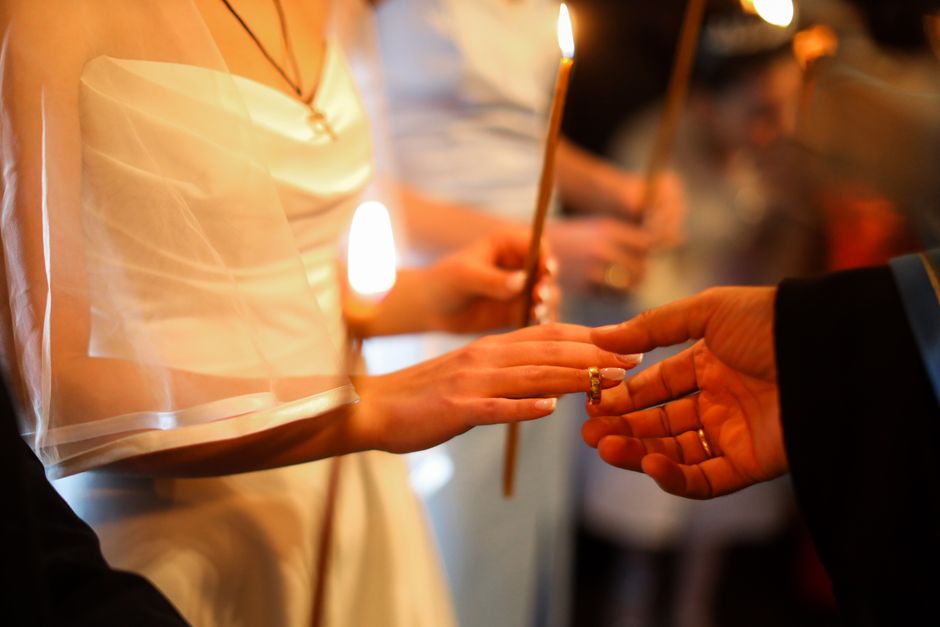
7 Bizarre Facts About Spartan Marriage Rituals and Laws

7 Bizarre Facts About Spartan Marriage Rituals and Laws

7 Bizarre Facts About Spartan Marriage Rituals and Laws

By TrivBits, History Desk — Published August 8, 2026

Table of Contents

Ancient Sparta remains one of history's most fascinating civilizations, renowned for its warrior culture and austere lifestyle. Yet the bizarre Spartan marriage customs practiced in this Greek city-state were perhaps stranger than any battle tactic. From kidnapping brides to unusual wedding night arrangements, these rituals reveal a society obsessed with producing strong offspring and maintaining military discipline. The marriage laws of this ancient era differed dramatically from those of neighboring Greek states, reflecting Sparta's unique values and priorities. These peculiar practices weren't just quirks of the past—they were deliberate policies designed to strengthen the Spartan empire. Understanding these historical customs offers a window into how one of antiquity's most powerful military states organized its domestic life.

Key Takeaways

  • Spartan grooms ritually kidnapped their brides on the wedding night, even in arranged marriages between willing partners.
  • Brides shaved their heads and wore men's clothing during the early days of marriage.
  • Husbands and wives lived separately for years, with men residing in military barracks until age 30.
  • Spartan law encouraged wife-sharing arrangements to produce stronger children.
  • Late marriage for men (age 30) was mandated by law, while women married around age 18-20.
  • Public humiliation awaited bachelors who refused to marry by the required age.

The History Behind Bizarre Spartan Marriage Customs

The marriage traditions of ancient Sparta emerged from the city-state's overriding concern with military excellence. Unlike Athens and other Greek civilizations of that century, Sparta organized every aspect of life around creating superior warriors. Marriage wasn't a romantic union but a state-sanctioned breeding program designed to produce healthy children who would become future soldiers. This utilitarian approach to matrimony reflected Sparta's precarious position. Outnumbered by the helot slave population they controlled, Spartans needed constant military readiness. Their marriage laws evolved to serve this strategic necessity, creating practices that shocked even their Greek contemporaries.

1. Ritual Bride Kidnapping Was Required Even in Consensual Marriages

Every Spartan wedding began with an abduction. The groom, accompanied by his friends, would "kidnap" his bride from her family home under cover of darkness. This wasn't a spontaneous elopement—both families had arranged the marriage and everyone knew it would happen. The bride's female attendant, called a bridesmaid in modern terms, would shave the bride's head, dress her in a man's cloak and sandals, and lay her on a mattress in a dark room. The groom would then slip away from his military mess hall, consummate the marriage in secret, and return to his barracks before dawn. This bizarre ritual continued for months or even years, with the husband visiting only in darkness and secrecy. The practice served multiple purposes in Spartan society. It tested the groom's stealth and cunning—essential military skills. The secretive nature also supposedly increased desire and ensured the couple's meetings remained passionate rather than routine.

2. Brides Adopted Masculine Appearance to Ease the Transition

The shaved head and men's clothing weren't random choices. Spartan men lived exclusively with other males from age seven, when boys entered the brutal agoge training system. They had minimal contact with women throughout their formative years. By making brides resemble young men, Spartans believed they eased the psychological transition for grooms accustomed only to male companionship. This strange custom highlighted how thoroughly Sparta's military culture dominated every aspect of life, even intimate relationships. Some ancient historians suggested this practice also served to desensitize men to conventional beauty standards, ensuring they focused on a woman's physical fitness and childbearing potential rather than superficial attractiveness. Whether this theory holds merit remains debated among scholars studying this historical period.

3. Married Couples Lived Apart for Years After the Wedding

Spartan law required men to live in communal military barracks until age 30, regardless of marital status. A man might marry at 25 or even earlier, yet still couldn't establish a household with his wife for five years or more. During this period, husbands would sneak away from barracks to visit their wives in secret, often maintaining the pretense of bachelorhood. Some men reportedly fathered children before ever dining with their wives in daylight or being seen together publicly. This enforced separation reinforced male bonds and military loyalty. Sparta's leaders feared that domestic comfort would soften warriors. By keeping men in barracks, the state ensured soldiers remained focused on military duties rather than family life.

4. Wife-Sharing Was Legally Encouraged for Eugenic Purposes

Spartan marriage laws explicitly permitted and even encouraged unusual arrangements that would scandalize other ancient civilizations. An older man with a young, healthy wife might invite a younger, fitter man to father children with her. Conversely, a man impressed by another's wife could request permission to have children with her, provided her husband agreed. These weren't affairs or adultery—they were legal, open arrangements designed to produce superior offspring. The Spartan state cared only about creating strong future warriors. Personal jealousy was considered a weakness. Ancient sources report that Spartans mocked other Greeks for fighting over wives, viewing such possessiveness as contrary to the common good. This eugenic approach to reproduction reflected values fundamentally different from those of neighboring city-states.

5. Men Married Late While Women Married Older Than Other Greeks

Spartan law mandated that men not marry before age 30, when they completed their primary military obligations and could finally leave the barracks. Women married around age 18-20, significantly later than Athenian girls who often wed at 14 or 15. This age gap was intentional. Spartans believed that physically mature women produced healthier, stronger babies than young teenagers. They also thought that older brides brought more wisdom and capability to child-rearing. The delayed marriage age for men ensured they were fully trained warriors before assuming family responsibilities. It also created a substantial age gap between spouses, which Spartans saw as beneficial for maintaining household order and discipline.

6. Bachelors Faced Public Humiliation and Legal Penalties

Refusing to marry wasn't an option in Sparta. Men who remained unmarried past the required age faced severe social consequences. They were excluded from certain public festivals and assemblies. During winter, bachelors were forced to march naked around the agora (public square) while singing songs mocking their own failure to fulfill their civic duty. This public shaming continued annually until they married. The penalties reflected Sparta's view that producing children was a citizen's primary obligation to the state. Personal preferences mattered little. Every Spartan was expected to contribute to the next generation of warriors, and those who refused faced ostracism and ridicule.

7. The State Could Intervene in Childless Marriages

Spartan authorities monitored marriages for productivity. If a union produced no children after a reasonable period, officials could mandate changes. They might order the wife to take a different partner or arrange for the husband to father children elsewhere. The state's interest in population growth superseded individual marital bonds. Childless couples had no right to remain together if their union served no demographic purpose. This intervention extended to evaluating newborns. Spartan elders examined infants and allegedly ordered weak or deformed babies exposed on Mount Taygetus to die. While the extent of this practice remains historically debated, it demonstrates how thoroughly the state controlled reproduction and family life in pursuit of military excellence.

Frequently Asked Questions

Did Spartan women have more rights than other Greek women?

Yes, Spartan women enjoyed considerably more freedom than their Athenian counterparts. They could own property, manage estates, exercise publicly, and speak openly with men. This autonomy stemmed from men's constant military duties, which left women managing households and land independently.

At what age did Spartan boys leave home for military training?

Spartan boys entered the agoge military training system at age seven, leaving their families to live in communal barracks. This rigorous program continued until age 30, shaping every aspect of male life in this ancient civilization.

How long did the Spartan empire last?

Sparta dominated the Greek world from roughly the 7th century BCE through its defeat by Thebes in 371 BCE at the Battle of Leuctra. The city-state continued to exist but never regained its former power, eventually becoming a Roman tourist attraction showcasing ancient customs.

Were Spartan marriage customs unique in the ancient world?

While many ancient cultures had unusual practices by modern standards, Sparta's marriage rituals were considered extreme even by contemporaries. The combination of ritual kidnapping, enforced separation, and state-mandated wife-sharing distinguished Sparta from Athens, Corinth, and other Greek city-states of that era. These bizarre marriage rituals weren't arbitrary traditions but calculated policies reflecting Sparta's singular focus on military supremacy. Every strange custom served the state's goal of producing superior warriors, revealing how completely one civilization could subordinate personal life to collective purpose. The legacy of these practices reminds us that human societies have organized intimate relationships in radically different ways throughout history.