
By TrivBits, Staff Writer — Published September 8, 2026
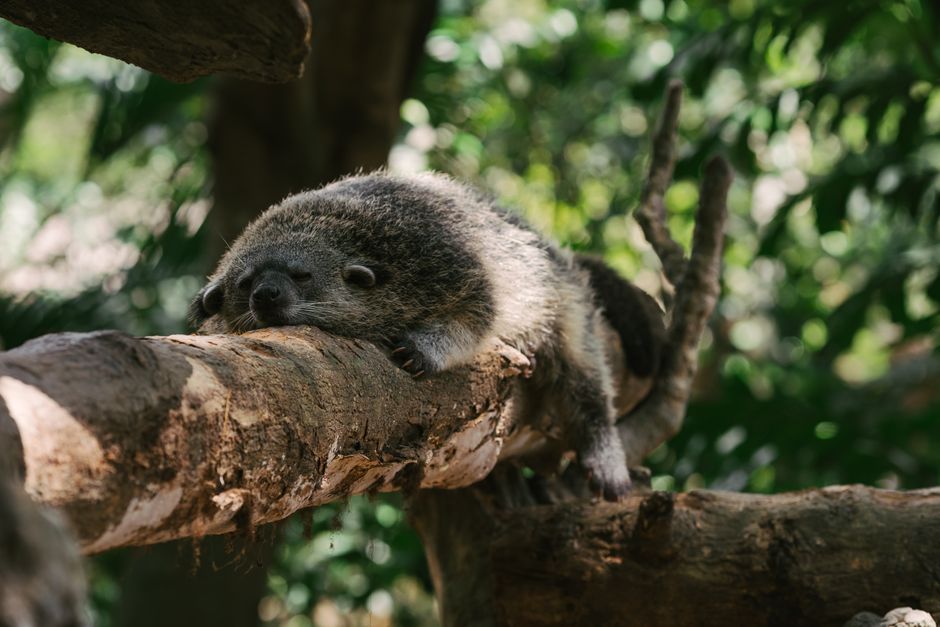
Table of Contents
- Key Takeaways
- The Bizarre Kopi Luwak Origin Story Nobody Expected
- The Digestive Alchemy That Changes Everything
- Frequently Asked Questions
- Sources
Did you know the world’s most expensive coffee comes from beans that have passed through an animal’s digestive system? Kopi luwak, the legendary Indonesian brew, holds a reputation that mingles luxury with the utterly bizarre. While coffee connoisseurs debate its merits, the truth behind this unusual beverage is stranger than most realize. These bizarre kopi luwak facts will challenge everything you thought you knew about your morning cup.
The story of civet coffee reads like an elaborate joke, yet it’s absolutely real. From its accidental origins to the surprising science that makes it work, this peculiar product has spawned myths, ethical debates, and a thriving black market.
Key Takeaways
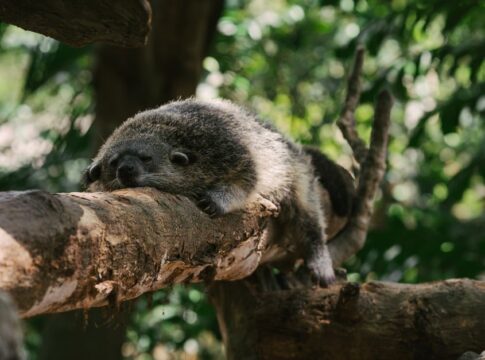
- Kopi luwak is produced when Asian palm civets eat coffee cherries and excrete the partially digested beans
- The coffee can cost anywhere from $100 to $600 per pound, making it one of the world’s most expensive beverages
- Enzymes in the civet’s digestive tract chemically alter the beans, reducing bitterness and creating unique flavors
- Most commercial kopi luwak comes from caged civets in inhumane conditions, not wild animals as originally intended
- Scientific studies have questioned whether the coffee truly tastes better or if it’s an expensive placebo effect
- Counterfeit kopi luwak floods the market, with experts estimating that most products labeled as civet coffee are fake
The Bizarre Kopi Luwak Origin Story Nobody Expected
The history of civet coffee begins with colonial oppression. During Dutch rule in Indonesia in the 18th and 19th centuries, plantation workers were forbidden from harvesting coffee beans for themselves. Resourceful locals noticed that wild Asian palm civets ate ripe coffee cherries and defecated the beans whole. Desperate for their own coffee, workers collected these droppings, cleaned the beans, and roasted them.
What started as a workaround became a delicacy. The colonizers themselves eventually tried the workers’ coffee and found it remarkably smooth. This interesting twist of history transformed a symbol of colonial exploitation into a luxury product that now sells for astronomical prices.
The Digestive Alchemy That Changes Everything
Here’s where the science gets fascinating. When a civet eats coffee cherries, the fruit’s flesh gets digested, but the beans pass through largely intact. However, “largely” doesn’t mean “unchanged.” The civet’s digestive enzymes and stomach acids penetrate the bean’s outer layers during the roughly 24 to 36 hours they spend in the animal’s system.
These enzymes break down proteins responsible for coffee’s bitter taste. Proteolytic enzymes specifically target storage proteins within the bean, fundamentally altering its chemical composition. The fermentation process also occurs in the civet’s intestinal tract, where bacteria further modify the beans’ flavor profile. Think of it as natural processing taken to an extreme level that no human roaster could replicate.
1. Civets Are Extremely Picky Eaters (Which Was the Whole Point)
Wild civets don’t just eat any coffee cherry they stumble upon. These nocturnal mammals are incredibly selective, choosing only the ripest, most perfect cherries. Their refined palate essentially performs quality control that even experienced coffee pickers might miss. The animals can detect subtle differences in sugar content, ripeness, and quality that humans cannot perceive by sight alone. This natural selection process was crucial to the original appeal of wild-harvested kopi luwak, ensuring that only premium cherries entered the production chain. Sadly, caged civets in commercial operations lose this selectivity when force-fed whatever beans producers choose.
2. The Coffee Industry Has a Massive Counterfeit Problem
Here’s a shocking truth: experts estimate that genuine kopi luwak represents less than 1% of products sold under that label. The math simply doesn’t work. Wild civets produce minuscule quantities, and even captive operations have limits. Yet retailers worldwide sell thousands of pounds annually labeled as authentic civet coffee. Testing laboratories have found that most samples contain regular coffee beans with no evidence of digestive processing whatsoever. Some unscrupulous sellers mix a tiny percentage of real kopi luwak with conventional beans, while others skip the civets entirely and just charge premium prices for ordinary coffee.
3. Scientists Question Whether It Actually Tastes Better
Multiple blind taste tests have produced surprising results. Professional coffee tasters and everyday consumers often cannot distinguish kopi luwak from high-quality conventional coffee, and some actually prefer the latter. A widely cited study by food scientists found that the digestive process may remove some desirable flavor compounds along with the bitter ones. The coffee tends to be thinner-bodied and less complex than premium beans processed traditionally. This raises an uncomfortable question: Is the astronomical price driven by actual quality, or by novelty, scarcity, and clever marketing? The trivia surrounding its production may be more impressive than what ends up in your cup.
4. The Civet Coffee Industry Created an Animal Welfare Crisis
Wild collection proved too unpredictable for commercial demand, so producers turned to captivity. Thousands of civets now live in cramped cages on Indonesian and Vietnamese farms, force-fed coffee cherries in conditions animal welfare organizations call cruel. These naturally solitary, wide-ranging animals suffer from stress, malnutrition, and psychological problems in confinement. Many develop repetitive behaviors indicating severe distress. The animals’ natural omnivorous diet gets replaced with an unnatural monoculture of coffee cherries. Investigations have documented civets in tiny wire cages, unable to move freely or express natural behaviors, kept solely as living coffee-processing machines.
5. Multiple Animals Now Produce “Poop Coffee” Worldwide
The kopi luwak concept has spawned imitators across the globe. Entrepreneurs have discovered that other animals can perform similar digestive processing. Elephants in Thailand produce “Black Ivory Coffee” after consuming Arabica cherries mixed with their regular fodder. Birds in Brazil create “Jacu Bird Coffee” from cherries they eat and excrete. Even monkeys in India have gotten into the game with “Monkey Parchment Coffee,” though technically they chew and spit rather than fully digest. Each claims unique flavor profiles from their respective animals’ digestive processes. The trend reveals how the coffee industry constantly seeks novelty, even when that novelty involves feces.
6. Chemical Analysis Reveals Surprising Molecular Changes
Laboratory testing has identified exactly what happens inside a civet’s gut. The digestive process reduces caffeic acid and increases citric and malic acids, fundamentally altering the bean’s acidity profile. Protein content drops significantly as enzymes break peptide bonds. Volatile compounds that create aroma also change, with some disappearing entirely and new ones forming through bacterial fermentation. The Maillard reaction products that develop during roasting differ in civet-processed beans compared to conventional ones. These molecular transformations are real and measurable, even if their contribution to superior taste remains debatable. The science confirms that genuine kopi luwak is chemically distinct, though whether “different” means “better” is another matter entirely.
7. You Can Legally Sell Feces-Processed Food (With Caveats)
Food safety regulations worldwide permit selling coffee beans that passed through animal digestive systems, provided they’re properly cleaned and processed. The beans undergo thorough washing, fermenting, drying, and roasting at temperatures exceeding 400 degrees Fahrenheit. This heat treatment kills any potential pathogens that survived earlier cleaning. Health authorities classify the final product as safe for consumption because the roasting process effectively sterilizes the beans. However, regulations vary by country regarding labeling requirements and authenticity verification. The United States FDA doesn’t specifically regulate civet coffee differently from other coffee imports, focusing instead on general food safety standards. This regulatory gap allows the counterfeit market to flourish largely unchecked.
Frequently Asked Questions
Is kopi luwak worth the extremely high price?
For most coffee drinkers, no. Blind taste tests consistently show that high-quality conventional coffee matches or exceeds kopi luwak in flavor. The premium price reflects rarity and novelty rather than superior taste. Unless you’re specifically interested in the unusual production method or want to experience the trivia firsthand, your money is better spent on ethically sourced specialty coffee from reputable roasters.
How can you tell if kopi luwak is authentic?
Authenticity is extremely difficult to verify without laboratory testing. Legitimate sellers should provide detailed traceability information, certifications, and realistic pricing (genuine wild-collected kopi luwak costs $200-$600 per pound). Be skeptical of bargains or products without clear sourcing information. Some certification programs attempt to verify authenticity, but even these systems have limitations. When in doubt, assume it’s probably fake.
Are there ethical sources of civet coffee?
Truly ethical kopi luwak is exceptionally rare and comes only from wild civets in their natural habitat, with farmers collecting droppings found in the forest. A few small-scale Indonesian producers maintain certified wild-collection programs with third-party verification. However, these operations produce tiny quantities and command the highest prices. Any product claiming to be “cage-free” or “wild-sourced” requires thorough verification, as these terms are frequently misused in marketing.
What does kopi luwak actually taste like?
Descriptions vary widely, but genuine kopi luwak typically has a smooth, earthy flavor with reduced bitterness and acidity. Many tasters describe it as mellow or mild, sometimes with chocolate or caramel notes. However, the digestive process can also strip away some of the complex flavors that coffee enthusiasts prize. The taste depends heavily on the original bean quality, the civet’s diet, and processing methods. Some coffee experts find it disappointingly bland compared to premium conventional coffees.
The strange saga of kopi luwak reminds us that luxury and ethics don’t always align, and that the most expensive option rarely equals the best. Next time you enjoy your regular coffee, remember that sometimes the bizarre stories matter more than the product itself.