









1 / 10 Questions
0 Points

Which Sign Used To Be Four Letters Longer?

Coca-Cola billboard

Route 66 sign

Hollywood sign

Welcome to Las Vegas sign

Points won
0
Correct score
0%

More Questions

More Articles

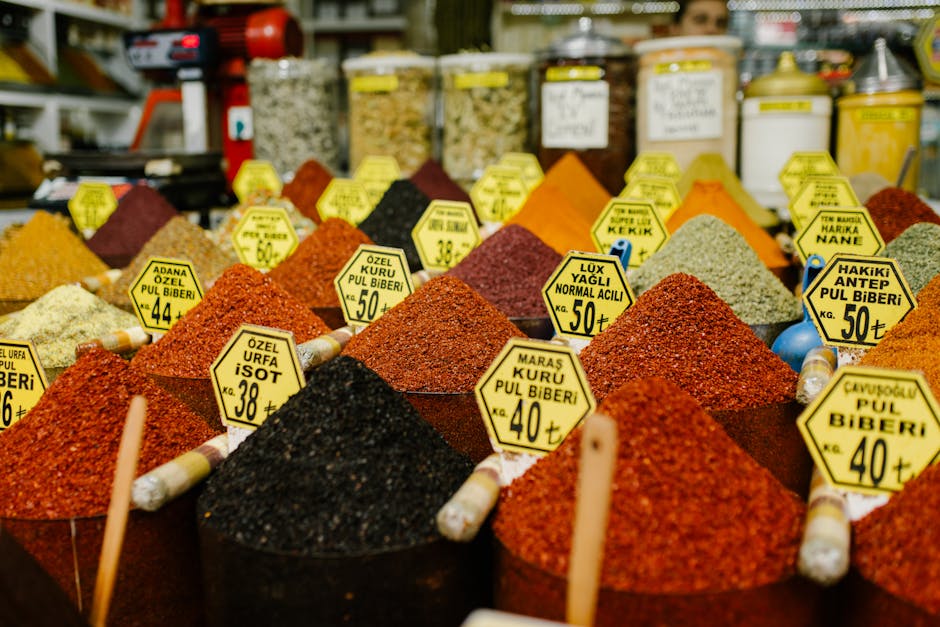
Did You Know These Food Labels Are Misleading?

Did You Know These Food Labels Are Misleading?

⏱️ 5 min read

Walking down the grocery store aisles, shoppers are bombarded with eye-catching labels proclaiming products as "natural," "healthy," or "made with real fruit." However, many of these seemingly straightforward claims can be surprisingly deceptive. Understanding the truth behind common food labels is essential for making informed dietary choices and protecting both health and wallets from misleading marketing tactics.

The "Natural" Label Trap

One of the most commonly misunderstood terms in food labeling is "natural." Consumers often assume this designation means a product is wholesome, minimally processed, or free from artificial ingredients. Unfortunately, the reality is far more complicated. The Food and Drug Administration (FDA) has not established a formal definition for the use of "natural" on food labels, except when it comes to meat and poultry products.

This regulatory gap allows manufacturers considerable freedom in applying the "natural" label to products that may contain high-fructose corn syrup, chemically extracted oils, or ingredients that have undergone significant processing. A product can legally be labeled as natural while still containing unhealthy levels of sugar, sodium, or saturated fats. The absence of strict oversight means consumers cannot rely on this term as an indicator of nutritional quality or minimal processing.

Deceptive Serving Size Manipulation

Nutrition labels are required by law, but the serving sizes listed can be intentionally misleading. Manufacturers sometimes list unrealistically small serving sizes to make nutritional information appear more favorable than it actually is. A bottle of soda that most people would consume in one sitting might be labeled as containing 2.5 servings, effectively hiding the true calorie, sugar, and sodium content that a typical consumer would ingest.

This practice is particularly common with snack foods, beverages, and condiments. A small bag of chips might claim to contain only 150 calories, but a closer look reveals this number applies to one-third of the bag's contents. When consumers fail to multiply the nutritional values by the actual number of servings they consume, they significantly underestimate their intake of calories, sugar, and unhealthy fats.

"Made With Whole Grains" Versus Actually Whole Grain

The whole grain label has become a popular marketing tool, but not all whole grain claims are created equal. Products advertising that they are "made with whole grains" may contain only a minimal amount of whole grain flour while primarily consisting of refined white flour. This technicality allows manufacturers to capitalize on the health halo surrounding whole grains without providing meaningful nutritional benefits.

To identify genuinely whole grain products, consumers should examine the ingredients list carefully. Whole grain flour should appear as the first ingredient, and ideally, the product should contain at least 8 grams of whole grains per serving. The Whole Grains Council stamp can be helpful, but even this requires scrutiny, as products with the basic stamp may contain less than half of their total grains from whole grain sources.

The "Sugar-Free" and "Low-Fat" Paradox

Products marketed as sugar-free or low-fat often seem like healthy alternatives, but these labels can be extremely misleading. When manufacturers remove sugar from products, they frequently compensate by adding artificial sweeteners, which may have their own health concerns, or by increasing fat content to maintain palatability. Similarly, low-fat products often contain significantly more sugar and sodium than their regular counterparts to offset the loss of flavor that fat provides.

Research has shown that consumers tend to eat larger portions of foods labeled as low-fat or sugar-free, mistakenly believing these products are guilt-free. This phenomenon, known as the "health halo effect," can lead to consuming more calories overall than if the regular version had been eaten in moderation. The key is examining the complete nutritional profile rather than focusing on a single absent or reduced ingredient.

Misleading Fruit and Vegetable Claims

Labels proclaiming products are "made with real fruit" or contain "vegetable servings" require careful scrutiny. Many fruit snacks, juices, and processed foods use these claims despite containing only minimal amounts of actual fruit or vegetables. Instead, these products often rely heavily on fruit concentrates, which are essentially sugar, or negligible amounts of vegetable powder that provide little nutritional value.

Genuine fruit and vegetable content should be evident in the ingredients list, appearing near the beginning rather than at the end. Additionally, checking for fiber content can help verify claims, as real fruits and vegetables contain significant fiber that survives processing. Products with less than 2 grams of fiber per serving are unlikely to contain substantial amounts of whole fruits or vegetables, regardless of what the front label suggests.

Understanding "Lightly Sweetened" and "Reduced Sodium"

Comparative claims like "lightly sweetened," "reduced sodium," or "fewer calories" are regulated terms, but they can still mislead consumers. These labels indicate a product contains 25% less of the specified ingredient compared to the original version or a reference product. However, this does not necessarily mean the product is actually low in that ingredient overall.

A "reduced sodium" soup might still contain excessive amounts of salt, even if it has 25% less than the regular version. Similarly, "lightly sweetened" cereals may still pack substantial sugar per serving. These comparative claims should prompt consumers to check absolute values on the nutrition facts panel rather than accepting the claim at face value.

Protecting Yourself From Label Deception

Becoming a savvy food shopper requires moving beyond front-of-package marketing and examining the fine print. Always read the complete ingredients list and nutrition facts panel. Ingredients are listed in descending order by weight, so the first few ingredients matter most. Be wary of multiple forms of sugar listed separately, as this technique can disguise the total sugar content. Learning to decode food labels empowers consumers to make choices based on actual nutritional content rather than marketing promises, leading to healthier eating patterns and better value for money spent.
Top 10 Most Expensive Foods in the World

Top 10 Most Expensive Foods in the World

⏱️ 7 min read

For centuries, certain foods have transcended mere sustenance to become symbols of ultimate luxury and exclusivity. From rare fungi that grow in specific conditions to delicacies harvested through painstaking methods, the world's most expensive foods command astronomical prices that can reach thousands or even hundreds of thousands of dollars per pound. These culinary treasures are sought after by elite chefs, wealthy connoisseurs, and those seeking the pinnacle of gastronomic experiences. Understanding what makes these foods so valuable reveals fascinating stories of rarity, tradition, and extraordinary effort.

The World's Most Luxurious Culinary Treasures

1. Almas Caviar from the Iranian Beluga Sturgeon

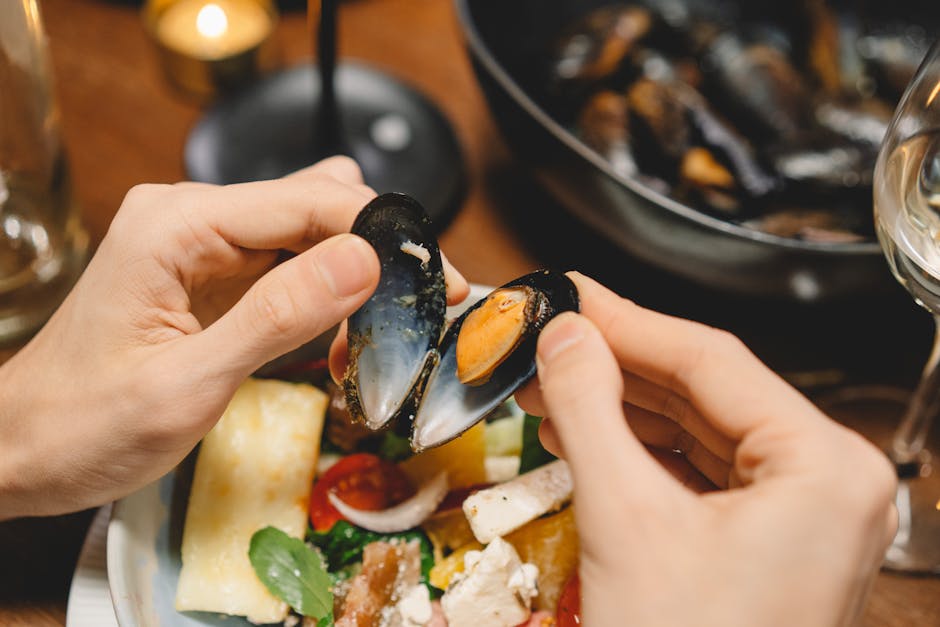
At the pinnacle of expensive foods sits Almas caviar, which can cost up to $25,000 per kilogram. This extraordinarily rare caviar comes from the eggs of albino beluga sturgeon that are between 60 and 100 years old, found exclusively in the pristine waters of the Caspian Sea near Iran. The word "Almas" means diamond in Russian, perfectly capturing the precious nature of this delicacy. The caviar's pale amber color, resulting from the albino sturgeon, distinguishes it from traditional black caviar. It's traditionally packaged in 24-karat gold tins, adding to its luxurious appeal. The extreme rarity stems from the endangered status of beluga sturgeon and the decades required for the fish to mature.

2. White Pearl Albino Caviar

Competing with Almas for the title of world's most expensive caviar is White Pearl Albino Caviar, harvested from albino sturgeon and priced at approximately $18,000 per kilogram. What sets this caviar apart is not just its rarity but also the specific conditions required for production. The caviar is enhanced with 22-karat gold, making each pearl shimmer with metallic brilliance. Austrian fish farmer Walter Grüll produces this exclusive variety, dedicating years to raising each sturgeon to maturity. The caviar's texture is remarkably creamy, with a delicate, nuanced flavor that justifies its extraordinary price tag for the ultra-wealthy clientele who can afford such indulgence.

3. European White Alba Truffle

The white truffle from Alba, Italy, regularly sells for $3,000 to $5,000 per pound, with exceptional specimens fetching even higher prices at auction. In 2007, a single 3.3-pound white truffle sold for $330,000. These highly prized fungi grow underground in symbiosis with oak, hazel, and poplar tree roots in the Piedmont region of Northern Italy. Their season is extremely short, lasting only from September to December, and they cannot be cultivated—they must be hunted using specially trained dogs. The intense, garlicky aroma and complex earthy flavor make white truffles irreplaceable in haute cuisine, where they're shaved paper-thin over pasta, risotto, and eggs.

4. Japanese Wagyu Beef from Kobe

Authentic Kobe beef, a type of Japanese Wagyu, commands prices of $200 to $600 per pound, with some cuts exceeding $1,000 per pound in premium restaurants. This beef comes exclusively from Tajima-gyu cattle raised in Japan's Hyogo Prefecture according to strict guidelines. The cattle receive meticulous care, including special feed, and the resulting meat features extraordinary marbling—intricate webs of intramuscular fat that create a buttery texture and rich umami flavor. The Japanese grading system rates this beef at A5, the highest possible designation. Only about 3,000 head of certified Kobe cattle are processed annually, making genuine Kobe beef exceptionally rare globally.

5. Bluefin Tuna Prized for Sushi

Bluefin tuna, particularly from Japan, has sold for record-breaking prices at Tokyo's Toyosu fish market. In 2019, a 612-pound bluefin tuna sold for $3.1 million, translating to over $5,000 per pound. While typical bluefin doesn't reach these auction prices, premium cuts regularly cost $200 to $400 per pound in high-end sushi restaurants. The fish's fatty belly portion, called "otoro," is especially prized for its melt-in-your-mouth texture. Overfishing has made bluefin tuna increasingly scarce, driving prices higher while raising conservation concerns. The deep red flesh, rich flavor, and cultural significance in Japanese cuisine ensure continued demand despite sustainability issues.

6. Moose Cheese from Sweden's Elk House

Moose cheese from Elk House farm in Sweden ranks among the world's rarest cheeses at approximately $1,000 per pound. Only three moose—Gullan, Haelga, and Juna—are milked on this unique Swedish farm, and they produce milk only between May and September. Each moose yields merely about two liters of milk daily, and producing one kilogram of cheese requires approximately ten liters of milk. The cheese comes in three varieties: rind-style, blue, and feta-style. Moose milk has extremely high fat and protein content, creating an exceptionally rich cheese with a unique flavor profile. The limited quantity means production stays at around 300 kilograms annually.

7. Bird's Nest Soup Delicacy

Edible bird's nests, created by swiftlets using their saliva to bind nests, sell for $2,000 to $10,000 per kilogram depending on quality and color. The nests are harvested from caves or purpose-built structures across Southeast Asia, particularly in Indonesia, Thailand, and Malaysia. Red nests, called "blood nests," command the highest prices. Traditional Chinese medicine attributes numerous health benefits to bird's nest, including immune system support and skin improvement, though scientific evidence remains limited. Harvesting requires dangerous climbing and careful timing to avoid disrupting breeding cycles. The labor-intensive cleaning process—removing feathers and impurities—adds significantly to the final cost.

8. Saffron Threads from Crocus Flowers

Saffron holds the distinction of being the world's most expensive spice by weight, costing $500 to $5,000 per pound depending on grade and origin. Persian saffron is considered the finest quality. Each crocus flower produces only three stigma threads, and approximately 75,000 flowers must be hand-harvested to yield one pound of dried saffron. The flowers bloom for only two weeks annually in autumn, requiring immediate harvesting by hand in the early morning. Iran produces roughly 90% of the world's saffron supply. The spice imparts a distinctive golden color and subtle flavor to dishes like paella, risotto Milanese, and Persian rice preparations.

9. Matsutake Mushrooms from Japan

Japanese matsutake mushrooms can cost $600 to $1,000 per pound, with exceptional early-season specimens commanding even higher prices. These aromatic mushrooms grow in symbiosis with specific pine trees and cannot be cultivated commercially. Environmental changes, including pine tree diseases and the invasion of incompatible tree species, have dramatically reduced natural matsutake populations in Japan. The mushrooms have an intense spicy-aromatic odor described as a combination of cinnamon and pine. In Japanese culture, matsutake represents autumn and is given as a prestigious gift. The short season from September to October and declining harvests ensure prices remain extraordinarily high for top-quality specimens.

10. Kopi Luwak Coffee from Civet Digestion

Kopi Luwak coffee, produced through the digestive system of the Asian palm civet, sells for $250 to $1,200 per pound, making it one of the world's most expensive coffees. Wild civets selectively eat the ripest coffee cherries, and their digestive enzymes alter the beans' chemical composition during digestion, reducing bitterness and creating unique flavor characteristics. After excretion, the beans are collected, thoroughly cleaned, and processed. The annual production is extremely limited, with genuine wild-sourced Kopi Luwak being exceptionally rare. However, ethical concerns have emerged regarding civet welfare in some commercial operations that cage animals and force-feed them coffee cherries, prompting calls for certified wild-harvested sources only.

Understanding Luxury Food Economics

These extraordinary foods share common characteristics that drive their astronomical prices: extreme rarity, labor-intensive harvesting or production methods, limited geographic availability, inability to mass-produce or farm-raise, and strong cultural or historical significance. Whether it's waiting decades for sturgeon to mature, hunting for truffles in specific forests, or hand-harvesting thousands of saffron threads, the human effort and natural scarcity combine to create products that few can afford but many aspire to experience. These luxury foods represent the ultimate intersection of nature's rarity, human craftsmanship, and culinary excellence, offering tastes that justify their extraordinary costs to those fortunate enough to indulge.