











1 / 10 Questions
0 Points

What do bowlers call three strikes in a row?

Hat Trick

Eagle

Turkey

Triple

Points won
0
Correct score
0%

More Questions

More Articles

Top 10 Facts About the World Cup Every Fan Should Know

Top 10 Facts About the World Cup Every Fan Should Know

⏱️ 6 min read

The FIFA World Cup stands as the most prestigious tournament in international football, captivating billions of viewers every four years. Whether you're a seasoned supporter or new to the beautiful game, understanding the rich history and fascinating details behind this global phenomenon deepens appreciation for the sport. From record-breaking achievements to surprising historical moments, these essential facts illuminate why the World Cup remains the pinnacle of football excellence.

Essential World Cup Knowledge

1. The Tournament's Humble Beginnings in 1930

The inaugural FIFA World Cup took place in Uruguay in 1930, featuring just 13 teams. FIFA president Jules Rimet championed the idea of a global football championship, and Uruguay was chosen as the host nation partly because they were celebrating their centenary of independence. The host nation went on to win that first tournament, defeating Argentina 4-2 in the final. Interestingly, only four European teams made the long journey to South America, as transatlantic travel was both expensive and time-consuming. This modest beginning contrasts sharply with today's tournament, which features 32 teams expanding to 48 in 2026.

2. Brazil's Unmatched Five Championship Titles

Brazil holds the distinction of being the most successful nation in World Cup history, having claimed the trophy five times in 1958, 1962, 1970, 1994, and 2002. The Seleção is also the only country to have qualified for every single World Cup tournament since its inception. Their dominance in the sport has produced legendary players like Pelé, Ronaldo, Ronaldinho, and more recently, Neymar. Germany and Italy follow with four titles each, but Brazil's consistent presence and success over decades cement their status as football royalty.

3. The Original Trophy Was Stolen and Never Recovered

The original World Cup trophy, known as the Jules Rimet Trophy, was awarded to Brazil permanently in 1970 after their third victory. However, in 1983, the trophy was stolen from the Brazilian Football Confederation headquarters in Rio de Janeiro and was never recovered. It is believed to have been melted down by thieves who were only interested in the gold. The current trophy, introduced in 1974, is known simply as the FIFA World Cup Trophy and is made of 18-karat gold. Unlike its predecessor, this trophy is never awarded permanently to any nation; winners receive a gold-plated replica instead.

4. The Fastest Goal in World Cup History

Turkish striker Hakan Şükür holds the record for the fastest goal in World Cup history, scoring just 11 seconds into Turkey's third-place playoff match against South Korea in 2002. This incredible feat showcases the unpredictable and thrilling nature of tournament football. The previous record of 15 seconds had stood for decades, and Şükür's achievement remains one of the most remarkable moments in World Cup lore. Fast starts can set the tone for entire matches, and this goal certainly energized Turkey on their way to a 3-2 victory.

5. The Hand of God and the Goal of the Century

In the 1986 quarter-final between Argentina and England, Diego Maradona scored two of the most famous goals in football history within five minutes of each other. The first, dubbed "The Hand of God," saw Maradona punch the ball into the net with his hand—a clear foul that went unnoticed by officials. Minutes later, he scored what would be called "The Goal of the Century," dribbling past five English players from his own half to score a legitimate masterpiece. These contrasting goals perfectly encapsulated Maradona's genius and controversial nature, defining one of football's most iconic matches.

6. Germany's Stunning 7-1 Demolition of Brazil

The 2014 World Cup semi-final witnessed one of the most shocking results in sporting history when Germany defeated host nation Brazil 7-1 in Belo Horizonte. This humiliating defeat on home soil traumatized Brazilian fans and became known as the "Mineirazo," referencing the Mineirão stadium where it occurred. Germany scored five goals in just 18 minutes during the first half, exploiting a Brazilian team that appeared shell-shocked without their injured star Neymar. The result demonstrated that even the most storied football nations are vulnerable to catastrophic collapse under pressure.

7. Just Eight Nations Have Ever Won the Tournament

Despite 21 World Cup tournaments being held, only eight different countries have lifted the trophy: Brazil, Germany, Italy, Argentina, Uruguay, France, England, and Spain. This exclusive club highlights the dominance of traditional football powers and the difficulty of winning the ultimate prize. Several talented nations, including the Netherlands, who have reached three finals, have never managed to claim victory. This statistic underscores the extraordinary combination of skill, tactics, mental strength, and fortune required to become world champions.

8. The World Cup Truce Phenomenon

The World Cup has occasionally brought about temporary ceasefires in conflicts. During the 2006 World Cup, Ivory Coast used their qualification to help broker a peace agreement in their civil war, with players making direct appeals that contributed to a ceasefire. Similarly, during the 1998 tournament, some warring factions in various global conflicts observed informal truces to watch matches. While football cannot solve deep-seated political issues, these moments demonstrate the sport's unique power to unite people across divides and provide common ground for dialogue.

9. Miroslav Klose's Record-Breaking 16 Goals

German striker Miroslav Klose holds the all-time record for World Cup goals with 16, scored across four tournaments between 2002 and 2014. He surpassed Brazil's Ronaldo, who had scored 15 goals, during the 2014 semi-final against Brazil. Klose's consistency and longevity at the highest level exemplify the dedication required to succeed in international football. His record demonstrates that World Cup success isn't just about individual brilliance in a single tournament but sustained excellence over multiple campaigns.

10. The Expansion to 48 Teams Starting in 2026

Beginning with the 2026 World Cup, co-hosted by the United States, Canada, and Mexico, the tournament will expand from 32 to 48 teams. This significant change aims to make the World Cup more inclusive and provide opportunities for emerging football nations. The format will feature 16 groups of three teams, with the top two from each group advancing to a 32-team knockout stage. While this expansion has generated debate about potentially diluting quality, it promises more matches, greater global representation, and increased revenue for football development worldwide.

Understanding Football's Greatest Stage

These ten facts reveal the World Cup's evolution from a modest 13-team tournament to a global phenomenon that transcends sport. From Brazil's unmatched success to Germany's systematic excellence, from controversial moments to record-breaking achievements, the tournament's history is filled with drama that captivates audiences worldwide. The expansion to 48 teams signals football's continued growth and FIFA's ambition to truly globalize the sport. Whether celebrating stunning goals, marveling at individual records, or reflecting on the tournament's ability to briefly unite a divided world, the World Cup remains unparalleled in its cultural significance. Understanding these essential facts enhances appreciation for every match, every goal, and every moment of brilliance that makes the World Cup the greatest show in sports.
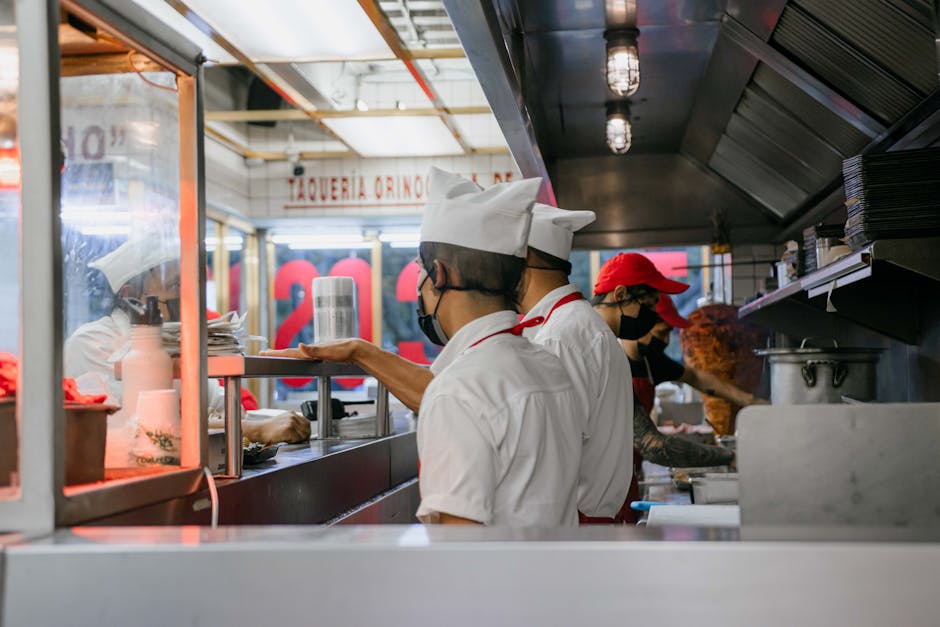
Top 10 Foods With the Weirdest Backstories

Top 10 Foods With the Weirdest Backstories

⏱️ 6 min read

Food history is filled with bizarre accidents, unusual discoveries, and peculiar circumstances that led to the creation of some of today's most beloved dishes. From laboratory experiments gone wrong to wartime innovations, these culinary creations emerged from the strangest situations imaginable. Their origin stories are often more fascinating than the foods themselves, revealing how necessity, chance, and sometimes sheer desperation shaped the way we eat today.

Strange Tales Behind Your Favorite Foods

1. Popsicles: The Frozen Accident of an 11-Year-Old

In 1905, an 11-year-old boy named Frank Epperson left a mixture of powdered soda, water, and a stirring stick on his porch overnight during an unusually cold San Francisco evening. The next morning, he discovered the liquid had frozen solid with the stick standing upright. Epperson initially called his creation the "Epsicle," but nearly two decades later, he finally applied for a patent and renamed it the "Popsicle" after his children began calling it "Pop's sicle." What started as a childhood mistake became one of the most popular frozen treats in history, selling millions annually.

2. Champagne: Exploding Bottles and Accidental Bubbles

The sparkling wine we associate with celebrations was originally considered a winemaking failure. In the 17th century, French winemakers in the Champagne region struggled with bottles that would spontaneously explode due to unexpected secondary fermentation. The cold winters would halt fermentation, but when spring arrived, the dormant yeast would reawaken, creating carbon dioxide that shattered countless bottles. Benedictine monk Dom Pérignon spent years trying to eliminate these bubbles, viewing them as a flaw. Eventually, winemakers embraced the effervescence, and the "mistake" became one of the world's most prestigious beverages.

3. Worcestershire Sauce: The Forgotten Barrel Surprise

Two chemists in Worcester, England, John Wheeley Lea and William Henry Perrins, attempted to recreate an Indian sauce recipe for a nobleman in the 1830s. Their first batch tasted so terrible they stored the barrels in their cellar and forgot about them. Years later, while cleaning, they rediscovered the aged mixture and found it had transformed into a complex, savory condiment. The fermentation process had created the distinctive tangy flavor that now graces tables worldwide. The duo never imagined their failed experiment would become an essential ingredient in countless recipes.

4. Chocolate Chip Cookies: Running Out of Baker's Chocolate

Ruth Wakefield, owner of the Toll House Inn in Massachusetts, ran out of baker's chocolate while preparing cookies in 1938. In desperation, she chopped up a Nestlé semi-sweet chocolate bar and mixed the chunks into her dough, assuming they would melt and distribute evenly. Instead, the chocolate pieces held their shape, creating pockets of melted chocolate throughout the cookies. Her guests loved the unexpected texture, and Wakefield's improvisation became the chocolate chip cookie. She eventually sold her recipe to Nestlé in exchange for a lifetime supply of chocolate.

5. Potato Chips: A Chef's Petty Revenge

In 1853, railroad magnate Cornelius Vanderbilt dined at Moon's Lake House in Saratoga Springs, New York, and repeatedly sent his fried potatoes back to the kitchen, complaining they were too thick and soggy. Chef George Crum, frustrated by the criticism, decided to spite the difficult customer by slicing potatoes paper-thin, frying them until crispy, and heavily salting them. To everyone's surprise, Vanderbilt loved them. The vindictive creation became known as "Saratoga Chips" and eventually evolved into the potato chip industry worth billions today.

6. Ketchup: From Fish Sauce to Tomato Condiment

Modern ketchup bears little resemblance to its ancestor, a fermented fish sauce called "ke-tsiap" from southern China. British colonists encountered this pungent condiment in the 17th century and attempted to recreate it using various ingredients including mushrooms, walnuts, and oysters—everything except tomatoes. Americans didn't add tomatoes to ketchup until the early 1800s, and even then, the recipe included cocaine and morphine as preservatives. It took until 1906 and the Pure Food and Drug Act for ketchup to resemble the sweet, tomato-based sauce we recognize today.

7. Coca-Cola: The Morphine Addiction Cure

Pharmacist John Pemberton created Coca-Cola in 1886 as a patent medicine intended to cure morphine addiction, which he himself suffered from after being wounded in the Civil War. His original formula contained cocaine from coca leaves and caffeine from kola nuts, marketed as a brain tonic and intellectual beverage. Pemberton sold his formula for a mere $1,750 shortly before his death, never knowing his medicinal syrup would become the world's most recognized brand. The cocaine was removed from the recipe in 1903, but the drink's origins as an addiction treatment remain one of history's strangest ironies.

8. Fettuccine Alfredo: A Sick Wife's Bland Comfort Food

Roman restaurateur Alfredo di Lelio created his famous pasta dish in 1914 for an unglamorous reason: his wife was experiencing severe nausea during pregnancy and couldn't keep down most foods. He prepared an extremely simple dish of fresh fettuccine tossed with butter and Parmesan cheese, which she could tolerate. Alfredo began serving this bland comfort food at his restaurant, where it became popular with American tourists. The dish that millions now consider a rich, indulgent classic originated as the most basic meal possible, designed specifically for an upset stomach.

9. Cornflakes: Preventing Sexual Urges Through Breakfast

Dr. John Harvey Kellogg, a Seventh-day Adventist and director of a Michigan sanitarium, invented cornflakes in 1894 as part of his anti-masturbation crusade. He believed that spicy and flavorful foods increased sexual desire, so he developed deliberately bland foods to suppress such urges in his patients. Along with his brother Will Keith Kellogg, he created the first cornflakes through an accidental process involving boiled wheat that was left out and went stale. The resulting flakes were tasteless by design, fulfilling Dr. Kellogg's mission to create the most passion-suppressing breakfast possible—though modern sugar-coated versions have strayed far from his puritanical vision.

10. Margarine: Pink Butter Alternative for Napoleon's Navy

French Emperor Napoleon III sponsored a contest in 1869 to create a cheap butter substitute for his armed forces and the lower classes. Chemist Hippolyte Mège-Mouriès won by inventing margarine from beef tallow and milk. Early margarine was an unappetizing white color, so manufacturers added yellow dyes to make it resemble butter—but dairy lobbyists fought back. Some U.S. states forced manufacturers to dye margarine pink or banned it entirely to protect butter sales. Margarine remained illegal in Wisconsin until 1967, and its century-long battle with the dairy industry represents one of food history's most contentious fights.

Conclusion

These ten foods demonstrate that culinary innovation often emerges from the most unexpected circumstances. Whether born from mistakes, spite, medical quackery, or wartime necessity, these dishes transformed from their strange beginnings into staples of modern cuisine. Their peculiar backstories remind us that today's beloved foods might have originated from tomorrow's forgotten experiments, and that the line between failure and success in the kitchen is often surprisingly thin. The next time you enjoy these familiar foods, you'll know the bizarre journeys they took to reach your plate.