









Why Stop Signs Are Octagonal: The Shape Safety Story
By Trivia Daily, Staff Writer — Published July 31, 2026
Table of Contents
- Key Takeaways
- The Birth of Stop Signs Octagonal Design
- Why Shape Matters More Than You Think
- The Color Evolution: From Yellow to Red
- Global Variations and Exceptions
- The Psychology of Eight Sides
- Frequently Asked Questions
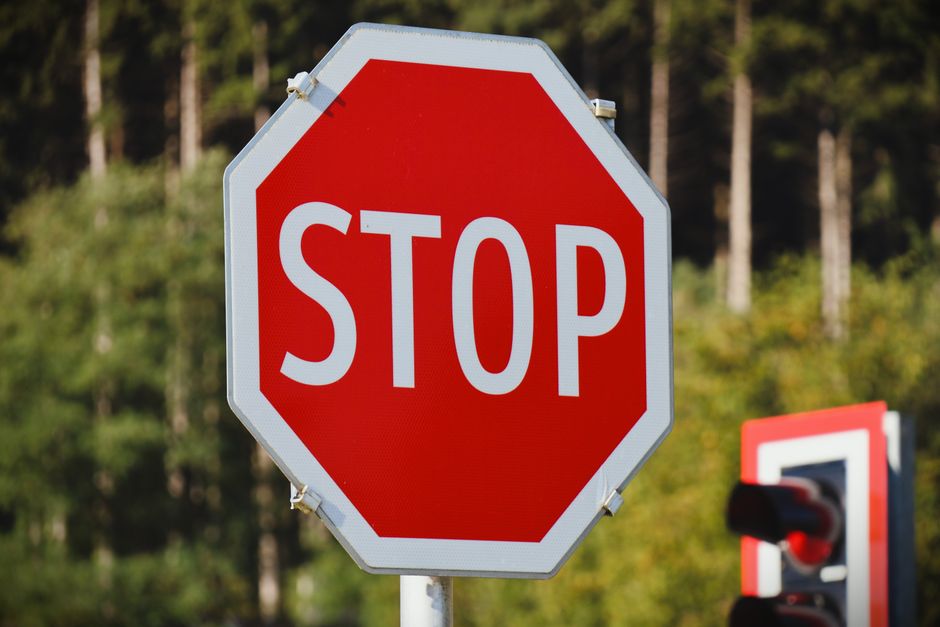
Every day, drivers around the world encounter the bright red octagon commanding them to halt. But why are stop signs octagonal? The answer reveals a clever piece of design thinking from the early days of automotive traffic control. Unlike circular or rectangular signs, the eight-sided shape serves a specific safety purpose: it's instantly recognizable from any angle, even when covered in snow, dirt, or viewed from behind. This distinctive geometry makes the stop sign one of the most interesting examples of functional design in road safety, a surprising triumph of form meeting function that most people never think twice about.
The octagonal stop sign wasn't always the standard. Early traffic control devices varied wildly in shape and color, creating confusion on rapidly modernizing roadways. The evolution to today's universal design involved decades of experimentation, standardization efforts, and an understanding of human perception under stress. What seems like a simple choice turns out to be a fascinating story of engineering psychology and international cooperation.
Key Takeaways
- Stop signs are octagonal because the unique eight-sided shape allows instant recognition from any viewing angle, even when the sign face is obscured or damaged.
- The octagon was specifically chosen to indicate the highest level of danger and required action, making it distinct from all other road signs.
- Early stop signs weren't standardized—they appeared in various colors including yellow and white before red became universal in 1954.
- The shape alone conveys meaning: a driver can identify a stop sign from its silhouette, even in poor visibility conditions or when approaching from behind.
- The number of sides (eight) provides more recognition points than simpler shapes while remaining simple enough for quick processing at driving speeds.
- International standardization of the octagonal stop sign has made it one of the most universally recognized symbols worldwide.
The Birth of Stop Signs Octagonal Design
Traffic signs emerged as automobiles became common in the early 20th century. The first stop sign appeared in Detroit, Michigan, in 1915, but it was a small white square with black letters—hardly the commanding presence we know today. The octagon entered the picture in 1922 when the Mississippi Valley Association of State Highway Departments began standardizing road signs across regions.
The logic was beautifully simple. Traffic engineers needed a hierarchy of shapes to communicate different levels of urgency. Round signs indicated railroad crossings. Rectangular signs provided information or regulation. Diamond shapes warned of hazards ahead. The octagon, with its eight distinctive sides, was reserved for the most critical command: stop completely. No other sign would share this shape, eliminating any possibility of confusion even in split-second decisions.
The number eight wasn't arbitrary. Fewer sides—like a hexagon—might be confused with other shapes at a glance. More sides would approach a circle, losing distinctiveness. Eight sides created enough angular points to be unmistakable while remaining simple enough for drivers to process quickly. This principle of "shape coding" became fundamental to traffic sign design worldwide.
Why Shape Matters More Than You Think
The genius of the octagonal design becomes clear when you consider real-world driving conditions. Imagine approaching a stop sign covered in snow, with only the outline visible. The octagon remains identifiable. Picture driving on an unfamiliar road where you glimpse a sign from behind—the distinctive silhouette still communicates its meaning. Even partial visibility through trees or buildings allows recognition.
Human perception processes shapes faster than text. Your brain registers "octagon" before consciously reading "STOP." This milliseconds-long advantage matters enormously when a vehicle travels 60 feet per second at highway speeds. The shape serves as a pre-warning system, preparing drivers to brake before they've even processed the written command.
Research in traffic psychology has confirmed what early engineers intuited: unique shapes reduce decision-making time at critical moments. The octagon's angular symmetry creates visual "pop" against natural and built environments, which tend toward irregular or rectangular forms. This contrast ensures the sign catches attention even in visually cluttered intersections.
The Color Evolution: From Yellow to Red
While the octagonal shape was established by the 1920s, stop signs weren't always red. The first standardized stop signs were actually yellow with black letters. Why? Early sign manufacturing couldn't produce fade-resistant red paint. Yellow provided better visibility and durability with available technology.
The shift to red occurred in 1954 when improved fade-resistant enamel paints became available. Red carried stronger psychological associations with danger and prohibition across cultures. Combined with the octagonal shape, the red color created an unmistakable command that transcended language barriers. This combination proved so effective that it became the international standard, adopted by countries worldwide through the Vienna Convention on Road Signs and Signals.
Today's stop signs use highly reflective materials that maintain visibility in darkness and poor weather. The red background reflects light back to drivers, while white letters provide maximum contrast. This marriage of shape, color, and materials technology represents over a century of refinement.
Global Variations and Exceptions
While most countries use the red octagon, some interesting variations exist. Japan uses an inverted red triangle for stop signs, a holdover from earlier international standards. Some European countries briefly experimented with different approaches before standardizing on the octagon.
| Region | Stop Sign Design | Notable Features |
|---|---|---|
| United States & Canada | Red octagon, white "STOP" | Standard since 1954 |
| Most of Europe | Red octagon, white "STOP" | Adopted via Vienna Convention |
| Japan | Red inverted triangle | Uses Japanese characters for "stop" |
| Some African nations | Red octagon, local language | English or French text common |
Interestingly, many countries use the English word "STOP" on their signs regardless of local language, recognizing it as an internationally understood symbol. This linguistic standardization reinforces the visual standardization, creating truly universal communication.
The Psychology of Eight Sides
The octagon occupies a sweet spot in human visual processing. It's complex enough to stand out but simple enough for instant recognition. Neurological studies of pattern recognition suggest that highly symmetrical shapes with moderate complexity (like octagons) activate visual processing areas efficiently.
The eight-sided shape also provides practical benefits for installation and maintenance. Unlike circles, octagons have flat edges that mount easily to posts. The symmetry means they can't be installed upside-down or backwards—any orientation presents the same recognizable form. This fool-proof design reduces installation errors that could compromise safety.
Traffic engineers discovered that the angularity of the octagon makes damaged or vandalized signs still recognizable even when portions are missing. A circle with damage might look like an oval or other shape, but an octagon missing one or two sides still reads as an octagon to the human brain's pattern-matching systems.
Frequently Asked Questions
Are all stop signs the same size?
No, stop signs come in different sizes depending on road type and speed limits. Standard sizes range from 30 inches (residential streets) to 48 inches (high-speed roads), though all maintain the octagonal shape and proportions for consistent recognition.
Why don't other countries use different shapes for stop signs?
International treaties, particularly the Vienna Convention on Road Signs and Signals, established the octagon as the global standard for stop signs to ensure consistent road safety across borders. This standardization helps international travelers navigate safely in unfamiliar countries.
When was the octagonal stop sign invented?
The octagonal shape for stop signs was first adopted in 1922 by the Mississippi Valley Association of State Highway Departments and became nationally standardized in the United States by 1935, though the red color wasn't universal until 1954.
Can you get a ticket for not stopping at a damaged stop sign?
Yes, drivers are legally required to stop at intersections with damaged stop signs if the sign remains recognizable. The octagonal shape serves as legal notice even when text or color is compromised, which is precisely why the distinctive shape was chosen.
The next time you brake at that familiar red octagon, take a moment to appreciate the elegant problem-solving behind its design. What appears simple represents decades of refinement, psychological insight, and international cooperation—all to give you that split-second advantage that might one day save a life. The humble stop sign proves that the best design often hides in plain sight, working so well we forget to notice its brilliance.