





1 / 5 Questions
0 Points

What TV family appeared in a three-by-three grid?

The Brady Bunch

Eight is Enough

The Partridge Family

The Waltons

Points won
0
Correct score
0%

More Questions

More Articles

Top 10 Strange Food Combinations That Actually Work

Top 10 Strange Food Combinations That Actually Work

⏱️ 6 min read

Culinary adventurers have long pushed the boundaries of traditional flavor pairings, discovering unexpected combinations that defy conventional wisdom yet deliver surprisingly delicious results. While some food pairings may initially sound bizarre or even off-putting, the science of taste reveals that complementary flavors, textures, and chemical compounds can create harmonious dining experiences where least expected. These unconventional matches challenge our preconceived notions about what belongs together on a plate, offering exciting new ways to experience familiar ingredients.

Understanding the Science Behind Unusual Pairings

Before exploring specific combinations, it's essential to understand why certain strange pairings work. Food scientists have discovered that ingredients sharing similar flavor compounds often complement each other, even when they seem completely unrelated. Additionally, contrasting textures, temperatures, and taste profiles—sweet with salty, creamy with crunchy—can create balanced and satisfying eating experiences that engage multiple senses simultaneously.

Ten Unexpected Combinations That Delight the Palate

1. Peanut Butter and Pickles

This combination might sound like a pregnancy craving gone wrong, but the pairing of creamy, protein-rich peanut butter with tangy, crispy pickles creates a surprisingly balanced sandwich. The saltiness of both ingredients complements each other, while the pickle's acidity cuts through the heaviness of the peanut butter. The textural contrast between smooth and crunchy adds another dimension to this unexpected duo. Many who try this combination report that it satisfies both savory and slightly sweet cravings simultaneously, making it a filling snack that challenges taste bud expectations.

2. Dark Chocolate and Olive Oil

High-quality extra virgin olive oil drizzled over dark chocolate creates a sophisticated dessert that highlights the fruity, peppery notes in both ingredients. The healthy fats in olive oil enhance the absorption of chocolate's antioxidants while adding a silky mouthfeel. This Mediterranean-inspired combination is often elevated with a sprinkle of sea salt, creating a balance of bitter, fruity, and savory notes. Gourmet chocolatiers have embraced this pairing, creating specialty bars that incorporate olive oil directly into the chocolate, demonstrating how traditional ingredients can be reimagined in modern confections.

3. Watermelon and Feta Cheese

This Greek-inspired summer salad combines the refreshing sweetness of watermelon with the salty, tangy creaminess of feta cheese. The high water content of the melon provides a cooling effect that contrasts beautifully with the rich, crumbly cheese. Often enhanced with fresh mint and a drizzle of balsamic reduction, this combination exemplifies how sweet and savory elements can create a perfectly balanced dish. The pairing has become increasingly popular in upscale restaurants and home kitchens alike, proving that fruit and cheese combinations extend far beyond traditional dessert boards.

4. Bacon and Maple Syrup

While this combination has gained mainstream acceptance in recent years, it remains an unusual pairing that perfectly illustrates the principle of sweet and salty harmony. The smoky, crispy bacon provides a savory base that's elevated by the caramel notes in pure maple syrup. This classic breakfast combination has inspired countless variations, from maple-bacon donuts to candied bacon desserts. The Maillard reaction occurring in cooked bacon shares flavor compounds with caramelized sugars, explaining why these seemingly disparate ingredients work so well together on a chemical level.

5. Strawberries and Balsamic Vinegar

Drizzling aged balsamic vinegar over fresh strawberries enhances the fruit's natural sweetness while adding complex, tangy depth. The acidity of the vinegar brightens the strawberry flavor and brings out subtle notes that might otherwise go unnoticed. High-quality balsamic vinegar contains sweet undertones from the grape must, creating a bridge between savory and sweet. This Italian-inspired pairing demonstrates how acidic components can amplify rather than overwhelm delicate fruit flavors, and it's often used in both salads and desserts to sophisticated effect.

6. French Fries and Ice Cream

The combination of hot, salty french fries dipped in cold, sweet ice cream creates a multi-sensory experience that has delighted fast-food enthusiasts for decades. The temperature contrast provides immediate sensory excitement, while the salt enhances the perception of sweetness in the ice cream. The crispy exterior of the fries against the creamy ice cream offers textural variety that keeps each bite interesting. This pairing works particularly well with vanilla or chocolate ice cream and demonstrates how opposing temperatures and flavors can create craveable combinations that satisfy multiple taste preferences at once.

7. Cheddar Cheese and Apple Pie

This traditional American pairing has roots dating back centuries, with the saying "apple pie without cheese is like a kiss without a squeeze." The sharp, savory notes of aged cheddar complement the sweet, spiced apples while adding richness and depth to the dessert. The cheese's fat content balances the pie's sweetness and creates a more rounded flavor profile. Some prefer melting the cheese directly on warm pie, while others enjoy it as a cold slice alongside. This combination showcases how dairy products can enhance fruit-based desserts beyond traditional ice cream or whipped cream.

8. Coffee and Orange Juice

While mixing these beverages might seem unthinkable, certain coffee drinks incorporate citrus elements with remarkable success. The bright acidity of orange juice can complement the bitter notes in espresso, creating a refreshing morning beverage that provides both caffeine and vitamin C. This combination works best when using high-quality espresso and fresh-squeezed orange juice, with the citrus added in moderation to avoid overwhelming the coffee. Some specialty coffee shops have embraced this pairing, creating signature drinks that balance these bold flavors into cohesive beverages.

9. Avocado and Chocolate

Using avocado as a base for chocolate mousse or pudding creates an incredibly creamy, dairy-free dessert that leverages the fruit's neutral flavor and buttery texture. The healthy fats in avocado provide richness without adding dairy, while its mild taste allows the chocolate to remain the star ingredient. This combination offers nutritional benefits including heart-healthy fats, fiber, and antioxidants from both ingredients. The avocado's texture creates a silky-smooth consistency that rivals traditional chocolate mousse, making it popular among health-conscious dessert lovers and those with dairy sensitivities.

10. Pineapple on Pizza

Perhaps the most controversial food combination in modern cuisine, pineapple on pizza (often called Hawaiian pizza) pairs sweet, juicy fruit with savory cheese, tomato sauce, and typically ham or bacon. The acidity in pineapple cuts through the richness of cheese and fatty meats, while the fruit's sweetness provides contrast to salty components. The high heat of the pizza oven caramelizes the pineapple's natural sugars, intensifying its flavor. Despite ongoing debates about its legitimacy, this combination has maintained popularity worldwide, demonstrating that sweet and savory pizza toppings can coexist successfully when balanced properly.

Embracing Culinary Experimentation

These ten unusual food combinations demonstrate that great taste isn't limited to traditional pairings. By understanding flavor compounds, textural contrasts, and the balance between sweet, salty, sour, and bitter, adventurous eaters can discover new favorites that challenge conventional culinary wisdom. Whether trying these specific combinations or using them as inspiration for personal experimentation, the key lies in maintaining an open mind and willingness to explore beyond familiar territory. The next great food pairing might be waiting in your kitchen, ready to surprise and delight your palate in ways you never imagined possible.
7 Surprising Facts About Basketball Hoops Being Peach Baskets

7 Surprising Facts About Basketball Hoops Being Peach Baskets

7 Surprising Facts About Basketball Hoops Being Peach Baskets

By TrivBits, Staff Writer — Published August 11, 2026

Table of Contents

When Dr. James Naismith invented basketball in December 1891, he needed something to serve as goals for his new indoor game. What he chose seems almost comical by today's standards: peach baskets nailed to the gymnasium balcony. These humble fruit containers became the first basketball hoops, and their influence on the game lasted far longer than you might imagine. The transition from basketball hoops peach baskets to modern nets took years of experimentation and problem-solving that shaped how we play the sport today.The story of these original peach baskets reveals fascinating details about basketball's early days that most fans never discover. From the janitor's crucial role to the surprisingly late arrival of the backboard, these facts illuminate how America's favorite indoor sport evolved from its quirky beginnings.

Key Takeaways

  • The first basketball hoops were actual peach baskets with closed bottoms, requiring manual ball retrieval after every score.
  • Players used peach baskets for approximately 15 years before bottomless nets became standard equipment.
  • The original baskets hung exactly 10 feet high—a measurement that remains unchanged in professional basketball today.
  • Early games featured dramatically lower scores because retrieving the ball after each basket slowed gameplay considerably.
  • The transition from peach baskets to metal hoops happened gradually, with various experimental designs tested throughout the 1890s and early 1900s.
  • Backboards weren't part of Naismith's original design but were added to prevent spectators from interfering with shots.

The First Basketball Hoops Peach Baskets Had Closed Bottoms

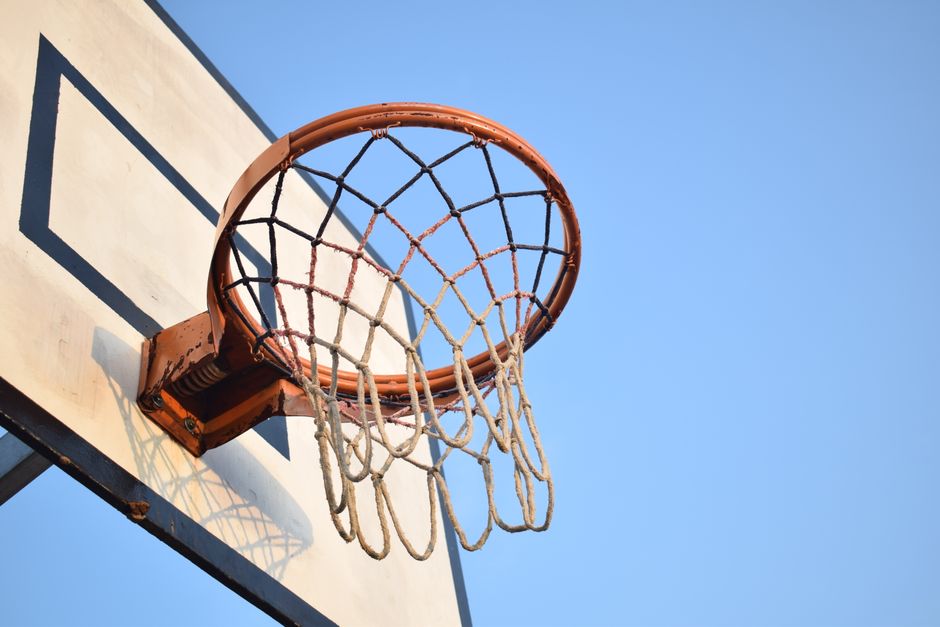
The most impractical aspect of early basketball seems almost unbelievable today. Those original peach baskets retained their solid bottoms. Every single time a player scored, someone had to climb a ladder or use a long pole to retrieve the ball from the basket. Imagine the rhythm of a modern NBA game grinding to a halt after every successful shot while a janitor fetched a ladder.This tedious process meant early basketball games featured far fewer points than contemporary matches. The first official game, played in December 1891, ended with a score of 1-0. While the low score also reflected players learning unfamiliar rules, the retrieval delay certainly discouraged rapid-fire shooting. The game's pace was fundamentally different—more deliberate, more strategic, and considerably slower than anything we'd recognize as basketball today.

1. Someone Actually Had a Job Retrieving Balls From Baskets

In the earliest basketball games, a person was designated specifically to fetch the ball after each score. This individual, often a janitor or student volunteer, became an essential part of the game's flow. They would climb up to the balcony where the baskets hung, reach in, and toss the ball back down to restart play. This wasn't a brief interruption—it could take 30 seconds or more depending on the gymnasium's layout. The role was so important that without this designated retriever, the game simply couldn't proceed smoothly. Some gymnasiums even developed pulley systems or used long poles with hooks to speed up the process, but these makeshift solutions only partially addressed the fundamental design flaw.

2. Peach Baskets Remained in Use for Over a Decade

Despite the obvious inconvenience, peach baskets served as basketball goals well into the 1900s. The transition to bottomless nets happened gradually rather than overnight. Some schools and organizations began cutting out the basket bottoms around 1893, creating a hybrid solution that let the ball fall through while maintaining the basket structure. However, many facilities continued using closed-bottom peach baskets for years simply because they already owned them and saw no urgent need to replace functional equipment. By approximately 1906, metal hoops with netted bottoms had become standard, but the changeover took roughly 15 years from basketball's invention. This lengthy transition period meant an entire generation of early players learned the game with the original cumbersome design.

3. The 10-Foot Height Was Purely Accidental

The iconic 10-foot basket height that defines basketball across all levels wasn't chosen through careful biomechanical analysis or strategic planning. It happened because the gymnasium balcony railing at Springfield College's YMCA, where Naismith nailed those first peach baskets, stood exactly 10 feet above the floor. Naismith simply attached the baskets to the available railing. This arbitrary measurement, determined entirely by the architecture of one building in Massachusetts, became the permanent standard for the sport worldwide. Professional leagues, college tournaments, high school gymnasiums, and playground courts all maintain this height today—a measurement frozen in time by the coincidental dimensions of a 19th-century YMCA balcony.

4. Backboards Were Added to Stop Spectator Interference

Naismith's original game had no backboards. The peach baskets hung directly from the balcony railing, completely exposed. This created an unexpected problem: spectators sitting in the balcony could reach over and deflect shots, either helping their favored team or sabotaging opponents. Overzealous fans would use hands, feet, umbrellas, or whatever else they could grab to interfere with the ball's trajectory. To solve this fan interference issue, gymnasiums began installing wooden boards behind the baskets around 1895. These boards blocked spectator access while inadvertently creating a new strategic element—the bank shot. What started as a crowd-control measure became an integral part of basketball technique, changing offensive strategy forever.

5. Early Baskets Created Scoring Disputes

The closed-bottom design of peach baskets occasionally caused genuine controversy about whether a basket counted. If a shot went in but the ball wedged itself in the basket at an angle, was it a score? What if the ball rested on top of fruit remnants or debris inside the basket? Different referees ruled differently, and the lack of standardized equipment meant basket conditions varied wildly between venues. Some baskets were worn and misshapen, others relatively new and rigid. These inconsistencies led to heated arguments during games. The disputes only ended when bottomless nets became universal, making every successful shot unambiguously visible as the ball dropped through.

6. Metal Hoops Were Initially Resisted by Traditionalists

When manufacturers began producing metal hoops with cord nets in the late 1890s, not everyone welcomed the innovation. Some basketball purists argued that metal rims fundamentally changed the game's character. Peach baskets had a certain give and unpredictability—shots that hit the rim might settle in or bounce out depending on the basket's condition and the ball's angle. Metal hoops were more consistent but also less forgiving. Critics worried the sport was losing its distinctive identity. These concerns mirror modern debates about rule changes in established sports. Eventually, the practical advantages of metal hoops—durability, consistency, and eliminating retrieval delays—won over even the skeptics, though the debate lasted several years.

7. Original Peach Baskets Are Now Valuable Artifacts

Authentic peach baskets from early basketball games are extraordinarily rare and valuable today. Most were simply discarded when they wore out or when facilities upgraded to modern equipment. Museums and collectors prize any surviving examples, though authenticating them presents challenges since peach baskets were common household items in the 1890s. The Naismith Memorial Basketball Hall of Fame in Springfield, Massachusetts, displays early basketball equipment, though definitively proving a specific basket was used in actual games requires extensive documentation. The scarcity of these artifacts reflects how quickly everyday objects disappear once they're no longer useful—nobody in 1895 imagined that humble fruit containers would someday represent the birth of a global sport.

How Basketball Equipment Evolved After Peach Baskets

The journey from peach baskets to modern hoops involved numerous intermediate designs. Early metal rims were rigid and unforgiving, leading to frequent injuries when players collided with the basket supports. The breakaway rim, which flexes under pressure and prevents backboard shattering, wasn't invented until 1976. Similarly, backboards evolved from simple wooden planks to transparent materials that don't obstruct spectator views. Each innovation addressed specific problems revealed through years of gameplay.Net design also progressed significantly. Early cord nets wore out quickly and sometimes tangled around the ball. Modern nylon nets are engineered to provide the satisfying "swish" sound that signals a perfect shot while releasing the ball cleanly. These seemingly minor details reflect decades of refinement aimed at perfecting the game experience.

The Lasting Impact of Those First Baskets

Despite their impracticality, peach baskets shaped basketball's fundamental character. The elevated goal created a sport emphasizing vertical athleticism and shooting accuracy rather than brute force. The circular opening demanded precision. These constraints, born from what equipment Naismith could find in a Massachusetts gymnasium, defined the skills that basketball would reward: coordination, accuracy, and timing.The 10-foot height remains perhaps the most enduring legacy. Countless proposals to raise or lower the basket have emerged over 130 years, yet the measurement persists unchanged. That arbitrary architectural dimension from 1891 now feels sacred, connecting every modern game to basketball's humble origins.

Frequently Asked Questions

Why did James Naismith choose peach baskets specifically?

Naismith asked the building superintendent for two boxes to use as goals, and the superintendent could only find peach baskets. The choice was based entirely on availability rather than design intent.

When did basketball hoops stop being peach baskets?

The transition occurred gradually between 1893 and 1906, with metal hoops becoming standard around 1906. However, some facilities used modified peach baskets with cut-out bottoms for years before switching to metal rims.

How much did early basketball games score with peach baskets?

Early games featured extremely low scores, often in single digits or low teens. The first game ended 1-0, though scores gradually increased as players improved and retrieval methods became more efficient.

Are any original basketball peach baskets preserved today?

Very few authentic peach baskets from early basketball survive, and proving their authenticity is difficult. Some museums display period-appropriate baskets, though documentation confirming game use is rare.The next time you watch a basketball sail through a modern net, consider those janitors climbing ladders in 1891. From such humble, impractical beginnings emerged a sport played by millions worldwide. Those peach baskets weren't designed for basketball—basketball was designed around them.