











1 / 10 Questions
0 Points

What scores a perfect 10 on the Mohs hardness scale?

Emerald

Sapphire

Ruby

Diamond

Points won
0
Correct score
0%

More Questions

More Articles

Did You Know These Snacks Are Only Popular in Certain Countries?

Did You Know These Snacks Are Only Popular in Certain Countries?

⏱️ 5 min read

The world of snacks is far more diverse and regionally specific than most people realize. While some treats have achieved global recognition, countless beloved snacks remain confined to their countries of origin, creating unique culinary identities that surprise international travelers. These regional favorites often reflect local tastes, cultural traditions, and ingredient availability, offering fascinating insights into different food cultures around the globe.

The Phenomenon of Regional Snack Preferences

Food companies have long understood that snack preferences vary dramatically across borders. What appeals to consumers in one country may seem unusual or even unappetizing in another. This regionalization occurs due to various factors including cultural history, local ingredient availability, climate, and established flavor profiles that develop over generations. Many multinational corporations create entirely different product lines for specific markets, while local manufacturers thrive by catering to tastes that outsiders might find peculiar.

Japanese Snacks: Beyond Pocky and Kit Kats

Japan's snack culture extends far beyond its internationally recognized treats. Natto-flavored rice crackers, for instance, remain almost exclusively popular within Japan despite the country's fermented soybean dish being a daily staple for millions. The strong, acquired taste and distinctive aroma make these crackers a hard sell internationally, yet they occupy significant shelf space in Japanese convenience stores.

Konpeito, traditional Japanese sugar candies with a crystalline structure, have been produced since the 16th century but remain relatively unknown outside Japan and a few Asian countries. These colorful, star-shaped candies hold cultural significance in Japanese tea ceremonies and celebrations, demonstrating how snacks can be deeply intertwined with local customs.

European Exclusives: Salty Licorice and Beyond

Scandinavia's obsession with salty licorice, known as "salmiak," puzzles outsiders who encounter it for the first time. This intensely flavored treat, containing ammonium chloride, dominates candy aisles in Denmark, Sweden, Finland, and the Netherlands. Varieties range from moderately salty to extremely intense, with brands like Djungelvrål and Tyrkisk Peber achieving cult status in their home countries while remaining virtually unknown elsewhere.

The United Kingdom's love affair with Marmite-flavored snacks represents another regional peculiarity. While the yeast extract spread itself divides British consumers, Marmite-flavored crisps, cashews, and rice cakes enjoy steady popularity domestically but rarely venture beyond Commonwealth countries. The umami-rich, intensely savory flavor profile doesn't translate well to markets unfamiliar with the original product.

North American Regional Favorites

Canada's ketchup-flavored chips represent a distinctly Canadian phenomenon that bewilders American neighbors despite the countries' geographical proximity and cultural similarities. These tangy, tomato-flavored crisps have been a Canadian staple since the 1970s, yet they've never gained significant traction in the United States, where ranch and sour cream flavors dominate.

Conversely, certain American snacks remain predominantly domestic affairs. Circus peanuts, those orange marshmallow candies with artificial banana flavor, perplex international visitors but maintain a loyal American following. Combos, pretzel or cracker shells filled with cheese or pizza-flavored centers, similarly remain an American convenience store staple with minimal international presence.

Latin American Snacking Traditions

Mexico's extensive array of chili-covered snacks represents a flavor intensity level that doesn't translate directly to many other markets. Products like Pulparindo, a tamarind candy coated with chili powder, and Rockaleta, multi-layered lollipops combining sweet, sour, and spicy elements, exemplify the Mexican palate's appreciation for complex, bold flavors. These treats remain primarily popular in Mexico and among Mexican diaspora communities.

Argentinian alfajores, while known in neighboring South American countries, rarely appear outside the continent despite their delicious combination of cookies, dulce de leche, and chocolate coating. The snack's delicate texture and need for careful storage have limited its international expansion, keeping it a regional treasure.

Australian and New Zealand Specialties

Tim Tams hold an almost sacred status in Australian snack culture, yet these chocolate-coated biscuits remain relatively niche products in most international markets. While available in some specialty stores worldwide, they lack the widespread recognition they enjoy domestically, where the "Tim Tam Slam" drinking ritual has become part of national identity.

New Zealand's Pineapple Lumps, chewy pineapple-flavored confections covered in chocolate, represent another Oceanic exclusive. Despite their popularity in New Zealand since the 1950s, these candies remain virtually unknown elsewhere, partly due to the unusual flavor combination that appeals specifically to Kiwi tastes.

Asian Innovations That Stay Local

South Korea's dried seaweed snacks have gained some international traction, but numerous other Korean snacks remain domestic favorites. Honey butter chips, which created a nationwide craze in 2014, have stayed primarily within Korean and Korean-American markets despite their addictive sweet-savory profile.

Philippines' dried fish snacks and crispy pork rinds seasoned with local spices dominate domestic markets but rarely expand internationally. These protein-based snacks reflect Filipino food preferences and snacking habits that differ significantly from Western conventions.

The Future of Regional Snacks

While globalization continues to homogenize some aspects of food culture, regional snacks persist due to deeply embedded taste preferences and cultural associations. E-commerce and international food markets have made these exclusive treats more accessible to curious consumers worldwide, yet most remain primarily popular in their countries of origin. This regional diversity enriches global food culture, offering endless opportunities for culinary exploration and reminding us that taste is deeply personal and culturally conditioned.
Why Egyptian Pyramids Were Never Covered in Graffiti

Why Egyptian Pyramids Were Never Covered in Graffiti

Why Egyptian Pyramids Were Never Covered in Graffiti

By TrivBits, History Desk — Published August 1, 2026

Table of Contents

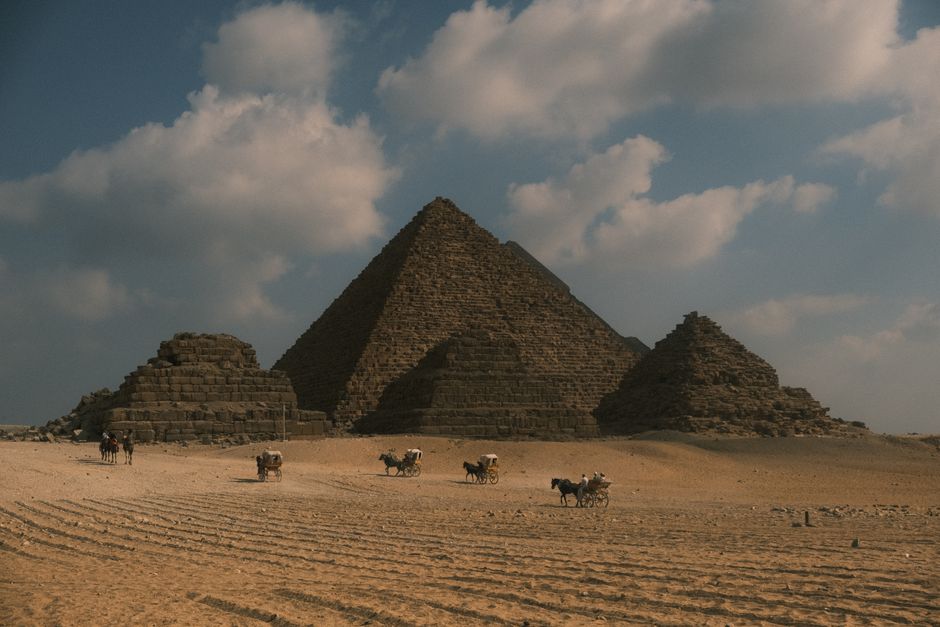
Stand before the Great Pyramid of Giza today and you'll notice something remarkable: no spray paint tags, no carved initials, no "Ramses was here" scrawled across the limestone. For structures that have stood for over four millennia, the Egyptian pyramids never became the graffiti-covered monuments you might expect. This isn't just luck or modern preservation efforts—the reasons stretch back through ancient history itself, revealing fascinating truths about these architectural marvels and the civilizations that revered them. The answer lies in a combination of continuous reverence, physical inaccessibility, and the pyramids' transformation over time. Unlike abandoned ruins left to decay, these monuments remained sacred throughout Egypt's long past, protected by cultural respect that transcended dynasties and even the fall of the pharaonic empire itself.

Key Takeaways

  • The pyramids were originally covered in polished white limestone casing stones that made them smooth and nearly impossible to climb or deface.
  • Ancient Egyptians maintained these structures as sacred sites for thousands of years, with priests and guards protecting them throughout multiple eras and dynasties.
  • Even after the fall of pharaonic Egypt, successive civilizations—Greek, Roman, Arab, and Ottoman—continued to view the pyramids with reverence rather than as targets for vandalism.
  • The casing stones were eventually removed for construction projects in medieval Cairo, but by then the pyramids' cultural significance was so entrenched that defacing them remained taboo.
  • Modern graffiti is prevented through active security, legal protections, and international heritage designations that recognize the pyramids as treasures of human civilization.

Why Egyptian Pyramids Never Attracted Ancient Graffiti

The original appearance of the pyramids made vandalism nearly impossible. When first completed during Egypt's Old Kingdom era (roughly 2686–2181 BCE), these massive structures were covered in smooth, polished Tura limestone casing stones. The Great Pyramid alone required an estimated 115,000 casing blocks, creating surfaces so smooth and reflective that ancient Greek historians described them as gleaming like mirrors in the desert sun. Try climbing a wall of polished marble. That's what would-be graffiti artists faced. The casing stones fit so precisely—with gaps of less than half a millimeter—that inserting even a knife blade between them was impossible. This engineering marvel wasn't just aesthetic; it created a physical barrier that protected the pyramids from casual defacement. But physical barriers alone don't explain the absence of graffiti. Sacred reverence played an equally crucial role. The pyramids weren't simply tombs—they were the eternal resting places of god-kings, surrounded by temple complexes with active priesthoods. Defacing a pyramid would have been tantamount to desecrating a deity, an offense punishable by death in ancient Egypt. This wasn't just law; it was embedded in the cultural consciousness of a civilization that endured for three thousand years.

Guards and Priests Through the Centuries

Archaeological evidence shows that pyramid complexes maintained staffs of priests, guards, and workers long after the pharaohs who built them had died. These weren't abandoned structures. They were functioning religious sites. The Giza plateau, for example, had settlements of workers and priests who performed daily rituals and maintained the monuments well into Egypt's later dynasties. Even during periods of political upheaval—when Egypt fractured into competing kingdoms or fell under foreign rule—the pyramids retained their sacred status. Persian conquerors in the 6th century BCE, Greek Ptolemaic rulers, and Roman emperors all left the pyramids largely untouched, recognizing them as wonders worthy of preservation rather than targets for vandalism.

What Happened When the Casing Stones Disappeared

The medieval period brought significant changes. A massive earthquake in 1303 CE loosened many of the remaining casing stones, and subsequent rulers—particularly during the Mamluk Sultanate—quarried these blocks to build mosques and fortifications in Cairo. The smooth, protective shell gradually disappeared, revealing the stepped core structure we recognize today. You might expect that once this barrier was removed, graffiti would follow. It didn't. By this time, Islamic rulers governed Egypt, and while they saw the pyramids through a different religious lens than the ancient Egyptians, they still recognized them as extraordinary achievements. Arab scholars and historians wrote extensively about the pyramids, treating them as objects of study and wonder rather than canvases for vandalism. The pyramids had transcended their original religious context to become symbols of human achievement that commanded respect across civilizations and centuries. This cultural continuity—rare in historical monuments—created an unbroken chain of reverence that protected them from defacement.

Modern Protection and Global Heritage Status

Today's pyramids benefit from multiple layers of protection. Egyptian law classifies them as protected antiquities, with severe penalties for vandalism. Armed guards patrol the sites continuously. Security cameras monitor visitors. But legal and physical protections only work because they're backed by global cultural consensus. The United Nations Educational, Scientific and Cultural Organization designated the pyramids as a World Heritage Site, recognizing their "outstanding universal value" to all humanity. This international framework means that damaging the pyramids isn't just a crime against Egypt—it's an offense against the shared heritage of human civilization.
Protection Method Era Primary Function
Polished casing stones Ancient (2500s–1300s BCE) Physical barrier preventing access
Temple priests and guards Ancient through Greco-Roman Active monitoring and religious sanctity
Cultural reverence All historical periods Social taboo against defacement
Legal protections Modern (19th century onward) Criminal penalties for vandalism
UNESCO designation 1979–present International heritage recognition

Lessons From Other Ancient Monuments

Contrast the pyramids with other ancient structures. Roman buildings throughout Europe are frequently covered in centuries-old graffiti—some of it now considered historical in its own right. Medieval pilgrims carved their names into the walls of the Church of the Holy Sepulchre. Even Pompeii's ruins contain ancient graffiti from before the volcanic eruption that preserved them. What made the pyramids different? Scale played a role—their massive size and remote desert location meant fewer casual visitors compared to urban Roman buildings. But the primary difference was continuous cultural reverence. The pyramids never became "ruins" in the traditional sense. They never went through a period of abandonment where they were seen as fair game for casual vandalism.

Frequently Asked Questions

Did ancient tourists visit the pyramids?

Yes, the pyramids were tourist attractions even in ancient times. Greek and Roman travelers visited them, and ancient Greek historian Herodotus wrote about them in the 5th century BCE. However, these visitors treated them as sacred wonders to be respected, not defaced.

Are there any inscriptions on the pyramids?

The interior chambers contain hieroglyphic inscriptions and workers' marks from the original construction, but these are intentional records, not graffiti. Some explorers in the 18th and 19th centuries did carve their names inside, though this practice is now strictly prohibited and condemned.

How do modern authorities prevent pyramid graffiti?

Egyptian authorities employ security guards, surveillance systems, and strict legal penalties. Visitors who damage antiquities face imprisonment and substantial fines. International cooperation helps enforce these protections, as damaging World Heritage Sites can result in global travel bans.

Were the pyramids ever painted or decorated on the outside?

The polished white limestone casing created a brilliant exterior that needed no paint. However, the pyramidion (capstone) at the apex may have been covered in gold or electrum, creating a gleaming point visible for miles across the desert. The pyramids stand as testament to more than ancient engineering prowess. They represent an unbroken chain of human reverence spanning over four thousand years—a reminder that some achievements transcend the civilizations that created them, becoming treasures that all subsequent cultures feel compelled to protect rather than deface.