
⏱️ 6 min read
The world’s tallest mountains have fascinated humanity for centuries, representing both natural wonder and extreme challenge. These towering giants, primarily located in the Himalayan and Karakoram ranges, hold secrets and statistics that continue to amaze climbers, scientists, and adventure enthusiasts alike. Understanding these peaks goes beyond just knowing their heights—it involves appreciating their geological significance, cultural importance, and the incredible human stories associated with their conquest.
Essential Facts About Earth’s Highest Mountains
1. Mount Everest’s Continuously Changing Height
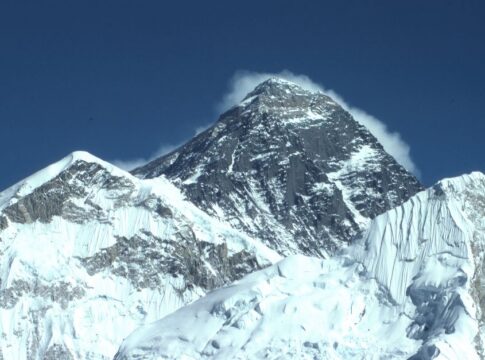
Mount Everest, standing at 8,848.86 meters (29,031.7 feet), officially had its height revised in 2020 after a joint survey by China and Nepal. The mountain’s height actually fluctuates due to tectonic plate activity, as the Indian plate continues pushing beneath the Eurasian plate at a rate of approximately 4-5 centimeters per year. Additionally, the 2015 Nepal earthquake caused Everest to shift slightly southwest, though it didn’t significantly alter its overall height. The peak continues to grow by roughly 4 millimeters annually, making it a living testament to Earth’s dynamic geological processes.
2. K2’s Deadlier Reputation Than Everest
K2, the world’s second-highest peak at 8,611 meters (28,251 feet), holds a far more dangerous climbing record than Mount Everest. Approximately one in four climbers who attempt to reach K2’s summit die in the process, compared to Everest’s fatality rate of around 1 in 60. Located on the Pakistan-China border, K2 has never been successfully summited during winter until 2021, when a team of Nepali climbers achieved this historic feat. The mountain’s extreme weather patterns, technical climbing difficulties, and remote location contribute to its fearsome reputation among mountaineers.
3. Kangchenjunga’s Sacred Status and Climbing Respect
The world’s third-highest mountain, Kangchenjunga, rises to 8,586 meters (28,169 feet) on the border between Nepal and India. What makes this peak unique is that climbers traditionally stop just short of the actual summit out of respect for local religious beliefs. The mountain is considered sacred by the people of Sikkim and Nepal, and the first successful ascent in 1955 established the tradition of not stepping on the true summit. This practice continues today, making Kangchenjunga the only “eight-thousander” where the actual highest point remains untouched by human feet.
4. The Fourteen Eight-Thousanders Club
There are exactly fourteen mountains on Earth exceeding 8,000 meters (26,247 feet) in elevation, all located in the Himalayan and Karakoram ranges of Asia. These peaks represent the ultimate challenge for elite mountaineers, with only a select few climbers having successfully summited all fourteen. The first person to achieve this feat was Italian climber Reinhold Messner in 1986, taking 16 years to complete. The fastest completion belongs to Nepali climber Nirmal Purja, who summited all fourteen in just 6 months and 6 days in 2019, a record that stunned the mountaineering world.
5. Lhotse’s Dangerous Proximity to Everest
Lhotse, standing at 8,516 meters (27,940 feet), is the fourth-highest mountain and shares much of its climbing route with Mount Everest up to Camp 3. Despite being connected to Everest via the South Col, Lhotse presents unique challenges, particularly its notorious Lhotse Face—a steep wall of glacial ice that has claimed numerous lives. The mountain’s main summit was first reached in 1956, but its Middle summit (8,410 meters) wasn’t successfully climbed until 2001, making it one of the last major Himalayan peaks to be conquered.
6. Makalu’s Perfect Pyramid Shape
Makalu, the fifth-highest peak at 8,485 meters (27,838 feet), is renowned for its distinctive pyramid shape and knife-edge ridges. Located just 19 kilometers east of Everest, Makalu is considered one of the most difficult eight-thousanders to climb due to its technical challenges and unpredictable weather. The mountain stands alone, not part of a massif, making its symmetrical form visible from great distances. First summited in 1955 by a French expedition, Makalu has one of the lower success rates among the world’s highest peaks, with only about 30% of attempts reaching the summit.
7. Cho Oyu’s Status as the Easiest Eight-Thousander
At 8,188 meters (26,864 feet), Cho Oyu is the sixth-highest mountain and is widely regarded as the most accessible of the fourteen eight-thousanders. Its name means “Turquoise Goddess” in Tibetan, and it straddles the border between Nepal and China. The mountain’s northwest ridge route presents fewer technical challenges compared to other giants, making it a popular choice for climbers preparing for Everest or seeking to summit an 8,000-meter peak. Despite this reputation, Cho Oyu still requires significant mountaineering experience and should never be underestimated, as altitude-related dangers remain severe.
8. Dhaulagiri’s Extreme Weather Patterns
Dhaulagiri I, at 8,167 meters (26,795 feet), is the seventh-highest mountain and experiences some of the most severe and unpredictable weather conditions of all the major peaks. Its name means “White Mountain” in Sanskrit, and it was once thought to be the world’s highest peak until surveys in the 1850s proved otherwise. The mountain’s isolated position makes it particularly vulnerable to fierce winds and sudden storms. The first successful ascent in 1960 pioneered the use of aircraft support for high-altitude mountaineering, as a small plane landed supplies at 5,750 meters—a historic moment in climbing logistics.
9. Manaslu’s Growing Popularity Among Climbers
Manaslu, standing at 8,163 meters (26,781 feet), has emerged as an increasingly popular alternative to more crowded peaks like Everest. As the eighth-highest mountain, it offers a challenging yet achievable climb for experienced mountaineers. Located in the Mansiri Himal range of Nepal, its name derives from the Sanskrit word “Manasa,” meaning “Mountain of the Spirit.” The peak was first climbed in 1956 by a Japanese expedition, and Japan maintains a special connection to this mountain. Recent years have seen a significant increase in climbing permits, though the mountain still retains a sense of remoteness and adventure.
10. Nanga Parbat’s Killer Mountain Legacy
Nanga Parbat, the ninth-highest peak at 8,126 meters (26,660 feet), earned the grim nickname “Killer Mountain” due to the numerous deaths that occurred during early climbing attempts. Located in Pakistan, it marks the western anchor of the Himalayas and features one of the world’s largest mountain faces—the Rupal Face rises 4,600 meters above its base. The first successful ascent came in 1953 by Austrian climber Hermann Buhl in a solo push to the summit, considered one of mountaineering’s greatest achievements. The mountain’s dramatic relief and exposure to severe weather continue to make it one of the most dangerous climbs in the world.
Understanding the Significance of These Giants
These ten facts about the world’s tallest peaks reveal that these mountains are far more than mere statistics. They represent ongoing geological processes, cultural significance, human ambition, and the raw power of nature. Each peak possesses its own character, challenges, and stories that have shaped mountaineering history. From Everest’s growing height to K2’s deadly reputation, from Kangchenjunga’s sacred summit to Nanga Parbat’s fearsome walls, these mountains continue to test the limits of human endurance and technological advancement. Understanding these facts provides deeper appreciation for both the natural wonders themselves and the remarkable individuals who dare to climb them, contributing to our knowledge of Earth’s most extreme environments.