
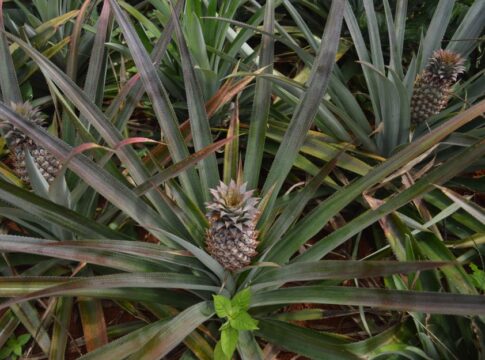
Why Pineapples Take Two Years to Grow: The Patience Fruit
By Trivia Daily, Staff Writer — Published July 30, 2026
Table of Contents
- Key Takeaways
- Why Pineapples Take Years: The Growth Stages Explained
- The Single-Fruit Phenomenon
- Environmental Factors That Slow Growth
- Comparing Pineapple Growth to Other Tropical Fruits
- Historical Impact of the Long Growing Time
- Frequently Asked Questions
Plucking a pineapple from a supermarket shelf takes seconds, but growing one from start to harvest is an exercise in botanical patience. Most people are surprised to discover that pineapples take years—typically 18 to 24 months—to produce a single fruit. Unlike apples or strawberries that reward growers with annual harvests, the pineapple demands commitment, careful tending, and time. This fascinating timeline reveals why pineapples were once symbols of wealth and hospitality, and why understanding their growth cycle helps us appreciate every spiky crown and golden bite.
The extended growing period isn’t a flaw in the pineapple’s design. It’s a reflection of how this tropical plant evolved to thrive in specific conditions, investing enormous energy into producing one spectacular fruit per plant. Let’s explore the surprising facts behind this patience fruit.
Key Takeaways
- Pineapples require 18 to 24 months from planting to harvest, making them one of the slowest-maturing fruits in commercial agriculture.
- Each pineapple plant produces only one fruit per growing cycle, though the plant can generate offshoots for future harvests.
- The fruit develops from a flower cluster containing up to 200 individual flowers that fuse together during development.
- Temperature, rainfall, and soil conditions dramatically affect growth speed, with ideal conditions found in tropical regions between 20°C and 30°C.
- Commercial growers can artificially induce flowering to control harvest timing, but the fruit still needs many months to mature properly.
- Pineapple plants are bromeliads, related to Spanish moss and air plants, not trees despite their substantial size.
Why Pineapples Take Years: The Growth Stages Explained
The pineapple’s lengthy timeline breaks down into distinct phases. After planting, the first 12 to 16 months involve vegetative growth—the plant focuses entirely on establishing a robust root system and producing its characteristic spiral of spiky leaves. During this phase, no fruit appears. The plant is building the infrastructure needed to support fruit development.
These sword-shaped leaves aren’t just decorative. They act as water collectors, funneling rainfall toward the plant’s central cup. The leaves also perform photosynthesis at impressive rates, storing energy as carbohydrates that will later fuel fruit production. A mature pineapple plant can have 70 to 80 leaves arranged in a precise mathematical spiral.
Flowering marks the transition to the reproductive phase. The plant sends up a central stalk topped with a cluster of small purple or red flowers. Each tiny flower will become a fruitlet, and these fruitlets fuse together as they develop, creating the compound fruit we recognize. This flowering stage typically occurs naturally after 16 to 18 months, though commercial operations often trigger it artificially using ethylene gas or calcium carbide treatments.
Once flowering begins, fruit development takes another five to seven months. The pineapple swells slowly, its hexagonal pattern becoming more pronounced as the fruitlets expand and merge. The fruit must accumulate sufficient sugars and acids to develop its characteristic flavor profile—a process that simply cannot be rushed without sacrificing quality.
The Single-Fruit Phenomenon
One of the most interesting facts about pineapple cultivation is the plant’s singular focus. After investing nearly two years of growth, a pineapple plant produces exactly one fruit. This seems inefficient compared to apple trees that bear hundreds of fruits annually for decades, or tomato plants that produce throughout a growing season.
The reason lies in the pineapple’s evolutionary strategy. As a bromeliad native to South America, the pineapple evolved in environments where resources could be scarce. Producing one large, energy-rich fruit with hundreds of seeds (though modern cultivated varieties are seedless) was more advantageous than many small fruits. The plant puts all its resources into creating a fruit so attractive that animals would disperse it widely.
However, the story doesn’t end after harvest. The mother plant produces offshoots called suckers, slips, and crowns. These clones can be removed and planted to start new pineapple plants, though they also require the full 18 to 24 months to reach maturity. Some growers leave the main stump in the ground, allowing it to produce a second, smaller fruit called a ratoon crop after another 12 to 18 months.
Environmental Factors That Slow Growth
Temperature plays a crucial role in determining how quickly pineapples mature. The plants grow best in consistently warm conditions. Below 20°C, growth slows dramatically. Above 35°C, plants experience stress that can delay fruiting. This narrow comfort zone explains why commercial pineapple production concentrates in tropical regions like Hawaii, Costa Rica, the Philippines, and Thailand.
Water availability affects the timeline too. Pineapples are remarkably drought-tolerant thanks to their CAM photosynthesis pathway, which allows them to close their stomata during the day and conserve water. But insufficient rainfall during critical growth phases extends the time to maturity. Too much water, however, causes root rot and other diseases that can kill plants before they fruit.
Soil quality matters less than you might expect. Pineapples tolerate poor soils better than most crops, thriving in sandy or volcanic substrates with good drainage. But nutrient deficiencies, particularly nitrogen and potassium, slow growth and reduce fruit size. Commercial operations carefully manage fertilization schedules to optimize the growth timeline without compromising fruit quality.
Comparing Pineapple Growth to Other Tropical Fruits
| Fruit | Time to First Harvest | Fruits Per Plant/Tree |
|---|---|---|
| Pineapple | 18-24 months | 1 per cycle |
| Banana | 9-12 months | 100-200 per bunch |
| Papaya | 6-9 months | 50-150 per year |
| Mango | 3-5 years | 100-300 per year (mature tree) |
| Passion Fruit | 6-8 months | 200-300 per year |
This comparison reveals that while pineapples take years relative to some tropical fruits, they mature faster than tree crops like mangoes. The key difference is the one-fruit-per-plant limitation, which requires growers to maintain large plantations to achieve commercial viability.
Historical Impact of the Long Growing Time
The pineapple’s extended growth period shaped its cultural significance. When European explorers brought pineapples back from the Americas in the 15th and 16th centuries, the fruit became an immediate sensation. But growing them in European climates proved nearly impossible without heated greenhouses called pineries.
In 18th-century England, successfully growing a pineapple required two years of careful temperature management, specialized facilities, and constant attention. The cost was astronomical—a single pineapple could cost the equivalent of several thousand dollars in today’s currency. Wealthy aristocrats displayed pineapples at parties as symbols of extreme luxury, sometimes renting them for display without even eating them.
This scarcity elevated the pineapple to a symbol of hospitality and welcome. Colonial Americans carved pineapples into gateposts and furniture. The fruit’s association with patience and successful cultivation made it an aspirational icon. Only with modern transportation and tropical agriculture did pineapples become accessible to average consumers.
Frequently Asked Questions
Can you speed up pineapple growth?
While commercial growers can induce flowering artificially using ethylene treatments, the fundamental growth timeline cannot be significantly shortened. Optimal growing conditions—warm temperatures, adequate water, and proper nutrients—ensure plants reach maturity in 18 months rather than 24, but trying to harvest earlier results in small, flavorless fruit.
Why don’t pineapples have seeds?
Commercial pineapple varieties have been selectively bred to be seedless through a process called parthenocarpy, where fruit develops without fertilization. Wild pineapples contain small, hard seeds, but seedless varieties are easier to eat and more desirable to consumers. Plants are propagated vegetatively using crowns and suckers instead.
How many times can a pineapple plant produce fruit?
A pineapple plant typically produces one main fruit, but after harvest, it can generate a ratoon crop—a second, smaller fruit—if left in the ground for another 12 to 18 months. Some plants produce a third crop, though yields diminish significantly. Most commercial operations replant after the first or second harvest for better productivity.
Do pineapples grow on trees?
No, pineapples grow on low-lying plants that reach about three to five feet tall. They are herbaceous perennials in the bromeliad family, not trees. The fruit develops at the center of the plant atop a sturdy stalk, surrounded by the plant’s spiky leaves. This common misconception likely stems from confusion with other tropical fruits that do grow on trees.
The next time you slice into a pineapple, consider the botanical patience behind that sweet, tangy flesh. Two years of tropical sun, careful water management, and one plant’s singular focus produced the fruit in your hand. In our world of instant gratification, the pineapple stands as a delicious reminder that some of the best things truly do come to those who wait.