










By TrivBits, Staff Writer — Published October 16, 2026
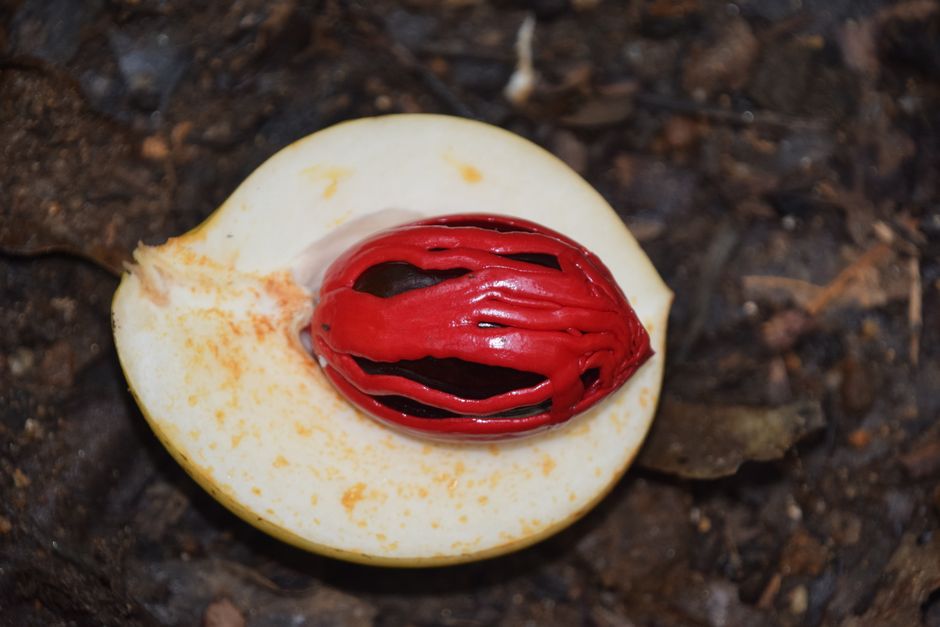
Table of Contents
- Key Takeaways
- Why Nutmeg Worth Gold Became Historical Reality
- The Bloody Competition for Spice Supremacy
- The Medical Myths and Culinary Truths
- How the Monopoly Finally Crumbled
- Comparing Historical Spice Values
- Frequently Asked Questions
- Sources
Did you know that a tiny seed once sparked wars, funded empires, and commanded prices higher than precious metals? The surprising truth about nutmeg worth gold is not a myth—it's a fascinating chapter in human history. For centuries, this unassuming spice drove European powers to wage brutal conflicts, establish colonial empires, and commit atrocities across distant islands. The economics were staggering: a pound of nutmeg purchased in the Banda Islands could be sold in Europe for a markup exceeding 60,000 percent.
What made this aromatic seed so valuable? The answer lies in scarcity, secrecy, and the human obsession with flavor and preservation in an age before refrigeration.
Key Takeaways
- Nutmeg grew exclusively in the Banda Islands of Indonesia for thousands of years, creating a natural monopoly that inflated prices astronomically.
- During the 17th century, nutmeg's value per pound often exceeded that of gold in European markets, making it one of history's most expensive commodities.
- European powers fought violent wars for control of nutmeg-producing islands, with the Dutch eventually establishing brutal dominance over the spice trade.
- The spice served both culinary and medicinal purposes, believed to cure plague, preserve meat, and demonstrate wealth and sophistication.
- The nutmeg monopoly collapsed when trees were smuggled to other tropical regions, democratizing access to this once-precious spice.
- Modern nutmeg costs mere dollars per pound—a dramatic reversal from its historical status as a luxury reserved for the wealthy elite.
Why Nutmeg Worth Gold Became Historical Reality
The nutmeg tree, Myristica fragrans, is remarkably particular about where it grows. For millennia, it flourished only in the tiny Banda Islands, a remote volcanic archipelago in what is now Indonesia. This geographic restriction created the ultimate supply bottleneck. Arab traders controlled the early spice routes, carefully guarding their sources. European merchants had no idea where nutmeg actually came from—they simply knew it arrived via complex trade networks spanning thousands of miles.
By the time nutmeg reached European markets in the Middle Ages, its price had been marked up through countless intermediaries. Scarcity breeds value. When supply is limited and demand is high, prices soar. Europeans craved nutmeg not just for flavor but for its supposed medicinal properties. Physicians prescribed it for everything from digestive ailments to plague prevention. Whether these treatments worked is debatable, but belief drove demand.
The wealthy displayed nutmeg as a status symbol. Some people carried personal nutmeg graters made of silver or gold, using them to add fresh spice to food and drinks at social gatherings. Owning nutmeg signaled you had money and connections. The spice was literally worth its weight in gold—and sometimes more.
The Bloody Competition for Spice Supremacy
Once Portuguese explorers reached the Banda Islands in 1512, European powers understood the source of their fortune. The race was on. Portugal, Spain, England, and the Netherlands all competed for control. The Dutch East India Company, however, proved most ruthless in securing the monopoly.
In 1621, Dutch forces under Jan Pieterszoon Coen committed mass atrocities against the Bandanese people. Thousands were killed, enslaved, or driven from their homeland. The Dutch replaced local populations with plantation slaves and imposed draconian measures to prevent nutmeg trees from spreading beyond their control. They burned excess nutmeg to keep prices artificially high. They executed anyone caught smuggling seeds or seedlings.
This wasn't merely about profit—it was about empire. Control of nutmeg meant control of wealth that could fund armies, navies, and colonial expansion. The English and Dutch even negotiated territorial swaps based on spice islands. In 1667, the Treaty of Breda saw the Dutch trade the island of Manhattan to the English in exchange for Run, a tiny Banda island that produced nutmeg. At the time, this seemed like a shrewd deal for the Dutch.
The Medical Myths and Culinary Truths
Medieval and Renaissance Europeans believed nutmeg possessed near-magical healing powers. Doctors recommended it for plague protection, leading to surges in demand during epidemics. People wore nutmeg in pouches around their necks as amulets. The wealthy added it to elaborate dishes and medicinal tonics.
Some beliefs had kernels of truth. Nutmeg does contain compounds with antimicrobial properties. It can aid digestion when used moderately. But it was no plague cure, despite desperate hopes. The medicinal reputation, however accurate or exaggerated, kept prices stratospheric.
Culinary applications were equally important. In an era without refrigeration, spices helped preserve meat and mask the taste of food beginning to spoil. Nutmeg's warm, sweet flavor enhanced both savory and sweet dishes. It became essential in European baking, sauces, and preserves. The spice represented culinary sophistication—a way for the nouveau riche to demonstrate their refined palates.
How the Monopoly Finally Crumbled
No monopoly lasts forever. Despite Dutch vigilance, nutmeg trees eventually escaped the Banda Islands. French botanist Pierre Poivre successfully smuggled nutmeg seedlings to Mauritius in the 1770s. The British transplanted trees to their colonies in Grenada, Sri Lanka, and other tropical territories. Once nutmeg grew in multiple regions, the price collapsed.
By the 19th century, nutmeg had transformed from an exotic luxury to a common pantry staple. The same spice that once funded empires became affordable to ordinary households. Grenada eventually became known as the "Isle of Spice," producing roughly one-third of the world's nutmeg supply by the late 20th century.
The economic reversal was complete. A commodity once worth more than gold now costs a few dollars per container at any grocery store. This democratization of flavor represents one of history's great equalizing shifts—when scarcity gave way to abundance.
Comparing Historical Spice Values
| Spice | Historical Peak Value | Primary Source Region | Key Historical Period |
|---|---|---|---|
| Nutmeg | Often exceeded gold per weight | Banda Islands, Indonesia | 15th-17th centuries |
| Cloves | Comparable to nutmeg pricing | Maluku Islands, Indonesia | 15th-17th centuries |
| Black Pepper | Used as currency in some regions | Malabar Coast, India | Ancient Rome through Medieval Europe |
| Saffron | Most expensive by weight today | Mediterranean, Middle East | Ancient to present |
Frequently Asked Questions
Was nutmeg actually more valuable than gold?
Yes, during certain periods in the 16th and 17th centuries, nutmeg's price per pound in European markets exceeded that of gold. The extreme markup from source to market—sometimes over 60,000 percent—made it one of history's most profitable commodities. However, this varied by location and time period, with prices fluctuating based on supply disruptions and demand spikes.
Why did nutmeg only grow in one place originally?
The nutmeg tree is highly sensitive to climate, soil, and environmental conditions. The Banda Islands provided the perfect combination of volcanic soil, tropical humidity, and temperature ranges. For thousands of years, these conditions existed nowhere else that humans had successfully cultivated the trees, creating a natural monopoly that lasted until deliberate transplantation efforts succeeded in the 18th century.
How did the Dutch maintain their nutmeg monopoly?
The Dutch East India Company employed brutal tactics including mass killings of indigenous Bandanese people, strict controls on nutmeg tree cultivation, destruction of excess crops to maintain high prices, and execution of anyone caught smuggling seeds. They treated nutmeg trees as state assets, monitoring and guarding them with military force for over a century.
Can you still visit the original nutmeg islands?
Yes, the Banda Islands remain part of Indonesia and can be visited today. They're a remote destination requiring boat or small plane access from larger Indonesian cities. The islands now focus on sustainable tourism and nutmeg cultivation, with historic Dutch colonial buildings and nutmeg plantations offering glimpses into this turbulent history. The population is a fraction of what it was before Dutch colonization.
