








By TrivBits, Staff Writer — Published October 3, 2026
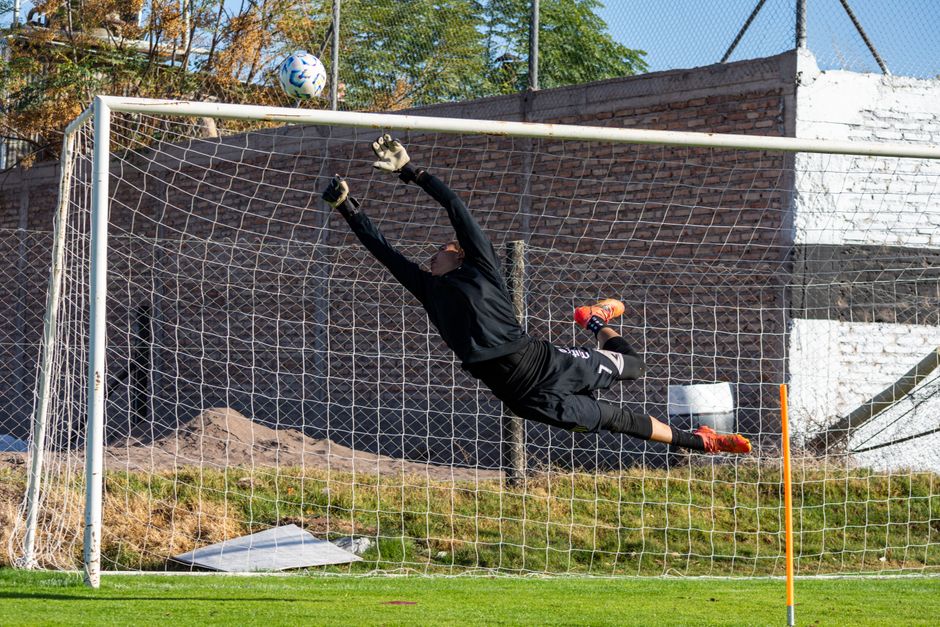
Table of Contents
- Key Takeaways
- When Soccer Goalies Wear Distinct Colors Became Mandatory
- The Practical Reasons Behind the Uniform Rule
- Myths and Truths About Goalkeeper Kit Regulations
- How Goalkeeper Jersey Regulations Work Today
- The Evolution of Goalkeeper Kit Design
- Frequently Asked Questions
- Sources
Did you know that soccer goalies wear different colored jerseys not just for style, but because the rules require it? The next time you watch a match and spot the goalkeeper standing out in neon yellow or bright orange, you're witnessing a regulation that transformed the sport. This seemingly simple uniform rule has a fascinating history rooted in fairness, clarity, and the evolution of the beautiful game.
The distinctive goalkeeper kit is one of soccer's most recognizable features. But this wasn't always the case, and the journey to today's colorful goalkeeper jerseys reveals surprising truths about how soccer's laws developed over more than a century.
Key Takeaways
- Goalkeepers are required by official soccer laws to wear colors that distinguish them from all other players and match officials on the field.
- The mandatory distinct goalkeeper jersey became an official FIFA requirement in 1909, though enforcement and standardization took decades to solidify.
- Before this rule, goalkeepers often wore the same colors as their teammates, creating confusion for players, referees, and spectators alike.
- The rule exists to ensure instant visual identification, helping referees make split-second decisions about handball violations and other goalkeeper-specific privileges.
- Modern goalkeepers typically have multiple jersey options per season to avoid color clashes with opposing teams and officials.
- The regulation has evolved to specify not just different colors, but colors that contrast with everyone else on the pitch, including the referee crew.
When Soccer Goalies Wear Distinct Colors Became Mandatory
The International Football Association Board (IFAB), soccer's rule-making body, introduced the requirement for goalkeepers to wear distinguishing colors in 1909. This marked a turning point in how the sport visually organized players on the pitch. Before this mandate, chaos occasionally reigned during matches when goalkeepers blended in with field players.
The early 1900s saw soccer transitioning from its informal origins into a more standardized global sport. Rules needed refinement. The goalkeeper position already had unique privileges—primarily the ability to handle the ball within the penalty area—but visual distinction lagged behind functional distinction. Referees struggled to track which player could legally use their hands, especially in fast-paced situations with players clustered near the goal.
Interestingly, even after 1909, widespread adoption took time. Many amateur leagues and lower-level competitions continued with mixed practices for years. The professionalization of soccer and the rise of international competitions gradually enforced stricter compliance. By the mid-20th century, the distinct goalkeeper jersey had become universal across all levels of organized play.
The Practical Reasons Behind the Uniform Rule
Why does this rule matter so much? The answer lies in the goalkeeper's unique role. Soccer's laws grant goalkeepers specific privileges unavailable to any other player. They can use their hands and arms to control the ball, but only within their designated penalty area. This creates an immediate need for instant visual recognition.
Referees must make rapid decisions. When a hand touches the ball, the official needs to know immediately whether it's legal or a handball violation. A distinctive jersey eliminates ambiguity. Players benefit too—teammates know exactly where their last line of defense stands, and opponents can identify the one player they cannot challenge in certain ways.
The contrast requirement extends beyond just the outfield players. Goalkeepers must also wear colors different from the match officials. Referees typically wear black, yellow, or other bright colors, so goalkeeper kits must avoid clashing with these as well. Teams usually prepare three or four different goalkeeper jerseys for each season to handle any possible combination of opponents and officials.
Myths and Truths About Goalkeeper Kit Regulations
One common misconception suggests goalkeepers must wear bright or fluorescent colors. Not true. The laws require only that the colors be distinguishable from others on the field. A goalkeeper could theoretically wear dark purple or burgundy if those colors don't match anyone else present. However, practical considerations push teams toward highly visible colors—bright yellow, neon green, orange, and electric blue dominate modern professional soccer.
Another interesting truth: the rule applies to all visible kit elements. Goalkeepers must differentiate their jersey, but also their shorts and socks when necessary. If an outfield player's kit combination too closely resembles the goalkeeper's overall appearance, adjustments must be made. This comprehensive approach ensures no confusion exists from any viewing angle.
Some believe the rule emerged because of a specific famous incident or controversial match. While appealing, this origin story lacks verification. The truth is more mundane but equally fascinating—the rule developed as part of soccer's broader standardization movement, addressing a practical need identified through years of match experience rather than one dramatic moment.
How Goalkeeper Jersey Regulations Work Today
Modern soccer laws, maintained by IFAB and enforced by FIFA, contain specific language about goalkeeper attire. Law 4 of the Laws of the Game addresses player equipment and explicitly states that each goalkeeper must wear colors that distinguish them from other players and match officials. The consequences for violation are straightforward: the player cannot participate until the issue is corrected.
Before matches, teams submit their planned kit combinations to officials. This pre-match coordination prevents conflicts. If both goalkeepers somehow selected similar colors, the away team's goalkeeper typically changes. Professional teams travel with multiple options specifically to handle these situations, which, while rare today, still occasionally occur.
The regulation also covers substitute goalkeepers. Any field player who assumes goalkeeping duties during a match must don a goalkeeper jersey before entering the penalty area to use their hands. This rule maintains the visual distinction principle even during emergency situations when a team's regular goalkeeper cannot continue.
The Evolution of Goalkeeper Kit Design
Early goalkeeper jerseys were simple affairs—typically heavy cotton in solid colors like green, blue, or grey. These choices reflected available fabric dyes and manufacturing limitations more than strategic thinking. As textile technology advanced, so did goalkeeper fashion.
The 1970s and 1980s brought bold patterns and multiple colors. Goalkeepers became walking art projects, sporting geometric designs, stripes, and wild color combinations. This era reflected broader fashion trends and the growing commercial importance of replica jersey sales. Iconic designs from this period remain beloved by soccer fans and collectors.
Modern goalkeeper kits balance visibility with performance. Advanced synthetic fabrics wick moisture and provide padding in high-impact areas. Color science influences design choices—certain hues are proven to stand out better under stadium lighting or on television broadcasts. Manufacturers invest significantly in making goalkeeper jerseys both functional and commercially appealing.
| Era | Typical Colors | Design Characteristics |
|---|---|---|
| Early 1900s-1950s | Green, grey, blue | Solid colors, heavy cotton, minimal design |
| 1960s-1970s | Yellow, orange, red | Introduction of synthetic fabrics, brighter colors |
| 1980s-1990s | Multi-color patterns | Bold geometric designs, commercial branding increases |
| 2000s-Present | Neon yellow, green, orange | High-visibility colors, performance fabrics, integrated padding |
Frequently Asked Questions
Can a goalkeeper wear the same color as their teammates?
No. Soccer's official laws explicitly require goalkeepers to wear colors that distinguish them from all field players, including their own teammates. This rule ensures referees and players can instantly identify the goalkeeper, who has unique privileges like handling the ball within the penalty area. Teams must coordinate kit selections before matches to prevent any color conflicts.
What happens if two goalkeepers wear similar colors?
When goalkeeper jersey colors are too similar, the away team's goalkeeper must change to an alternate kit. Professional teams carry multiple goalkeeper jersey options specifically for this situation. Match officials review kit selections before the game begins and require changes if any confusion could arise. The home team typically has priority in color selection.
Do youth and amateur leagues follow the same color rules?
Yes, the requirement for goalkeepers to wear distinguishing colors applies at all levels of organized soccer, from professional leagues to youth recreational programs. However, enforcement strictness may vary. While professional matches have officials carefully reviewing kit compliance, some casual youth games might be more flexible if proper equipment isn't available, though the rule technically still applies.
Why do goalkeepers often wear bright neon colors?
While the rules only require different colors, not specifically bright ones, teams choose highly visible neon yellows, greens, and oranges for practical reasons. These colors ensure maximum visibility under various lighting conditions and on television broadcasts. High visibility helps teammates locate their goalkeeper quickly during play and makes the goalkeeper stand out clearly in crowded penalty area situations.