









1 / 10 Questions
0 Points

What instrument typically has 47 strings and 7 pedals?

Pipe organ

Grand piano

Harpsichord

Concert harp

Points won
0
Correct score
0%

More Questions

More Articles

The Truth About Coca-Cola Dissolving Teeth Overnight

The Truth About Coca-Cola Dissolving Teeth Overnight

By TrivBits, Staff Writer — Published September 5, 2026
The Truth About Coca-Cola Dissolving Teeth Overnight — General trivia by TrivBits

Table of Contents

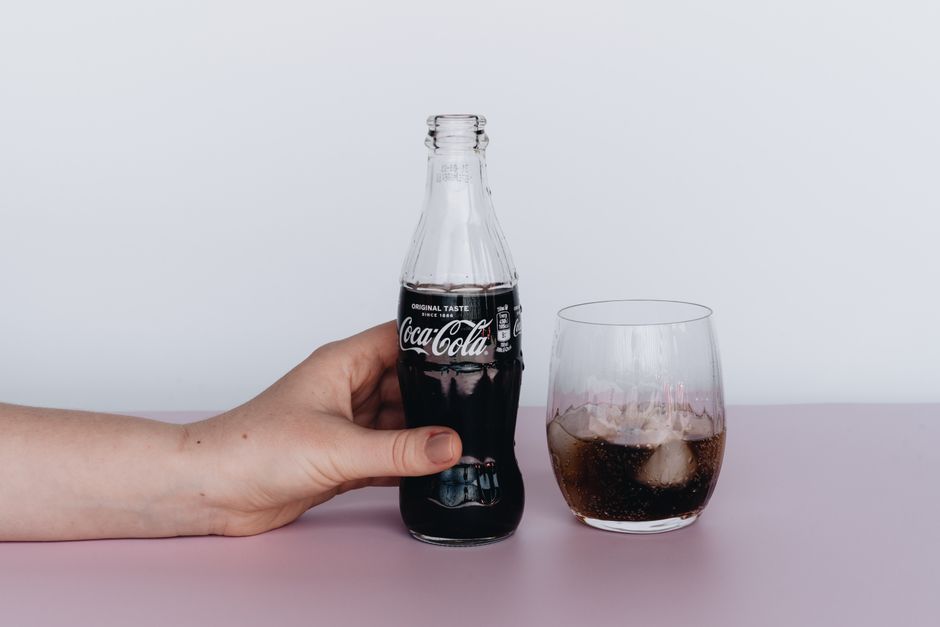
You've probably heard the claim: leave a tooth in a glass of Coca-Cola overnight, and by morning it will have dissolved into nothing. This urban legend has circulated for decades, often shared as a cautionary tale about the dangers of soda. But what's the truth about Coca-Cola and teeth? Did you know that this popular myth contains both surprising facts and significant exaggerations? The reality is more nuanced than the sensational stories suggest, and understanding what actually happens reveals some interesting truths about chemistry, dental health, and how myths take root in our collective imagination.

The experiment itself is real—people have soaked teeth in cola for extended periods. But the dramatic results often described don't match what actually occurs. Let's separate the verifiable facts from the fiction.

Key Takeaways

  • Coca-Cola will not dissolve a tooth overnight; the process of dental erosion takes much longer and requires specific conditions.
  • Cola does contain phosphoric and citric acids that can weaken tooth enamel over time with repeated exposure.
  • The pH level of Coca-Cola is around 2.5, making it acidic, but far less corrosive than stomach acid, which your body handles daily.
  • Real-world tooth damage from soda depends on frequency, duration of contact, and oral hygiene habits—not single exposures.
  • Many other common beverages, including fruit juices and sports drinks, have similarly acidic pH levels.
  • The overnight dissolution myth likely stems from misunderstanding laboratory demonstrations and exaggerating legitimate dental concerns.

The Truth About Coca-Cola's Acidity and What It Actually Does

Coca-Cola contains carbonic acid (from carbonation), phosphoric acid, and citric acid. These give it a pH of approximately 2.5, which is indeed acidic. For context, pure water has a neutral pH of 7, while battery acid sits around 1. So yes, cola is acidic—but that alone doesn't tell the whole story.

When you place a tooth in cola for extended periods—days or weeks, not hours—the acids can gradually demineralize the enamel. The surface becomes softer and may show signs of erosion. But complete dissolution? That's where the myth diverges from reality. Tooth enamel is the hardest substance in the human body, composed primarily of hydroxyapatite crystals. It's remarkably resilient.

In laboratory settings, researchers have demonstrated that prolonged exposure to acidic beverages does cause measurable enamel erosion. However, these experiments typically involve continuous immersion for days or weeks, conditions that don't reflect how people actually drink soda. You sip a beverage, swallow it, and your saliva immediately begins neutralizing any remaining acid while remineralizing your teeth.

Why the Overnight Myth Persists Despite the Facts

The dramatic image of a dissolving tooth makes for a memorable warning. It's visceral. Shocking. Easy to share. But memorable doesn't mean accurate.

This myth likely gained traction from several sources. Science teachers sometimes conduct demonstrations soaking eggs (which have calcium-based shells similar in composition to teeth) in cola to show acid erosion. Over several days, the eggshell softens and the surface breaks down—a valid demonstration of acid-base chemistry. But somewhere in the retelling, "softens over days" became "dissolves overnight," and eggs became teeth.

There's also the human tendency toward health anxiety and moral panic about popular products. Coca-Cola, as one of the world's most recognized brands, makes an easy target. The myth serves a purpose: it's a cautionary tale parents tell children, a way to discourage excessive soda consumption. The intention may be good, even if the facts are stretched.

Comparing Coca-Cola to Other Acidic Beverages

Here's something that might surprise you: Coca-Cola isn't uniquely destructive compared to other common drinks. Many beverages you might consider "healthy" have similar or even lower pH levels.

Beverage Approximate pH Acidity Level
Battery Acid 1.0 Extremely acidic
Lemon Juice 2.0 Very acidic
Coca-Cola 2.5 Very acidic
Orange Juice 3.5 Acidic
Sports Drinks 3.0-4.0 Acidic
Coffee 5.0 Mildly acidic
Water 7.0 Neutral

Orange juice, apple juice, and sports drinks all pose similar erosion risks. Yet we don't hear urban legends about teeth dissolving in Gatorade. The focus on cola specifically reveals how myths target familiar scapegoats rather than following the science consistently.

What Really Damages Teeth: Understanding Dental Erosion

Dental erosion is real, and acidic beverages do contribute to it. But the mechanism matters. Erosion occurs when acids soften enamel, making it more susceptible to wear. The critical factors include:

Frequency of exposure matters more than single instances. Sipping soda throughout the day bathes your teeth in acid repeatedly, preventing your saliva from doing its protective work. Drinking the same amount quickly, followed by water, causes far less damage.

Duration of contact is crucial. Holding soda in your mouth or swishing it around extends acid exposure. Swallowing promptly minimizes contact time.

Your mouth's natural defenses are surprisingly effective. Saliva contains minerals that help repair early enamel damage and buffers that neutralize acids. Your body is designed to handle dietary acids—within reason.

Brushing immediately after consuming acidic drinks can actually cause more harm. The acid temporarily softens enamel, and brushing at that moment can abrade the weakened surface. Dentists recommend waiting at least 30 minutes, rinsing with water instead.

The Real Risks and How to Minimize Them

None of this means acidic beverages are harmless. Excessive consumption of soda—or fruit juice, or sports drinks—does increase the risk of dental erosion and cavities. The sugar content in most sodas feeds bacteria that produce even more acid. It's a double threat.

But context matters. Occasional soda consumption as part of a balanced diet, combined with good oral hygiene, doesn't doom your teeth to destruction. Drinking through a straw reduces contact with tooth surfaces. Rinsing with water afterward helps neutralize acids. Regular dental care catches problems early.

The overnight dissolution myth, while false, points toward a legitimate concern. It's the exaggeration that's problematic, not the underlying message that acids can affect dental health. Understanding the actual mechanisms helps people make informed choices without resorting to scary myths.

Frequently Asked Questions

Can Coca-Cola really dissolve a tooth if left long enough?

Extended immersion over many days or weeks can cause significant enamel erosion and breakdown, but complete dissolution requires much longer than overnight or even several days. The dramatic overnight claim is false, though prolonged exposure does cause measurable damage under laboratory conditions that don't reflect normal consumption.

Is Coca-Cola more damaging to teeth than other sodas?

Not particularly. Most sodas have similar acidity levels, and both the acid and sugar content contribute to potential dental problems. Clear sodas, diet sodas, and colas all pose similar erosion risks. The sugar-free versions eliminate the cavity-causing bacteria food but retain the acidic properties.

Why do some people claim they've seen teeth dissolve in cola?

Long-term experiments (weeks or months) do show visible enamel breakdown, and these results sometimes get misreported as happening "overnight." Additionally, demonstrations using eggshells or already-damaged teeth can produce more dramatic results that don't represent what happens to healthy teeth under normal conditions.

What's the safest way to drink soda if I want to protect my teeth?

Drink it relatively quickly rather than sipping over hours, use a straw to minimize tooth contact, rinse your mouth with water afterward, and wait at least 30 minutes before brushing. Limiting frequency matters more than occasionally enjoying a soda—daily exposure causes far more cumulative damage than weekly consumption.

The truth about Coca-Cola and teeth is less sensational than the myth but more useful. Understanding the real science helps you make better choices without unnecessary fear. Your teeth are tougher than you might think, and your body's defenses are remarkable—but they work best when you work with them, not against them.
Sources

Basketball Invented With Peach Baskets: 9 Game Origins

Basketball Invented With Peach Baskets: 9 Game Origins

By TrivBits, Staff Writer — Published October 4, 2026

Basketball Invented With Peach Baskets: 9 Game Origins — Sports trivia by TrivBits

Table of Contents

Did you know that basketball invented peach baskets as goals started with a gym teacher trying to keep rowdy students occupied during cold Massachusetts winters? The sport we recognize today—with its slam dunks, three-pointers, and squeaking sneakers—began in 1891 with two fruit baskets nailed to a gymnasium balcony. What's surprising is just how different the original game looked from modern basketball, and how many interesting truths about its creation remain unknown to even dedicated fans.

James Naismith, a Canadian physical education instructor, created basketball in just two weeks. His mission? Invent an indoor game that would keep athletes active between football and baseball seasons. The myths surrounding basketball's birth are plentiful, but the facts reveal a fascinating story of innovation, adaptation, and accidental genius.

Key Takeaways

  • Basketball was invented in December 1891 using actual peach baskets as goals, requiring someone to retrieve the ball after each score
  • The original game had 13 basic rules and was played with a soccer ball, not a basketball
  • Early games featured nine players per team, not the five we see today
  • The peach basket design created unique gameplay challenges that lasted for over a decade
  • Many modern rules evolved from practical solutions to problems Naismith never anticipated
  • The game spread internationally within just a few years of its invention

Basketball Invented Peach Baskets: The Original Equipment

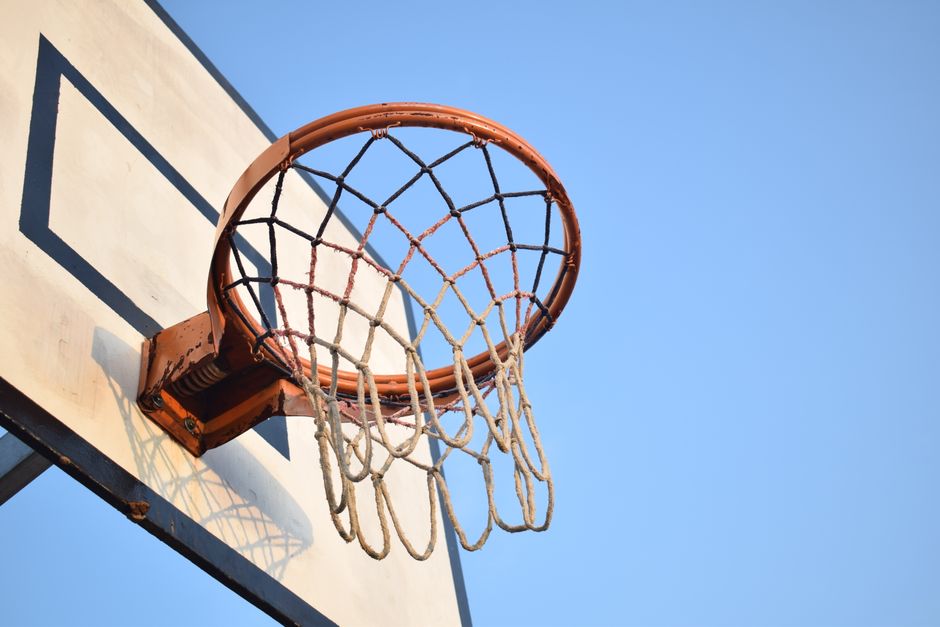
James Naismith literally asked the school janitor for two boxes to use as goals. The janitor couldn't find boxes but offered peach baskets instead. Those baskets, nailed to the lower rail of the gymnasium balcony at approximately 10 feet high, became basketball's first hoops. That height wasn't chosen through careful calculation or testing—it simply matched the height of the balcony railing.

Here's the kicker: the baskets had closed bottoms. Every time someone scored, play stopped completely while someone climbed a ladder to retrieve the ball. Imagine the pace of that game! This continued for roughly a year before someone had the brilliant idea to cut a hole in the bottom. Even then, a chain pulled the bottom open and closed for several more years before open-rim nets became standard.

1. The First Game Used a Soccer Ball

No specially designed basketball existed in 1891. Naismith and his students played with a soccer ball, which was rounder and less bouncy than modern basketballs. The ball's design influenced early gameplay significantly—dribbling as we know it was nearly impossible and wasn't part of the original game. Players could only advance the ball by passing, creating a very different style of play. The first actual basketball wasn't manufactured until roughly three years after the game's invention, and even those early balls were laced like footballs, creating unpredictable bounces.

2. Thirteen Original Rules Governed Everything

Naismith typed up 13 fundamental rules before the first game. These weren't complex regulations but simple guidelines designed to prevent the roughness of rugby and football. Running with the ball was forbidden. No shouldering, holding, pushing, tripping, or striking opponents was allowed. Fouls were penalized, and three consecutive fouls by one team gave the opponents a goal. The ball could be batted or thrown in any direction using one or both hands, but never with a fist. Some of these rules remain essentially unchanged today, over 130 years later.

3. Nine Players Per Side Started the Tradition

The first official basketball game featured 18 players total—nine on each team. Why nine? Naismith had 18 students in his class that day. The number wasn't based on optimal gameplay or court dimensions but pure practicality. As the sport evolved and spread to smaller schools with fewer students and smaller gymnasiums, teams experimented with seven players, then five. The five-player standard emerged organically over the next several years and was eventually codified, but early games could be chaotic affairs with nearly 20 people crowding a small gym floor.

4. The First Public Game Drew Exactly 200 Spectators

Basketball's public debut occurred in March 1892, just months after its invention. Approximately 200 people attended, mostly students and faculty. The students defeated the teachers in that game, sparking immediate interest. What's fascinating is how quickly news spread despite the absence of internet or television—within weeks, other schools were requesting copies of Naismith's rules. The YMCA network played a crucial role, as Naismith worked at the International YMCA Training School (now Springfield College), and YMCA chapters worldwide began adopting the game almost immediately.

5. Women Played Basketball Within Months of Its Invention

This trivia surprises many people. Women began playing basketball in 1892, less than a year after Naismith invented the game. Senda Berenson, a physical education teacher at nearby Smith College, adapted Naismith's rules for female students. Her version divided the court into three sections, and players couldn't leave their assigned zone—a rule that persisted in women's basketball for decades. The rapid adoption by women's colleges demonstrates how desperately educators wanted athletic activities suitable for indoor winter exercise, regardless of gender.

6. Backboards Were Added to Stop Interference

The original peach baskets had no backboards. Spectators sitting in the balcony behind the baskets would reach over and deflect shots—helping their team or hindering opponents. This "fan interference" became so problematic that facilities began installing wire mesh screens, then wooden boards, behind the goals. These backboards accidentally created a new dimension to the game: bank shots. Players discovered they could bounce the ball off the board and into the basket, a technique never imagined in Naismith's original design. What started as crowd control became fundamental to basketball strategy.

7. Dribbling Was Not Part of the Original Game

Early basketball prohibited moving with the ball entirely. Players caught the ball, stopped, and passed—that was it. Dribbling emerged as an unintended loophole when players discovered they could bat the ball to the floor, move, then catch it again. This wasn't technically running with the ball according to the rules. By the late 1890s, continuous dribbling evolved, though many purists considered it unsportsmanlike. The double-dribble rule was eventually created to prevent players from dribbling, stopping, then dribbling again. Modern basketball's emphasis on ball-handling skills emerged from what was essentially a rules exploit.

8. The First Basketball Games Were Low-Scoring Affairs

That first game in December 1891 ended with a score of 1-0. One basket. Total. The final score came in the last moments of play. Several factors contributed to low scoring: the soccer ball was difficult to shoot accurately, the 10-foot height was challenging, players were still learning, and remember—they had to stop and retrieve the ball from a closed basket after every score. Even after the game evolved, scores in the single digits or low teens remained common for years. The concept of a 100-point game would have seemed absurd to early players.

9. Basketball Spread Globally Within Five Years

By 1896, basketball was being played in China, India, Japan, and Persia (modern-day Iran). The YMCA's international network deserves credit for this remarkable spread. YMCA instructors trained at Springfield brought the game to their home countries and new postings. Unlike sports that required expensive equipment or large outdoor fields, basketball needed only a ball and two baskets in any indoor space. This accessibility made it perfect for urban areas and schools worldwide. The game that Naismith invented to solve a local problem in Massachusetts became a global phenomenon faster than almost any sport in history.

How the Game Evolved From Peach Baskets

The transition from peach baskets to metal hoops took longer than you might expect. Closed-bottom baskets persisted in some locations until around 1906, fifteen years after the game's invention. Metal rims with cord netting appeared in the late 1890s, but adoption was gradual. Budget constraints meant many schools and YMCAs continued using whatever baskets they had available.

The shift to open nets fundamentally changed basketball's pace. Games became faster, more dynamic, and higher-scoring. The constant interruptions for ball retrieval had created natural rest periods; without them, basketball became the continuous, fast-paced game we recognize today. This seemingly simple equipment change transformed the sport's entire character.

Comparing Original Basketball to Modern Rules

Aspect Original Game (1891) Modern Basketball
Ball Type Soccer ball Specialized basketball
Players Per Team Nine (varied) Five
Goals Peach baskets with closed bottoms Metal rims with open nets
Dribbling Not allowed/not part of game Essential skill
Backboards None Regulation glass or wood
Typical Score Single digits 80-120 points (professional)

Frequently Asked Questions

Why did James Naismith choose peach baskets specifically?

Naismith didn't specifically choose peach baskets—he asked the janitor for boxes to use as goals, and peach baskets were simply what was available. The choice was entirely practical and accidental. The 10-foot height was also accidental, matching the height of the gymnasium balcony railing where they were nailed. This random height became the permanent standard still used today.

How long did it take before someone cut holes in the bottom of the baskets?

Players used closed-bottom peach baskets for approximately one year before someone cut holes in the bottoms. Even then, the solution wasn't perfect—they used a chain-pull system to open and close a hinged bottom for several more years. Fully open nets didn't become standard until the early 1900s, roughly a decade after basketball's invention.

What happened to the original peach baskets used in the first game?

The actual peach baskets from the first game were not preserved. No one anticipated that basketball would become a global sport, so the baskets were likely discarded when they wore out or were replaced with better equipment. This was common for early sports equipment—preservation wasn't a priority when the items were considered ordinary school supplies.

Could you score three-point shots in original basketball?

No, all baskets counted equally in original basketball. The three-point line wasn't introduced to professional basketball until 1979 in the NBA (the ABA used it earlier in the 1960s). Early basketball had no concept of scoring different point values based on shooting distance. Even the free throw, worth one point, wasn't part of Naismith's original 13 rules but was added shortly after as a penalty system evolved.

Sources