
By TrivBits, Staff Writer — Published October 12, 2026
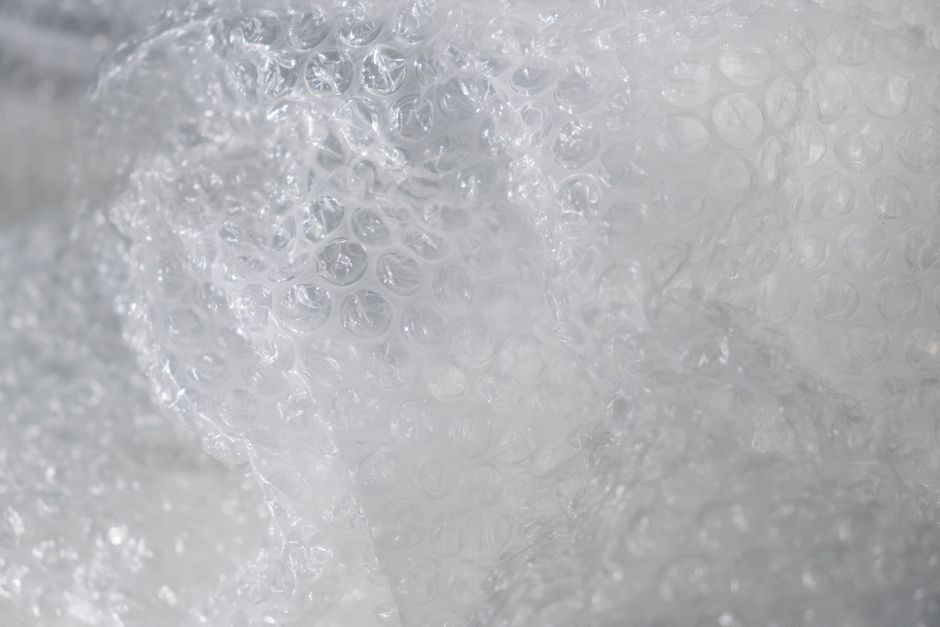
Table of Contents
- Key Takeaways
- What Causes Bubble Wrap to Make That Satisfying Pop
- The Physics of Pressure Release and Sound Generation
- Why Our Brains Find Popping So Satisfying
- Bubble Wrap Engineering and Manufacturing Facts
- The Unpoppable Revolution and Alternative Designs
- Frequently Asked Questions
- Sources
Few things are as universally satisfying as popping bubble wrap. That sharp, crisp snap is oddly therapeutic, turning a simple packing material into an irresistible stress reliever. But what causes bubble wrap to produce that distinctive sound? The answer lies in fascinating air physics, material science, and the rapid release of pressurized air. Did you know the pop you hear isn’t just air escaping—it’s a miniature sonic event involving pressure waves and plastic membranes behaving in surprising ways?
Understanding the mechanics behind this everyday pleasure reveals interesting truths about how materials respond to stress and how sound travels through different mediums. Let’s explore the unknown physics that transform a simple squeeze into an auditory reward.
Key Takeaways
- Bubble wrap pops create sound through the sudden rupture of pressurized air pockets sealed between plastic films.
- The distinctive snap results from rapid pressure equalization and vibration of the plastic membrane.
- Each bubble contains air at slightly higher than atmospheric pressure, compressed during the manufacturing process.
- The sound frequency depends on bubble size, plastic thickness, and how quickly the membrane ruptures.
- Modern “unpoppable” bubble wrap uses connected air channels rather than sealed individual bubbles.
- The satisfying nature of popping is partly psychological—our brains reward us for completing small, predictable tasks.
What Causes Bubble Wrap to Make That Satisfying Pop
The bubble wrap popping sound originates from a rapid sequence of physical events happening in milliseconds. Each bubble is essentially a tiny pressurized chamber formed by two layers of polyethylene plastic film sealed together. When manufactured, air gets trapped inside these pockets at a pressure slightly above normal atmospheric pressure—typically around 1.1 to 1.3 times standard air pressure.
When you squeeze a bubble, you’re applying force to this sealed chamber. The plastic stretches initially, but polyethylene has limits. Once the stress exceeds what the material can handle, the membrane ruptures catastrophically. This isn’t a slow leak. The plastic tears open in microseconds, creating an instant pathway for the pressurized air to escape into the surrounding atmosphere.
The pop you hear is actually a combination of two sound sources. First, the tearing plastic itself vibrates as it breaks, generating high-frequency sound waves. Second, and more importantly, the sudden pressure equalization creates a shock wave—a rapid movement of air molecules from high pressure to low pressure. This pressure wave radiates outward as audible sound, similar in principle to how thunder forms, though obviously on a much smaller scale.
The Physics of Pressure Release and Sound Generation
Sound is fundamentally about moving air molecules. When a bubble ruptures, the pressurized air inside expands explosively into the lower-pressure environment outside. This expansion happens faster than the speed at which pressure changes normally propagate through air, creating what physicists call a pressure discontinuity.
The frequency and loudness of the pop depend on several factors. Larger bubbles contain more air volume and generally produce lower-frequency, louder pops. Smaller bubbles release less air and create higher-pitched sounds. The thickness of the plastic film matters too—thicker material requires more force to rupture and may produce different tearing patterns, affecting the sound quality.
Temperature plays an interesting role in bubble wrap physics. Warmer plastic is more flexible and may stretch further before breaking, potentially changing the pop characteristics. Cold bubble wrap becomes more brittle, sometimes shattering rather than tearing cleanly. The air inside also expands and contracts with temperature following the ideal gas law, affecting internal pressure.
Why Our Brains Find Popping So Satisfying
The appeal of bubble wrap popping extends beyond mere physics into psychology. Human brains are wired to appreciate cause-and-effect relationships, especially when they’re immediate and predictable. Press bubble, get pop. This direct feedback loop triggers small dopamine releases associated with accomplishment and control.
Repetitive behaviors with predictable outcomes can reduce stress and anxiety. The uniform nature of bubble wrap—rows of identical bubbles each promising the same satisfying result—makes it particularly effective for this purpose. Some researchers compare the appeal to other repetitive stress-relief activities like clicking pens or fidget toys.
There’s also a mild element of destruction involved. Popping bubbles is technically breaking something, which can provide psychological release. But unlike truly destructive acts, it’s socially acceptable, harmless, and often done with material destined for recycling anyway. This combination makes it a guilt-free pleasure.
Bubble Wrap Engineering and Manufacturing Facts
Bubble wrap was invented in 1957 by engineers Alfred Fielding and Marc Chavannes, though they originally intended to create textured wallpaper. When that failed, they pivoted to marketing it as greenhouse insulation before discovering its true calling as protective packaging.
Modern bubble wrap manufacturing involves extruding melted polyethylene through specially designed rollers. One roller contains cylindrical protrusions that create the bubble shape, while suction pulls the plastic film into these cavities. A second layer of film is then heat-sealed over the top, trapping air inside each pocket. The process is continuous and remarkably fast, producing thousands of bubbles per minute.
Bubble sizes vary for different applications. Small bubbles (roughly 6-10mm diameter) work well for wrapping lightweight items and filling small spaces. Large bubbles (25mm or bigger) provide cushioning for heavier objects. Some specialty versions include anti-static bubble wrap for electronics or bubble wrap with different plastic formulations for specific temperature ranges.
The Unpoppable Revolution and Alternative Designs
In recent years, manufacturers developed “unpoppable” bubble wrap that frustrates traditional poppers but offers practical advantages. Instead of sealed individual bubbles, this design uses interconnected air channels. Squeezing one area pushes air into adjacent sections rather than rupturing the plastic. The cushioning effect remains, but the satisfying pop disappears.
Why create unpoppable bubble wrap? Shipping efficiency. Traditional bubble wrap with popped bubbles loses its protective value and takes up significant space. The new design ships flat, inflates when needed, and maintains cushioning even after compression. It’s also easier to recycle since it deflates completely.
For those who miss the therapeutic popping, some companies now produce “popping toys” that simulate the experience with silicone bubbles that can be pushed through and popped repeatedly. These fidget toys became surprisingly popular, proving the appeal of the popping sensation extends beyond the packaging material itself.
Frequently Asked Questions
Does bubble wrap lose its protective ability after bubbles are popped?
Yes, popped bubbles no longer provide cushioning. The protective quality comes from trapped air absorbing impact energy. Once a bubble pops, that section becomes flat plastic with minimal shock-absorption capability. For shipping valuable items, avoid popping bubbles beforehand, and consider double-wrapping if the package will experience rough handling.
Why do some bubbles pop when you don’t touch them?
Spontaneous popping can occur due to temperature changes, manufacturing defects, or plastic degradation. As temperatures rise, air inside bubbles expands, increasing internal pressure until weak spots in the seal fail. Old bubble wrap may develop brittle plastic that cracks under normal stress. Manufacturing inconsistencies sometimes create bubbles sealed with insufficient strength.
Can you refill popped bubble wrap bubbles?
Not practically. Once the seal breaks, there’s no simple way to reseal individual bubbles airtight. Some creative attempts involve tape or heat-sealing, but these rarely restore the original protective properties. The effort typically exceeds the cost of new bubble wrap. For environmental reasons, recycling used bubble wrap is more practical than attempting repairs.
Is the popping sound the same in all bubble wrap?
No, the sound varies based on bubble size, plastic thickness, internal pressure, and ambient conditions. Larger bubbles produce deeper, louder pops. Thicker plastic creates different tearing sounds. Temperature, humidity, and even altitude affect air pressure and plastic flexibility, subtly changing the acoustic signature. Military-grade cushioning materials may use different polymers that alter sound characteristics entirely.