







By TrivBits, Staff Writer — Published September 4, 2026
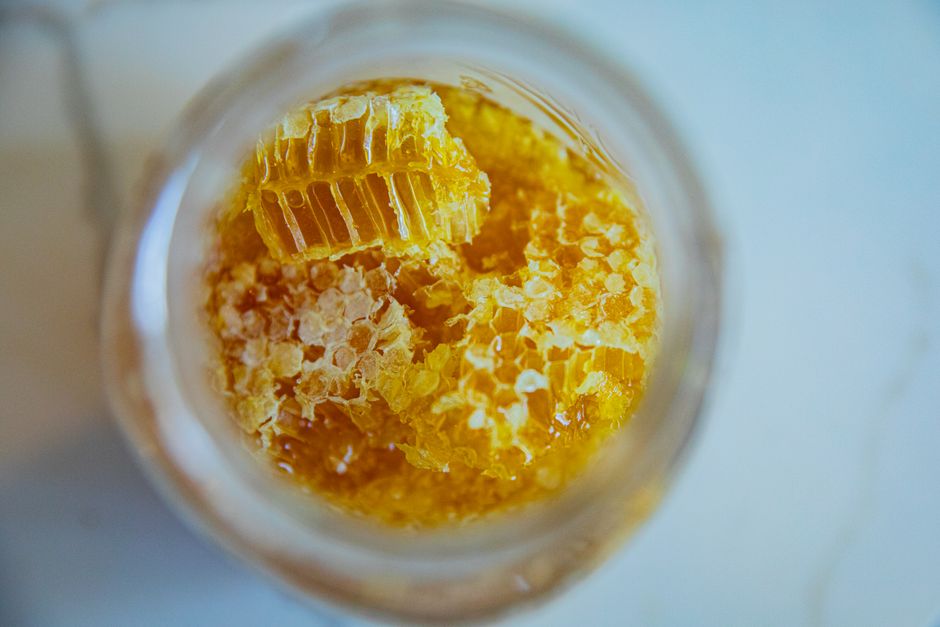
Table of Contents
- Key Takeaways
- The Science Behind Honey Never Expiring
- 1. Egyptian Tombs Contained Perfectly Preserved Honey
- 2. Crystallization Doesn't Mean Spoilage
- 3. Bees Are Master Dehydrators
- 4. Honey's Sugar Content Creates Osmotic Pressure
- 5. Processing Doesn't Significantly Change Honey's Shelf Life
- 6. Proper Storage Extends Honey's Perfection
- 7. Honey Has Been Used as a Preservative for Other Foods
- Comparing Honey Varieties and Their Properties
- Frequently Asked Questions
- Sources
Did you know that honey is the only food that never goes bad? This surprising claim has circulated for years, captivating food lovers and science enthusiasts alike. The truth behind honey never expiring is even more fascinating than the myth itself. Archaeologists have discovered pots of honey in ancient Egyptian tombs that remained perfectly edible after thousands of years. But what makes this golden substance so remarkably resilient?
The science behind honey's eternal shelf life reveals an intricate dance of chemistry, biology, and pure natural engineering. From its acidic pH to its microscopic water content, every aspect of honey works together to create what might be nature's most perfect preservative.
Key Takeaways
- Honey's low moisture content and acidic pH create an inhospitable environment for bacteria and microorganisms
- Bees add an enzyme that produces hydrogen peroxide, giving honey natural antibacterial properties
- Archaeologists have found edible honey in Egyptian tombs over 3,000 years old
- Crystallized honey is still perfectly safe to eat and can be returned to liquid form with gentle heat
- Proper storage in sealed containers keeps honey fresh indefinitely
- Raw and processed honey both share the same remarkable longevity
The Science Behind Honey Never Expiring
Honey's immortality stems from a perfect storm of chemical conditions. Its water content typically hovers around 17-18 percent, far below the 20 percent threshold most bacteria need to survive. This extreme dryness creates what scientists call a hygroscopic environment, meaning honey actually pulls moisture from its surroundings rather than providing it to microorganisms.
The pH level tells another part of the story. Honey registers between 3 and 4.5 on the pH scale, making it quite acidic. Most bacteria prefer neutral environments. They struggle to reproduce in such acidic conditions. When you combine low moisture with high acidity, you get a substance that's essentially self-sterilizing.
Bees contribute their own preservation magic through an enzyme called glucose oxidase. When this enzyme breaks down glucose in honey, it produces gluconic acid and hydrogen peroxide. Yes, the same hydrogen peroxide you use to clean wounds. This natural antibacterial agent adds yet another layer of protection against spoilage.
1. Egyptian Tombs Contained Perfectly Preserved Honey
The most famous evidence of honey's longevity comes from archaeological excavations in Egypt. Researchers have discovered sealed pots of honey in ancient tombs, some dating back more than 3,000 years. These samples weren't just preserved—they were reportedly still edible. The Egyptians knew something special about honey, which is why they placed it in tombs alongside pharaohs for the afterlife journey.
Ancient Egyptians used honey for more than just food. They incorporated it into embalming practices, wound treatment, and religious ceremonies. The fact that their honey survived millennia in desert tombs demonstrates its remarkable stability across extreme temperature fluctuations and time periods that would destroy virtually any other food product.
2. Crystallization Doesn't Mean Spoilage
Many people panic when their honey turns cloudy and grainy. Relax. Crystallization is a natural process that actually proves your honey is pure. Raw honey contains tiny particles of pollen, propolis, and wax that serve as nuclei for glucose crystals to form. Some varieties crystallize quickly; others stay liquid for years.
The crystallization rate depends on the ratio of glucose to fructose in the honey. Varieties high in glucose, like clover or alfalfa honey, crystallize faster. Those with more fructose, such as acacia honey, remain liquid longer. You can easily reverse crystallization by placing the container in warm water—never boiling, as excessive heat can destroy honey's beneficial enzymes and alter its flavor profile.
3. Bees Are Master Dehydrators
Worker bees don't just collect nectar and call it a day. They're sophisticated food processors. After gathering nectar that contains roughly 60-80 percent water, bees pass it between themselves, adding enzymes and gradually reducing the moisture content through evaporation. They fan their wings over the honeycomb cells, creating airflow that speeds dehydration.
Once the water content drops to about 18 percent, bees seal the cell with a wax cap. This sealing process is critical. It locks in the low moisture content and keeps the honey protected from humidity in the environment. The entire process transforms a watery, perishable nectar into a concentrated, eternal food source that can sustain the hive through winter months when flowers aren't blooming.
4. Honey's Sugar Content Creates Osmotic Pressure
The concentration of sugars in honey creates what scientists call osmotic pressure. When bacteria encounter honey, water molecules rush out of the bacterial cells toward the honey, trying to equalize the concentration difference. This process dehydrates the bacteria, effectively killing them before they can multiply.
Think of it as reverse osmosis on a microscopic scale. The bacterial cells literally shrivel and die. No microorganism can thrive when it's constantly being drained of its essential moisture. This mechanism works so effectively that honey has been used medicinally for thousands of years to treat wounds and prevent infections.
5. Processing Doesn't Significantly Change Honey's Shelf Life
Both raw and commercially processed honey share the same indefinite shelf life. The main difference lies in texture and enzyme content, not longevity. Commercial honey is typically heated and filtered to remove pollen particles and prevent rapid crystallization. This makes it look clearer and stay liquid longer on store shelves.
Raw honey contains more enzymes, pollen, and trace nutrients because it hasn't been heated. Some people prefer it for potential health benefits. But when it comes to never expiring, both types are equally immortal. The fundamental chemistry—low water content, acidity, and sugar concentration—remains the same regardless of processing methods.
6. Proper Storage Extends Honey's Perfection
While honey doesn't spoil, improper storage can compromise its quality. The enemy is moisture. If water gets into your honey jar, you've raised the moisture content above that critical threshold. Now bacteria and yeast can potentially grow, leading to fermentation. You'll notice bubbles and a slightly alcoholic smell if this happens.
Store honey in tightly sealed containers at room temperature. Glass or food-grade plastic works well. Avoid storing it in the refrigerator—cold temperatures accelerate crystallization and make honey difficult to pour. Keep it away from direct sunlight, which can degrade some of honey's delicate flavor compounds over time, though it won't make the honey unsafe to eat.
7. Honey Has Been Used as a Preservative for Other Foods
Ancient cultures recognized honey's preservative powers and used it to extend the life of other foods. Historical records describe fruits, meats, and even whole animal carcasses preserved in honey. The same properties that keep honey from spoiling also protect foods submerged in it. Honey was one of humanity's first food preservation techniques, predating refrigeration by millennia.
Modern research has validated this ancient wisdom. Studies show that honey can preserve certain foods effectively because it creates an antimicrobial barrier. The practice of preserving fruits in honey continues in some traditional cuisines today, though we now have more convenient options like freezing and canning.
Comparing Honey Varieties and Their Properties
| Honey Type | Typical Moisture Content | Crystallization Speed | Flavor Profile |
|---|---|---|---|
| Clover | 17-18% | Fast | Mild, floral |
| Acacia | 16-17% | Very slow | Light, delicate |
| Manuka | 16-18% | Medium | Rich, earthy |
| Buckwheat | 17-19% | Medium-fast | Bold, molasses-like |
Frequently Asked Questions
Can honey actually go bad under any circumstances?
Honey can ferment if its moisture content rises above 20 percent, typically from improper storage or if water is introduced. You'll notice bubbling, foam on top, and a sour or alcoholic smell. While fermented honey isn't necessarily harmful, it's no longer in its optimal state. Keeping honey tightly sealed prevents this issue.
Why does my honey have white stuff on top?
That white layer is called "honey foam" or "bloom," and it's completely harmless. It consists of tiny air bubbles and pollen particles that rise to the surface, especially in raw honey. Some people consider it a sign of quality because it indicates the honey hasn't been heavily filtered or processed. Simply stir it back in.
Is crystallized honey less nutritious than liquid honey?
No, crystallization doesn't affect honey's nutritional value. All the enzymes, antioxidants, and trace minerals remain intact. The only thing that changes is the physical texture as glucose molecules form crystals. Many people actually prefer crystallized honey for spreading on toast because it's less drippy.
How did ancient people know honey never expires?
Ancient civilizations discovered honey's longevity through observation and experience. They noticed that honey stored in sealed containers remained unchanged season after season, year after year. This practical knowledge led to honey being valued not just as food but as a sacred substance worthy of placing in royal tombs and using in religious ceremonies.
The next time you drizzle honey into your tea or spread it on toast, remember you're enjoying one of nature's most remarkable creations. This golden liquid connects us to ancient pharaohs, industrious bees, and the elegant chemistry that makes true immortality possible—at least in food form.