











1 / 10 Questions
0 Points

What mineral is table salt primarily made from?

Sodium chloride

Potassium iodide

Magnesium sulfate

Calcium carbonate

Points won
0
Correct score
0%

More Questions

More Articles

Did You Know These Matches Changed Sports Forever?

Did You Know These Matches Changed Sports Forever?

⏱️ 5 min read

Throughout sports history, certain matches have transcended their immediate outcomes to fundamentally alter the landscape of athletic competition. These pivotal moments have sparked rule changes, shifted cultural attitudes, revolutionized training methods, and inspired generations of athletes. While every championship has its significance, a select few contests have left indelible marks that continue shaping sports today.

The Battle of the Sexes: Gender Equality Takes Center Court

On September 20, 1973, tennis star Billie Jean King faced Bobby Riggs in what became known as "The Battle of the Sexes." This wasn't merely a tennis match—it became a cultural watershed moment that changed how society viewed women in sports. Riggs, a former Wimbledon champion, had publicly claimed that women's tennis was inferior and that even at age 55, he could defeat the top female players.

King's straight-set victory in front of 30,472 spectators at the Houston Astrodome and 90 million television viewers worldwide demolished outdated perceptions about female athletic ability. The match accelerated the push for equal prize money in tennis tournaments and emboldened the women's rights movement beyond sports. Today, major tennis tournaments offer equal compensation to male and female champions largely because of the momentum this single match generated.

The Miracle on Ice: Redefining Impossibility

The 1980 Winter Olympics hockey semifinal between the United States and the Soviet Union produced what many consider the greatest upset in sports history. The Soviet team had dominated international hockey for decades, winning four consecutive Olympic gold medals and fielding what amounted to professional players during an era when Olympic rules theoretically required amateur status.

The American team, composed primarily of college players with an average age of 21, faced opponents who had played together for years. When Team USA defeated the Soviets 4-3 on February 22, 1980, the victory resonated far beyond the ice rink. During the Cold War's tense climate, this triumph symbolized American resilience and determination. More importantly for sports, it fundamentally changed how Americans viewed hockey, leading to the sport's expansion in the United States and inspiring countless youth to take up the game.

Ali vs. Frazier III: The Fight That Redefined Athletic Limits

The third meeting between Muhammad Ali and Joe Frazier on October 1, 1975, in Manila, Philippines, pushed both fighters beyond previously understood human limits. The "Thrilla in Manila" wasn't just about determining a champion—it revealed new depths of athletic endurance and mental fortitude that changed how combat sports approached training and conditioning.

The brutal 14-round contest fought in oppressive tropical heat forced both men to dig deeper than they had in any previous fight. Frazier's corner stopped the bout before the 15th round, but both fighters were so depleted that neither truly won. The match led to significant reforms in boxing safety protocols and medical oversight. It demonstrated that unlimited determination without proper protective measures could prove deadly, spurring the sport to implement more stringent health monitoring and recovery requirements.

Jackie Robinson's Debut: Breaking Baseball's Color Barrier

While technically not a single match, Jackie Robinson's first game with the Brooklyn Dodgers on April 15, 1947, deserves recognition as a sports moment that transformed American society. His performance at first base that day against the Boston Braves represented the beginning of baseball's integration and the eventual desegregation of all major American sports.

Robinson faced verbal abuse, death threats, and hostile crowds throughout that inaugural season. His dignified response to discrimination while maintaining exceptional athletic performance provided a blueprint for social change through sports excellence. The ripples from this game extended throughout professional athletics, with other sports leagues gradually abandoning segregation policies over the following decades.

Leicester City's Championship: Reshaping Financial Expectations

Leicester City's 2015-2016 English Premier League championship victory fundamentally challenged assumptions about wealth and success in modern professional sports. With odds of 5,000-to-1 at the season's start, the team had narrowly avoided relegation the previous year and operated with a fraction of the budget that wealthier clubs commanded.

Their triumph demonstrated that strategic management, team chemistry, and tactical innovation could overcome vast financial disadvantages. The championship forced a reconsideration of whether unlimited spending guarantees success in team sports. It inspired smaller-market teams worldwide to believe that intelligent player development and cohesive systems could compete against financial juggernauts.

The Impact of Legendary Matches on Modern Sports

These historic contests share common characteristics that explain their enduring influence:

  • They challenged prevailing assumptions about athletic capability or competition structure
  • Their outcomes forced governing bodies to reconsider existing rules or policies
  • They inspired broader social or cultural movements beyond sports
  • They generated sustained changes in how athletes train or teams strategize
  • They expanded participation in their respective sports among previously excluded groups

Lasting Lessons From Game-Changing Moments

The matches that truly change sports forever teach us that competition exists within larger social contexts. Athletic contests can challenge prejudices, inspire policy changes, and demonstrate human potential in ways that resonate across generations. They remind us that sports serve as more than entertainment—they function as laboratories for testing societal values and pushing the boundaries of what people believe possible.

As contemporary athletes continue competing, future generations will undoubtedly witness new matches that reshape their sports in unexpected ways. The legacy of these historic contests lies not just in their immediate drama but in their continuing influence on how we understand competition, fairness, and human achievement.
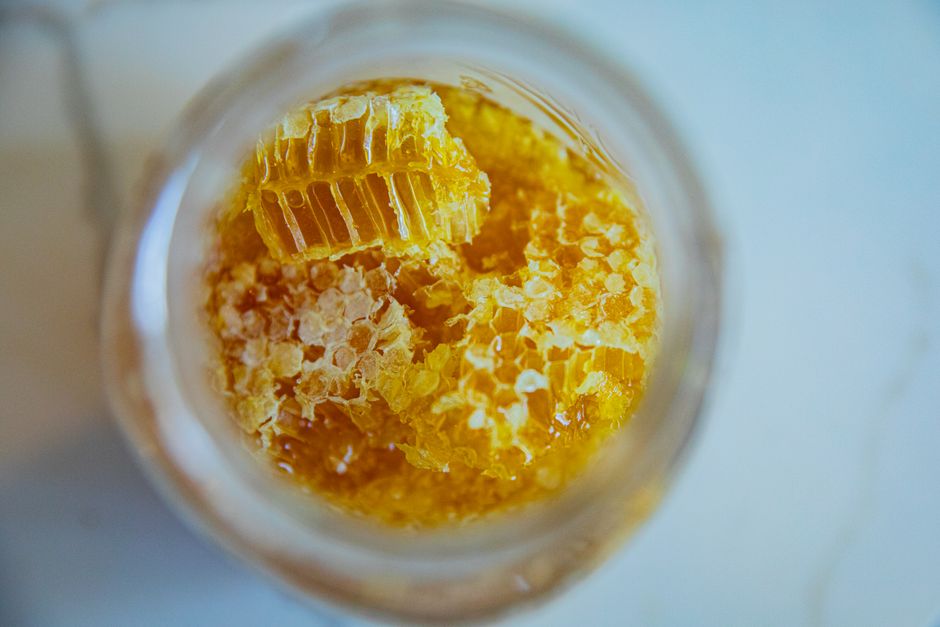
7 Facts About Honey Never Expiring: Ancient Tomb Truth

7 Facts About Honey Never Expiring: Ancient Tomb Truth

By TrivBits, Staff Writer — Published September 4, 2026

7 Facts About Honey Never Expiring: Ancient Tomb Truth — Quick Facts trivia by TrivBits

Table of Contents

Did you know that honey is the only food that never goes bad? This surprising claim has circulated for years, captivating food lovers and science enthusiasts alike. The truth behind honey never expiring is even more fascinating than the myth itself. Archaeologists have discovered pots of honey in ancient Egyptian tombs that remained perfectly edible after thousands of years. But what makes this golden substance so remarkably resilient?

The science behind honey's eternal shelf life reveals an intricate dance of chemistry, biology, and pure natural engineering. From its acidic pH to its microscopic water content, every aspect of honey works together to create what might be nature's most perfect preservative.

Key Takeaways

  • Honey's low moisture content and acidic pH create an inhospitable environment for bacteria and microorganisms
  • Bees add an enzyme that produces hydrogen peroxide, giving honey natural antibacterial properties
  • Archaeologists have found edible honey in Egyptian tombs over 3,000 years old
  • Crystallized honey is still perfectly safe to eat and can be returned to liquid form with gentle heat
  • Proper storage in sealed containers keeps honey fresh indefinitely
  • Raw and processed honey both share the same remarkable longevity

The Science Behind Honey Never Expiring

Honey's immortality stems from a perfect storm of chemical conditions. Its water content typically hovers around 17-18 percent, far below the 20 percent threshold most bacteria need to survive. This extreme dryness creates what scientists call a hygroscopic environment, meaning honey actually pulls moisture from its surroundings rather than providing it to microorganisms.

The pH level tells another part of the story. Honey registers between 3 and 4.5 on the pH scale, making it quite acidic. Most bacteria prefer neutral environments. They struggle to reproduce in such acidic conditions. When you combine low moisture with high acidity, you get a substance that's essentially self-sterilizing.

Bees contribute their own preservation magic through an enzyme called glucose oxidase. When this enzyme breaks down glucose in honey, it produces gluconic acid and hydrogen peroxide. Yes, the same hydrogen peroxide you use to clean wounds. This natural antibacterial agent adds yet another layer of protection against spoilage.

1. Egyptian Tombs Contained Perfectly Preserved Honey

The most famous evidence of honey's longevity comes from archaeological excavations in Egypt. Researchers have discovered sealed pots of honey in ancient tombs, some dating back more than 3,000 years. These samples weren't just preserved—they were reportedly still edible. The Egyptians knew something special about honey, which is why they placed it in tombs alongside pharaohs for the afterlife journey.

Ancient Egyptians used honey for more than just food. They incorporated it into embalming practices, wound treatment, and religious ceremonies. The fact that their honey survived millennia in desert tombs demonstrates its remarkable stability across extreme temperature fluctuations and time periods that would destroy virtually any other food product.

2. Crystallization Doesn't Mean Spoilage

Many people panic when their honey turns cloudy and grainy. Relax. Crystallization is a natural process that actually proves your honey is pure. Raw honey contains tiny particles of pollen, propolis, and wax that serve as nuclei for glucose crystals to form. Some varieties crystallize quickly; others stay liquid for years.

The crystallization rate depends on the ratio of glucose to fructose in the honey. Varieties high in glucose, like clover or alfalfa honey, crystallize faster. Those with more fructose, such as acacia honey, remain liquid longer. You can easily reverse crystallization by placing the container in warm water—never boiling, as excessive heat can destroy honey's beneficial enzymes and alter its flavor profile.

3. Bees Are Master Dehydrators

Worker bees don't just collect nectar and call it a day. They're sophisticated food processors. After gathering nectar that contains roughly 60-80 percent water, bees pass it between themselves, adding enzymes and gradually reducing the moisture content through evaporation. They fan their wings over the honeycomb cells, creating airflow that speeds dehydration.

Once the water content drops to about 18 percent, bees seal the cell with a wax cap. This sealing process is critical. It locks in the low moisture content and keeps the honey protected from humidity in the environment. The entire process transforms a watery, perishable nectar into a concentrated, eternal food source that can sustain the hive through winter months when flowers aren't blooming.

4. Honey's Sugar Content Creates Osmotic Pressure

The concentration of sugars in honey creates what scientists call osmotic pressure. When bacteria encounter honey, water molecules rush out of the bacterial cells toward the honey, trying to equalize the concentration difference. This process dehydrates the bacteria, effectively killing them before they can multiply.

Think of it as reverse osmosis on a microscopic scale. The bacterial cells literally shrivel and die. No microorganism can thrive when it's constantly being drained of its essential moisture. This mechanism works so effectively that honey has been used medicinally for thousands of years to treat wounds and prevent infections.

5. Processing Doesn't Significantly Change Honey's Shelf Life

Both raw and commercially processed honey share the same indefinite shelf life. The main difference lies in texture and enzyme content, not longevity. Commercial honey is typically heated and filtered to remove pollen particles and prevent rapid crystallization. This makes it look clearer and stay liquid longer on store shelves.

Raw honey contains more enzymes, pollen, and trace nutrients because it hasn't been heated. Some people prefer it for potential health benefits. But when it comes to never expiring, both types are equally immortal. The fundamental chemistry—low water content, acidity, and sugar concentration—remains the same regardless of processing methods.

6. Proper Storage Extends Honey's Perfection

While honey doesn't spoil, improper storage can compromise its quality. The enemy is moisture. If water gets into your honey jar, you've raised the moisture content above that critical threshold. Now bacteria and yeast can potentially grow, leading to fermentation. You'll notice bubbles and a slightly alcoholic smell if this happens.

Store honey in tightly sealed containers at room temperature. Glass or food-grade plastic works well. Avoid storing it in the refrigerator—cold temperatures accelerate crystallization and make honey difficult to pour. Keep it away from direct sunlight, which can degrade some of honey's delicate flavor compounds over time, though it won't make the honey unsafe to eat.

7. Honey Has Been Used as a Preservative for Other Foods

Ancient cultures recognized honey's preservative powers and used it to extend the life of other foods. Historical records describe fruits, meats, and even whole animal carcasses preserved in honey. The same properties that keep honey from spoiling also protect foods submerged in it. Honey was one of humanity's first food preservation techniques, predating refrigeration by millennia.

Modern research has validated this ancient wisdom. Studies show that honey can preserve certain foods effectively because it creates an antimicrobial barrier. The practice of preserving fruits in honey continues in some traditional cuisines today, though we now have more convenient options like freezing and canning.

Comparing Honey Varieties and Their Properties

Honey Type Typical Moisture Content Crystallization Speed Flavor Profile
Clover 17-18% Fast Mild, floral
Acacia 16-17% Very slow Light, delicate
Manuka 16-18% Medium Rich, earthy
Buckwheat 17-19% Medium-fast Bold, molasses-like

Frequently Asked Questions

Can honey actually go bad under any circumstances?

Honey can ferment if its moisture content rises above 20 percent, typically from improper storage or if water is introduced. You'll notice bubbling, foam on top, and a sour or alcoholic smell. While fermented honey isn't necessarily harmful, it's no longer in its optimal state. Keeping honey tightly sealed prevents this issue.

Why does my honey have white stuff on top?

That white layer is called "honey foam" or "bloom," and it's completely harmless. It consists of tiny air bubbles and pollen particles that rise to the surface, especially in raw honey. Some people consider it a sign of quality because it indicates the honey hasn't been heavily filtered or processed. Simply stir it back in.

Is crystallized honey less nutritious than liquid honey?

No, crystallization doesn't affect honey's nutritional value. All the enzymes, antioxidants, and trace minerals remain intact. The only thing that changes is the physical texture as glucose molecules form crystals. Many people actually prefer crystallized honey for spreading on toast because it's less drippy.

How did ancient people know honey never expires?

Ancient civilizations discovered honey's longevity through observation and experience. They noticed that honey stored in sealed containers remained unchanged season after season, year after year. This practical knowledge led to honey being valued not just as food but as a sacred substance worthy of placing in royal tombs and using in religious ceremonies.

The next time you drizzle honey into your tea or spread it on toast, remember you're enjoying one of nature's most remarkable creations. This golden liquid connects us to ancient pharaohs, industrious bees, and the elegant chemistry that makes true immortality possible—at least in food form.

Sources