











1 / 10 Questions
0 Points

Mount Rushmore: Which President Is Carved On The Far Left?

Abraham Lincoln

Thomas Jefferson

Theodore Roosevelt

George Washington

Points won
0
Correct score
0%

More Questions

More Articles

Did You Know These Psychological Tricks That Actually Work?

Did You Know These Psychological Tricks That Actually Work?

⏱️ 5 min read

The human mind is a fascinating and complex system that operates on both conscious and subconscious levels. Understanding how people think, react, and make decisions can provide valuable insights into human behavior. Over the years, psychologists and researchers have identified numerous techniques that leverage cognitive biases and behavioral patterns to influence outcomes in everyday situations. These psychological tricks are not about manipulation, but rather about understanding human nature and using that knowledge effectively in social interactions, professional settings, and personal development.

The Power of Silence in Conversations

One of the most underutilized psychological tools is the strategic use of silence. When someone finishes speaking, particularly after answering a question, most people feel compelled to fill the void with more information. This phenomenon occurs because silence creates psychological discomfort, and individuals naturally attempt to resolve this tension by continuing to talk. In negotiations, interviews, or even casual conversations, maintaining silence after receiving an answer often prompts the other person to elaborate, provide additional details, or reveal information they might not have otherwise shared.

This technique works because humans are inherently social creatures who interpret silence as a signal that more is expected. The pause suggests that the listener is processing the information and waiting for something more substantial, compelling the speaker to fill that gap with potentially valuable insights.

Mirroring Body Language for Rapport Building

Subtly mimicking another person's body language, speech patterns, and mannerisms can create an unconscious sense of familiarity and trust. This technique, known as mirroring or the chameleon effect, activates neural pathways associated with empathy and connection. When done naturally and without obvious imitation, mirroring signals to the other person that you share common ground and understand them on a deeper level.

Research has demonstrated that people who mirror others are perceived as more likeable and persuasive. The key is to keep the mirroring subtle—matching their energy level, posture, and speaking pace rather than copying every gesture. This creates a subconscious bond that facilitates smoother communication and more positive interactions.

The Foot-in-the-Door Technique

This well-documented psychological principle involves making a small request first before asking for a larger favor. Once someone agrees to a minor commitment, they are significantly more likely to agree to a bigger request later. This happens because people desire consistency in their actions and self-perception. After agreeing to the initial small request, they view themselves as the type of person who helps or participates, making them more receptive to subsequent, larger requests.

The technique works effectively in various contexts, from charitable donations to workplace projects. Starting with something manageable and non-threatening reduces resistance and establishes a pattern of agreement that can be built upon.

Using Names to Create Connection

Dale Carnegie famously emphasized that a person's name is the sweetest sound to them in any language. Using someone's name during conversation creates a powerful psychological effect. It captures attention immediately, demonstrates respect and recognition, and makes interactions feel more personal and meaningful.

Neuroscience supports this observation—hearing one's own name activates unique patterns in the brain associated with self-recognition and attention. In professional and social settings, regularly incorporating someone's name into dialogue (without overdoing it) strengthens rapport and makes the speaker more memorable and trustworthy.

The Benjamin Franklin Effect

Contrary to intuition, asking someone for a favor can actually make them like you more rather than less. This paradoxical phenomenon, named after Benjamin Franklin who famously employed it, occurs because of cognitive dissonance. When people do something nice for someone, their brain rationalizes this action by concluding that they must like that person—otherwise, why would they have helped?

This effect is particularly powerful because it transforms the dynamic between two people. The person who grants the favor becomes psychologically invested in the relationship, having justified their helpful behavior by developing positive feelings toward the recipient.

Strategic Nodding During Requests

Nodding gently while making a request or presenting an idea increases the likelihood of agreement. This works on multiple levels. First, nodding is associated with affirmation and positivity, creating a subtle suggestive influence. Second, people naturally tend to mirror physical behaviors, so your nodding may trigger reciprocal nodding in the listener, which then creates cognitive consistency—their physical agreement gesture influences their mental state toward actual agreement.

This technique is particularly effective in sales, presentations, and persuasive conversations. The subtle physical cue bypasses conscious resistance and operates on the subconscious level where much decision-making actually occurs.

The Door-in-the-Face Method

This approach works opposite to the foot-in-the-door technique. Start with an unreasonably large request that will almost certainly be rejected, then follow up with a more modest request—the one you actually wanted to make. The contrast makes the second request appear much more reasonable, and people feel inclined to reciprocate after saying no to the first request.

This technique leverages the psychological principle of reciprocal concessions. When you "back down" from your initial large request to something smaller, the other person feels like you've compromised and that they should meet you halfway by agreeing to the reduced request.

Practical Applications and Ethical Considerations

These psychological techniques can be valuable tools for improving communication, building relationships, and achieving goals. However, they should always be employed ethically and with genuine intentions. The most effective use of these strategies comes when they're applied authentically as part of developing better social and emotional intelligence rather than as manipulative tactics. Understanding human psychology helps create more meaningful connections and navigate social situations with greater awareness and effectiveness.
Why Bananas Are Curved: The Surprising Gravity Secret

Why Bananas Are Curved: The Surprising Gravity Secret

Why Bananas Are Curved: The Surprising Gravity Secret

By TrivBits, Staff Writer — Published July 29, 2026

Table of Contents

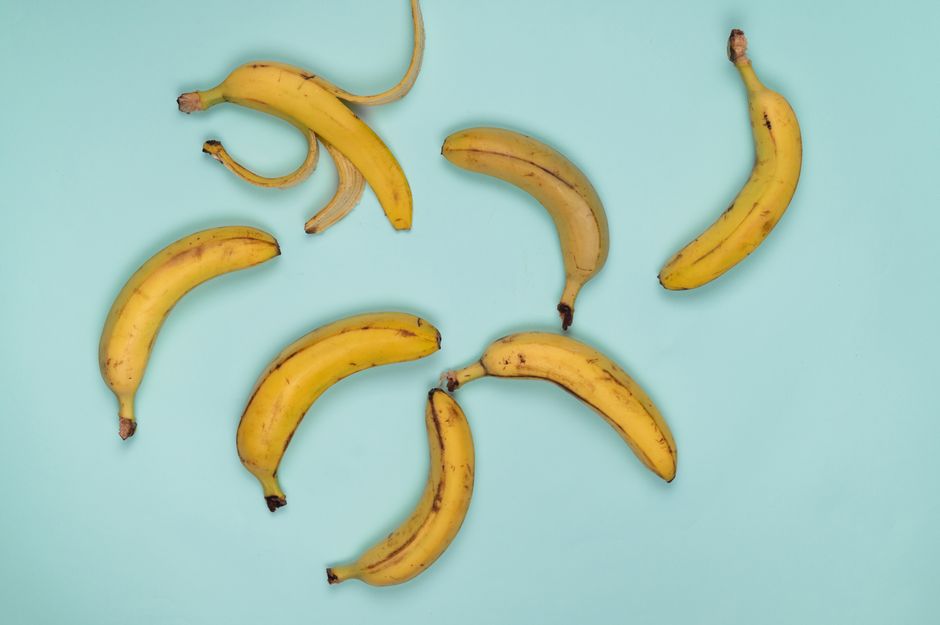
Every banana you've ever peeled shares a distinctive curve, arching gracefully upward. This isn't random. It's not a quirk of selective breeding or an accident of evolution. The fascinating truth behind why bananas curved gravity defies most people's expectations: bananas grow upward, reaching toward the sun, and that simple act of defying Earth's pull creates their iconic shape. What seems like a trivial detail reveals an amazing story about plant behavior, light-seeking growth, and the invisible forces shaping the produce aisle.Most people assume bananas hang downward as they grow, like apples or pears. That assumption makes the curve puzzling. But banana plants operate differently, and once you discover the mechanism behind their shape, you'll never look at this everyday fruit the same way again.

Key Takeaways

  • Bananas curve because they grow upward toward sunlight through a process called negative geotropism, counteracting gravity's downward pull.
  • The fruit begins growing downward due to gravity but gradually reorients itself upward as it matures, creating the characteristic arc.
  • Wild bananas are often straighter than cultivated varieties because they grow in different light conditions and have smaller fruit clusters.
  • The curvature is more pronounced in commercial banana varieties like the Cavendish, which dominate global markets.
  • All bananas in a hand curve toward the same direction, creating a uniform pattern across the entire cluster.
  • The shape has nothing to do with the way bananas are transported or stored, contrary to popular belief.

How Bananas Curved Gravity Creates Their Shape

Banana plants exhibit negative geotropism, a botanical term describing growth away from gravitational pull. While roots demonstrate positive geotropism by growing downward into soil, banana fruits do the opposite. The process begins when tiny banana flowers develop on a large flowering structure called an inflorescence, which initially hangs downward under its own weight. At this early stage, the baby bananas point toward the ground.Then something remarkable happens. As the bananas begin to develop, they respond to light through phototropism, the tendency of plants to grow toward their primary light source. The top side of each banana—the part facing away from the stem—grows faster than the bottom side. This differential growth rate causes the fruit to bend upward, fighting against gravity's constant tug. The banana essentially performs a slow-motion backbend over several weeks.The curvature becomes more pronounced as the fruit matures and gains weight. Each banana in a cluster, called a hand, curves in the same direction because they all respond to the same light stimulus. The result is a uniform arc that makes bananas instantly recognizable worldwide. This growth pattern requires significant energy expenditure from the plant, but it serves an important evolutionary purpose: elevating the fruit away from ground-dwelling pests and positioning it where it's more visible to potential seed dispersers.

The Anatomy of a Banana Plant

Understanding banana curvature requires knowing how these plants grow. Despite their tree-like appearance, banana plants are technically giant herbs—the world's largest herbaceous flowering plants. What looks like a trunk is actually a pseudostem made of tightly wrapped leaf bases. The true stem remains underground as a corm, sending up new shoots.The flowering structure emerges from the center of the pseudostem, initially growing upward before the weight of developing fruit causes it to arch over. Individual bananas develop in clusters called hands, which are arranged in tiers along the central stem. Commercial banana bunches typically contain seven to nine hands, with each hand holding ten to twenty individual bananas. The entire structure, called a bunch or stem, can weigh between 30 and 100 pounds when fully mature.Each banana finger starts as a flower protected by a purple bract. As the fruit develops, it swells and elongates. The curvature begins subtly but becomes more dramatic as the banana approaches full size. The entire growth period from flower to harvest-ready fruit takes roughly three to four months, depending on climate and variety.

Wild Bananas vs. Commercial Varieties

Wild bananas, still found in Southeast Asian forests, often display less dramatic curves than their cultivated cousins. These ancestral varieties grow in denser canopy conditions where light comes from multiple angles rather than predominantly from above. Wild bananas are also significantly smaller and contain large, hard seeds that make them nearly inedible by modern standards. Their straighter growth pattern reflects different environmental pressures and the absence of centuries of selective breeding.Commercial banana cultivation has amplified the curved shape. The Cavendish variety, which represents roughly 95 percent of bananas sold internationally, shows particularly pronounced curvature. Growers have selected for this trait partly because curved bananas pack more efficiently in boxes and partly because consumers associate the curve with ripeness and quality. The shape has become so iconic that perfectly straight bananas might actually seem suspicious or unripe to shoppers.
Banana TypeCurve IntensitySeed ContentPrimary Use
Wild Musa acuminataSlight to moderateMany large seedsNatural habitat; genetic research
Cavendish (commercial)PronouncedSeedlessFresh consumption; export
Plantain varietiesModerateSeedlessCooking; staple food
Red bananasPronouncedSeedlessFresh consumption; specialty markets

Common Myths About Banana Shapes

Several misconceptions persist about why bananas curve. Some people believe the shape results from how bananas are hung during transport or storage. This is false—the curve forms while the fruit is still attached to the plant. Others think bananas are deliberately bent by growers or packers. No such manipulation occurs. The shape is entirely natural, determined by the plant's growth hormones and light response.Another myth suggests that bananas curve to fit more easily in human hands. While the shape certainly makes them convenient to hold, this is coincidence rather than design. Bananas evolved their curved form millions of years before humans began cultivating them. The shape serves the plant's reproductive strategy, not human convenience, though we certainly benefit from the ergonomic accident.Some claim that bananas grown in the Southern Hemisphere curve in the opposite direction from those grown in the Northern Hemisphere, similar to the Coriolis effect on water drainage. This is complete fiction. Bananas curve upward toward sunlight regardless of hemisphere, and the Coriolis effect is far too weak to influence plant growth at any latitude.

The Science of Phototropism and Plant Hormones

The molecular mechanism behind banana curvature involves plant hormones called auxins. These growth regulators concentrate on the shaded side of the developing fruit—the side facing the stem and receiving less direct light. Auxins stimulate cell elongation, causing the darker side to grow more slowly than the illuminated side. This creates uneven growth rates across the fruit's diameter, producing the bend.Charles Darwin and his son Francis conducted pioneering experiments on phototropism in the 1880s, demonstrating that plants sense light direction and respond by redirecting growth. Their work with grass seedlings laid the groundwork for understanding how all plants, including bananas, orient themselves toward optimal light conditions. The banana's dramatic curve represents an extreme example of this universal plant behavior, made visible in a fruit we encounter daily.

Frequently Asked Questions

Do all bananas curve the same direction?

All bananas within a single hand curve in the same direction because they respond to the same light source. However, hands on opposite sides of the bunch may curve in slightly different directions depending on their position relative to the sun.

Would bananas grow straight in zero gravity?

In the absence of gravity, bananas would likely grow straighter since they wouldn't need to counteract downward pull. However, they would still respond to light direction through phototropism, potentially creating curves based on lighting conditions alone.

Why don't other fruits curve like bananas?

Most fruits hang downward and don't exhibit the same upward-growing response. Bananas are unusual in their strong negative geotropism and extended growth period, which allows time for the dramatic curve to develop before harvest.

Can you straighten a curved banana?

Once harvested, a banana's curve is fixed by its internal structure. Attempting to straighten it would damage the fruit's flesh and cause bruising. The curve is built into the fruit's cellular architecture and cannot be reversed without destroying it.Next time you grab a banana, take a moment to appreciate its arc. That simple curve tells a story of light and gravity, of plant hormones and evolutionary strategy, of forces invisible yet constantly at work. The banana wears its growth history on its peel, a permanent record of its journey from flower to fruit, always reaching upward toward the sun.