
7 Strange Facts About Medieval Knights Nobody Teaches
By TrivBits, History Desk — Published August 5, 2026
Table of Contents
- Key Takeaways
- The Reality of Strange Medieval Knights and Their Armor
- 1. Armor Included Built-In Bathroom Solutions
- 2. Tournament Deaths Exceeded Battle Casualties
- 3. The Economics of Knighthood Were Staggering
- 4. Knights Were Ransomed Like Valuable Commodities
- 5. Knightly Hygiene Was Spectacularly Bad
- 6. Many Knights Couldn’t Swim in Their Armor
- 7. The Dubbing Ceremony Included a Ritual Strike
- Frequently Asked Questions
When you picture medieval knights, you probably imagine shining armor, chivalrous deeds, and noble quests. The reality of knighthood in the Middle Ages was far stranger and messier than Hollywood suggests. These warriors of the past weren’t just brave soldiers—they were part of a complex social system filled with bizarre customs, uncomfortable realities, and practices that would shock modern sensibilities. From their hygiene habits to their surprising vulnerabilities, the true history of these armored figures reveals a fascinating glimpse into life during the medieval era.
The strange medieval knights of European history lived in a world that balanced brutal warfare with elaborate codes of conduct. What textbooks rarely mention are the peculiar details that made knighthood both prestigious and profoundly odd.
Key Takeaways
- Knights often couldn’t get up if they fell over in full armor without assistance from squires.
- Medieval armor had specialized openings for bathroom needs during long battles.
- Knights regularly fought in tournaments that were deadlier than actual wars.
- The cost of knightly equipment could equal the price of an entire village.
- Many knights died from heat exhaustion inside their metal suits rather than from enemy weapons.
- Captured knights were typically ransomed rather than killed, making warfare a profitable business.
The Reality of Strange Medieval Knights and Their Armor
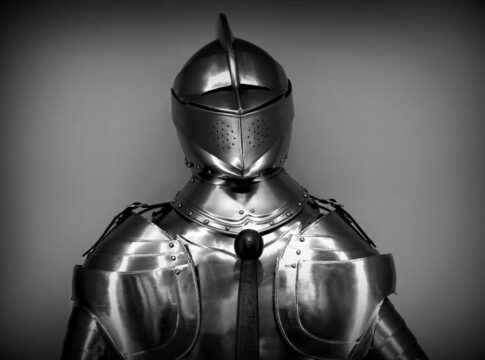
Full plate armor, the iconic image of medieval knighthood, presented problems modern people rarely consider. A complete suit weighed between 40 and 60 pounds—distributed across the body, but still restrictive. Knights trained from childhood to move in armor, yet mobility remained limited. The real issue? Getting back up after being knocked down.
Once on the ground, a knight in full plate armor struggled to stand without help. The weight distribution and rigid joints made rising nearly impossible without a squire’s assistance. This vulnerability meant that battles often ended not with death blows, but with armored warriors lying helpless on the ground like overturned turtles. Enemy soldiers could simply walk up to a fallen knight and demand surrender—or deliver a killing strike through the armor’s weak points at joints.
Heat posed an even deadlier threat than enemy swords. Inside a metal suit under the summer sun, temperatures soared. Knights regularly suffered heat exhaustion, dehydration, and heat stroke during battles and tournaments. Historical records from the 14th and 15th centuries document more knights collapsing from heat than from wounds in certain engagements.
1. Armor Included Built-In Bathroom Solutions
Medieval armorers understood that battles could last hours and knights couldn’t exactly step away to relieve themselves. Full suits of plate armor incorporated practical, if undignified, solutions. The armor featured strategic gaps and flaps that allowed knights to urinate without removing their protection. Some designs included codpieces that could be opened, while others relied on simpler methods.
For longer needs, knights had no choice but to soil themselves or risk vulnerability by partially disarming. This unglamorous reality of medieval warfare rarely appears in romantic tales of chivalry. Squires faced the unenviable task of cleaning armor—and sometimes the knight—after extended campaigns.
2. Tournament Deaths Exceeded Battle Casualties
Medieval tournaments were supposed to be sporting events, but they killed participants at alarming rates. These contests of martial skill used real weapons, real armor, and real violence. Knights charged at each other with lances at full gallop, swung swords in melee combat, and competed in various deadly games.
Historical records show that tournament fatalities often outnumbered battlefield deaths during peacetime. The 12th and 13th centuries saw particularly lethal tournaments before safety reforms emerged. Even with blunted weapons introduced later, the sheer force of impact could crush armor into bodies, break bones, or cause fatal internal injuries. Some tournaments descended into chaotic brawls involving dozens of knights simultaneously.
3. The Economics of Knighthood Were Staggering
Becoming a knight required wealth that most people in the medieval era could never imagine possessing. A full suit of quality plate armor cost the equivalent of a modern luxury car—or more accurately, the price of productive farmland that could support several families. War horses, specially bred and trained for combat, cost nearly as much as the armor.
Then came weapons, which needed regular maintenance and replacement. Swords, lances, maces, and daggers all required skilled craftsmen. A knight also needed multiple horses, since warhorses weren’t suitable for everyday riding. Supporting squires, pages, and other attendants added ongoing expenses. Only wealthy nobles or those sponsored by lords could afford knighthood, making it an exclusive club tied to economic class as much as martial prowess.
4. Knights Were Ransomed Like Valuable Commodities
Medieval warfare operated on a profit model that modern people find bizarre. Killing enemy knights was financially foolish—capturing them was far more lucrative. A captured knight could be ransomed back to his family or lord for substantial sums, sometimes equivalent to years of income from an estate.
This practice turned battles among the nobility into strange affairs where preservation of valuable prisoners mattered as much as victory. Common soldiers faced slaughter, but knights often received relatively courteous treatment as prisoners. Some knights spent months or years in comfortable captivity while ransom negotiations proceeded. The system incentivized keeping enemy nobles alive, creating a form of warfare that protected the upper classes while remaining brutal for everyone else.
5. Knightly Hygiene Was Spectacularly Bad
The unwashed knight is more historically accurate than the gleaming hero. Medieval Europeans, including knights, bathed infrequently by modern standards. Water was often unsafe, and the effort required to heat enough water for bathing discouraged regular washing. Knights wore padded undergarments beneath their armor that absorbed sweat, oil, and grime.
These padding layers, called gambesons or arming doublets, rarely got washed. They became breeding grounds for bacteria, lice, and various skin conditions. The combination of infrequent bathing, unwashed padding, and hours spent sweating in metal armor created hygiene conditions that would horrify contemporary people. Skin infections, rashes, and parasites plagued even wealthy knights throughout the medieval period.
6. Many Knights Couldn’t Swim in Their Armor
Rivers, streams, and moats presented deadly obstacles to armored knights. While plate armor could allow some movement in water for brief periods, most knights who fell into deep water drowned quickly. The weight, even distributed across the body, made swimming nearly impossible. Panic and exhaustion set in rapidly.
Medieval battles fought near water sources saw knights drowning after falling from bridges, being pushed into rivers, or attempting to cross streams in full armor. The Battle of Stirling Bridge in 1297 saw numerous English knights drown in the River Forth. Crossing water required careful planning, shallow fords, or removing armor—which left knights vulnerable. This limitation shaped military strategy throughout the era and made control of bridges tactically crucial.
7. The Dubbing Ceremony Included a Ritual Strike
The ceremony that created a knight involved a symbolic blow to the candidate. After a night of prayer and ritual bathing, the aspiring knight knelt before a lord or monarch who struck him on the shoulder or neck with the flat of a sword. This blow, called the “accolade,” was the last strike the new knight should receive without responding.
Different regions and time periods within the medieval era practiced variations, but the ritual blow remained central. Some ceremonies included multiple strikes. The symbolism represented the hardships of knighthood and marked the transition from candidate to warrior. This tradition evolved over centuries, with earlier, rougher versions sometimes involving harder blows meant to test the candidate’s resolve.
Frequently Asked Questions
How long did it take to become a medieval knight?
Training typically began around age seven and lasted until the early twenties. Boys served as pages, then squires, learning combat skills, horsemanship, and courtly behavior for approximately 14 years before earning knighthood.
Could knights actually move well in armor?
Well-fitted armor allowed surprising mobility for trained wearers. Knights could run short distances, mount horses, and fight effectively, though they tired quickly and couldn’t perform acrobatic movements popular in movies.
Why did knights stop being relevant in warfare?
The development of powerful longbows, crossbows, and eventually gunpowder weapons made heavy armor increasingly ineffective. Firearms could penetrate plate armor, making the expensive protection obsolete by the 16th century.
Were there female knights in medieval times?
Extremely rare, but documented cases exist. A few women received knighthood for exceptional service, though they remained exceptional outliers in the overwhelmingly male institution throughout the Middle Ages.
The strange realities of medieval knighthood reveal how different the past truly was from our romanticized versions. These armored warriors lived in a world of practical compromises, economic calculations, and physical discomforts that historical epics conveniently ignore. Understanding these odd details doesn’t diminish the genuine courage and skill knights possessed—it makes their achievements in such uncomfortable, impractical conditions even more remarkable. Next time you see a knight in shining armor on screen, remember the sweaty, financially burdened, occasionally helpless reality beneath that gleaming metal.