
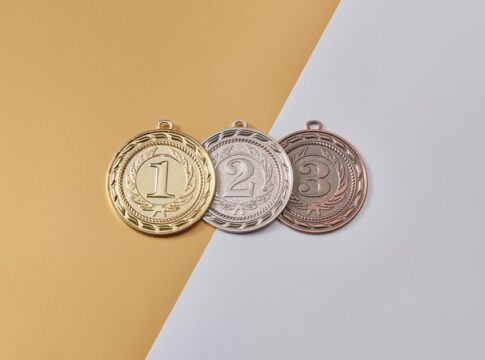
9 Surprising Facts About Olympic Gold Medals Few Know
By Trivia Daily, Staff Writer — Published August 4, 2026
Table of Contents
- Key Takeaways
- Understanding What Olympic Gold Medals Are Really Made Of
- How Olympic Medal Designs and Specifications Vary Dramatically
- The Nine Surprising Facts
- Comparing Olympic Medal Specifications Across Recent Games
- Frequently Asked Questions
When athletes stand atop the podium with tears streaming down their faces, clutching their Olympic gold medals, most spectators assume they’re holding solid gold treasures. The reality is far more surprising. These iconic symbols of athletic excellence harbor secrets that even devoted sports fans rarely discover—from their actual composition to their surprising weight and the curious rules governing who gets to keep them.
Olympic gold medals represent the pinnacle of human athletic achievement, yet the fascinating trivia surrounding these coveted prizes often remains hidden behind the glory of victory. Let’s explore the amazing facts about these legendary awards that challenge common assumptions and reveal the interesting stories behind the metal.
Key Takeaways
- Modern Olympic gold medals contain only about 6 grams of actual gold plating over a sterling silver base
- Gold medals from the early modern Olympics were actually solid silver with gold plating, and some Games awarded only silver medals for first place
- Winners must pay taxes on their medal’s value in some countries, while others exempt Olympic prizes entirely
- The host city’s organizing committee designs each medal uniquely, leading to dramatic variations in size and weight across different Olympics
- Athletes have occasionally auctioned their gold medals for millions of dollars to support charitable causes
- Olympic rules technically allow the International Olympic Committee to reclaim medals under certain circumstances
Understanding What Olympic Gold Medals Are Really Made Of
The first shocking truth: Olympic gold medals aren’t solid gold. Since the 1912 Stockholm Games, regulations have required “gold” medals to consist of at least 92.5% silver with a minimum of 6 grams of gold plating covering the surface. The last time the Olympics awarded solid gold medals was in 1912, and even those contained only about 24 grams of gold mixed with other metals.
Why the switch? Pure economics. A solid gold medal using today’s designs would weigh roughly 500-600 grams and cost upwards of $30,000 to produce at current gold prices. Multiply that by the hundreds of events at a modern Olympics, and the expense becomes prohibitive. The current composition keeps costs manageable while maintaining the symbolic golden appearance athletes and audiences expect.
How Olympic Medal Designs and Specifications Vary Dramatically
Each host city’s organizing committee enjoys considerable creative freedom in designing their medals, resulting in fascinating variations. Tokyo 2020 medals weighed approximately 556 grams and measured 85mm in diameter—among the heaviest ever produced. By contrast, some earlier medals weighed barely 400 grams. The thickness, diameter, and overall heft change with every Games, making each Olympics’ medals distinctly collectible.
The International Olympic Committee mandates only a few requirements: minimum size of 60mm diameter and 3mm thickness, specific gold content for first place, and imagery depicting Nike (the Greek goddess of victory) on one side for Summer Games. Everything else—artistic design, weight, even the ribbon—varies by host nation’s vision and cultural expression.
The Nine Surprising Facts
1. Early Olympic Champions Received No Gold Medals at All
At the first modern Olympics in Athens in 1896, winners received only a silver medal and an olive branch. Second-place finishers got bronze medals, and third place received nothing. The familiar gold-silver-bronze hierarchy didn’t appear until the 1904 St. Louis Games, fundamentally changing how we recognize Olympic achievement. The ancient Greeks crowned victors with olive wreaths rather than metal prizes, making the 1896 approach a nod to classical tradition.
2. Tokyo 2020 Medals Were Made From Recycled Electronics
The Tokyo organizing committee collected nearly 79,000 tons of discarded electronics—old smartphones, laptops, and digital cameras—from Japanese citizens. They extracted approximately 32 kilograms of gold, 3,500 kilograms of silver, and 2,200 kilograms of bronze to produce all 5,000 medals for the Games. This unprecedented recycling initiative transformed e-waste into Olympic glory while raising environmental awareness globally.
3. Athletes Face Wildly Different Tax Consequences Depending on Their Country
American Olympic champions once owed the IRS taxes on both the medal’s material value and any cash bonuses from the U.S. Olympic Committee—a situation critics dubbed the “victory tax.” Congress passed legislation in 2016 eliminating this tax for most athletes, though high earners still face obligations. Meanwhile, countries like Canada, the United Kingdom, and Australia have never taxed Olympic prizes, treating them as tax-exempt honors rather than taxable income.
4. The Medals Contain Secret Security Features
Modern Olympic medals incorporate hidden authentication measures similar to those in currency or passports. These undisclosed security features help organizers verify genuine medals and combat counterfeiting. The specific technologies remain closely guarded secrets, but they’ve become increasingly sophisticated as the collectible value of Olympic medals has soared and replica markets have expanded.
5. Some Gold Medals Have Sold for Over One Million Dollars
While the material value of a gold medal rarely exceeds $1,000, their symbolic and historical worth can reach astronomical figures at auction. Jesse Owens’ 1936 Berlin Olympics gold medal sold for $1.47 million in 2013. Ukrainian boxer Wladimir Klitschko auctioned his 1996 gold medal for $1 million, donating the proceeds to charity. The provenance, the athlete’s fame, and the historical context of the victory dramatically influence these sale prices.
6. Winners Don’t Always Get to Keep Their Medals Forever
The International Olympic Committee retains the right to demand medals be returned if an athlete is disqualified for doping violations or other rules breaches—even years after the competition. Several high-profile athletes have been stripped of their medals following retroactive drug test failures when improved testing technology revealed banned substances. The medals are then reallocated to the athletes who originally finished behind the disqualified competitor.
7. Olympic Gold Medals Weigh More Than World Championship Medals in Most Sports
Olympic medals typically outweigh the gold medals awarded at world championships in individual sports. A FIFA World Cup winner’s medal, for instance, weighs roughly 175 grams—less than one-third the weight of recent Olympic gold medals. This size difference reflects the Olympics’ status as the ultimate prize in many sports, where winning gold carries greater prestige than any other single achievement.
8. The Ribbons Holding Medals Are Designed With Surprising Care
The ribbon or chain suspending each medal receives as much design attention as the medal itself. Host nations incorporate symbolic colors, patterns, and materials that reflect their culture and the specific Games’ identity. PyeongChang 2018 used traditional Korean textile patterns in the ribbons, while Rio 2016 ribbons featured colorful designs evoking Brazilian nature and diversity. These ribbons become integral to the medal’s overall aesthetic and collectible value.
9. Bite Marks Are Now Expected Photo Op Tradition Despite Damaging Medals
Athletes biting their medals during photo sessions has become an iconic Olympic image, yet this practice actually damages the soft metals. The tradition likely originated from old methods of testing gold’s purity—pure gold being soft enough to leave bite marks. Photographers now routinely request the biting pose despite organizers occasionally discouraging it. Some athletes have even cracked teeth on their medals, turning a photo opportunity into an unexpected dental emergency.
Comparing Olympic Medal Specifications Across Recent Games
| Olympic Games | Weight (grams) | Diameter (mm) | Unique Feature |
|---|---|---|---|
| Tokyo 2020 | 556 | 85 | Made from recycled electronics |
| Rio 2016 | 500 | 85 | Most sustainable medals to that date |
| London 2012 | 412 | 85 | Heaviest Summer Olympic medals at the time |
| Beijing 2008 | 200 | 70 | Featured jade inlays in the design |
Frequently Asked Questions
How much is an Olympic gold medal actually worth in materials?
The raw material value of a modern Olympic gold medal is typically between $700 and $900, depending on current silver and gold prices. The 6 grams of gold plating contributes roughly $400-500, while the silver base accounts for the remainder.
Can Olympic athletes refuse their medals?
Yes, though it’s extremely rare. Athletes have occasionally refused medals as political protests or personal statements. The International Olympic Committee generally respects these decisions, though the medals are still officially recorded as awarded in Olympic records.
Do Olympic medals ever tarnish or corrode?
Silver-based Olympic medals can tarnish over time when exposed to air and moisture, developing a dark patina. Many athletes have reported their medals losing their original luster within years. Proper storage and occasional professional cleaning can preserve their appearance.
Who designs the Olympic medals for each Games?
The host city’s organizing committee typically holds a design competition or commissions renowned artists and designers from their country. The selected design must meet International Olympic Committee requirements while reflecting the host nation’s culture and the specific Games’ theme.
These gleaming discs represent far more than athletic triumph—they’re carefully engineered symbols balancing tradition, economics, artistry, and national pride. The next time you watch an Olympic champion clutch their gold medal, you’ll know the surprising truth behind what they’re really holding: a silver core wrapped in just enough gold to maintain centuries of symbolic power.