






1 / 10 Questions
0 Points

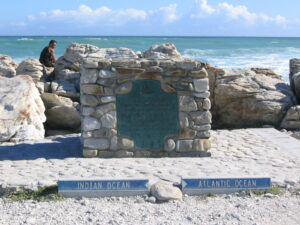
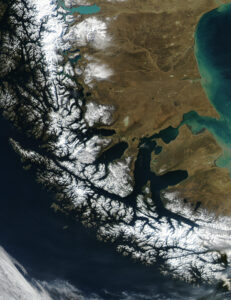
Which city is the southernmost capital city in the world?

Canberra, Australia

Cape Town, South Africa

Wellington, New Zealand

Buenos Aires, Argentina

Points won
0
Correct score
0%

More Questions

More Articles

Top 10 Most Bizarre Ice Cream Flavors in the World

Top 10 Most Bizarre Ice Cream Flavors in the World

⏱️ 6 min read

Ice cream has been a beloved dessert for centuries, but modern creameries and innovative chefs have pushed the boundaries of traditional flavors far beyond vanilla and chocolate. From savory ingredients to unexpected combinations that challenge the palate, the world of artisanal and experimental ice cream has become a playground for culinary adventurers. These unconventional creations often reflect cultural traditions, local ingredients, or simply the desire to shock and surprise dessert enthusiasts. Here are ten of the most unusual ice cream flavors that have been served in shops and restaurants around the globe.

The Most Extraordinary Ice Cream Flavors Ever Created

1. Raw Horse Flesh Ice Cream from Japan

Japan's Namja Town ice cream parlor has gained international notoriety for creating basashi ice cream, made with raw horse meat. This frozen delicacy incorporates actual chunks of horse flesh into a sweet vanilla base, creating a jarring contrast between the cold, creamy texture and the savory, iron-rich taste of the meat. While horse meat is consumed in Japan as a delicacy called basashi, typically served raw with soy sauce and ginger, transforming it into ice cream represents an extreme culinary experiment that has attracted brave food enthusiasts from around the world.

2. Lobster-Flavored Frozen Dessert from Maine

Ben & Bill's Chocolate Emporium in Maine took advantage of the state's most famous seafood export by creating lobster ice cream. This peculiar flavor features butter-infused ice cream with chunks of real lobster meat mixed throughout. The creation process involves cooking fresh lobster meat and folding it into a rich, buttery ice cream base. While it might sound appealing to seafood lovers, the combination of sweet and savory with actual crustacean pieces has proven polarizing, with some finding it innovative and others considering it an affront to both lobster and ice cream.

3. Garlic Ice Cream from California

The Gilroy Garlic Festival in California celebrates the town's status as the "Garlic Capital of the World" with garlic-infused everything, including ice cream. This aromatic flavor features roasted garlic blended into a sweet cream base, creating a surprisingly complex taste profile. The roasting process mellows the garlic's sharp bite, resulting in a caramelized, almost nutty flavor that some describe as surprisingly palatable. Vendors have reported that while many visitors approach it with trepidation, a significant number return for seconds, having developed an appreciation for the unusual sweet-and-savory combination.

4. Breast Milk Ice Cream from England

London's Covent Garden shop The Icecreamists caused international controversy with "Baby Gaga," an ice cream made from donated human breast milk. Priced at approximately £14 per serving, the flavor was created using milk donated by mothers who responded to an online advertisement. Mixed with Madagascan vanilla pods and lemon zest, the ice cream was served by waitresses dressed as nurses. Health authorities eventually seized the product for testing, though it was later cleared. The flavor raised ethical questions and sparked debates about the commodification of human milk, ultimately becoming more famous for the controversy than the taste.

5. Squid Ink Ice Cream from Japan

Another Japanese creation, squid ink ice cream features the dark, briny liquid extracted from squid sacs mixed into the frozen base. The result is a jet-black ice cream with a distinctly oceanic, slightly salty flavor that some describe as reminiscent of seafood pasta. Squid ink has been used in cooking for centuries, particularly in Mediterranean and Japanese cuisine, prized for its unique umami taste and striking appearance. In ice cream form, it appeals primarily to adventurous eaters who appreciate the novelty of a dessert that tastes vaguely of the sea.

6. Cheese Ice Cream from the Philippines

While cheese in ice cream might not seem extraordinary to those familiar with cream cheese-based desserts, the Philippines takes this concept further with Keso ice cream. This flavor incorporates strips or chunks of salty, mild cheese—typically Edam or cheddar—into a sweet ice cream base. The combination is popular throughout the country, where the contrast between salty cheese and sweet ice cream is considered harmonious rather than bizarre. Street vendors and upscale parlors alike offer this flavor, which has become a beloved local tradition that surprises foreign visitors.

7. Cicada-Infused Frozen Treat from Missouri

During the periodical cicada emergence in 2011, Sparky's Homemade Ice Cream in Missouri created cicada ice cream, featuring insects that had been harvested, boiled, and covered in brown sugar and milk chocolate before being added to a brown sugar and butter ice cream base. The shop owner described the texture as similar to a candy bar with nuts, though the bugs were quickly identifiable. Health department officials shut down the operation after one day due to concerns about using non-approved ingredients, but not before the flavor gained significant media attention and sold out completely.

8. Foie Gras and Fig Ice Cream from France

France, known for culinary sophistication, has produced foie gras ice cream that incorporates the rich, buttery flavor of duck or goose liver. Often paired with fig or other sweet components to balance the intense savory richness, this ice cream represents haute cuisine in frozen form. The fatty, luxurious texture of foie gras actually lends itself surprisingly well to ice cream, creating an ultra-creamy mouthfeel. Served in upscale restaurants as a palate-challenging course, this flavor demonstrates how traditional French delicacies can be reimagined in unexpected forms.

9. Ox Tongue Ice Cream from Japan

Continuing Japan's tradition of unusual ice cream flavors, ox tongue ice cream incorporates pieces of cooked beef tongue into a savory ice cream base. Beef tongue is considered a delicacy in Japanese cuisine, often grilled and served in high-end restaurants. The ice cream version attempts to capture the tender texture and rich flavor of the meat in frozen form. This flavor represents the extreme end of the savory ice cream spectrum, appealing primarily to those who view ice cream not as a sweet treat but as a frozen canvas for any flavor imaginable.

10. Pizza-Flavored Ice Cream from Venezuela

Heladería Coromoto in Venezuela, which holds the Guinness World Record for the most ice cream flavors offered, created pizza ice cream that incorporates tomato, cheese, oregano, and other pizza toppings into frozen form. The shop has offered over 900 flavors throughout its history, but pizza ice cream remains one of the most talked-about. The savory-sweet combination attempts to capture the essence of pizza in dessert form, complete with herbs and cheese pieces. While it sounds unappetizing to many, it exemplifies the boundary-pushing experimentation that has made Coromoto famous worldwide.

Conclusion

These ten bizarre ice cream flavors demonstrate that creativity in frozen desserts knows no bounds. From seafood to meat, from insects to human milk, ice cream makers around the world have proven willing to experiment with virtually any ingredient. While many of these flavors exist primarily as novelties or publicity stunts, they reflect broader trends in culinary innovation and the human desire to experience new taste sensations. Whether these creations represent the future of ice cream or merely temporary curiosities, they remind us that food is as much about adventure and conversation as it is about sustenance and pleasure. For those brave enough to try them, these unusual flavors offer unforgettable experiences that challenge preconceptions about what ice cream can and should be.
Why Vanilla Costs More Than Silver: The Shocking Truth

Why Vanilla Costs More Than Silver: The Shocking Truth

By TrivBits, Staff Writer — Published August 21, 2026

Why Vanilla Costs More Than Silver: The Shocking Truth — Food & Drink trivia by TrivBits

Table of Contents

Did you know that vanilla, the flavoring you sprinkle into cookies and cakes, has at times been worth more per ounce than silver? This surprising fact leaves many people wondering how a simple spice could command such astronomical prices. The truth behind why vanilla costs more than silver reveals a fascinating story of labor-intensive agriculture, global supply chains, and natural disasters that most people never consider when they grab a bottle of vanilla extract at the grocery store.

Vanilla's extraordinary price tag isn't a myth or marketing gimmick. It's the result of one of the most complex and demanding agricultural processes on Earth, combined with a fragile supply chain that can be disrupted by a single cyclone.

Key Takeaways

  • Vanilla prices have exceeded $600 per kilogram during shortage periods, surpassing the per-weight value of silver
  • Each vanilla flower must be hand-pollinated within a 12-hour window, making production extremely labor-intensive
  • Madagascar produces roughly 80% of the world's natural vanilla, creating a vulnerable single-source supply chain
  • The curing process for vanilla beans takes three to six months of careful daily attention
  • Climate disasters and vanilla theft have created dramatic price fluctuations in recent years
  • Most "vanilla" flavored products contain synthetic vanillin, not real vanilla

Why Vanilla Costs More Than Silver: The Hand-Pollination Problem

Vanilla comes from orchids, specifically the Vanilla planifolia species. These orchids are native to Mexico, where they evolved alongside a specific species of bee that pollinates them. Here's where things get interesting.

When vanilla cultivation spread to Madagascar, Réunion, and other tropical regions in the 1800s, those native pollinators didn't come along. The solution? Human workers must hand-pollinate each flower individually using a small stick or blade of grass to transfer pollen from the male to female parts of the bloom.

The window for this delicate operation is incredibly narrow. Each vanilla flower opens for just one day, typically in the morning. If it's not pollinated within about 12 hours, the opportunity is lost forever. A single vanilla vine can produce hundreds of flowers, but they don't all bloom simultaneously, meaning workers must check plants daily during the flowering season.

This is why vanilla requires more human labor per pound than almost any other agricultural product. Silver, by contrast, is extracted through mining operations that, while expensive, benefit from mechanization and economies of scale that vanilla farming simply cannot achieve.

The Three-to-Six Month Curing Marathon

Hand-pollination is just the beginning. Once pollinated, vanilla pods take approximately nine months to mature on the vine. But harvesting is only the halfway point in this marathon.

Green vanilla beans are completely odorless and flavorless. The characteristic vanilla aroma and taste develop only through a meticulous curing process that takes three to six months. The beans are blanched in hot water, then spend weeks alternating between sweating in the sun during the day and being wrapped in blankets at night to "sweat."

During this curing period, workers must monitor moisture levels, prevent mold growth, and massage the beans to distribute oils evenly. The beans gradually turn from green to the familiar dark brown color while developing their complex flavor profile containing over 250 different aromatic compounds.

This cannot be rushed. Any shortcuts produce inferior vanilla with weak flavor. The months of careful daily attention add tremendous labor costs that precious metals simply don't require.

Madagascar's Monopoly and Climate Vulnerability

Geography has created a precarious situation for vanilla supply. The island nation of Madagascar produces about 80% of the world's natural vanilla, with most coming from the northeastern SAVA region. This concentration creates massive vulnerability.

When Cyclone Enawo struck Madagascar in 2017, it devastated vanilla-growing regions. Prices skyrocketed to over $600 per kilogram—roughly double the price of silver at the time. A single weather event on one island created a global vanilla crisis.

The following table illustrates how vanilla prices have fluctuated compared to silver:

Period Vanilla Price (per kg) Silver Price (per kg) Vanilla Premium
Pre-2017 (typical) $50-80 $500-600 None
2017-2018 (post-cyclone) $600+ $500-550 Vanilla higher
2020-2023 $200-400 $600-800 Varies

Climate change threatens to make such disruptions more frequent. Vanilla orchids require specific temperature and humidity conditions. Too much rain causes rot; too little stresses plants and reduces yields.

Vanilla Theft: When Spice Becomes Treasure

When vanilla prices soared, an unexpected consequence emerged: organized vanilla theft. In Madagascar, farmers began harvesting beans early—before they were fully mature—to prevent theft. Armed guards started watching vanilla plantations.

This created a vicious cycle. Prematurely harvested beans produce lower-quality vanilla, which should command lower prices, yet scarcity kept prices high. Some farmers tattooed or marked their beans to prove ownership. Violence occasionally erupted over vanilla theft.

No one guards silver ore with the same desperation as Madagascar farmers guard their vanilla crops. This unusual situation highlights just how valuable these humble beans have become.

The Synthetic Alternative Most People Actually Consume

Here's an interesting truth: most people have rarely tasted real vanilla. The vast majority of vanilla-flavored products—ice cream, cookies, candies—contain synthetic vanillin, not extract from actual vanilla beans.

Synthetic vanillin can be produced from wood pulp, petroleum byproducts, or fermented rice bran. It's vastly cheaper than real vanilla, costing a fraction of a percent as much. A single compound (vanillin) provides the basic vanilla taste, though real vanilla contains hundreds of flavor compounds that create a more complex, nuanced profile.

Food manufacturers switched to synthetic vanillin decades ago because real vanilla was already expensive. Now that prices have periodically exceeded those of precious metals, the incentive to use artificial flavoring is even stronger.

This means the vanilla industry faces a paradox: prices rise due to scarcity and labor costs, but higher prices push more manufacturers toward synthetic alternatives, potentially reducing demand for the real thing.

Frequently Asked Questions

Is vanilla really more expensive than silver right now?

Vanilla prices fluctuate significantly based on harvest yields, weather events, and global demand. During shortage periods, particularly after the 2017 cyclone in Madagascar, vanilla prices exceeded silver prices per weight. However, prices have moderated somewhat in recent years. The key point is that vanilla can and has surpassed silver in value, which is remarkable for an agricultural product.

Why can't vanilla production be mechanized to reduce costs?

The hand-pollination requirement cannot be mechanized because vanilla flowers are delicate and each bloom opens for only about 12 hours. The native pollinators don't exist in major growing regions outside Mexico. Scientists have attempted to develop mechanical pollination, but the orchid's complex flower structure has defeated these efforts. The curing process also requires human judgment to assess moisture, texture, and readiness at each stage.

Can I grow vanilla at home to save money?

Vanilla orchids can be grown as houseplants in the right conditions, but producing usable vanilla beans at home is extremely challenging. The vines take three to four years to mature enough to flower, require specific humidity and temperature conditions, must be hand-pollinated, and then the beans need months of expert curing. Most home growers never successfully produce finished vanilla, making it an interesting hobby but not a money-saving venture.

How can I tell if a product contains real vanilla or synthetic vanillin?

Check the ingredients list. Real vanilla will be listed as "vanilla extract," "vanilla bean," or "natural vanilla flavor." Synthetic versions appear as "vanillin," "artificial vanilla flavor," or "imitation vanilla." Products labeled "vanilla flavored" typically contain synthetic vanillin. Pure vanilla extract is notably more expensive than imitation vanilla, which reflects the dramatic cost difference between natural and synthetic options.

The next time you encounter vanilla in any form, you'll know you're experiencing one of the world's most labor-intensive crops. Whether prices currently exceed silver or not, the shocking amount of human effort required to produce each precious bean makes vanilla's high cost entirely justified. It's a reminder that some of our most familiar flavors hide extraordinary stories of agricultural dedication, climate vulnerability, and global economics that most of us never consider while enjoying our ice cream.

Sources