









⏱️ 6 min read
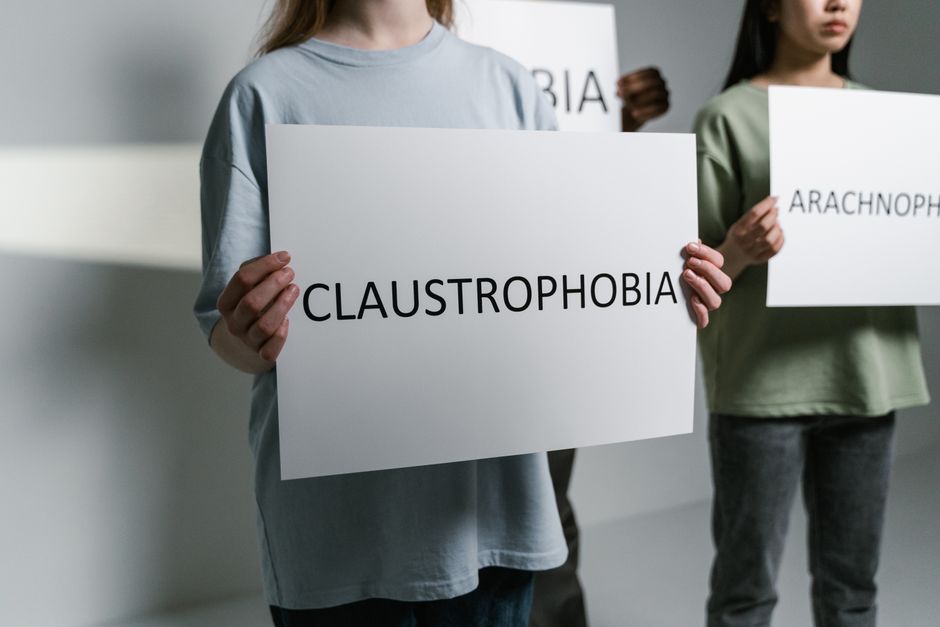
While most people are familiar with common fears like heights, spiders, or enclosed spaces, the human mind is capable of developing intense anxieties about nearly anything imaginable. Phobias are more than simple fears—they're debilitating anxiety disorders that can significantly impact daily life. Some phobias are so unusual that they might seem invented, yet they affect real people who struggle with genuine distress. Understanding these rare conditions helps illuminate the complex nature of anxiety disorders and demonstrates how the brain can form powerful associations with seemingly harmless objects or situations.
Unusual Phobias That Affect Real People
1. Arachibutyrophobia: The Fear of Peanut Butter Sticking to the Roof of Your Mouth
This remarkably specific phobia involves an intense fear of peanut butter adhering to the roof of one's mouth. While many people might find this sensation mildly uncomfortable, those with arachibutyrophobia experience genuine panic attacks at the thought. Sufferers often avoid peanut butter entirely, along with other sticky foods. The phobia may stem from fears of choking or feelings of being unable to breathe properly. Mental health professionals suggest this condition might be related to sensory processing issues or previous traumatic experiences involving eating or breathing difficulties.
2. Nomophobia: The Fear of Being Without Your Mobile Phone
In our increasingly digital world, nomophobia—short for "no mobile phone phobia"—has become surprisingly common. Individuals with this condition experience severe anxiety when separated from their smartphones or when their devices run out of battery. Symptoms include panic attacks, sweating, trembling, and an overwhelming sense of dread. Studies indicate that nomophobia affects a significant portion of the population, particularly younger demographics. This modern phobia reflects our deep psychological dependence on technology and constant connectivity, making it one of the most culturally relevant anxiety disorders of the 21st century.
3. Xanthophobia: The Debilitating Fear of the Color Yellow
Chromophobia refers to the fear of colors, and xanthophobia is the specific fear of yellow. This phobia can severely restrict someone's life, as yellow appears frequently in everyday environments—from traffic signs to flowers to common household items. Sufferers may experience nausea, rapid heartbeat, and intense anxiety when confronted with the color. Some psychologists believe xanthophobia may develop from negative associations with yellow objects or traumatic experiences involving something yellow. The condition can be so severe that individuals redesign their entire living spaces to eliminate any trace of the color.
4. Pogonophobia: The Fear of Beards
Pogonophobia is an irrational fear of beards or people with facial hair. This unusual phobia can make social interactions extremely challenging, especially in areas where beards are fashionable or culturally common. Those affected may experience panic attacks when encountering bearded individuals, potentially stemming from negative childhood experiences or associations with frightening bearded figures. The condition can lead to significant social isolation, as sufferers may avoid public places, certain occupations, or even family members who have beards. Treatment typically involves cognitive behavioral therapy to address the underlying triggers.
5. Hippopotomonstrosesquippedaliophobia: The Ironic Fear of Long Words
Perhaps the most ironically named phobia, hippopotomonstrosesquippedaliophobia is the fear of long words. The technical term itself—one of the longest words in the dictionary—seems almost deliberately cruel to sufferers. People with this condition experience anxiety when confronted with lengthy or complex words, which can affect their academic and professional lives. They may struggle with reading, avoid certain educational opportunities, or feel intense embarrassment in situations requiring advanced vocabulary. The phobia often develops from past experiences of being mocked for mispronouncing words or from learning disabilities that make processing complex language difficult.
6. Somniphobia: The Terrifying Fear of Falling Asleep
Somniphobia, or hypnophobia, is the fear of sleep itself. Unlike insomnia, where individuals struggle to sleep despite wanting to, somniphobia sufferers actively fear the act of sleeping. This phobia can stem from various sources: fear of nightmares, anxiety about losing control, concerns about dying during sleep, or fear of sleep paralysis. The condition creates a vicious cycle, as sleep deprivation intensifies anxiety and can cause hallucinations, further reinforcing the fear. Sufferers may go to extreme lengths to stay awake, resulting in serious health complications. Treatment often requires addressing both the phobia and the physical effects of chronic sleep deprivation.
7. Omphalophobia: The Fear of Belly Buttons
Omphalophobia is an intense fear or disgust toward navels, whether one's own or others'. Some sufferers cannot touch their belly buttons, while others experience revulsion at seeing them or imagining anything touching them. The phobia can manifest as fear that something might "go in" or that the belly button might somehow open. This unusual condition can affect personal hygiene and medical examinations, as individuals may refuse to allow doctors to examine their abdomens. Researchers suggest the fear might relate to anxiety about the vulnerability of one's internal organs or discomfort with this permanent reminder of our time in the womb.
8. Turophobia: The Fear of Cheese
Turophobia is a genuine fear of cheese that can range from specific types to all cheese varieties. Sufferers report feeling nauseated, panicked, or disgusted by cheese's texture, smell, or appearance. Some individuals can tolerate melted cheese but fear solid cheese, while others cannot bear any form. This phobia can significantly impact social dining experiences and nutritional intake. The condition may develop from a traumatic experience involving cheese during childhood or from sensory sensitivities to its distinct qualities. Unlike lactose intolerance, which is a physical reaction, turophobia is a psychological response that triggers the fight-or-flight mechanism.
9. Globophobia: The Fear of Balloons
Globophobia involves an intense fear of balloons, often centered on the anxiety that they might pop unexpectedly. Sufferers experience genuine terror at parties, celebrations, or any environment where balloons are present. The anticipation of the sudden loud noise creates overwhelming stress, even if the balloon never bursts. Some individuals with globophobia also fear the squeaking sound balloons make when rubbed or the feeling of balloon material. This phobia can cause people to avoid social gatherings and celebrations, potentially leading to isolation. Children's parties, in particular, become sources of extreme anxiety rather than joy.
10. Ephebiphobia: The Fear of Teenagers
Ephebiphobia is the fear or loathing of adolescents or teenagers. While distinct from simply finding teenagers annoying, this phobia involves genuine anxiety and fear responses when encountering young people. Sufferers may cross the street to avoid groups of teenagers, refuse to visit places where adolescents congregate, or experience panic attacks in their presence. The condition may develop from negative experiences, media portrayals of teen violence, or generalized anxiety about youth culture. Ephebiphobia can have serious social implications, affecting family relationships, career choices in education or youth services, and contributing to generational divides in communities.
Understanding and Treatment
These ten bizarre phobias demonstrate the incredible diversity of human anxiety responses and how our brains can develop intense fear reactions to virtually anything. While these conditions might seem amusing to those unaffected, they cause real suffering and can severely limit quality of life. Most phobias respond well to treatment, including cognitive behavioral therapy, exposure therapy, and sometimes medication. Mental health professionals emphasize that no phobia is too unusual to deserve compassion and proper treatment. Recognition and understanding of these conditions help reduce stigma and encourage those suffering to seek the help they need to reclaim their lives from irrational fears.