







1 / 10 Questions
0 Points

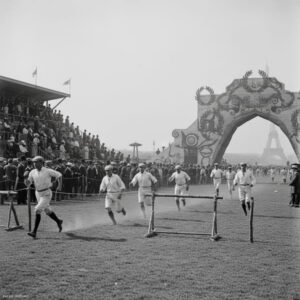
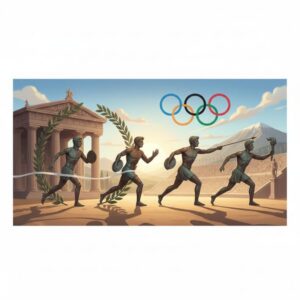
Which ancient Greek city gave the Olympic Games its name?

Sparta

Delphi

Olympia

Athens

Points won
0
Correct score
0%

More Questions

More Articles

Did You Know These Quick Facts About Energy Use?

Did You Know These Quick Facts About Energy Use?

⏱️ 5 min read

Energy consumption touches every aspect of modern life, yet many surprising facts about how we produce, distribute, and use energy remain unknown to most people. Understanding these facts can help individuals and organizations make more informed decisions about energy conservation and sustainability. From household appliances to industrial operations, the patterns of energy use reveal fascinating insights about our world.

The Hidden Energy Costs of Everyday Devices

Many common household devices consume electricity even when turned off, a phenomenon known as phantom power or vampire energy. This standby power consumption accounts for approximately 5-10% of residential energy use in developed countries. Devices such as televisions, gaming consoles, cable boxes, and phone chargers continue drawing power when plugged in, costing the average household between $100 and $200 annually.

Modern refrigerators represent one of the most significant energy consumers in homes, operating continuously throughout the year. However, today's refrigerators are remarkably more efficient than their predecessors. A typical refrigerator manufactured in 2021 uses about 75% less energy than models from the 1970s, despite often being larger and having more features. This improvement demonstrates how technological advances have dramatically reduced energy consumption without sacrificing functionality.

Global Energy Production and Consumption Patterns

The world consumes approximately 580 million terajoules of energy annually, with fossil fuels still accounting for roughly 80% of global energy production. Despite significant investments in renewable energy, the transition away from traditional energy sources progresses more slowly than many anticipate. China currently leads global energy consumption, using about one-quarter of the world's total energy supply, followed by the United States at approximately 16%.

Renewable energy sources have experienced remarkable growth over the past two decades. Solar power capacity has increased by more than 40% annually over the last decade, making it the fastest-growing energy source worldwide. Wind energy follows closely, with installed capacity doubling approximately every four years. Despite this rapid growth, renewables still account for only about 20% of global energy consumption, highlighting the enormous scale of the energy transition challenge.

Transportation Energy Consumption Realities

The transportation sector consumes approximately 28% of all energy used in the United States, with personal vehicles accounting for more than half of this total. An average gasoline-powered car converts only about 20-30% of the energy stored in gasoline into actual movement, with the remainder lost as heat and friction. This inefficiency explains why electric vehicles, which convert approximately 60-70% of electrical energy into motion, offer such significant efficiency advantages.

Aviation represents one of the most energy-intensive forms of transportation per passenger mile. A single transatlantic flight consumes roughly the same amount of fuel per passenger as driving a car for an entire year. However, modern aircraft are significantly more efficient than older models, with new planes using approximately 20-25% less fuel than aircraft manufactured just fifteen years ago.

Industrial and Commercial Energy Use Facts

Industrial facilities consume approximately one-third of global energy supplies, with manufacturing processes requiring vast amounts of electricity and heat. The production of aluminum ranks among the most energy-intensive manufacturing processes, requiring approximately 15 kilowatt-hours of electricity to produce just one kilogram of the metal. Steel production similarly demands enormous energy inputs, with the global steel industry consuming about 20% of all industrial energy use worldwide.

Data centers and cloud computing infrastructure consume approximately 1-2% of global electricity, a figure that continues growing as internet usage expands. A single large data center can consume as much electricity as a small city, with much of this energy devoted to cooling systems that prevent servers from overheating. Companies increasingly locate data centers in cooler climates to reduce cooling energy requirements, with some facilities using innovative approaches like submersion cooling or free-air cooling.

Seasonal and Geographic Variations in Energy Demand

Energy consumption patterns vary dramatically based on geography, climate, and season. Countries in extreme climates typically consume more energy per capita than those with moderate temperatures. For instance, Iceland and Norway rank among the highest per capita energy consumers globally, largely due to heating requirements, though both countries generate most electricity from renewable sources.

Peak energy demand typically occurs during extreme weather conditions, with hot summer afternoons in warm climates and cold winter mornings in northern regions generating maximum strain on electrical grids. These peak demand periods can require up to 20% more generation capacity than average conditions, necessitating expensive infrastructure that sits idle most of the time. Smart grid technologies and demand response programs increasingly help manage these peaks more efficiently.

The Future of Energy Efficiency

Energy efficiency improvements have delivered remarkable results over recent decades. Since 1990, the global economy has grown substantially while energy intensity—the amount of energy required to produce one unit of economic output—has decreased by approximately 30%. This decoupling of economic growth from energy consumption demonstrates that development and sustainability need not conflict.

LED lighting technology exemplifies efficiency advances, using approximately 75% less energy than traditional incandescent bulbs while lasting 25 times longer. If every household in the United States replaced just five traditional bulbs with LED alternatives, the annual energy savings would equal the output of approximately eight large power plants. Such simple changes, multiplied across millions of users, create substantial impacts on overall energy consumption patterns.

Top 10 Facts About Famous Sports Rivalries

Top 10 Facts About Famous Sports Rivalries

⏱️ 7 min read

Sports rivalries represent some of the most compelling narratives in athletic competition, transcending mere wins and losses to become cultural phenomena that captivate millions of fans worldwide. These fierce competitions often span decades, creating unforgettable moments, legendary performances, and emotional intensity that define entire eras of sport. From historic grudge matches to modern-day showdowns, rivalries bring out the best—and sometimes worst—in athletes while providing entertainment that resonates far beyond the playing field.

The Most Memorable Rivalries in Sports History

1. The Celtics-Lakers Rivalry Defined NBA Basketball for Decades

The Boston Celtics and Los Angeles Lakers rivalry stands as the most storied in NBA history, with these two franchises meeting in the Finals twelve times since 1959. This rivalry reached its peak during the 1980s when Magic Johnson's Lakers faced Larry Bird's Celtics three times in the championship series. The East Coast versus West Coast dynamic, combined with contrasting playing styles—Boston's blue-collar grit against LA's showtime flash—created a perfect storm of competition that helped save the NBA from declining ratings in the late 1970s and transformed professional basketball into a global phenomenon.

2. El Clásico Generates More Global Viewers Than Most Sporting Events

When Real Madrid and FC Barcelona face off in El Clásico, approximately 650 million viewers worldwide tune in, making it one of the most-watched sporting events on the planet. This Spanish football rivalry extends beyond sports, representing deeper political and cultural divisions between Catalonia and the Spanish capital. The matches have featured some of football's greatest players, including Alfredo Di Stéfano, Johan Cruyff, Diego Maradona, Lionel Messi, and Cristiano Ronaldo. The rivalry intensified significantly during the era when Messi and Ronaldo simultaneously represented the two clubs, breaking numerous scoring records in their head-to-head encounters.

3. Yankees-Red Sox Created Baseball's Most Expensive Rivalry

The New York Yankees and Boston Red Sox rivalry became cemented in baseball lore when Red Sox owner Harry Frazee sold Babe Ruth to the Yankees in 1919, supposedly cursing Boston to 86 years without a World Series championship. The financial implications of this rivalry extend beyond the field, with both franchises consistently ranking among baseball's most valuable teams. The competition has produced unforgettable moments, including the 2004 American League Championship Series when Boston became the first team in baseball history to overcome a 3-0 playoff series deficit, defeating New York en route to breaking the "Curse of the Bambino."

4. Muhammad Ali and Joe Frazier's Trilogy Transcended Boxing

The three fights between Muhammad Ali and Joe Frazier represent perhaps the greatest individual rivalry in sports history. Their 1971 "Fight of the Century" at Madison Square Garden generated unprecedented global interest, while their 1975 "Thrilla in Manila" is widely considered the most brutal and compelling heavyweight championship bout ever staged. The rivalry extended beyond the ring, with Ali's psychological warfare and controversial taunts creating genuine animosity between the fighters. The intense physical toll of their encounters left both men with lasting health issues, demonstrating the extreme price paid in pursuit of athletic supremacy.

5. The Army-Navy Game Predates the Super Bowl by Seven Decades

First played in 1890, the Army-Navy football game represents America's oldest and most patriotic sports rivalry. This annual matchup between the United States Military Academy and the United States Naval Academy transcends typical college football competition, embodying service, sacrifice, and national pride. The game has been attended by numerous presidents and consistently draws millions of television viewers despite neither team typically ranking among the nation's elite football programs. The tradition of playing the game as the final contest of the college football regular season gives it unique prominence, and the winning team earns bragging rights throughout all branches of the military.

6. Federer, Nadal, and Djokovic Rewrote Tennis History Through Mutual Competition

While technically a three-way rivalry, the competition between Roger Federer, Rafael Nadal, and Novak Djokovic elevated men's tennis to unprecedented heights. The three legends combined have won 66 Grand Slam singles titles, completely dominating the sport for nearly two decades. The contrasting styles—Federer's elegant precision, Nadal's relentless physicality, and Djokovic's defensive mastery—created compelling matchups that redefined what was considered possible in professional tennis. Their mutual respect and simultaneous excellence pushed each player to continually improve, resulting in some of the longest, most dramatic matches in tennis history.

7. Olympic Hockey's "Miracle on Ice" Represented Cold War Tensions

The 1980 Olympic hockey semifinal between the United States and Soviet Union transcended sports to become a defining Cold War moment. The underdog American team, composed of amateur and collegiate players, defeated the heavily favored Soviet squad that had won gold in six of the previous seven Olympics. Coach Herb Brooks's team wasn't just competing for a medal; they represented democratic ideals against Soviet communism during a period of intense geopolitical tension. The victory remains one of sport's greatest upsets and demonstrates how rivalries can embody much larger societal conflicts.

8. Australia and England Battle for The Ashes Every Two Years

Cricket's oldest and most celebrated rivalry centers on The Ashes, a Test cricket series contested between England and Australia since 1882. The name originates from a satirical obituary published after England's first loss to Australia on home soil, stating that English cricket had died and "the body will be cremated and the ashes taken to Australia." A small urn supposedly containing the ashes of a burned cricket bail became the symbolic prize. The rivalry maintains enormous cultural significance in both nations, with matches drawing massive crowds and television audiences, and the series alternates between countries, ensuring sustained interest across multiple cricket seasons.

9. College Football's Iron Bowl Has Split Families for Generations

The annual matchup between Auburn University and the University of Alabama represents college football's most intense in-state rivalry. The Iron Bowl divides the state of Alabama along team lines, with families, workplaces, and friendships often split by allegiance. The rivalry was so intense that from 1907 to 1948, the schools refused to play each other. The competition has produced numerous memorable finishes, including the 2013 "Kick Six" when Auburn's Chris Davis returned a missed field goal attempt 109 yards for a touchdown as time expired. The rivalry's intensity demonstrates how college sports can become deeply woven into regional identity.

10. India Versus Pakistan Cricket Matches Can Unite or Divide Nations

Few sports rivalries carry the geopolitical weight of India versus Pakistan cricket matches. These contests occur against the backdrop of decades of political tension, military conflicts, and territorial disputes. When the two nations meet in cricket, particularly during World Cup tournaments, billions of viewers across South Asia tune in, and normal life essentially pauses in both countries. The rivalry has been interrupted multiple times due to political circumstances, with India and Pakistan occasionally refusing to play bilateral series. Despite the tensions, these matches have also served as rare opportunities for diplomatic engagement and temporary unity among fans who share a passion for cricket.

The Lasting Impact of Great Rivalries

Sports rivalries create narratives that extend far beyond individual games or seasons, building legacies that endure for generations. They elevate athletic performance, generate unprecedented fan engagement, and often reflect deeper cultural, political, or regional identities. These ten examples demonstrate how competition between opponents can transform sport into something greater—creating moments of collective memory, driving athletes to achieve their ultimate potential, and reminding us why sports matter so profoundly to people around the world. Whether separated by city boundaries, national borders, or philosophical differences, these rivalries continue to captivate audiences and define what makes sports truly unforgettable.