











1 / 10 Questions
0 Points

What scientific term describes the boundary layer where fresh water floats above denser salt water?

Thermocline

Pycnocline

Chemocline

Halocline

Points won
0
Correct score
0%

More Questions

More Articles

Did You Know These Foods Last Longer Than You Think?

Did You Know These Foods Last Longer Than You Think?

⏱️ 4 min read

Many consumers unknowingly waste perfectly good food by discarding items based on misconceptions about expiration dates or shelf life. Understanding which foods remain safe and nutritious well beyond their expected timeframe can significantly reduce household waste while saving money. Numerous pantry staples, refrigerated items, and even some fresh products possess remarkable longevity when stored correctly.

The Difference Between Expiration Dates and Food Safety

Before exploring specific long-lasting foods, it's essential to understand that "best by" and "sell by" dates are typically quality indicators rather than safety deadlines. The USDA clarifies that these dates are manufacturer suggestions for peak quality, not hard cutoffs for consumption. Only infant formula has federally regulated expiration dates. This distinction means many foods remain perfectly safe and nutritious long after the printed date has passed.

Pantry Staples That Last Indefinitely

Honey: Nature's Eternal Sweetener

Honey stands as one of the few foods with an indefinite shelf life. Archaeologists have discovered 3,000-year-old honey in Egyptian tombs that remains edible. Its low moisture content and acidic pH create an inhospitable environment for bacteria and microorganisms. While honey may crystallize over time, this natural process doesn't indicate spoilage. Simply warming the container in hot water restores its liquid consistency.

White Rice and Dried Beans

When stored in airtight containers away from moisture and pests, white rice maintains its quality for up to 30 years. Unlike brown rice, which contains oils that can turn rancid, white rice's processing removes these perishable components. Similarly, dried beans remain viable for decades, though they may require longer cooking times as they age. These staples provide essential nutrition and serve as reliable emergency food supplies.

Salt, Sugar, and Pure Vanilla Extract

Pure salt and sugar never spoil due to their molecular structure, which prevents bacterial growth. These preservatives have been used throughout history precisely because of their antimicrobial properties. Pure vanilla extract, containing at least 35% alcohol, also lasts indefinitely when stored in a cool, dark place. The alcohol acts as a natural preservative, maintaining the extract's flavor and potency.

Surprisingly Long-Lasting Refrigerated Items

Hard Cheeses

While soft cheeses spoil relatively quickly, hard cheeses like Parmesan, aged cheddar, and Gruyère can last six months or longer when properly refrigerated. These aged cheeses have low moisture content and often undergo treatments that inhibit mold growth. If surface mold appears, cutting away at least one inch around and below the affected area typically renders the remaining cheese safe for consumption.

Butter

Butter's longevity surprises many consumers. In the refrigerator, butter remains fresh for several months past its printed date, and in the freezer, it maintains quality for up to a year. The high fat content and low moisture make butter resistant to spoilage. Salted butter lasts even longer than unsalted varieties, as salt acts as an additional preservative.

Eggs

Properly refrigerated eggs remain safe and edible for three to five weeks beyond their carton date. The simple float test determines freshness: fresh eggs sink in water, while older eggs that have developed air pockets float. Hard-boiled eggs, however, have a shorter refrigerated lifespan of approximately one week due to the compromised protective coating.

Condiments With Exceptional Shelf Life

Vinegar and Hot Sauce

The acidic nature of vinegar makes it virtually imperishable. White vinegar, apple cider vinegar, and balsamic vinegar maintain their quality indefinitely when stored properly. Hot sauces containing vinegar and salt also last years in the refrigerator after opening, with some varieties remaining safe at room temperature due to their preservative properties and high capsaicin content.

Worcestershire and Soy Sauce

These fermented condiments contain natural preservatives that extend their usability far beyond printed dates. Worcestershire sauce can last up to three years after opening when refrigerated, while soy sauce remains viable for two to three years. The high sodium content and fermentation process create an environment where harmful bacteria cannot thrive.

Frozen Foods Beyond Expiration

Freezing effectively pauses food degradation, making frozen items safe indefinitely from a food safety perspective. While quality may decline over extended periods, properly frozen foods won't become dangerous to eat. Frozen vegetables, fruits, and meats maintain best quality for eight to twelve months, but remain safe well beyond these timeframes. Freezer burn affects texture and taste but doesn't indicate unsafe food.

Proper Storage Maximizes Longevity

Optimal storage conditions dramatically extend food lifespan. Cool, dark, and dry environments preserve pantry items best. Airtight containers prevent moisture intrusion and pest contamination. Refrigerator temperatures should remain at or below 40°F, while freezers should maintain 0°F or lower. Vacuum sealing removes oxygen that contributes to spoilage, further extending storage time for many products.

Trust Your Senses

Despite extended shelf lives, consumers should still evaluate food before consumption. Visual inspection for mold, unusual discoloration, or texture changes provides important safety information. Off-odors typically indicate spoilage, as do unexpected tastes. When foods pass sensory tests and have been stored properly, they're generally safe to consume regardless of printed dates, allowing households to reduce waste while maintaining food safety standards.
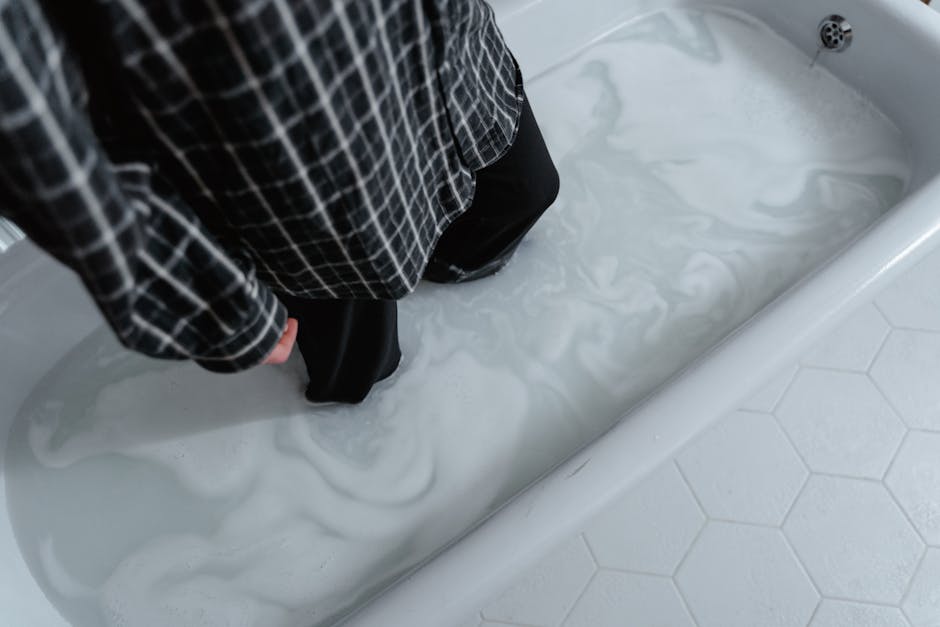
Did You Know These Unexpected Uses for Household Items?

Did You Know These Unexpected Uses for Household Items?

⏱️ 4 min read

Every home contains a treasure trove of versatile items that can serve purposes far beyond their intended use. While most people use common household products for their primary functions, discovering alternative applications can save money, reduce waste, and solve everyday problems with items already sitting in cupboards and drawers. These creative solutions have been passed down through generations and validated by practical experience, offering simple yet effective ways to handle various household challenges.

Kitchen Staples with Surprising Applications

The kitchen harbors some of the most versatile household items, many of which possess properties that make them invaluable throughout the home.

Aluminum Foil Beyond Food Storage

Aluminum foil serves multiple purposes beyond wrapping leftovers. A crumpled ball of foil can sharpen scissors by making several cuts through it, effectively honing the blades. When placed behind radiators, aluminum foil reflects heat back into the room rather than allowing it to be absorbed by walls, improving heating efficiency. It can also remove rust from chrome surfaces when dipped in water and rubbed gently over affected areas.

Coffee Grounds as Multi-Purpose Solutions

Used coffee grounds offer remarkable utility throughout the home. They neutralize odors in refrigerators, freezers, and garbage disposals, providing a natural deodorizing solution. As a mild abrasive, coffee grounds clean pots and pans without scratching surfaces. Gardeners value them as a natural fertilizer that adds nitrogen to soil and deters pests like slugs and snails. Additionally, rubbing coffee grounds on hands removes strong odors from garlic and onions.

Bathroom Products with Hidden Potential

Personal care items found in bathrooms possess properties that extend their usefulness well beyond grooming routines.

Toothpaste as a Cleaning Agent

Non-gel toothpaste functions as an effective cleaning product for various surfaces. It removes crayon marks from walls, restores the shine to silverware, and cleans foggy headlights on vehicles. The mild abrasives in toothpaste make it perfect for polishing jewelry, cleaning piano keys, and removing water stains from furniture. A small amount applied to scuffed shoes can restore their appearance when buffed with a cloth.

Hair Conditioner for Fabric Care

Hair conditioner serves as an excellent fabric softener substitute, particularly effective for hand-washing delicate garments. It can remove stuck rings from fingers when soap fails, unshrink wool sweaters by relaxing fibers, and even serve as a shaving cream alternative. A small amount mixed with water creates an effective solution for removing wallpaper, as it helps loosen the adhesive.

Pantry Items with Practical Applications

Common food items possess chemical properties that make them surprisingly effective for cleaning and maintenance tasks.

White Vinegar as a Household Workhorse

White vinegar stands as one of the most versatile household items available. Its acidity dissolves mineral deposits, making it perfect for descaling coffee makers, removing hard water stains from glassware, and cleaning showerheads. Vinegar cuts through grease on kitchen surfaces, removes odors from lunchboxes and thermoses, and acts as a natural weed killer when applied to unwanted plants. When mixed with baking soda, it creates an effective drain cleaner that breaks down clogs without harsh chemicals.

Baking Soda Beyond Baking

Sodium bicarbonate, commonly known as baking soda, deserves recognition as a household essential. It extinguishes small grease fires, freshens carpets when sprinkled and vacuumed, and removes stubborn stains from countertops. A paste of baking soda and water cleans tile grout, polishes stainless steel, and removes permanent marker from surfaces. It also serves as a natural deodorant, tooth whitener, and antacid.

Office and Miscellaneous Items Reimagined

Rubber Bands for Enhanced Grip

Rubber bands provide solutions to numerous frustrating problems. Wrapping several around a stripped screw head creates enough grip for a screwdriver to gain purchase. They prevent doors from latching when wrapped around both knobs, useful when moving items in and out frequently. Rubber bands secure cutting boards to countertops, preventing dangerous slipping during food preparation.

Newspaper for Cleaning and Storage

Newspapers excel at cleaning glass and mirrors without leaving streaks or lint, outperforming many commercial products. Crumpled newspaper absorbs moisture and odors in shoes, gym bags, and refrigerators. It serves as excellent packing material for fragile items and can be used to ripen fruit when wrapped around it.

Maximizing Resources and Reducing Waste

Understanding these alternative uses for common household items promotes sustainable living by reducing the need to purchase specialized products. This approach minimizes chemical exposure, as many natural alternatives prove gentler on both surfaces and the environment. By recognizing the versatility of everyday items, households can streamline their cleaning supplies, reduce clutter, and approach problems with creative, cost-effective solutions.

The key to successfully implementing these alternative uses lies in understanding the properties that make each item effective. Acidic substances clean mineral deposits, abrasives polish surfaces, and absorbent materials neutralize odors. With this knowledge, countless other creative applications await discovery in the average home, limited only by imagination and experimentation.